
When we talk about building a home, an office, or a community space, there's a quiet undercurrent of hope that runs through every decision: will this place keep us safe? For those living or working in high-risk zones—whether prone to wildfires, industrial accidents, or extreme heat—this question isn't just a passing thought; it's a daily concern. We've all seen the headlines: a spark, a moment of neglect, and a structure reduced to ash. But what if the materials we build with could turn that fear into confidence? What if a single choice in cladding or flooring could be the difference between vulnerability and resilience? That's where Glacial Slate comes in—a material that doesn't just look like it belongs in a story of strength; it lives that story, especially when it comes to fire resistance.
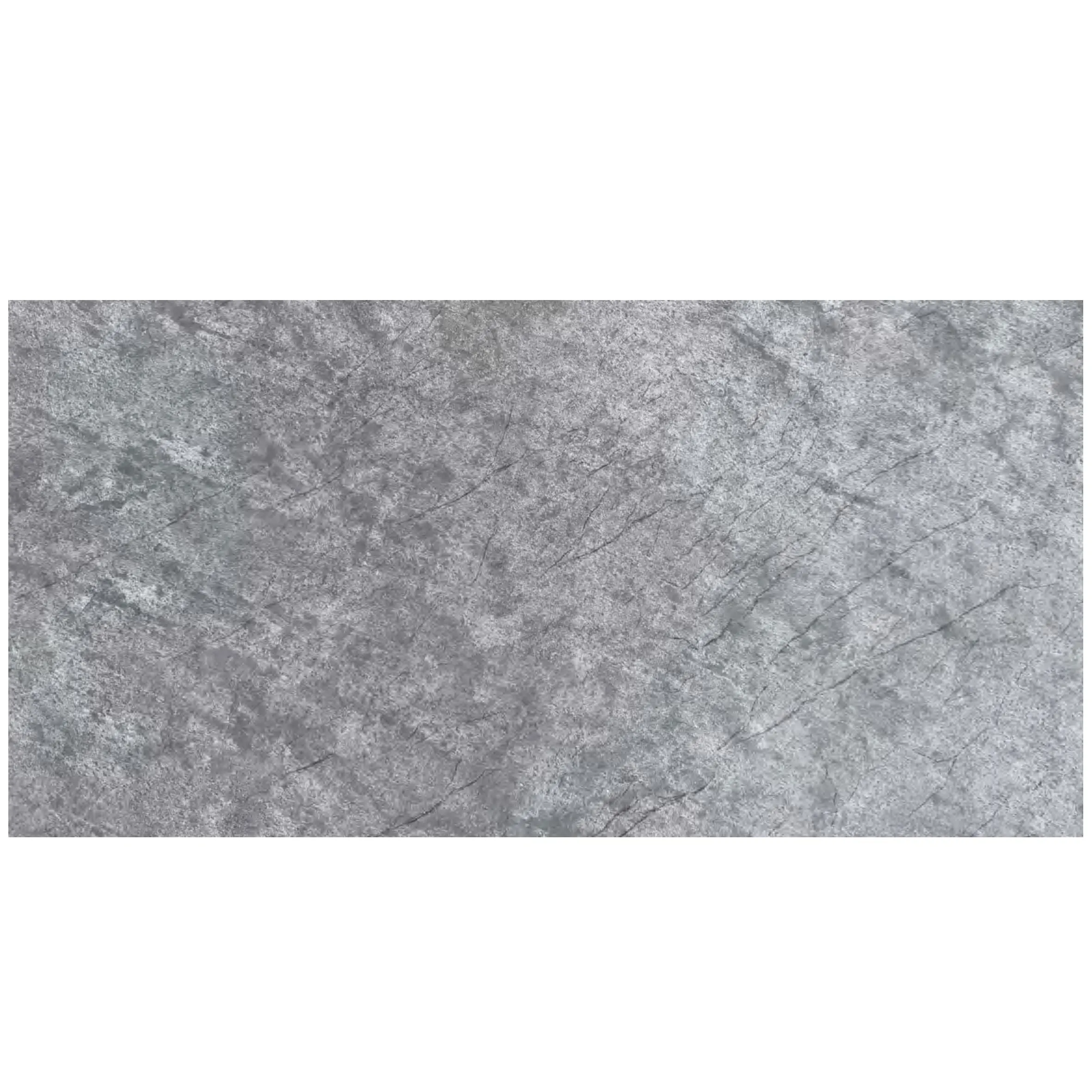
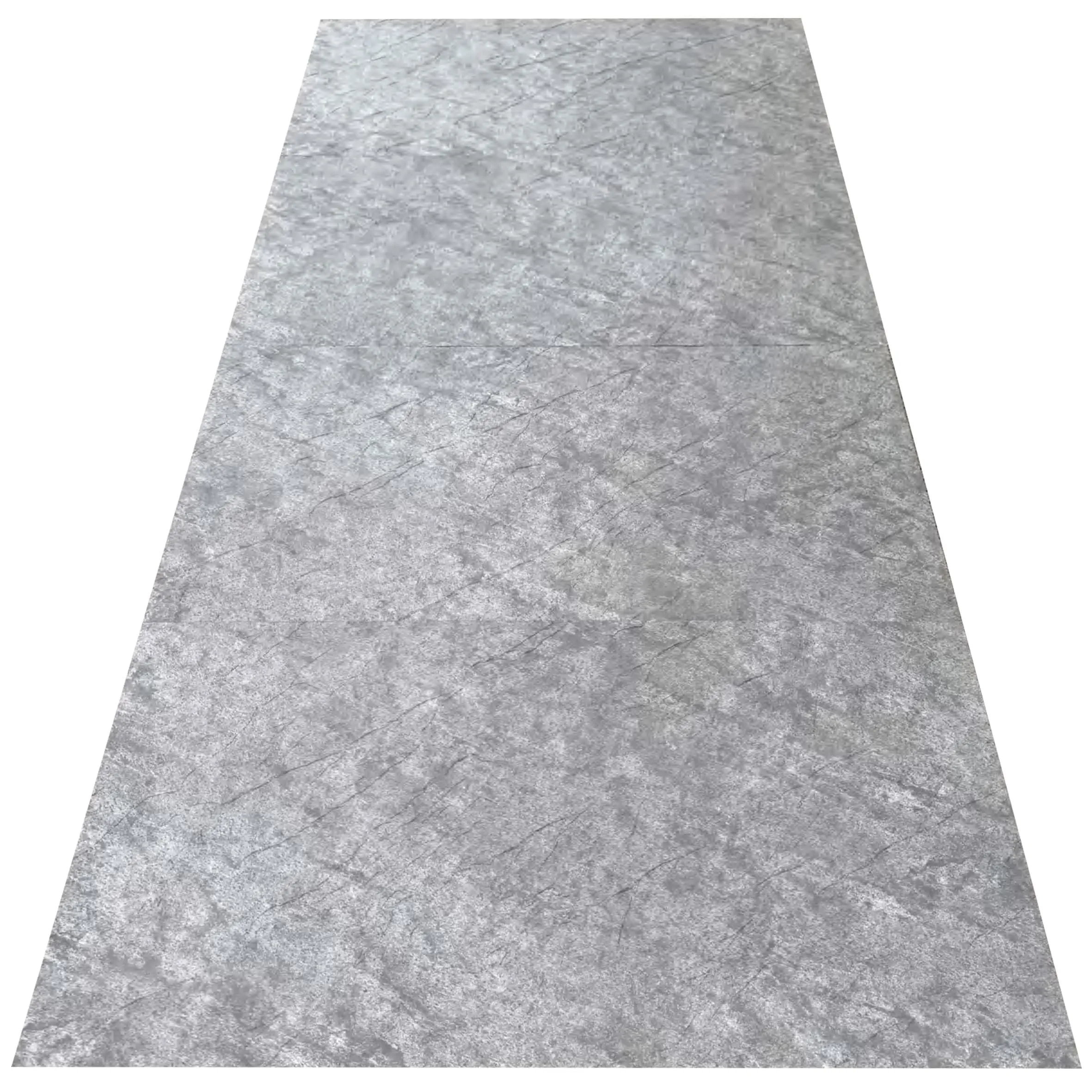
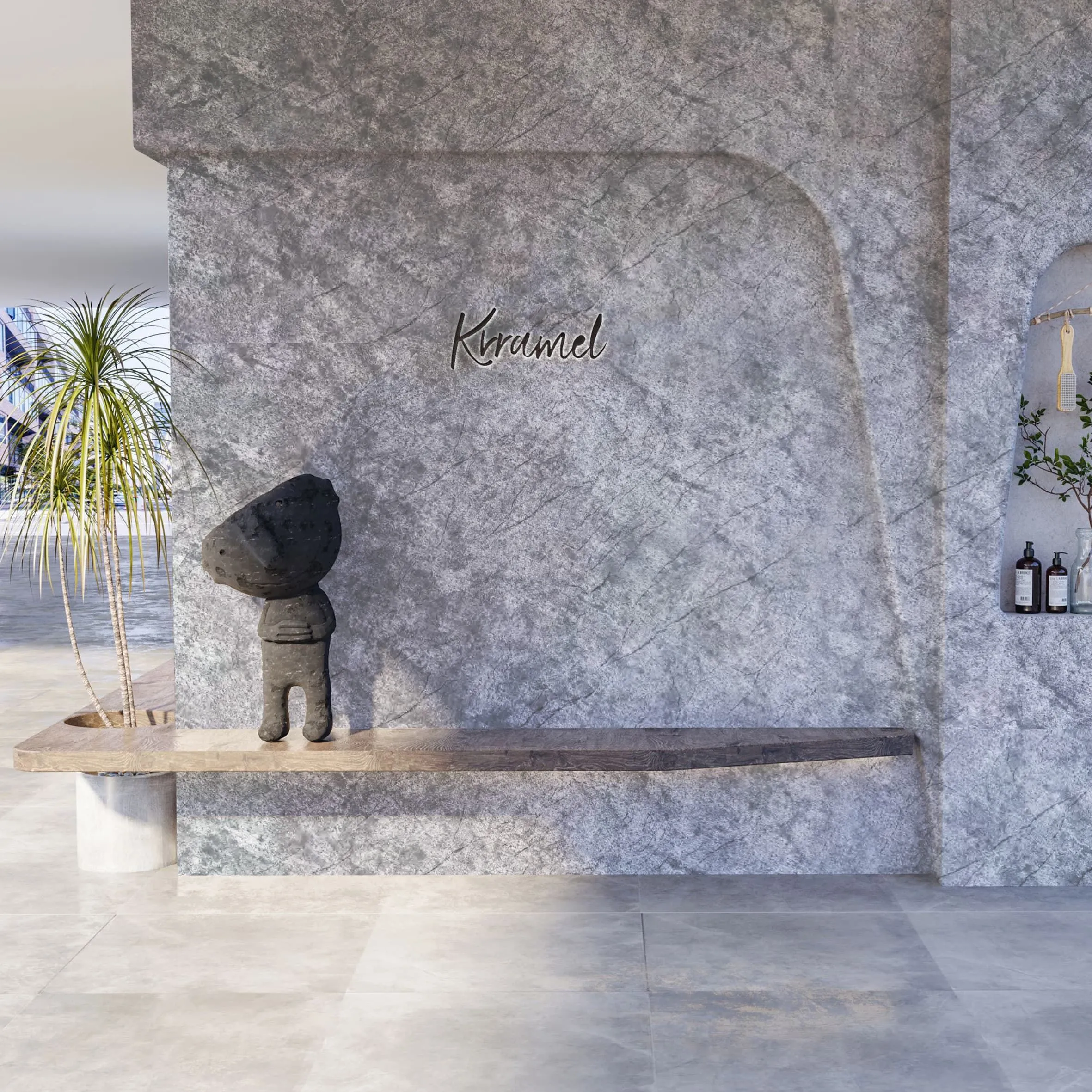
Before we dive into its fire-fighting superpowers, let's get to know Glacial Slate as more than just a "building material." Picture this: a slab that feels like it was carved by time itself—cool to the touch, with subtle veining that mimics the slow crawl of ancient glaciers. It's not shiny or overly polished; instead, it has a quiet, earthy texture that makes you want to reach out and run your hand across it. That's the first thing architects and homeowners notice: it doesn't scream "industrial"—it whispers "enduring."
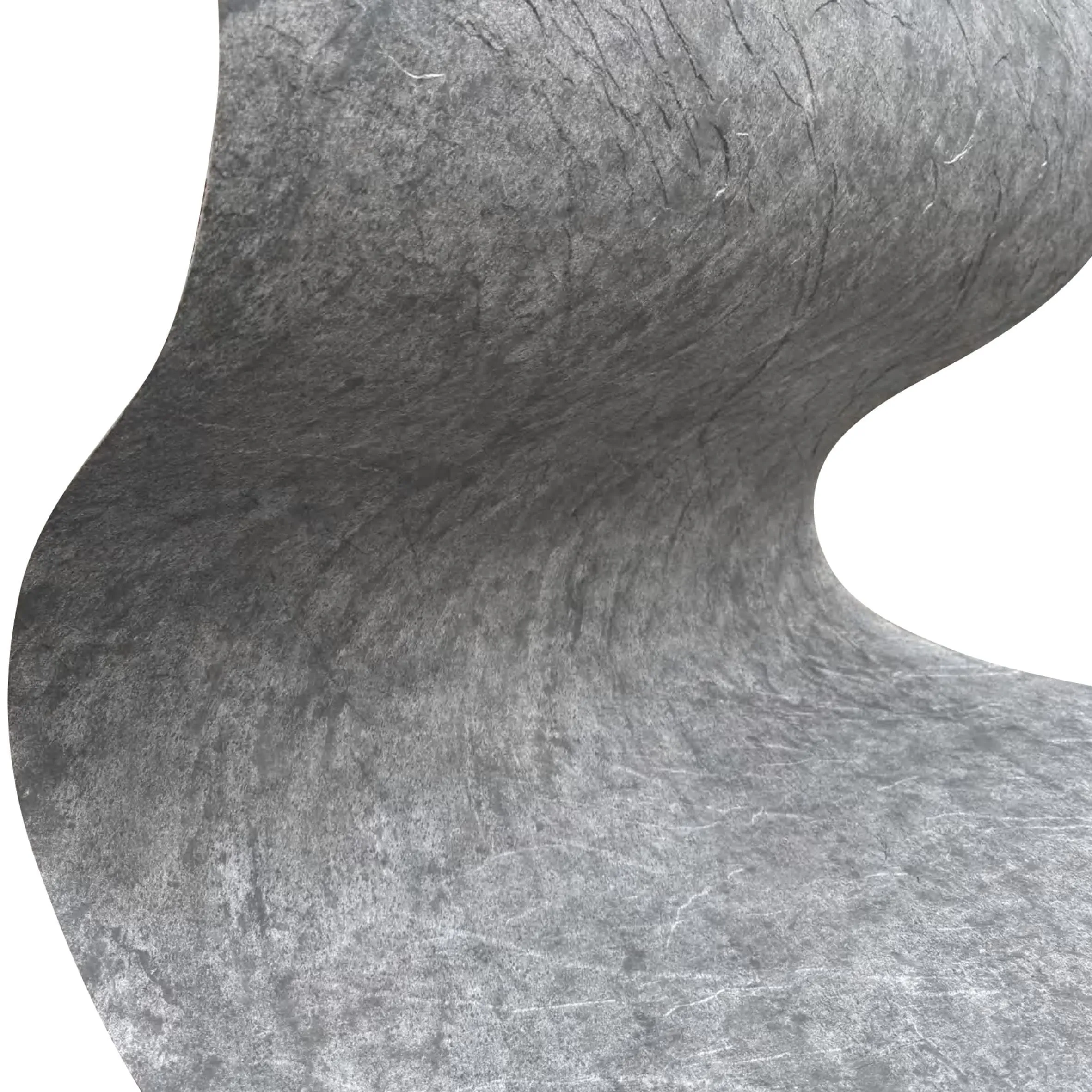
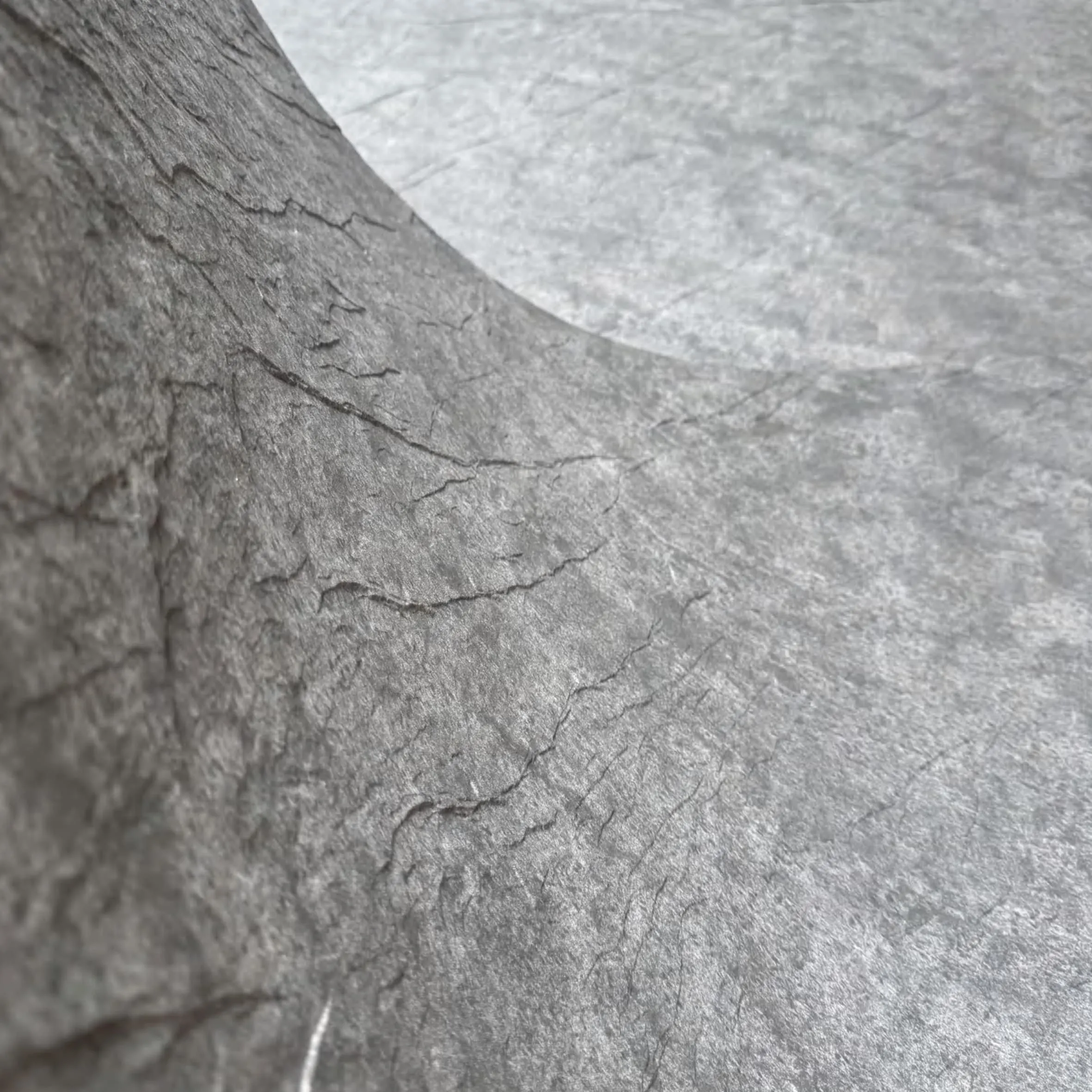
Geologically speaking, Glacial Slate is a metamorphic rock formed under intense pressure and low heat, which gives it a unique structure: layers upon layers of compressed minerals that lock together like a natural armor. But here's the kicker: unlike some stones that are brittle or prone to cracking under stress, Glacial Slate is flexible in a way that feels almost intentional. It bends without breaking, absorbs impact without shattering, and—crucially—stands up to heat like few other materials can.
Let's talk numbers, but not in a dry, spreadsheet way. The National Fire Protection Association reports that in 2023 alone, U.S. fire departments responded to over 1.2 million building fires. Of those, nearly 20% occurred in areas classified as "high-risk"—think wildfire zones in California, industrial corridors in Texas, or urban high-rises where a single spark can spread rapidly. The human cost? Heartbreaking. The financial toll? Billions in damages, not to mention the emotional weight of losing a space that felt like home or a business that took years to build.
Fire resistance isn't just about stopping flames in their tracks. It's about time . Time for people to evacuate. Time for firefighters to arrive. Time for a building to hold its structure long enough to prevent collapse. Materials that can withstand high temperatures for extended periods—like Glacial Slate—buy that time. And in emergencies, time is the most valuable currency there is.
So, what makes Glacial Slate a fire-resistant champion? Let's break it down. First, its mineral composition: primarily quartz and mica, both of which have incredibly high melting points (quartz melts at around 1,670°C; mica at 1,200°C). Compare that to wood, which ignites at just 260°C, or standard drywall, which starts to crumble at 150°C. When exposed to flames, Glacial Slate doesn't catch fire, doesn't release toxic fumes, and doesn't melt. Instead, it acts as a barrier, slowing the spread of heat to the interior of a building.
But it's not just about withstanding heat—it's about behavior under heat. During testing, Glacial Slate was exposed to 1,000°C flames for two hours (the equivalent of a severe building fire). The result? Minimal surface charring, no structural weakening, and zero flame spread. Even better, it didn't release any harmful gases—unlike vinyl siding or composite materials, which can emit carcinogens when burned. For families with kids, or businesses with employees, that peace of mind is priceless.
| Material | Fire Resistance (Minutes at 1,000°C) | Toxic Fume Emission | Aesthetic Flexibility |
|---|---|---|---|
| Glacial Slate | 120+ | None | High (earthy, versatile textures) |
| Standard Wood Cladding | 10–15 | High (releases CO, formaldehyde) | High (warm, natural look) |
| Vinyl Siding | 5–8 | Extremely High (HCl, dioxins) | Medium (limited textures) |
| Fair-Faced Concrete | 90–100 | Low (minimal emissions) | Medium (industrial, modern) |
High-risk zones aren't just about fires. They can also mean extreme weather—hurricanes, hailstorms, or even seismic activity. Glacial Slate checks those boxes, too. Its density makes it wind-resistant (tested to withstand winds up to 150 mph), and its flexibility helps it absorb the shock of earthquakes without cracking. But let's circle back to fire, because in many high-risk areas, that's the biggest threat.
Take, for example, a school in Boulder, Colorado—a region no stranger to wildfires. In 2022, the school district renovated its aging buildings, choosing Glacial Slate for exterior cladding and Lunar Peak Silvery for accents (a material with a similar earthy sheen that complements Glacial Slate's texture). When a wildfire swept through the area that summer, the school stood firm. The flames lapped at the walls, but the Glacial Slate didn't ignite. The interior temperatures stayed stable, and the structure remained intact. "It wasn't just about protecting the building," said the district's facilities manager. "It was about protecting the kids inside. Knowing that wall would hold gave us peace of mind we never had before."
One common myth about fire-resistant materials is that they're all "ugly" or "industrial." But Glacial Slate proves that wrong—and it plays well with others, too. Let's talk about pairing it with materials that enhance both safety and style:
The key here is that safety and aesthetics don't have to be enemies. You can have a building that looks like it belongs in a design magazine and stands up to the worst Mother Nature throws at it.
These days, "green building" isn't just a trend—it's a responsibility. Glacial Slate checks that box, too. It's a natural material, quarried with minimal environmental impact (many quarries use solar power and water recycling). It's also incredibly durable, meaning it doesn't need to be replaced every 10–15 years like vinyl or wood. Less replacement = less waste. Plus, its thermal mass helps regulate indoor temperatures, reducing the need for heating and cooling—lower energy bills, lower carbon footprint.
Compare that to composite cladding, which is often made from plastic and wood fibers. It might be cheaper upfront, but it needs frequent replacement, and when it burns, it releases toxic chemicals. Glacial Slate? It's been around for millions of years. It's not going anywhere.
Let's address the elephant in the room: Glacial Slate isn't the cheapest option upfront. It costs more than vinyl or standard wood cladding. But here's the thing: building materials are an investment, not an expense. Over time, Glacial Slate pays for itself. No repainting, no replacement, lower insurance premiums (many insurers offer discounts for fire-resistant materials), and—most importantly—priceless peace of mind.
A homeowner in Phoenix, Arizona, put it this way: "I spent more on Glacial Slate for my home, but after seeing a neighbor's house burn down in a wildfire, I'd pay twice that. Every time I look at my walls, I don't see stone—I see security."
At the end of the day, building is about more than bricks and mortar. It's about creating spaces where people feel safe, where memories are made, and where communities thrive. In high-risk zones, that means choosing materials that don't just meet code—they exceed it. Glacial Slate, paired with materials like Lunar Peak Silvery, Fair-Faced Concrete, and Epoch Stone, does exactly that.
It's not just a stone. It's a promise: that safety and beauty can coexist, that durability and sustainability aren't mutually exclusive, and that in a world of uncertainty, some things—like a well-built wall—can be counted on. For architects, builders, and homeowners in high-risk zones, that promise is everything.
So, the next time you walk into a building, take a moment to look at the walls. What do they say about the people who built it? With Glacial Slate, they say: "We care about you." And that's a message worth building on.
Recommend Products












