
Walk into any school, and you'll immediately sense its energy—the chatter of students between classes, the clatter of lunch trays in the cafeteria, the eager shuffling of feet in hallways before the bell rings. These spaces aren't just buildings; they're living, breathing environments where young minds grow, collaborate, and explore. But with all that activity comes a hidden challenge: high-traffic areas that take a daily beating. From scuff marks on walls to stains on floors, from chipped corners to fading finishes, educational facilities face unique demands that few other spaces encounter. And that's where the choice of building materials becomes more than a design decision—it's a commitment to durability, safety, and long-term functionality.
Traditional materials like natural stone, hardwood, or even standard tiles often fall short here. Marble, while elegant, scratches easily under heavy backpacks. Granite, though tough, is notoriously heavy, making installation tricky and costly. Vinyl floors peel at the edges after years of mopping, and painted walls require constant touch-ups to hide crayon marks or scuffs. For school administrators and facility managers, the cycle of repairs and replacements isn't just a budget drain—it's a distraction from what truly matters: creating spaces that inspire learning.
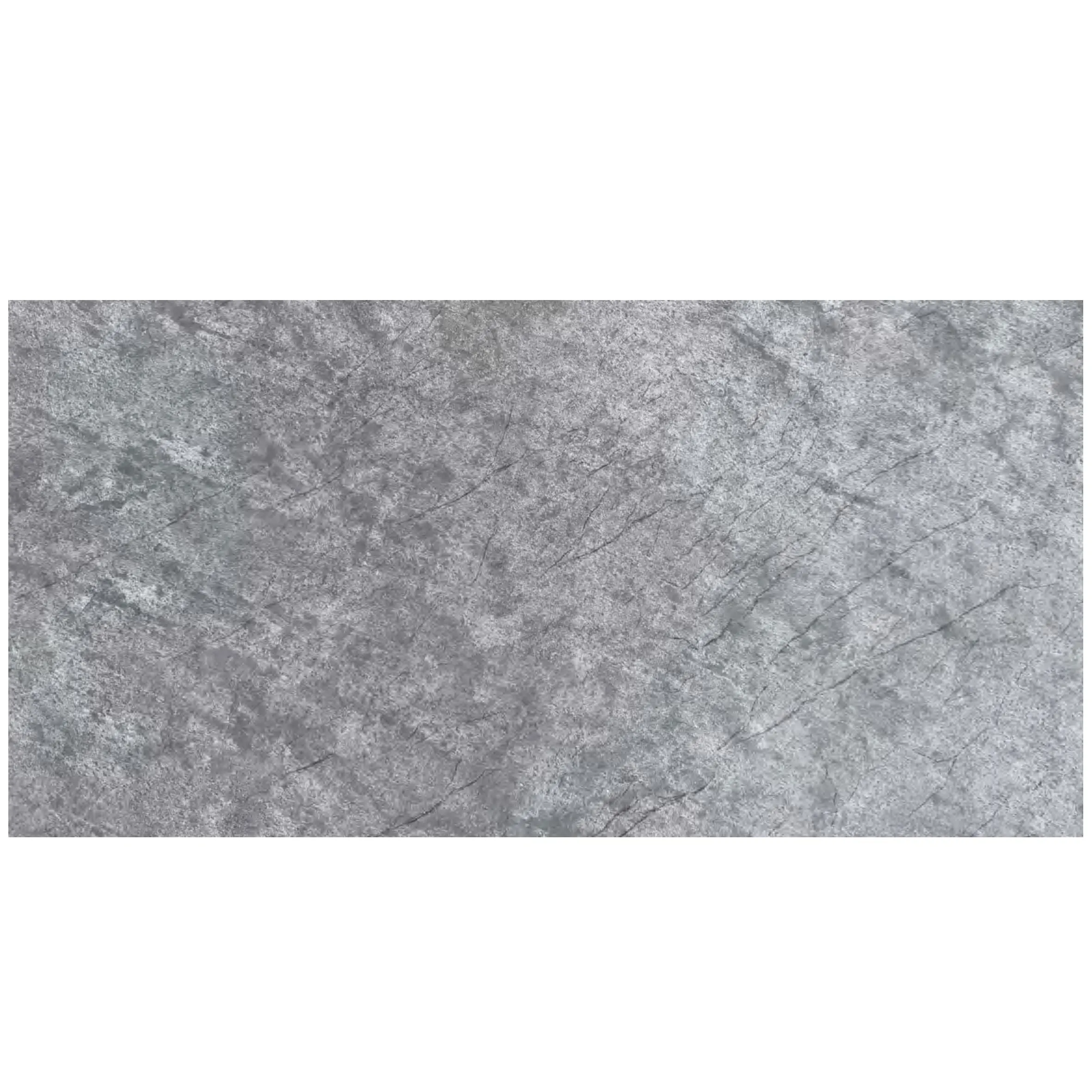
Enter Modified Composite Material (MCM) —a game-changer in the world of architectural cladding and surfacing. Designed to mimic the beauty of natural materials while packing in unmatched durability and flexibility, MCM has quickly become the go-to choice for high-traffic environments. And among its star players? Glacial Slate —a finish that captures the raw, rugged charm of natural slate formed by glacial activity, but reimagined for the demands of 21st-century schools. In this article, we'll dive into how Glacial Slate, paired with complementary MCM solutions like fair-faced concrete and foamed aluminium alloy, is transforming educational facilities into spaces that are as resilient as they are inspiring.
To understand why MCM and Glacial Slate are revolutionizing school design, let's first zoom in on the specific challenges of high-traffic areas. Think about a typical K-12 school: hallways that see hundreds of students rushing between classes, cafeterias where spills are inevitable, gymnasiums with bouncing basketballs and sliding feet, and auditoriums that host assemblies, plays, and parent nights. Each of these spaces faces unique stressors:
Take, for example, a middle school hallway with traditional ceramic tiles. After just two years, the grout lines between tiles start to crack and discolor from constant mopping and foot traffic. The tiles themselves might chip at the edges where students drag their backpacks. By year three, the hallway looks worn, requiring a full replacement that disrupts classes and costs tens of thousands of dollars. Multiply that across every high-traffic zone in a school, and the problem becomes clear: traditional materials simply aren't built to keep up.
And it's not just about cost. Safety is paramount. A cracked floor tile could lead to a student tripping; a stained, slippery cafeteria floor increases the risk of falls. Mold growth in damp areas triggers allergies. These issues aren't just inconveniences—they're barriers to creating a safe, supportive learning environment.
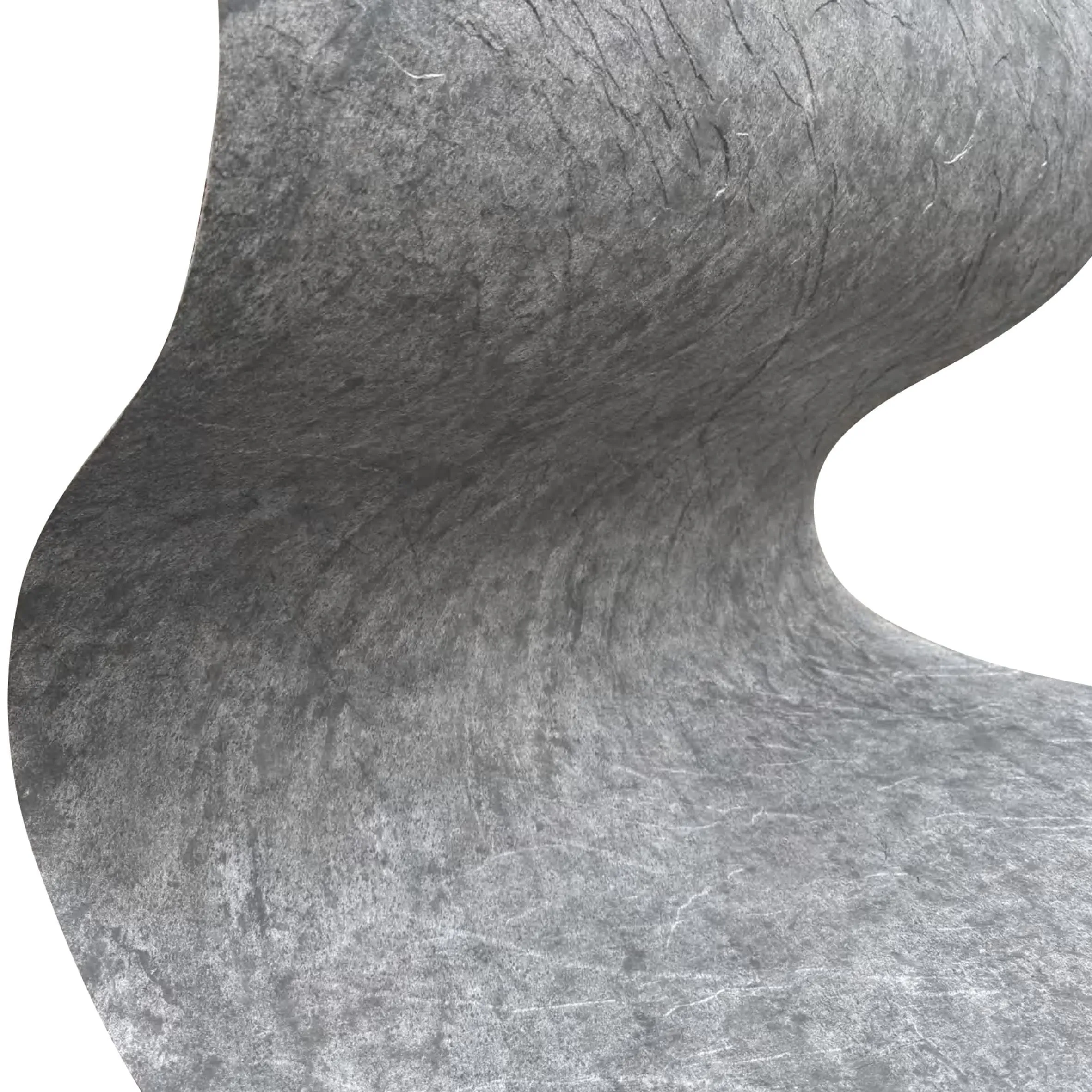
So, what makes MCM different? At its core, Modified Composite Material is a hybrid of natural minerals, polymers, and reinforcing fibers, engineered to combine the best of natural beauty and modern durability. Unlike solid stone or wood, MCM is constructed in thin layers—typically a decorative surface layer, a core of reinforced composite, and a backing layer—making it lightweight yet incredibly strong. This unique structure gives it several advantages:
But MCM isn't a one-size-fits-all solution. Within the MCM family, there are dozens of finishes and textures, each tailored to specific needs. And when it comes to high-traffic educational spaces, one finish stands out for its perfect blend of durability, aesthetics, and versatility: Glacial Slate.
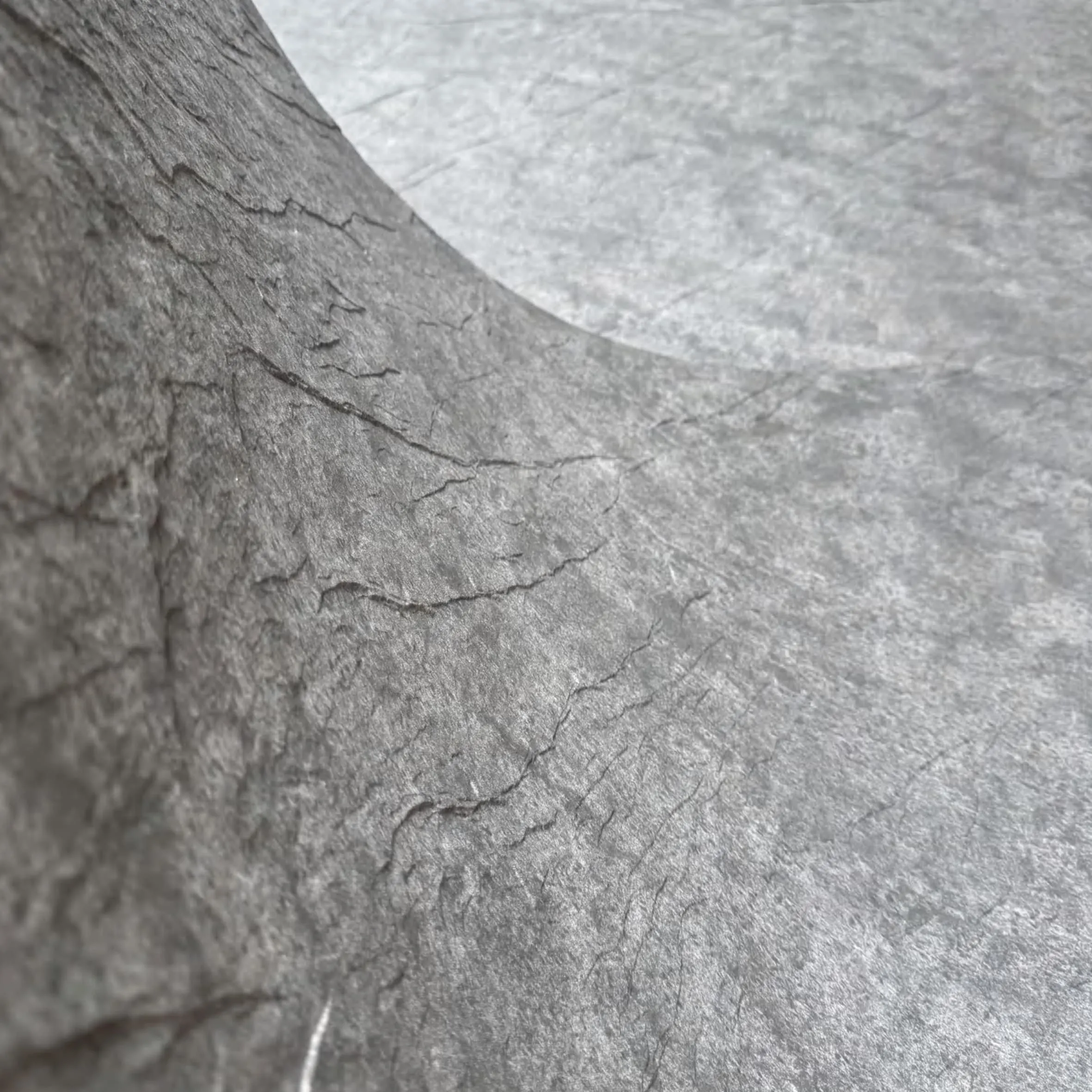
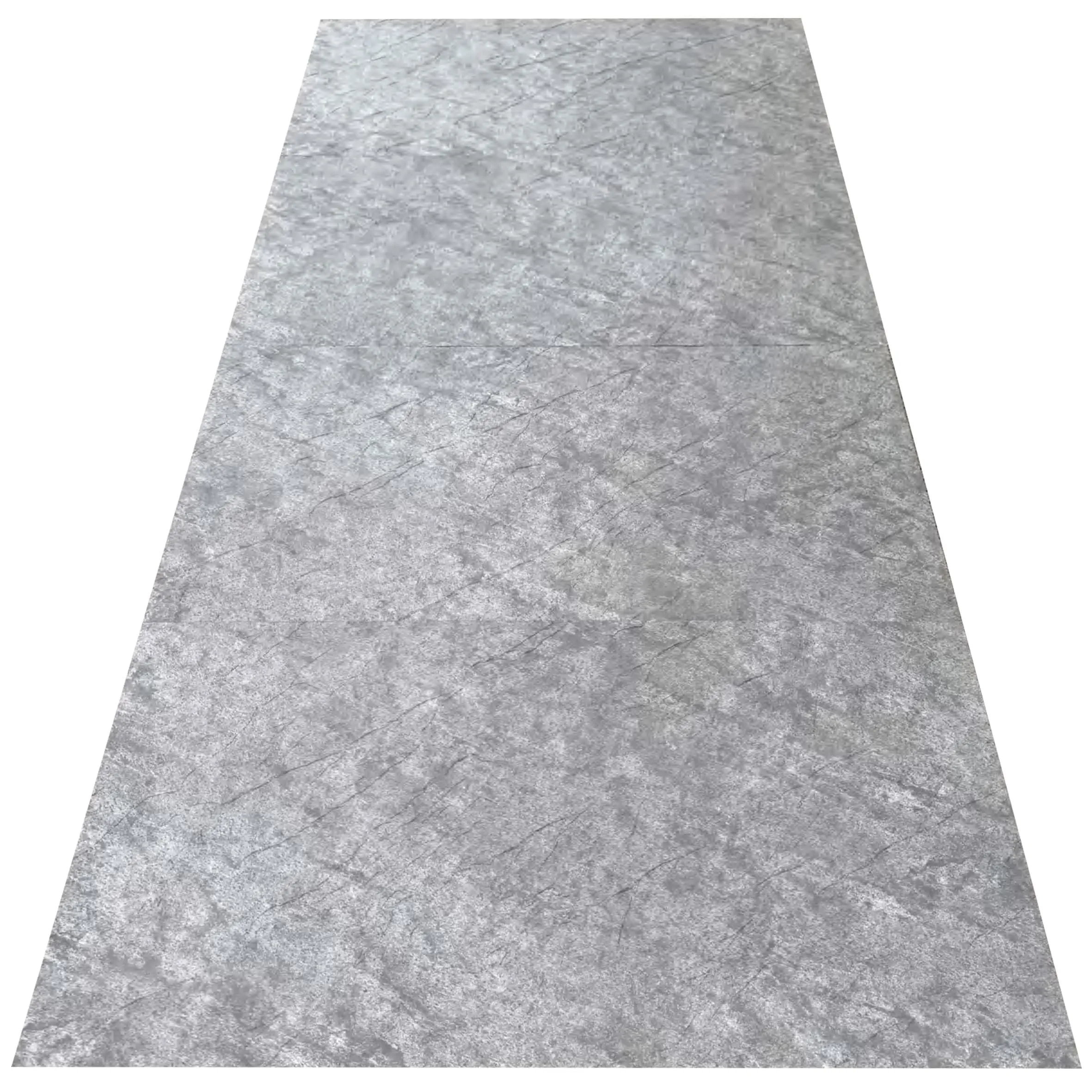
If you've ever stood at the foot of a glacier, you know the raw, timeless beauty of slate formed by centuries of ice and pressure. Glacial Slate MCM captures that essence—cool, muted grays with subtle veining, a textured surface that mimics the rough-hewn look of natural slate, and a depth that adds warmth to even the largest spaces. But unlike natural slate, which is heavy, porous, and prone to chipping, Glacial Slate MCM is built to thrive in the chaos of school life.
Let's break down why Glacial Slate is a standout choice for educational facilities:
One of the biggest complaints about synthetic materials is that they look "fake"—shiny, plastic, or overly uniform. Glacial Slate avoids that pitfall entirely. Using advanced printing and texturing techniques, MCM manufacturers replicate the unique patterns of natural glacial slate, right down to the slight color variations and surface irregularities that make stone so visually appealing. Walk into a school hallway clad in Glacial Slate, and you'd swear it's real stone—until you notice how lightweight the panels are, or how easily they've been installed on a curved wall.
This aesthetic versatility is key for schools. Many educators believe that beautiful environments enhance learning; a hallway that feels like a serene mountain lodge (rather than a sterile corridor) can calm students' nerves between classes and foster a sense of wonder. Glacial Slate brings that natural warmth without the maintenance headaches of real stone.
Remember those hallway scenes we talked about earlier—students rushing, backpacks swinging, binders bumping against walls? Glacial Slate laughs in the face of that chaos. The top layer of MCM is reinforced with aluminum or fiberglass, creating a surface that resists scratches from zippers, scuffs from shoes, and even dents from dropped books. In testing, Glacial Slate panels have withstood repeated impacts from weighted objects (simulating a falling backpack) without cracking or chipping—a feat that natural slate, with its tendency to split along cleavage planes, simply can't match.
Take a high school cafeteria, for example. Imagine a student accidentally knocking over a metal lunch tray full of spaghetti and meatballs. With natural stone, the acidic tomato sauce might stain the porous surface; with Glacial Slate, a quick wipe with a damp cloth removes the mess, leaving no trace. No scrubbing, no special cleaners, no permanent damage. That's the kind of resilience schools need.
In schools, where kids are always on the move, slip resistance is non-negotiable. Glacial Slate's textured surface provides excellent traction, even when wet. Unlike polished marble or glossy tiles, which become slippery when spilled with water or juice, Glacial Slate's micro-textured finish creates friction, reducing the risk of falls. This is especially critical in areas like cafeteria floors, locker rooms, or entryways during rainy weather.
Schools in colder climates also appreciate this feature. In winter, students track snow and ice into buildings, turning entryways into hazard zones. Glacial Slate's slip resistance adds an extra layer of safety, giving administrators peace of mind during the slushy months.
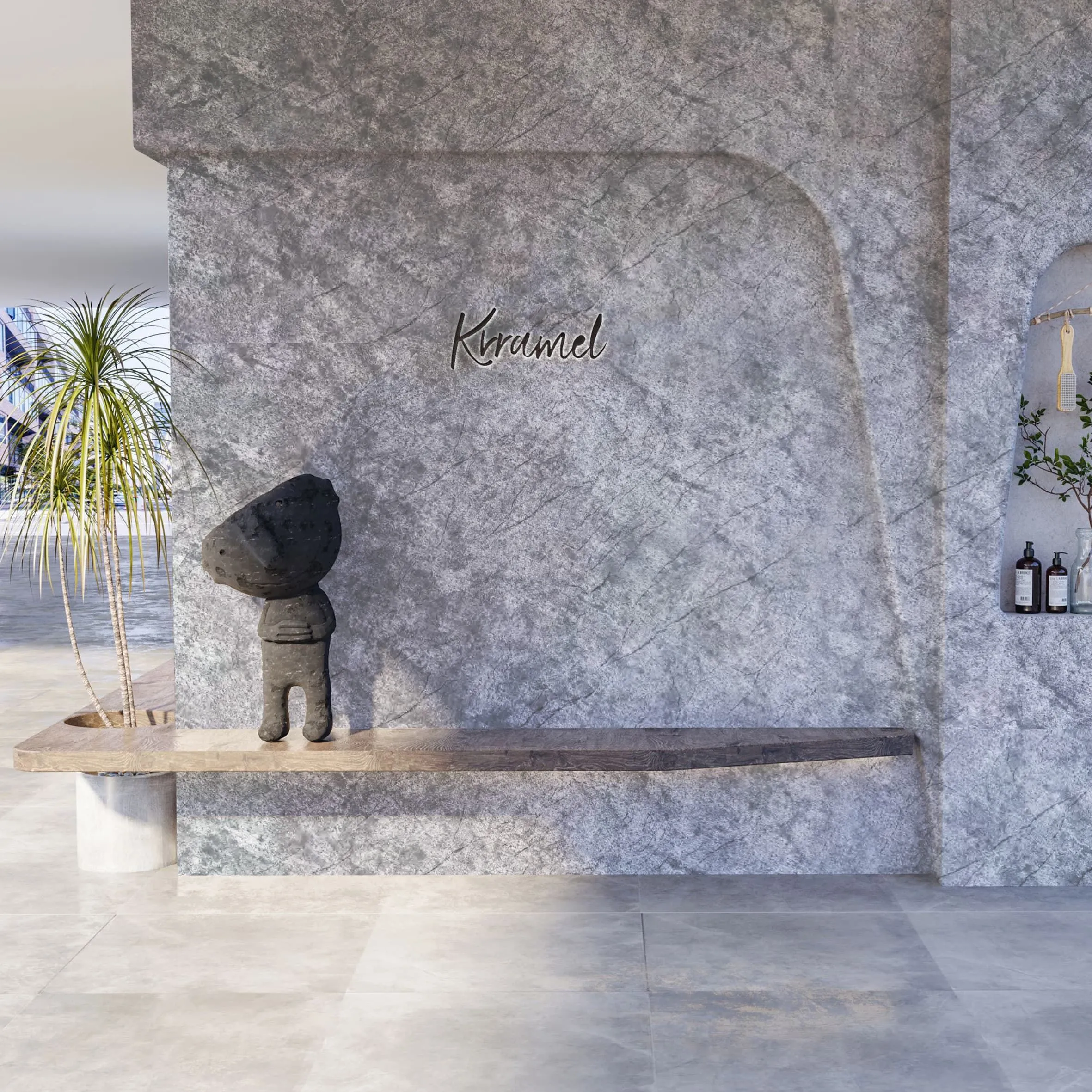
While Glacial Slate is a star player, the beauty of MCM lies in its versatility. Schools aren't monolithic spaces—they need different materials for different zones, from quiet libraries to energetic gymnasiums. Let's explore two other MCM options that pair perfectly with Glacial Slate to create cohesive, durable school environments: fair-faced concrete and foamed aluminium alloy board (vintage silver) .
Fair-faced concrete MCM might sound utilitarian, but in reality, it's a design chameleon. With its smooth, matte finish and subtle gray tones, it adds an industrial-chic vibe that works beautifully in modern school designs. Unlike traditional poured concrete, which is heavy and prone to cracking, fair-faced concrete MCM panels are lightweight, pre-finished, and ready to install. They're perfect for spaces like science labs, where a sleek, easy-to-clean surface is essential, or auditoriums, where the neutral palette lets stage lighting and student performances take center stage.
One of the best things about fair-faced concrete MCM is its ability to hide minor scuffs and stains—ideal for high-traffic walls. A quick wipe with a magic eraser removes pencil marks or fingerprints, keeping classrooms looking fresh year after year. Plus, its thermal mass properties help regulate temperature, reducing heating and cooling costs—an added bonus for budget-conscious school districts.
For spaces that need a touch of modern elegance, foamed aluminium alloy board (vintage silver) delivers. With its metallic sheen and lightweight, durable core, this MCM option is perfect for accent walls, stair risers, or even locker doors. The vintage silver finish adds warmth without being overly flashy, making it suitable for both common areas and more formal spaces like administrative offices or parent meeting rooms.
Foamed aluminium alloy MCM is particularly resistant to dents and corrosion, making it ideal for gymnasiums or sports facilities where equipment might bump against walls. It's also fire-resistant, adding an extra layer of safety to school designs. And because it's so lightweight, it can be installed on ceilings or overhead surfaces without straining building structures—great for creating dynamic, multi-dimensional spaces like media centers or art studios.
Imagine a middle school designed with these MCM materials: Glacial Slate clads the main hallway floors and lower walls, providing durability and a natural, calming vibe. Fair-faced concrete panels cover the upper walls and classroom exteriors, adding a modern, cohesive look that hides scuffs. Foamed aluminium alloy (vintage silver) accents the stairwells and auditorium stage, adding a touch of sophistication. Together, they create a space that's not only tough enough to handle daily chaos but also visually engaging—encouraging students to take pride in their environment.
To better understand how these materials stack up, let's compare their key features, best uses, and durability:
| Material Name | Key Features | Best For | Durability Rating (1-10) |
|---|---|---|---|
| Glacial Slate MCM | Natural slate appearance, slip-resistant, scratch-resistant, lightweight, moisture-resistant | Hallways, cafeteria floors, entryways, locker room walls | 9/10 |
| Fair-Faced Concrete MCM | Sleek, matte finish, thermal mass properties, hides scuffs, easy to clean | Classroom walls, science labs, auditoriums, library exteriors | 8.5/10 |
| Foamed Aluminium Alloy Board (Vintage Silver) | Metallic sheen, dent-resistant, corrosion-resistant, fire-resistant, lightweight | Accent walls, stair risers, gymnasiums, administrative offices | 9.5/10 |
| MCM Flexible Stone (General) | Versatile finishes, flexible installation, eco-friendly, low maintenance | Curved walls, custom design elements, outdoor walkways | 8/10 |
Talk is cheap—what do actual schools have to say about switching to MCM materials like Glacial Slate? Let's take a look at a case study: Lincoln Middle School, a 650-student public school in a mid-sized city, was facing a crisis in 2020. Their 1990s-era building had hallway floors that were cracked and stained, cafeteria walls that needed repainting every six months, and a gymnasium with water-damaged wood panels. The district estimated that replacing all traditional materials with new stone and hardwood would cost $1.2 million—money they simply didn't have.
Instead, they opted for an MCM overhaul, with Glacial Slate in hallways, fair-faced concrete in classrooms, and foamed aluminium alloy (vintage silver) in the gym. The total cost? $750,000—nearly 40% less than traditional materials. Four years later, the results are striking:
Lincoln isn't alone. Across the country, schools are discovering that MCM isn't just a cost-saving measure—it's an investment in their students' future. By reducing maintenance costs, improving safety, and creating more visually appealing spaces, MCM materials like Glacial Slate are helping schools focus on what matters most: education.
In today's world, sustainability isn't just a buzzword—it's a core value for many schools. Districts are setting goals to reduce carbon footprints, minimize waste, and teach students about environmental stewardship. MCM aligns perfectly with these goals, offering several eco-friendly advantages over traditional materials:
For schools teaching students about climate change and sustainability, MCM also serves as a tangible example of eco-friendly design. Imagine a science class discussing materials science—students can touch Glacial Slate panels, learn about their recycled content, and compare them to natural stone, turning the school building itself into a teaching tool.
As educational philosophies evolve—shifting toward project-based learning, collaboration, and flexible spaces—school design must evolve too. Gone are the days of rows of desks and sterile classrooms; today's schools need dynamic, adaptable environments that can transform from lecture halls to group work zones to art studios. MCM materials are poised to play a key role in this evolution.
For example, Glacial Slate's flexibility makes it ideal for curved walls in "collaboration pods"—small, circular spaces where students work in groups. Foamed aluminium alloy panels can be used to create movable room dividers, allowing teachers to reconfigure classrooms in minutes. Fair-faced concrete's thermal properties help create energy-efficient "green classrooms" with reduced heating costs. The possibilities are endless.
Looking ahead, MCM manufacturers are even experimenting with new finishes and technologies, like solar-reflective MCM for rooftops (reducing cooling costs) and antimicrobial surfaces (fighting germs in schools). As these innovations emerge, MCM will only become more integral to creating schools that are durable, beautiful, sustainable, and ready for the future of education.
Educational facilities are more than bricks and mortar—they're the backdrop to childhood, the spaces where students discover their passions, make friends, and build the foundations of their futures. These spaces deserve materials that are as resilient, adaptable, and inspiring as the students who use them. Glacial Slate, fair-faced concrete, foamed aluminium alloy, and other MCM solutions deliver on that promise, combining the beauty of natural materials with the durability of modern engineering.
From reducing maintenance costs to improving safety, from enhancing aesthetics to supporting sustainability, MCM is transforming how schools are built and maintained. It's a material that doesn't just withstand the chaos of school life—it thrives on it, growing more beautiful with time and telling the story of the students, teachers, and communities that call these spaces home.
So, the next time you walk through a school hallway with gleaming, scratch-free floors and vibrant, fresh walls, take a closer look. Chances are, you're looking at MCM in action—quietly working behind the scenes to create environments where learning can flourish, unhindered by cracked tiles, stained walls, or constant repairs. Because when schools invest in materials built for the long haul, they're not just building buildings—they're building futures.
Recommend Products












