
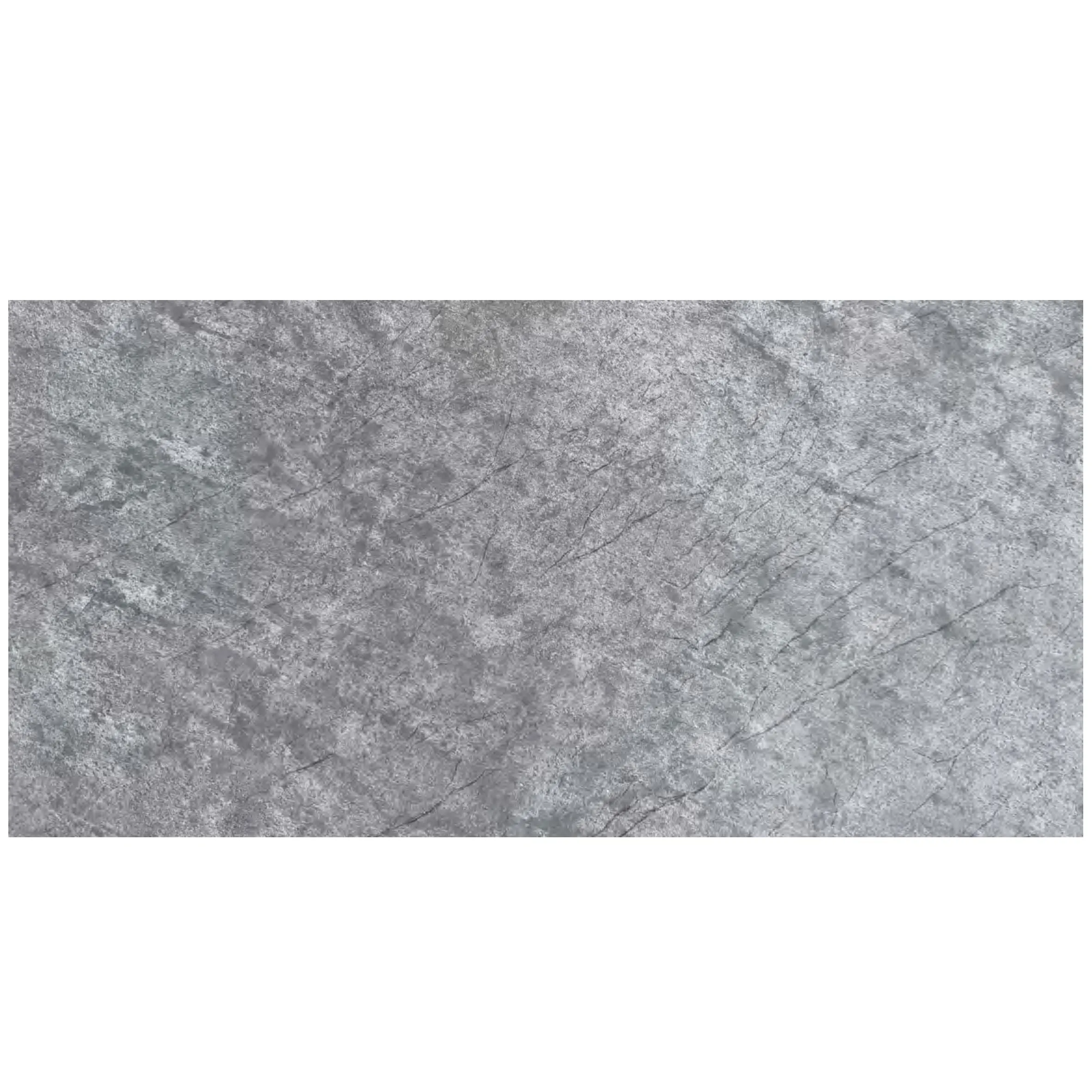
In the world of healthcare, every detail matters. From the precision of medical equipment to the comfort of a patient's bed, the environment plays an invisible yet powerful role in healing. Walk into any hospital or clinic, and you'll quickly notice that the spaces are designed with purpose—bright lighting to reduce eye strain, quiet corners to ease anxiety, and surfaces that feel clean to the touch. But one element that often goes unnoticed, yet carries immense weight, is the cladding that lines walls, corridors, and treatment areas. It's here that the choice of material can transform a sterile room into a space that feels safe, calming, and conducive to recovery. Enter glacial slate—a natural stone variant that's redefining what healthcare cladding can be. Blending uncompromising hygiene with remarkable durability and a touch of organic warmth, glacial slate isn't just a building material; it's a partner in creating healing environments. Let's explore why this stone, along with complementary solutions like mcm flexible stone and fair-faced concrete, is becoming a cornerstone of modern healthcare design.
Healthcare facilities are unlike any other space. They're high-traffic zones where the stakes are literal life and death. Think about it: a busy hospital corridor sees hundreds of footsteps daily—nurses rushing with medication carts, patients in wheelchairs, visitors carrying flowers, and cleaning staff wielding disinfectants. Walls are bumped by stretchers, scraped by IV poles, and sprayed with everything from antiseptic solutions to accidental spills. In such an environment, cladding can't just look good; it has to perform . Traditional materials often fall short here. Paint chips, wallpaper peels, and even some natural stones absorb moisture, creating breeding grounds for bacteria. Worse, many materials degrade quickly under the harsh chemicals used to sanitize surfaces, leading to frequent repairs and replacements that disrupt care and drain budgets. And let's not forget the emotional aspect: cold, industrial surfaces can amplify stress for patients already grappling with illness, making recovery feel even more daunting. Healthcare cladding needs to check three boxes: it must be hygienic, durable, and aesthetically comforting. Glacial slate, with its unique properties, checks all three—and then some.
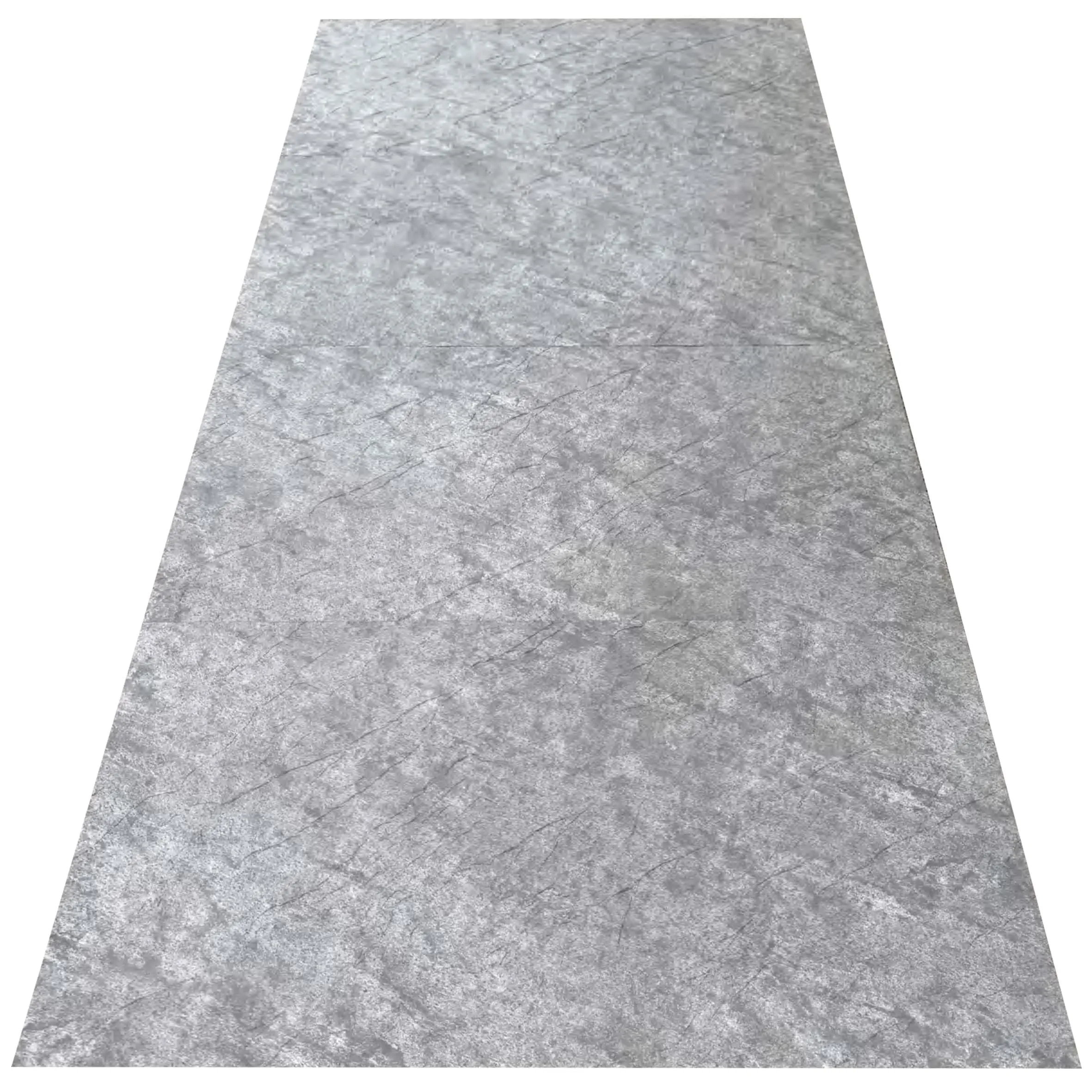
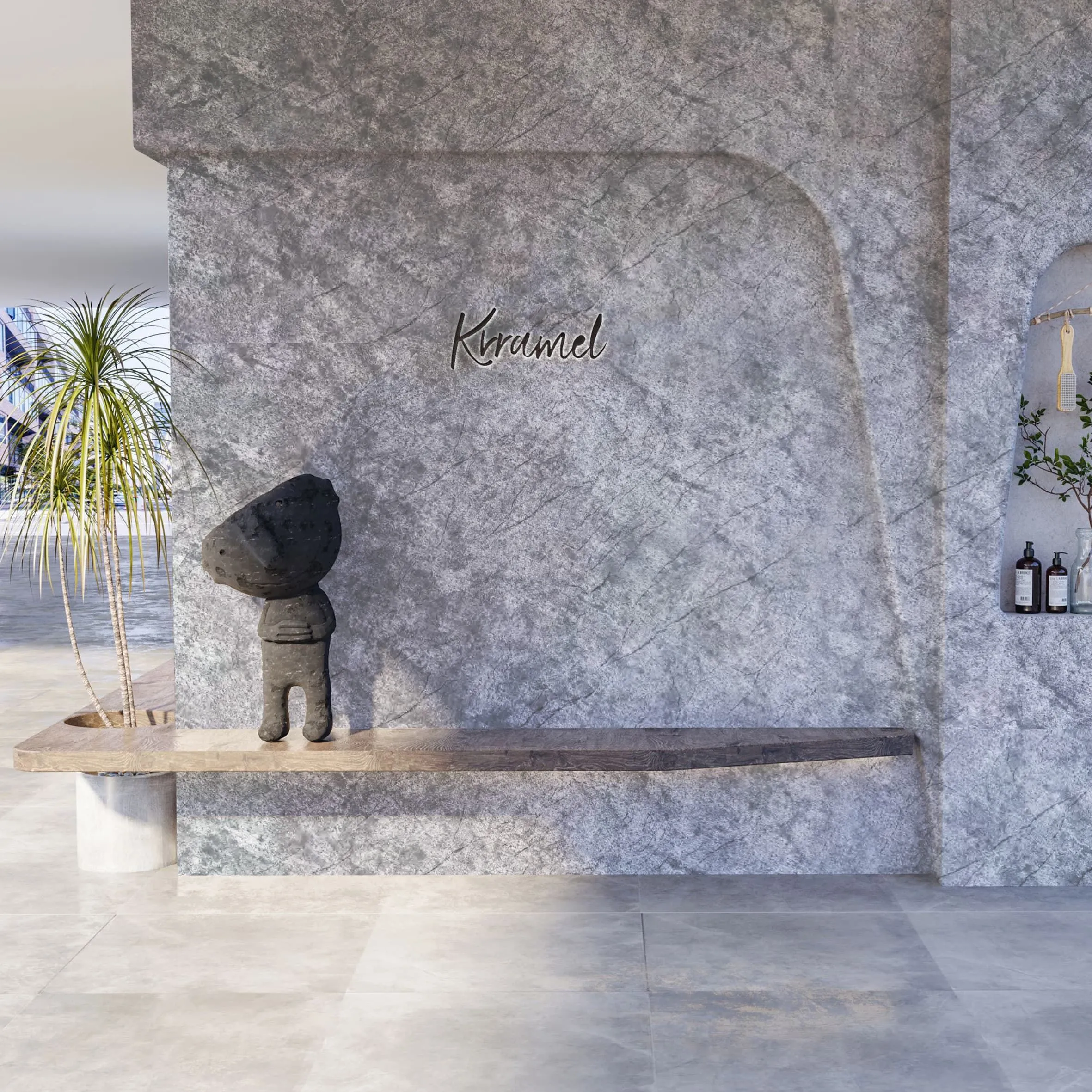
Glacial slate isn't your average stone. Formed over millennia by the slow compression of sediment and the gentle sculpting of glacial movements, it carries the resilience of the earth itself. Its surface is naturally dense and non-porous, meaning it resists water, oils, and bacteria from seeping in—a critical feature in spaces where infection control is paramount. Run your hand over a slab of glacial slate, and you'll notice a subtle texture that feels organic yet smooth, not cold or clinical. Its color palette, ranging from soft slate veil white to deep slate portoro, mirrors the calming hues of nature—think misty mountain peaks or quiet forest streams. This isn't just coincidental; studies have shown that exposure to natural elements and colors can lower stress hormones, speed up recovery times, and improve overall patient well-being. In healthcare design, where every detail impacts healing, glacial slate's ability to bridge functionality and humanity is nothing short of revolutionary.
But what truly sets glacial slate apart is its adaptability. Unlike rigid stone slabs that require heavy machinery to install and are prone to cracking under stress, modern iterations of glacial slate (often part of MCM, or Modified Composite Material, product lines) are engineered to be lightweight and flexible. This means they can be applied to curved walls, custom shapes, or even retrofitted onto existing surfaces without the need for extensive structural modifications—saving time and money during construction or renovation. Imagine a pediatric ward where the walls, clad in glacial slate, curve gently to create a playful, non-threatening space, or a mental health facility where the stone's natural texture invites patients to touch and connect with something real, grounding them in the present moment. Glacial slate doesn't just cover walls; it shapes experiences.
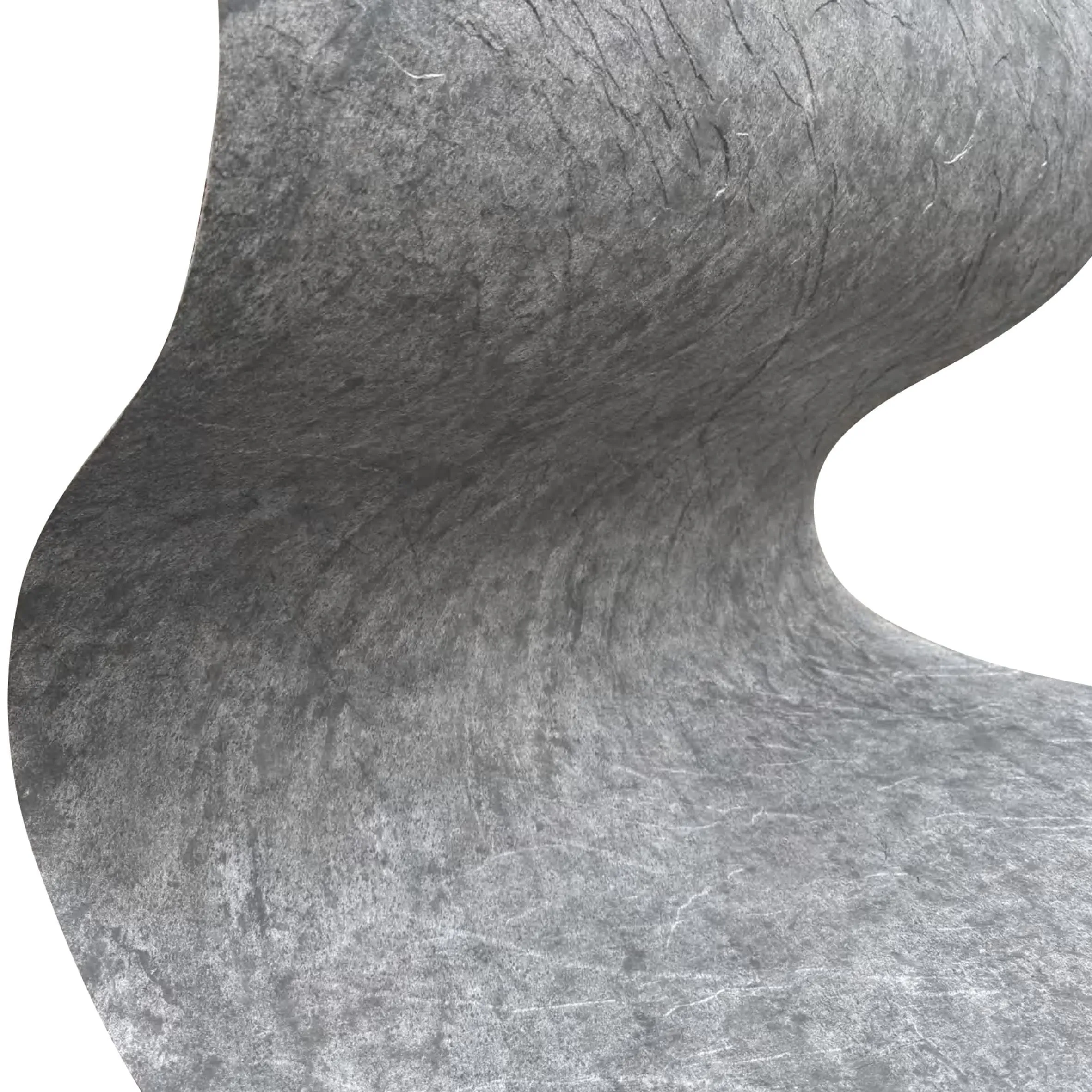
In healthcare, cleanliness isn't just a preference—it's a legal and ethical obligation. Glacial slate's non-porous surface is a nightmare for bacteria. Unlike porous materials like traditional travertine or even some types of concrete, which can trap moisture and harbor pathogens, glacial slate repels liquids. When cleaned with hospital-grade disinfectants (the kind that would eat away at painted walls or damage wallpaper), the stone holds its ground. There's no staining, no discoloration, and no risk of the material deteriorating over time. This is a huge relief for cleaning staff, who can focus on thorough sanitization without worrying about damaging the cladding. For patients and their families, it's an invisible reassurance: the walls around them aren't just clean—they're actively helping keep germs at bay.
Healthcare facilities are tough on surfaces. From the constant movement of equipment to the occasional collision with a gurney, walls take a beating. Glacial slate is built to withstand this chaos. Its dense composition resists scratches, dents, and chips, even under heavy use. Unlike wood, which can warp or rot, or vinyl, which can peel, glacial slate maintains its integrity for decades. This longevity translates to lower maintenance costs over time—no need for frequent repaints, repairs, or replacements. For hospital administrators, this is a budget win; for staff, it means one less thing to worry about in an already stressful environment. Imagine a busy emergency department where the walls, clad in glacial slate, still look fresh and unmarked years after installation, despite the daily hustle and bustle. That's the durability we're talking about.
Healing isn't just physical—it's emotional. A sterile, colorless room can make a patient feel isolated and anxious, while a space that feels warm and inviting can foster hope and calm. Glacial slate excels here. Its natural variations in color and texture—subtle veins of gray, hints of blue, or flecks of silver—create visual interest without being overwhelming. In a waiting room, walls clad in slate veil white can reflect soft light, making the space feel airy and open, while a treatment room with slate portoro accents can add depth and warmth, like a cozy cave that feels safe and protected. For children, the stone's texture can even become a point of curiosity—a distraction from fear. One pediatric hospital in Sweden, which installed glacial slate in its play therapy area, reported that young patients often traced the stone's patterns with their fingers, using it as a tool to express emotions. In healthcare, where engagement and distraction are powerful healing tools, this kind of interaction is priceless.
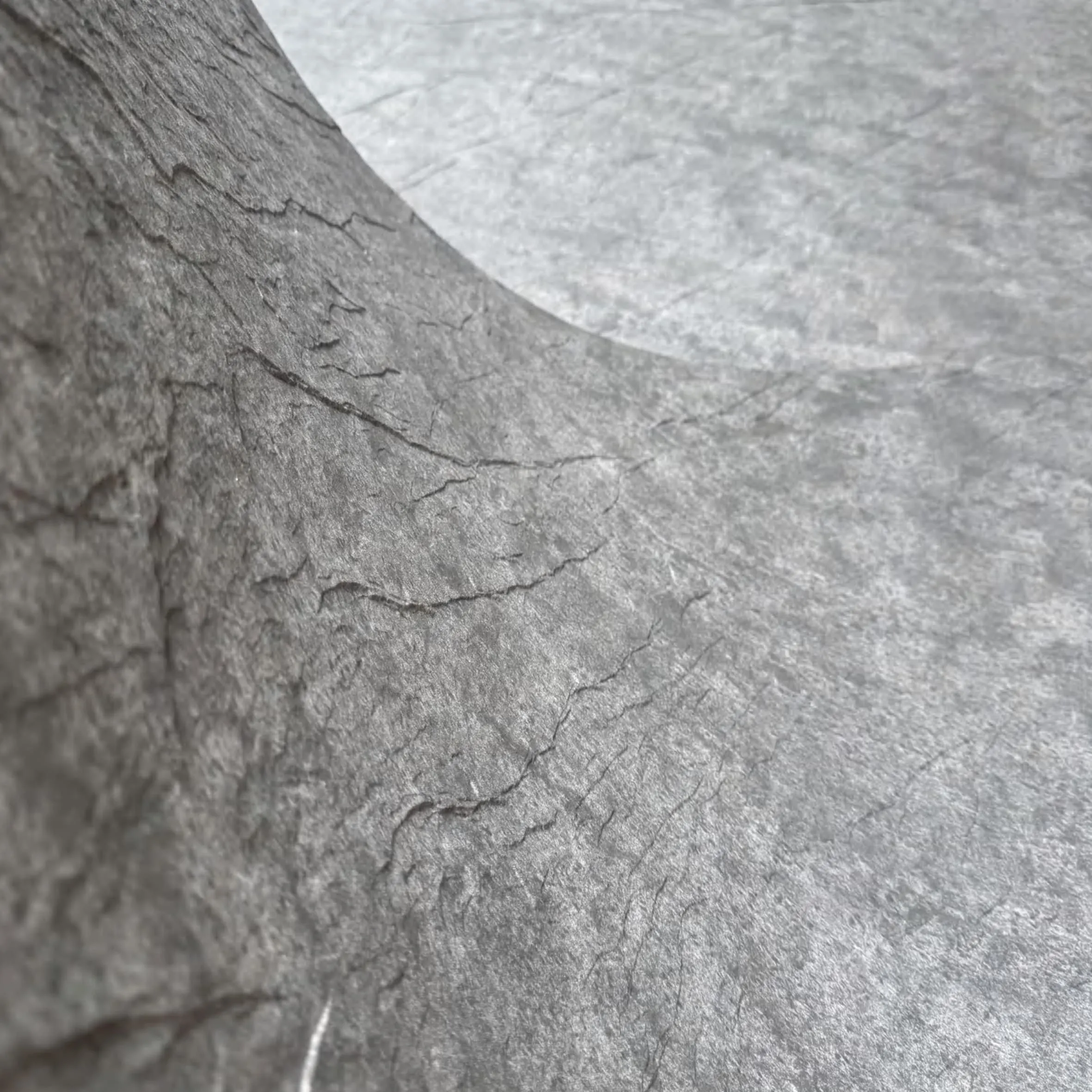
While glacial slate is a star player in healthcare cladding, it rarely works alone. Modern healthcare design thrives on layering materials to create dynamic, functional spaces. That's where complementary MCM products come in, each addressing specific needs while enhancing the overall aesthetic. Let's take a closer look at a few key players:
In spaces where flexibility is key—think curved nurse stations, custom-built reception desks, or rounded wall niches—mcm flexible stone shines. As part of the MCM project board series, this material combines the look and feel of natural stone with the flexibility of a thin, lightweight panel. It can be bent, cut, or shaped to fit even the most intricate designs, making it ideal for creating unique focal points. Imagine a maternity ward where the walls, clad in mcm flexible stone mimicking the texture of bamboo mat board, create a warm, nurturing environment that feels more like a home than a hospital. Or a rehabilitation center where curved walls, covered in the stone's soft texture, encourage patients to move freely without fear of sharp edges. MCM flexible stone doesn't just complement glacial slate; it extends its design possibilities, proving that functionality and creativity can go hand in hand.
For healthcare facilities aiming for a clean, modern aesthetic, fair-faced concrete is a perfect partner for glacial slate. Unlike traditional concrete, which is often rough and industrial, fair-faced concrete is finished to a smooth, uniform surface that exudes understated elegance. Its neutral tone—think soft grays or warm beiges—pairs beautifully with glacial slate's natural hues, creating a balanced palette that feels both contemporary and grounded. In a hospital lobby, fair-faced concrete walls can serve as a sleek backdrop for glacial slate accents, like a feature wall or reception desk, adding depth without overwhelming the space. In diagnostic areas, where clarity and focus are key, the material's simplicity helps reduce visual clutter, allowing medical staff to concentrate on their work. And like glacial slate, fair-faced concrete is highly durable and easy to clean, making it a practical choice for high-traffic zones.
When it comes to floors and high-traffic wall areas (like corridor wainscoting), polish concrete is a workhorse. Treated with a high-gloss finish, it's not only resistant to scratches and stains but also reflects light, brightening up spaces and reducing the need for artificial lighting. Its smooth surface is a breeze to clean, and it pairs seamlessly with glacial slate walls, creating a cohesive look that flows from floor to ceiling. Imagine a busy hospital corridor where the polish concrete floor gleams underfoot, reflecting the soft texture of the glacial slate walls above. The combination feels open, clean, and modern, yet warm enough to avoid feeling sterile. For areas like cafeterias or administrative offices, polish concrete adds a touch of sophistication while standing up to the daily wear and tear of hundreds of footsteps.
To truly appreciate glacial slate's value, it helps to see how it stacks up against other common healthcare cladding materials. The table below compares glacial slate with fair-faced concrete, polish concrete, and traditional travertine across key criteria:
| Material | Hygiene (Resistance to Bacteria/Moisture) | Durability (Scratch/Impact Resistance) | Maintenance (Ease of Cleaning/Repairs) | Aesthetics (Warmth/Natural Appeal) |
|---|---|---|---|---|
| Glacial Slate | Excellent (Non-porous, repels liquids) | Excellent (Resists scratches, dents, chips) | Low (Easy to clean with disinfectants, no staining) | High (Natural texture, calming color palette) |
| Fair-Faced Concrete | Very Good (Dense surface, minimal porosity) | Very Good (Resistant to impacts, long-lasting) | Low (Smooth surface, easy to wipe clean) | Moderate (Sleek, modern; less organic texture) |
| Polish Concrete | Very Good (Non-porous when sealed) | Excellent (Highly resistant to scratches, wear) | Low (Glossy finish resists stains, easy to sanitize) | Moderate (Shiny, contemporary; lacks natural texture) |
| Traditional Travertine | Poor (Porous, traps moisture and bacteria) | Moderate (Prone to scratches, requires sealing) | High (Needs regular sealing, stains easily) | High (Natural beauty but high maintenance) |
As the table shows, glacial slate outperforms traditional materials like travertine in hygiene and durability while matching or exceeding the aesthetic appeal. When paired with fair-faced concrete and polish concrete, it creates a cladding ecosystem that addresses every need of a healthcare facility—from infection control to patient comfort.
To understand the impact of glacial slate, let's look at a real-world example: the renovation of Mercy General Hospital's pediatric wing in 2023. The hospital wanted to create a space that felt less like a medical facility and more like a nurturing environment for children and their families. The design team chose glacial slate (specifically slate veil white and slate portoro) for the main walls, paired with mcm flexible stone in bamboo mat board texture for accent walls and fair-faced concrete for the reception area. The results were striking: patient satisfaction scores increased by 28% in the first six months, with families noting that the space felt "calming" and "less scary." Cleaning staff reported spending 15% less time on wall maintenance, as the glacial slate was easier to sanitize and showed no signs of wear. Even the young patients responded positively—many drew pictures of the "mountain walls" in their art therapy sessions, using the stone's texture as inspiration. For Mercy General, glacial slate wasn't just a cladding choice; it was an investment in healing.
Another example is the Riverview Rehabilitation Center, which used glacial slate and polish concrete in its therapy gyms. The combination of the stone's natural texture and the concrete's glossy finish created a space that felt both energizing and grounded, encouraging patients to stay motivated during their recovery. Physical therapists noted that patients seemed more willing to engage in exercises when surrounded by the warm, natural materials, compared to the previous industrial-style gym. It's a small change, but one that had a big impact on outcomes.
In healthcare, every choice we make sends a message to patients, staff, and families. It says, "We care about your safety. We care about your comfort. We care about your healing." Glacial slate, with its unbeatable combination of hygiene, durability, and emotional resonance, sends that message loud and clear. It's a material that works as hard as the healthcare professionals who walk these halls—resilient, reliable, and deeply human. When paired with complementary MCM solutions like mcm flexible stone, fair-faced concrete, and polish concrete, it creates environments that don't just treat illness—they nurture recovery. As we continue to reimagine healthcare design, let's remember that the walls around us aren't just structures; they're partners in healing. Glacial slate isn't just changing how healthcare facilities look—it's changing how they feel. And in the end, that's what truly matters.
Recommend Products












