
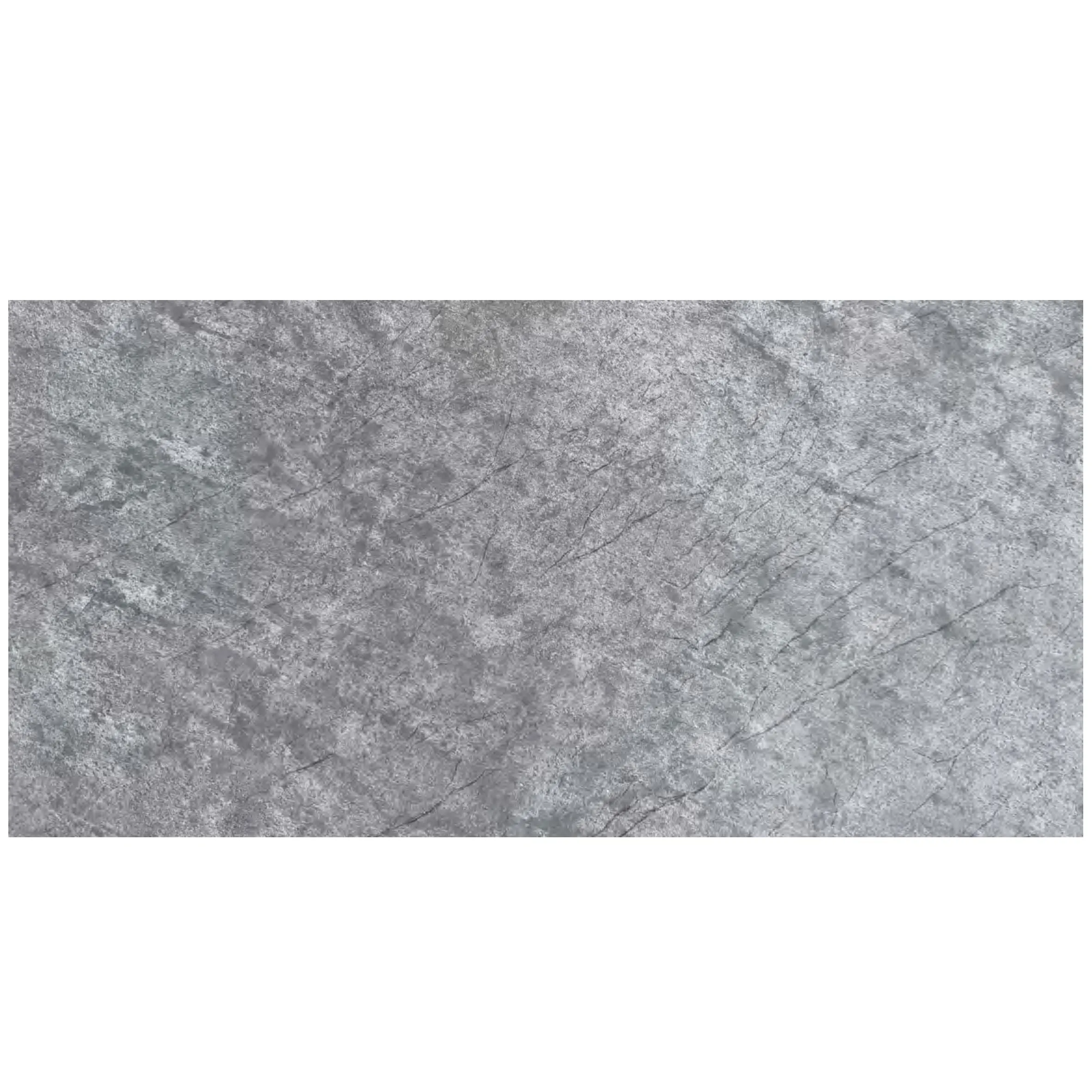
In the world of luxury hospitality, every detail matters. From the moment a guest steps through the lobby doors to the quiet moments they spend in their suite, the materials that shape a hotel's spaces play a pivotal role in crafting unforgettable experiences. Today's luxury hotels aren't just places to stay—they're immersive environments where design tells a story, and durability ensures that story endures. Among the materials redefining this balance, one stands out for its striking beauty and steadfast resilience: glacial slate. Let's dive into how this remarkable stone is transforming luxury hotel design, blending timeless elegance with the strength to withstand the demands of high-end hospitality.
Glacial slate isn't just a building material—it's a piece of Earth's history, forged by the slow, grinding power of ancient glaciers. Formed from sedimentary rock compressed over millennia, its layers tell a story of time itself, with each split revealing a unique pattern of grays, blues, and silvers that mimic the frozen landscapes it hails from. Unlike uniform synthetic materials, glacial slate boasts a natural variability that adds depth to any space. Its surface, often rough-hewn or subtly honed, invites touch, creating a sensory experience that synthetic alternatives simply can't replicate.
What truly sets glacial slate apart, though, is its ability to shift with light. In the soft glow of a lobby chandelier, its cool gray tones warm to a silvery sheen; under sunlight, flecks of mica catch the rays, adding a subtle shimmer that feels both organic and opulent. This versatility makes it a favorite among designers aiming to create spaces that feel dynamic yet grounded—qualities essential in luxury hotels, where ambiance can make or break a guest's perception of comfort and exclusivity.
Take, for example, the trend of "biophilic design" in hospitality, which seeks to connect guests with nature. Glacial slate aligns perfectly with this ethos, bringing the raw beauty of mountainous landscapes indoors. Whether used as a feature wall in a lobby or as flooring in a spa, it evokes a sense of calm and timelessness, making guests feel as though they've stepped into a sanctuary rather than a commercial space. It's no wonder that top hoteliers are turning to glacial slate to craft environments that feel both luxurious and authentic.
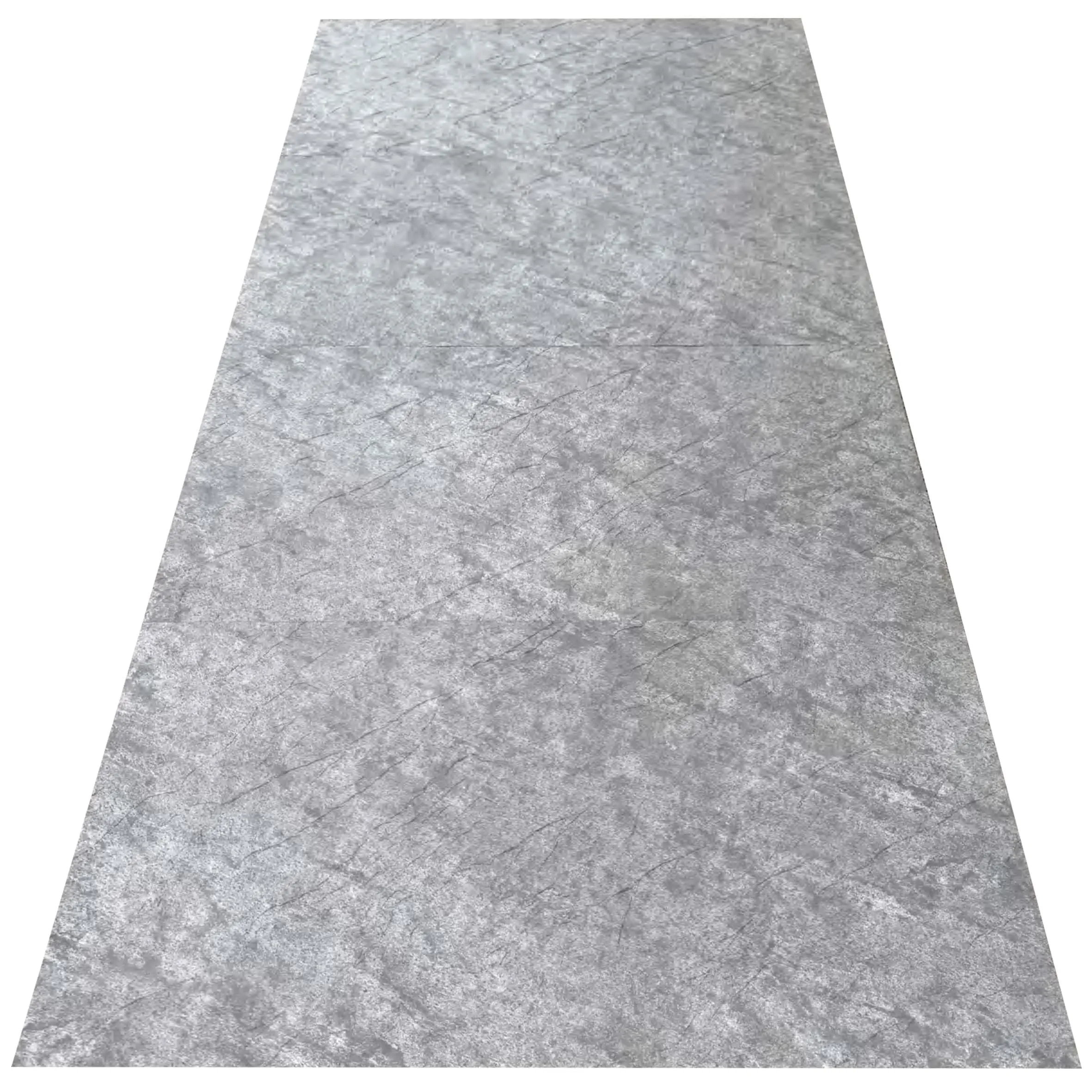
Luxury hotels face unique challenges when it comes to materials. High foot traffic, exposure to the elements (for exterior applications), and the need for low-maintenance surfaces that still look immaculate—these are non-negotiable demands. Glacial slate excels here, thanks to its inherent toughness. Let's break down why it's a practical choice for even the busiest spaces:
Fun Fact: Glacial slate's durability isn't just modern-day lore. In parts of Europe, historic buildings dating back centuries feature slate roofs and walls that still protect their interiors—proof that this material is built to last, even in the face of time itself.
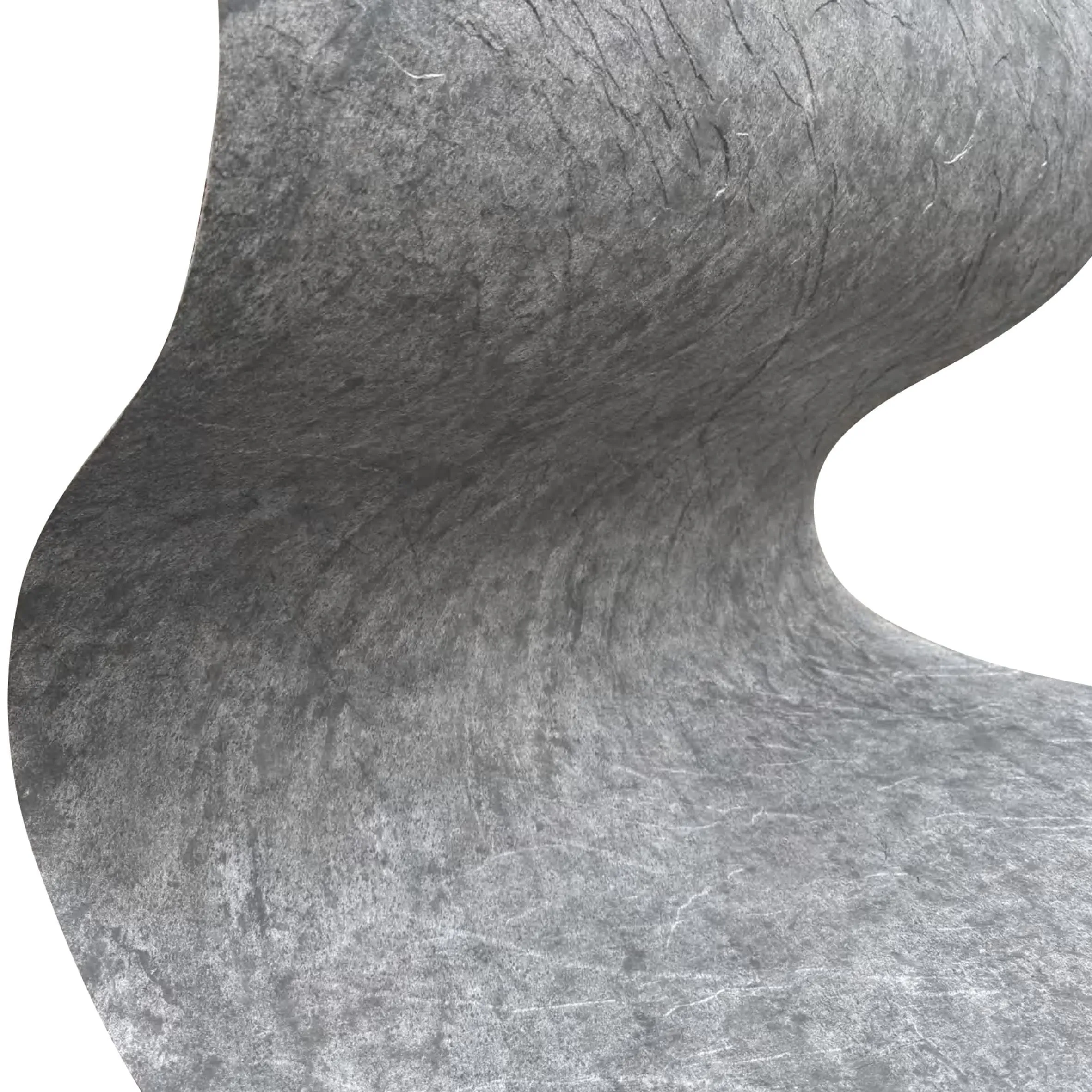
One of the most exciting aspects of glacial slate is its versatility. It seamlessly transitions from bold, statement-making applications to subtle, understated accents, making it suitable for every corner of a luxury hotel. Let's explore how designers are using it across different spaces:
The lobby is a hotel's calling card, and glacial slate is helping designers create entrances that wow. Imagine walking into a five-star hotel where a 20-foot glacial slate feature wall dominates the space, its layers of blue-gray stone offset by warm wood accents and soft lighting. The stone's natural texture contrasts with sleek metal fixtures, creating a balance of ruggedness and refinement. Some hotels even pair glacial slate with travertine (starry blue) in lobby floors—a striking combination where the slate's matte finish grounds the space, while the travertine's subtle, star-like veining adds a touch of whimsy and color.
In guest rooms, glacial slate takes a more understated role, focusing on comfort and durability. Many luxury hotels use it as a backsplash in bathroom vanities, where its water resistance and easy-to-clean surface shine. A honed glacial slate countertop paired with white marble sinks creates a spa-like feel, while slate flooring in walk-in showers adds traction and a natural, earthy vibe. Even small touches, like a slate-topped nightstand or a decorative slate tile inset in a wooden accent wall, bring texture and depth to rooms without overwhelming the senses.
Exterior design is where glacial slate truly shines, especially for hotels nestled in scenic locations. Whether used as cladding for a mountain lodge or as patio flooring for a beachfront resort, it blends with natural surroundings while adding a touch of sophistication. For example, a luxury eco-resort might use glacial slate for its outdoor dining terraces, pairing it with oasis stone —a warm, sand-colored material that complements the slate's cool tones, creating a palette that mirrors the surrounding desert and mountain landscapes. The result? A space that feels both integrated with nature and distinctly upscale.
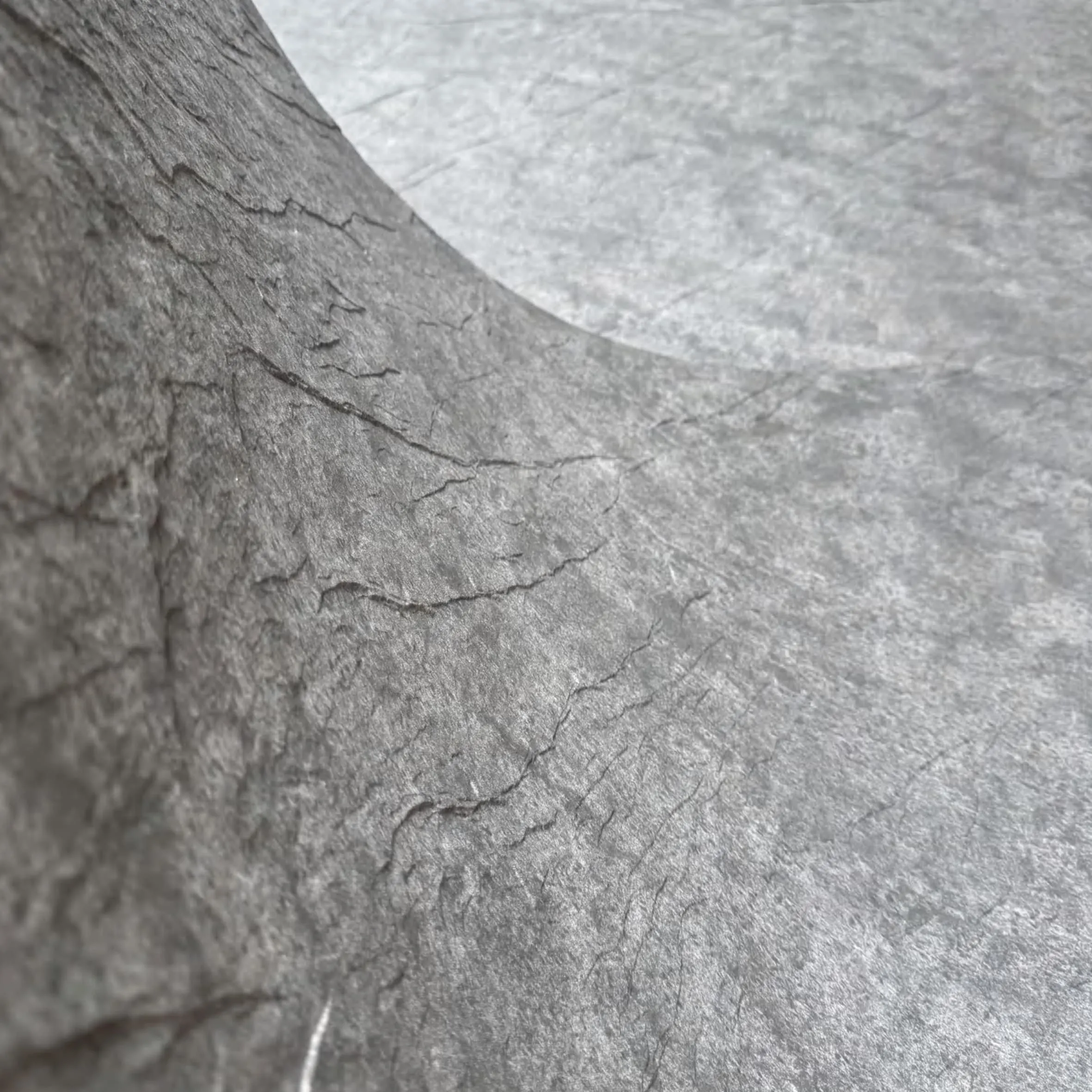
Great design is about balance, and glacial slate plays well with others. In luxury hotels, it's often paired with materials that enhance its strengths, creating layered, visually engaging spaces. Let's take a closer look at how it complements two standout materials: fair-faced concrete and travertine (starry blue).
| Material | Key Features | Best Paired With Glacial Slate For: | Durability Rating | Aesthetic Notes |
|---|---|---|---|---|
| Glacial Slate | Natural gray-blue layers, rough or honed texture, weather-resistant | Lobbies, exteriors, spa walls | Excellent (9/10) | Organic, dynamic, evokes mountain landscapes |
| Fair-Faced Concrete | Smooth, industrial-chic finish, customizable color, high compressive strength | Modernist lobbies, structural elements | Very Good (8/10) | Clean, minimalist, contrasts with slate's texture |
| Travertine (Starry Blue) | Light blue base with crystalline "stars," porous yet durable | Pool areas, accent walls, bathroom flooring | Good (7.5/10) | Soft, ethereal, adds color without overwhelming |
| Oasis Stone | Earthy beige tones, subtle veining, warm texture | Outdoor terraces, desert-themed spaces | Very Good (8/10) | Warm, grounding, balances slate's coolness |
Take the example of a hotel with a modernist design ethos. Here, glacial slate might clad the lower half of a lobby wall, its rough texture adding warmth, while the upper half features fair-faced concrete—smooth, gray, and sleek. The contrast between the two materials creates visual interest, with the concrete's uniformity highlighting the slate's organic variation. Together, they strike a balance between industrial edge and natural warmth, appealing to guests who crave both modernity and authenticity.
In more serene spaces, like a hotel spa, glacial slate and travertine (starry blue) become a match made in design heaven. Imagine a treatment room where the walls are lined with glacial slate, their cool tones promoting relaxation, and the floor features travertine (starry blue), its subtle blue hue and crystalline "stars" mimicking a night sky. The combination feels both calming and luxurious, turning a simple spa visit into a sensory journey.
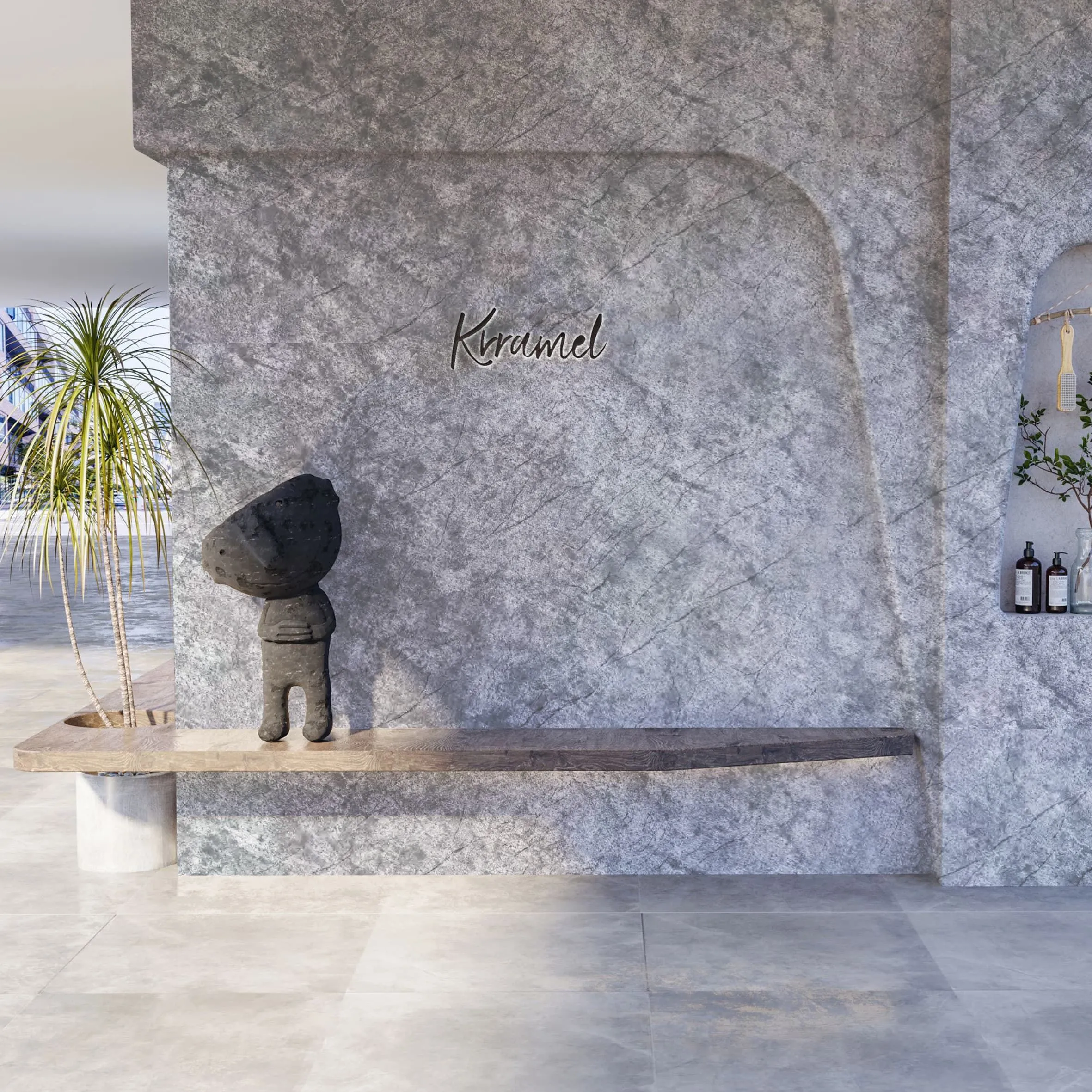
To truly understand glacial slate's impact, let's step into a hypothetical (but realistic) luxury hotel: The Azure Peaks Resort, a five-star property nestled in the Swiss Alps. When the resort underwent a $20 million renovation in 2023, designers chose glacial slate as the cornerstone of their vision, aiming to blend alpine tradition with contemporary luxury. Here's how it played out:
The Lobby: The centerpiece is a 30-foot glacial slate feature wall, split into irregular panels to mimic the jagged peaks outside. Behind the reception desk, backlit glacial slate slabs glow softly, their layers creating a dynamic backdrop for the hotel's logo. Flooring combines large-format glacial slate tiles with heated underfloor heating, ensuring guests' feet stay warm even on the coldest days. Paired with reclaimed wood beams and a fireplace clad in fair-faced concrete , the space feels both grand and cozy.
Guest Suites: In premium suites, glacial slate lines the walls of the bathrooms, paired with travertine (starry blue) countertops. The shower floors feature honed glacial slate for traction, while a small slate accent wall behind the bed adds texture without overwhelming the room's neutral palette. Guests often comment on how the stone's cool touch and natural pattern make the space feel "connected to the mountains outside," enhancing their sense of escape.
Exterior and Amenities: The resort's outdoor infinity pool is surrounded by glacial slate decking, which remains slip-resistant even when wet—a critical safety feature in a snowy climate. The pool's edge is lined with oasis stone , its warm beige tones contrasting with the slate's grays and the pool's blue water, creating a postcard-perfect scene. Meanwhile, the spa's relaxation lounge features a glacial slate meditation wall, where soft lighting highlights the stone's layers, encouraging guests to unwind.
Since the renovation, The Azure Peaks Resort has seen a 15% increase in guest satisfaction scores, with many reviewers specifically mentioning the "stunning, natural materials" as a highlight of their stay. Maintenance staff report minimal issues with the slate, noting that even high-traffic areas like the lobby floor have retained their appearance after a year of use—a testament to the material's durability.
In today's hospitality industry, sustainability isn't just a buzzword—it's a core value for guests and hoteliers alike. Glacial slate aligns with this ethos in several ways. First, it's a natural, abundant resource, often quarried using eco-friendly practices that minimize environmental impact. Unlike synthetic materials, which rely on fossil fuels for production, glacial slate requires minimal processing beyond cutting and finishing, reducing its carbon footprint.
Additionally, its longevity means less frequent replacement, which lowers waste over time. A hotel that installs glacial slate flooring today won't need to replace it for decades, unlike carpet or vinyl, which may need updating every 5–10 years. This durability also reduces the need for harsh cleaning chemicals, as slate can be maintained with simple, eco-friendly products. For luxury hotels aiming to achieve LEED or Green Key certifications, these factors make glacial slate an attractive choice.
In the competitive world of luxury hospitality, standing out requires materials that do more than look good—they need to tell a story, perform flawlessly, and align with evolving guest expectations. Glacial slate does all this and more. Its natural beauty captivates, its durability ensures it endures, and its versatility allows designers to craft spaces that feel both unique and timeless.
Whether paired with fair-faced concrete for a modernist lobby, travertine (starry blue) for a serene spa, or oasis stone for an outdoor terrace, glacial slate brings a sense of authenticity and resilience that synthetic materials can't match. It's a material that respects the past—formed by ancient glaciers—and embraces the future, meeting the demands of sustainable, high-end design.
For hoteliers and designers looking to create spaces that leave a lasting impression, glacial slate isn't just a choice—it's a statement. It says, "We value beauty, we prioritize quality, and we're committed to crafting experiences that stand the test of time." And in luxury hospitality, that's a message guests are eager to receive.
Recommend Products












