
How a timeless material is redefining modern workspace design—one slab at a time
Step into a contemporary office lobby today, and you'll notice something different. Gone are the days of sterile, cookie-cutter spaces draped in generic drywall and basic paint. Modern workplaces have evolved into extensions of brand identity—living, breathing environments that tell a story, foster creativity, and make employees and clients alike feel seen . At the heart of this transformation? Materials that don't just serve a function, but evoke emotion. And among these, glacial slate has emerged as a quiet standout—a material that marries the raw beauty of nature with the precision of cutting-edge technology, thanks to Modified Composite Material (MCM) innovation.
But what makes glacial slate so special? Why are architects and designers across industries reaching for it when crafting spaces that need to balance professionalism with personality? Let's dive in. From its icy, veined texture that feels both ancient and futuristic to its practical perks as an MCM flexible stone, glacial slate isn't just a surface—it's a design philosophy. And when paired with complementary materials like fair-faced concrete, wood grain board, or even foamed aluminium alloy board (vintage silver), it creates environments that don't just look professional—they feel alive.
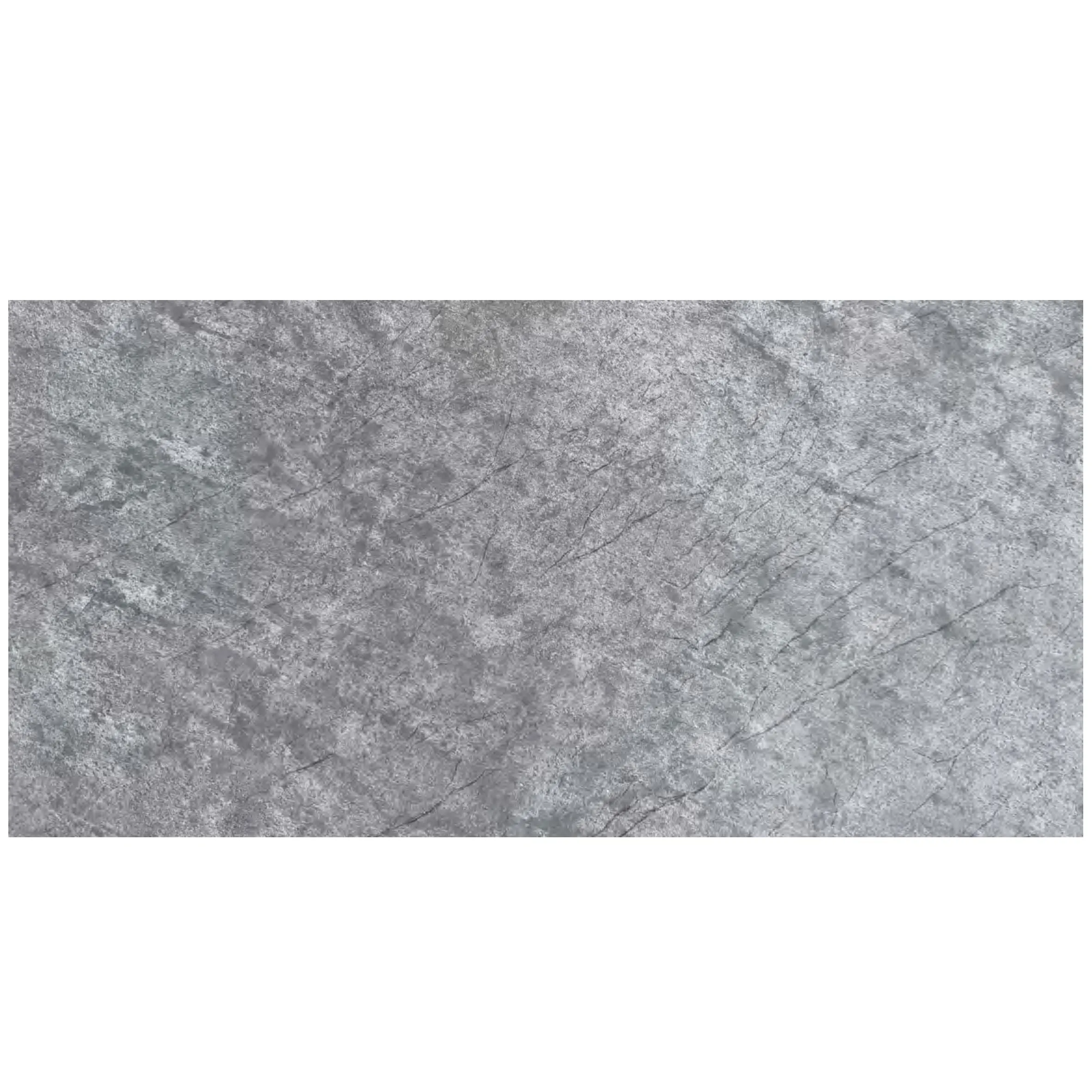
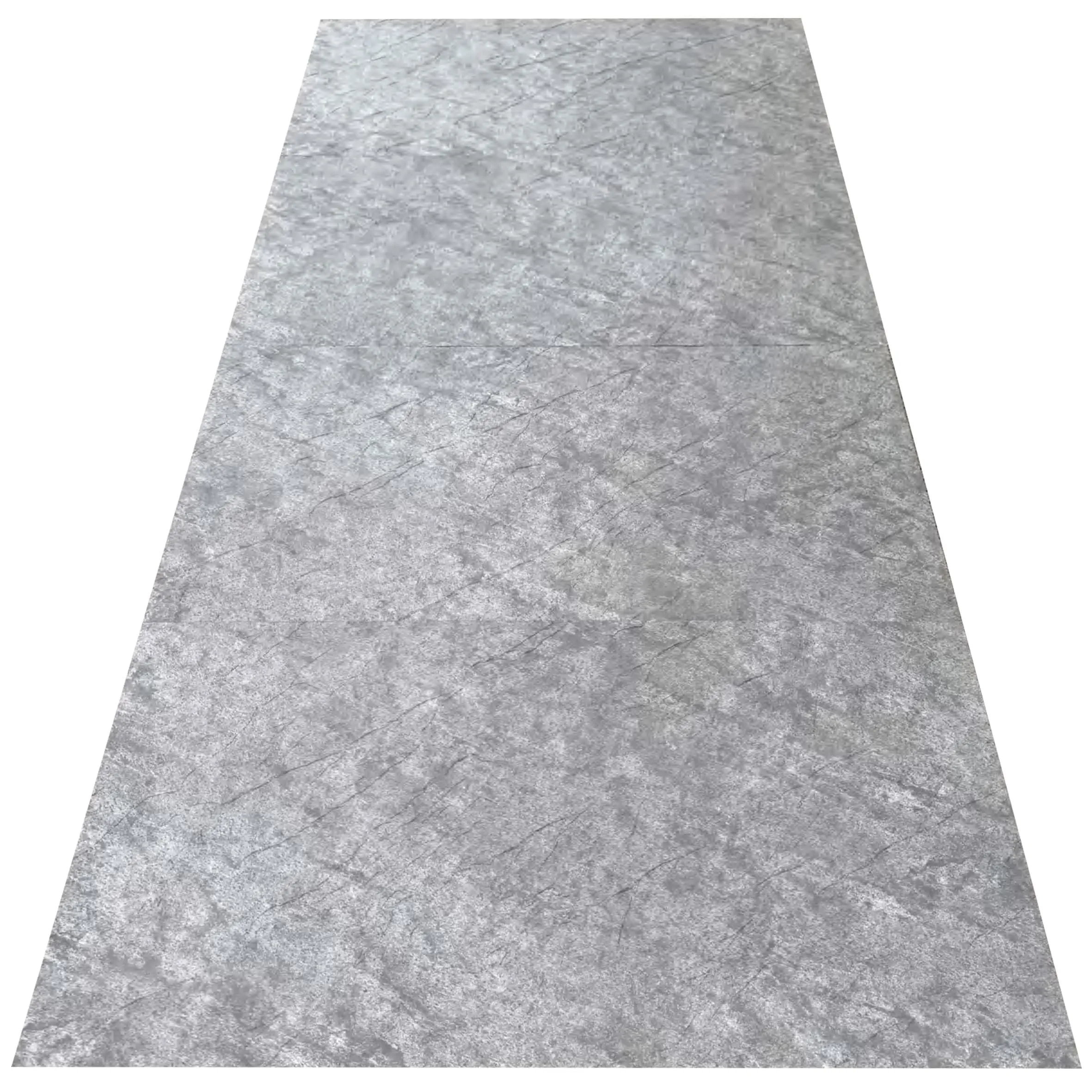
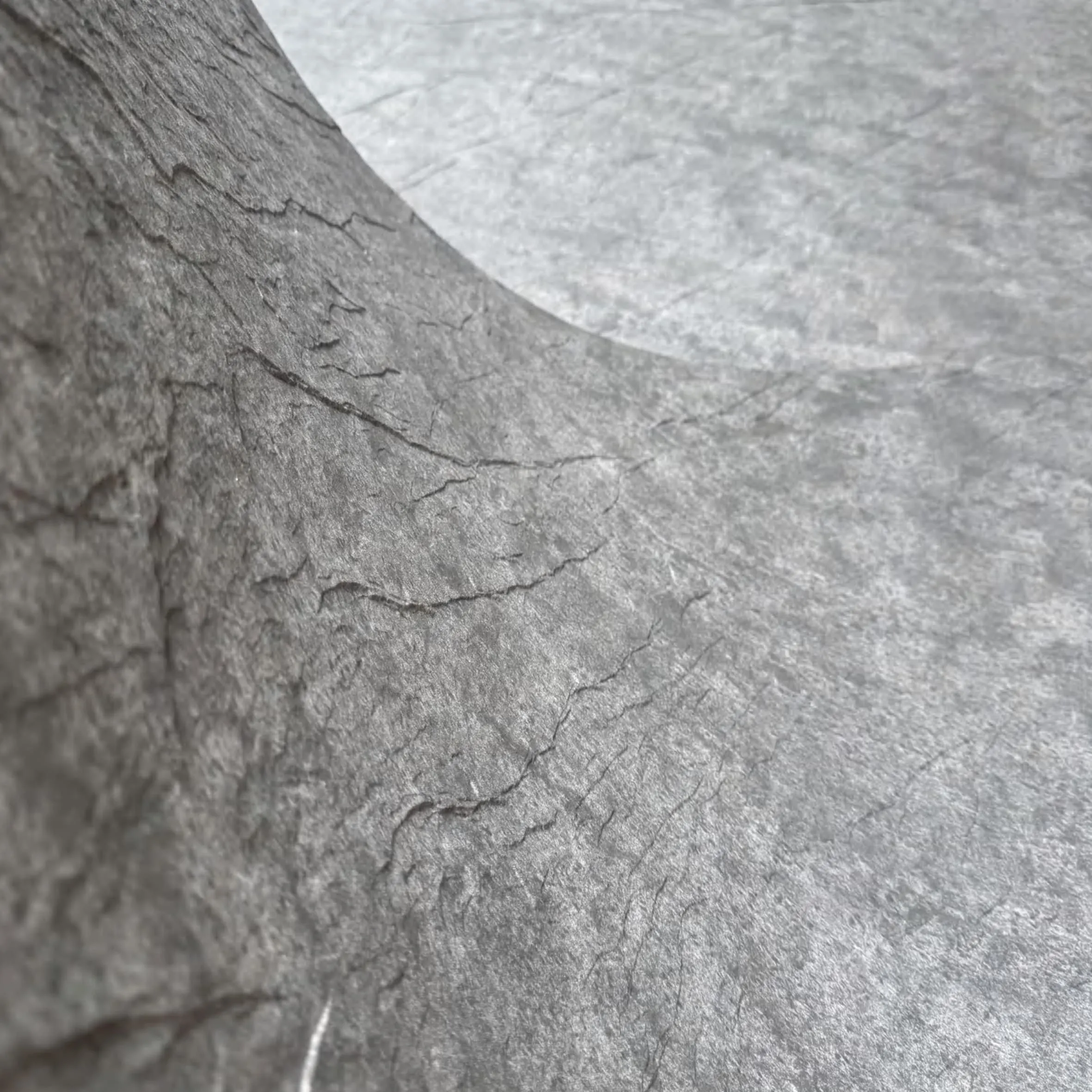
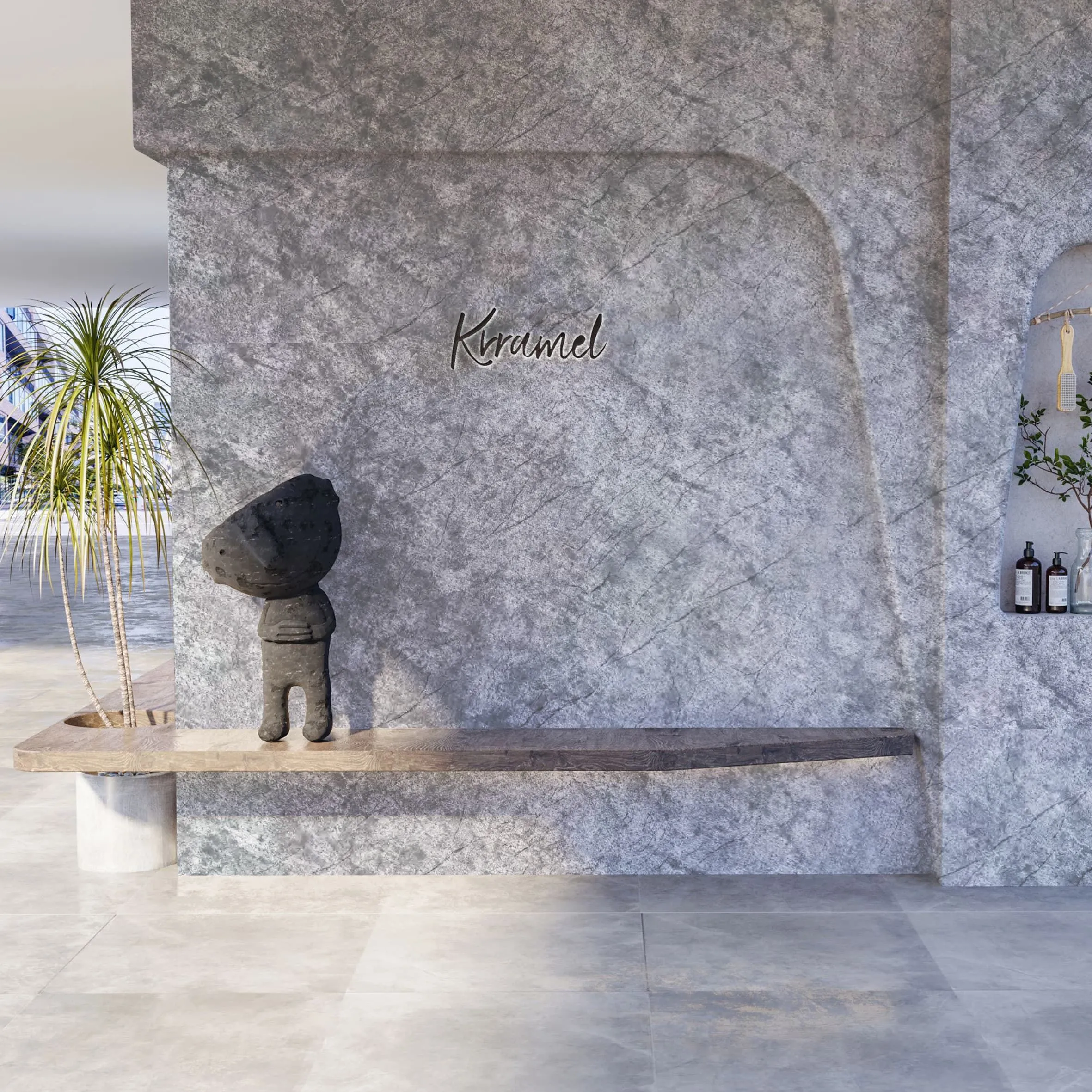
First things first: Let's talk about the name. "Glacial slate" conjures images of frozen landscapes—think the slow, deliberate movement of ice carving through stone, leaving behind patterns that are equal parts chaotic and harmonious. And that's exactly the vibe this material channels. Its base color leans toward cool, silvery grays, with subtle veining in deeper charcoal or even hints of pale blue, mimicking the way light plays on ice. The texture is matte yet tactile; run a hand over it, and you'll feel the faint ridges of its surface, a gentle reminder of the natural world it draws inspiration from.
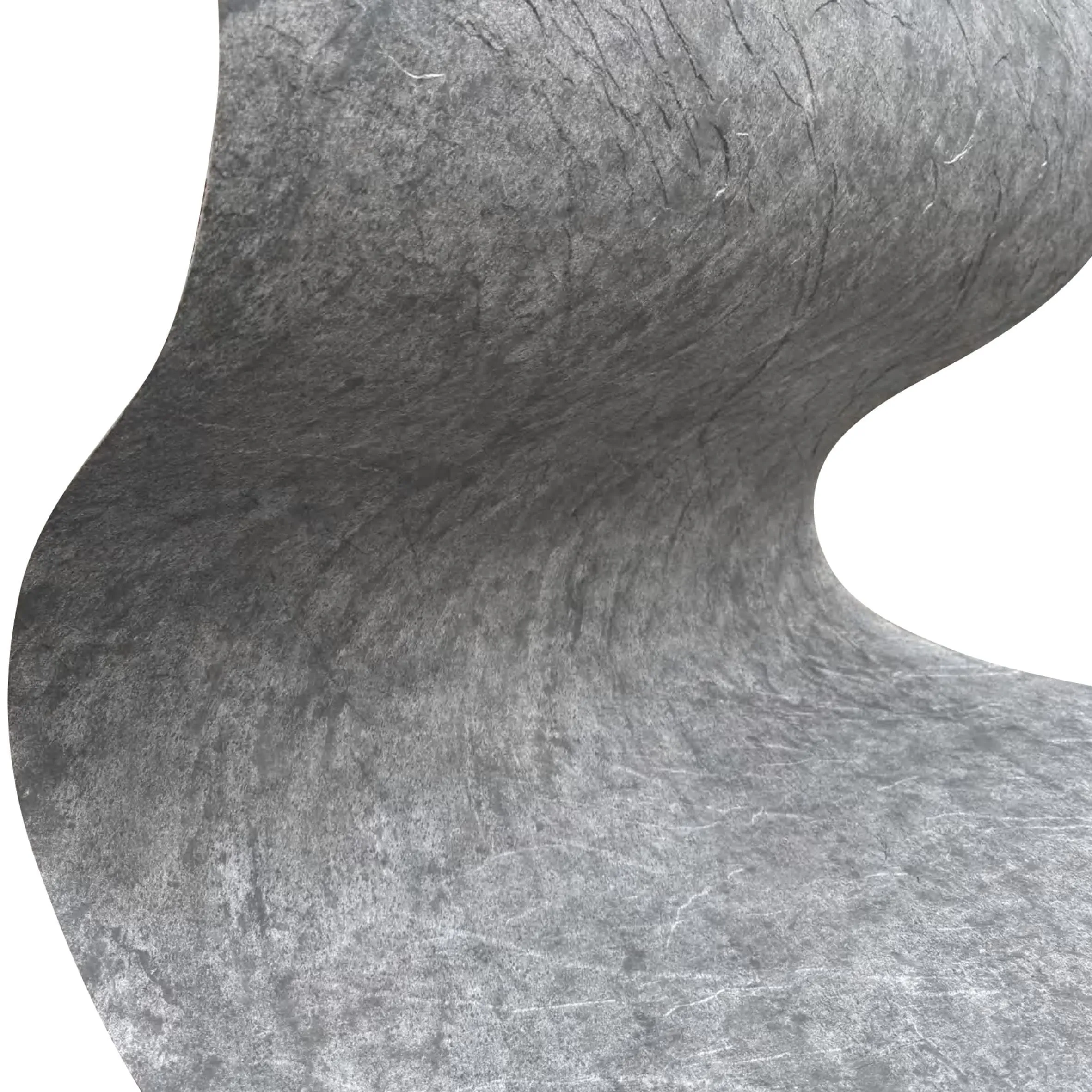
But here's where the magic of MCM comes in. Traditional natural stone is heavy, brittle, and often impractical for large-scale installations. Glacial slate, as an MCM flexible stone, flips that script. MCM technology layers thin slices of stone (or in some cases, high-performance polymers designed to mimic stone) with reinforcing materials, resulting in a product that's lightweight, bendable, and surprisingly tough. This means glacial slate can be used in ways traditional stone never could—curved walls, ceiling accents, even furniture pieces—without sacrificing durability.
It's a material with duality: It looks like it was pulled straight from a mountain range, yet it's engineered to thrive in the hustle and bustle of a modern office. That balance is why it's becoming a go-to for designers who want to infuse spaces with authenticity without compromising on function.
Offices aren't just about desks and Wi-Fi—they're about mood. A space that feels cold and sterile can stifle creativity; one that's too cluttered can distract. Glacial slate strikes a rare balance: it's sophisticated without being intimidating, calm without being boring. Its cool color palette has a grounding effect, which is why it's often used in high-stakes areas like boardrooms or executive suites. Imagine a conference room where the walls are clad in glacial slate—suddenly, brainstorming sessions feel more focused, presentations more impactful. There's a quiet confidence to the material that elevates the room without screaming for attention.
But glacial slate doesn't have to go it alone. One of its greatest strengths is how well it plays with others. Pair it with warm wood grain board, for example, and you get a space that feels both modern and inviting. A reception area with a glacial slate accent wall behind a wooden (reception desk) sends a message: "We're innovative, but we're also human." Or mix it with the industrial edge of foamed aluminium alloy board (vintage silver) for a tech-forward vibe—think a startup lobby where the contrast between the slate's organic texture and the aluminium's sleek finish tells the story of innovation meeting nature.
And let's not overlook the power of light. Glacial slate's matte surface absorbs light gently, avoiding harsh reflections, while its veining catches subtle shadows, adding depth to a room. In a space with large windows, it transforms throughout the day—cool and crisp in morning light, soft and moody as the sun sets. It's a material that evolves with the hours, keeping the office feeling dynamic without ever feeling static.
Let's be real: Offices are workhorses. They see coffee spills, scuff marks from rolling chairs, and the constant foot traffic of busy teams. A material that looks great but can't stand up to daily life is just a pretty distraction. Glacial slate, though, is built to keep up.
As an MCM flexible stone, it checks all the practical boxes. It's water-resistant, so that accidental spill from the breakroom won't leave a stain. It's fire-retardant, a must for commercial spaces. And it's surprisingly low-maintenance—no need for special cleaners or frequent sealing. A quick wipe with a damp cloth is usually all it takes to keep it looking fresh. Compare that to traditional natural stone, which often requires regular sealing and can etch if exposed to acidic substances, and the appeal becomes clear.
Durability isn't just about resisting damage, either—it's about longevity. Glacial slate doesn't fade in sunlight, so that accent wall in the office lounge will look just as vibrant in five years as it did on day one. Its colorfastness is a boon for companies that want their spaces to age gracefully, avoiding the need for costly renovations down the line.
Installation is another win. Thanks to MCM's lightweight nature, glacial slate panels are easier to transport and install than traditional stone, cutting down on labor time and costs. This makes it a smart choice for both new builds and office renovations, where minimizing downtime is key. Imagine a company upgrading their reception area over a long weekend—with glacial slate, the transformation could be done in days, not weeks, getting employees back to work in a refreshed space faster.
| Material | Aesthetic Vibe | Durability | Installation Ease | Sustainability |
|---|---|---|---|---|
| Glacial Slate (MCM) | Cool, sophisticated, organic texture with icy veining | Water-resistant, fire-retardant, scratch-resistant | Lightweight, flexible; ideal for large installations | Often uses recycled content; low VOC emissions |
| Fair-Faced Concrete | Raw, industrial, minimalist gray tones | Extremely durable but prone to staining without sealant | Heavy; requires specialized installation | High embodied carbon; limited recycled content |
| Wood Grain Board (MCM) | Warm, inviting, natural wood-look patterns | Moisture-resistant; less scratch-resistant than stone | Lightweight, easy to cut and install | FSC-certified options available; reduces deforestation |
These days, a company's values are on display in every corner of its office—and that includes the materials it chooses. Clients and employees alike care about sustainability, and glacial slate delivers here, too. As an MCM product, it often incorporates recycled stone or polymer content, reducing the need for extracting new raw materials. MCM manufacturing processes also tend to use less water and energy than traditional stone quarrying and processing, lowering the carbon footprint from production to installation.
Then there's longevity. The longer a material lasts, the less frequently it needs to be replaced—and the fewer resources are consumed over time. Glacial slate's resistance to fading, staining, and wear means it can stay in place for decades, outliving trend-driven materials that might look dated in a few years. For companies aiming for LEED certification or other green building standards, this kind of durability is a major plus.
And let's not forget indoor air quality. Many traditional building materials off-gas volatile organic compounds (VOCs), which can contribute to headaches, fatigue, and poor air quality. Glacial slate, as an MCM flexible stone, is typically low in VOCs, making it a healthier choice for the people who spend 40+ hours a week in the office. It's a small detail, but one that adds up to a workspace that cares about its team's well-being.
Let's put this all into context with a real-world example. Take "Innovatech," a mid-sized tech company in Seattle that recently renovated its 10,000-square-foot office. Their goal? To create a space that felt innovative, collaborative, and true to their brand identity as a company that "blends tech with nature."
Their design team turned to glacial slate as the hero material. The lobby, once a forgettable white box, now features a 20-foot glacial slate accent wall behind the reception desk, paired with foamed aluminium alloy board (vintage silver) for the desk itself. The contrast is striking: the slate's organic veining softens the aluminium's sharp edges, creating a look that's both modern and approachable. "We wanted clients to walk in and think, 'This is a company that values precision, but also creativity,'" says Maria Gonzalez, Innovatech's facilities director. "The glacial slate does that—it's sharp but not cold, polished but not perfect."
Elsewhere, the company's open workspace uses glacial slate for the kitchen backsplash, where its water resistance and easy cleaning are a daily lifesaver. In the main conference room, it covers one entire wall, paired with wood grain board paneling on the opposite side to balance the cool and warm tones. "Meetings feel different here now," notes software engineer Raj Patel. "The old space was all white walls and fluorescent lights—it felt like a hospital. Now, the slate wall makes it feel more… intentional. Like the company put thought into how we work."
And the feedback from clients? "They comment on the lobby wall all the time," Maria laughs. "One even asked if it was real stone. When we tell them it's MCM, they're shocked—it looks and feels so authentic. It's become a conversation starter, which is exactly what we wanted."
Glacial slate is a star, but it's part of a larger constellation of MCM materials that can elevate office design. Let's shine a light on a few others that pair beautifully with it:
The key is balance. Glacial slate's cool sophistication can anchor a space, while these complementary materials add layers of personality. It's not about using one material everywhere—it's about curating a palette that tells your company's story.
At the end of the day, glacial slate is more than just a pretty face. It's a material that understands the modern office's dual identity: it needs to be professional but not stiff, beautiful but not fragile, sustainable but not sacrificial. As an MCM flexible stone, it bridges the gap between nature and technology, offering the best of both worlds.
Whether you're designing a startup's first office or renovating a corporate headquarters, glacial slate invites you to think differently about workspace materials. It's a reminder that the places we work in shape how we work—and that a little bit of natural beauty can go a long way in fostering creativity, connection, and pride in where we spend our days.
So the next time you walk into an office and feel that subtle sense of calm and purpose, take a closer look at the walls. Chances are, you might just be standing in front of glacial slate—quietly, beautifully, redefining what a professional space can be.
Recommend Products












