
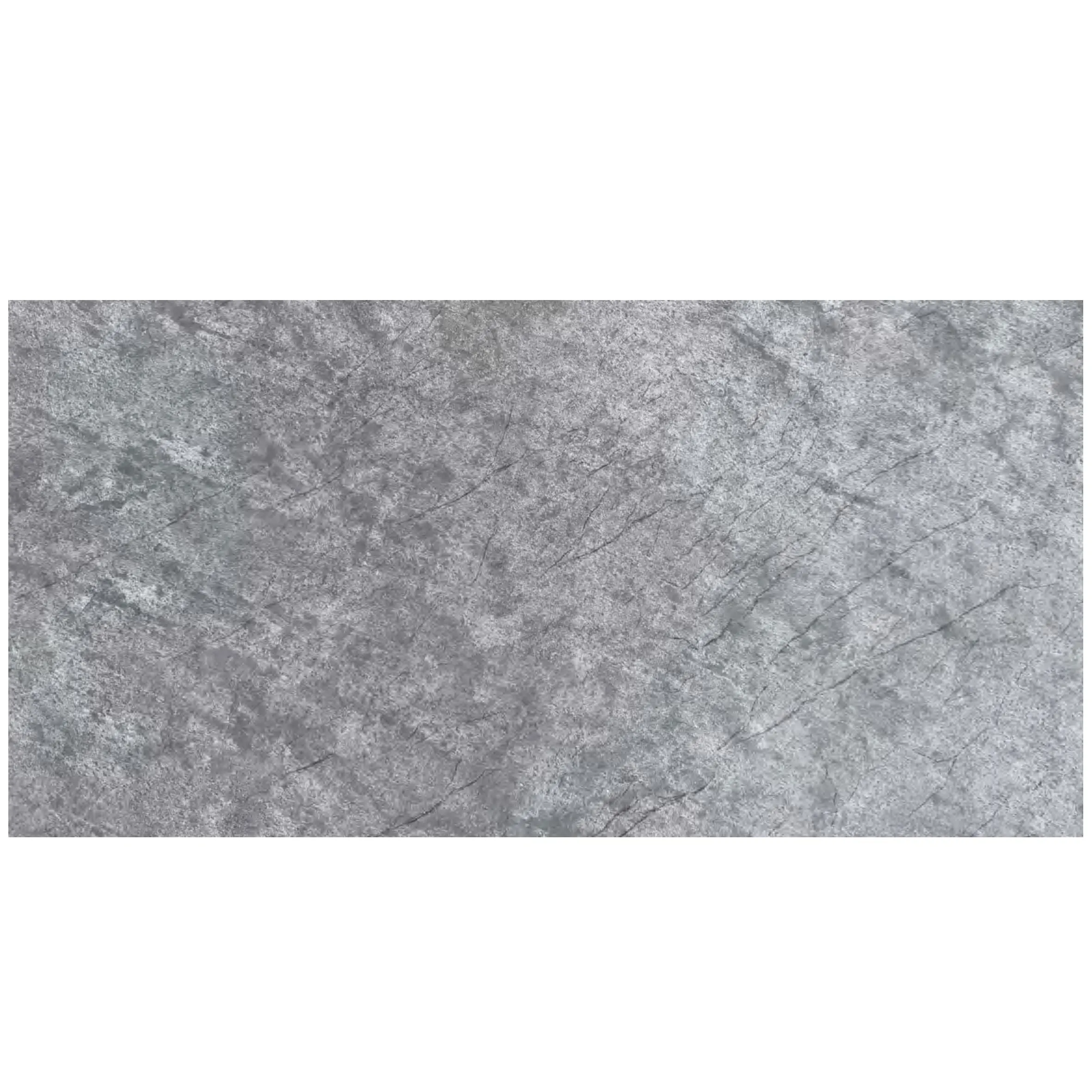
Imagine stepping into a space where the walls feel like they've been carved from a mountainside—cool, textured, and full of character. That's the magic of Glacial Slate, one of COLORIA's most sought-after offerings in their MCM flexible stone series. More than just a building material, it's a storyteller, bringing the raw beauty of glacial landscapes into homes, offices, and commercial spaces. But here's the thing about stories: they need to be preserved. Even the toughest stone (or stone-like panels) loses its luster without a little care. Whether you've just installed Glacial Slate in your kitchen backsplash, wrapped your patio in it, or designed an entire facade around its unique veining, this guide is your roadmap to keeping it looking as stunning in 20 years as it does today.
First, let's talk about what makes Glacial Slate different. Unlike traditional natural stone, which can be heavy, brittle, or porous, Glacial Slate is part of COLORIA's innovative MCM (Modified Composite Material) flexible stone line. This means it's engineered to be lightweight, durable, and surprisingly flexible—ideal for both interior and exterior use. Its surface mimics the layered, weathered look of real glacial stone, with subtle variations in gray and silver that catch the light like sunlight on ice. But here's the catch: that "weathered" aesthetic is intentional . Scratches, stains, or dullness won't add "character"—they'll distract from the panel's natural beauty. Think of it like a vintage leather jacket: it ages well, but only if you treat it right.
Another reason to prioritize maintenance? Glacial Slate often shares spaces with other premium COLORIA materials, like fair-faced concrete or travertine (starry blue). These pairings create cohesive, high-end designs, but they also mean your maintenance routine needs to work across materials. A one-size-fits-all approach might harm one surface while protecting another. This guide will help you tailor your care to Glacial Slate specifically, so it stays the star of the show.
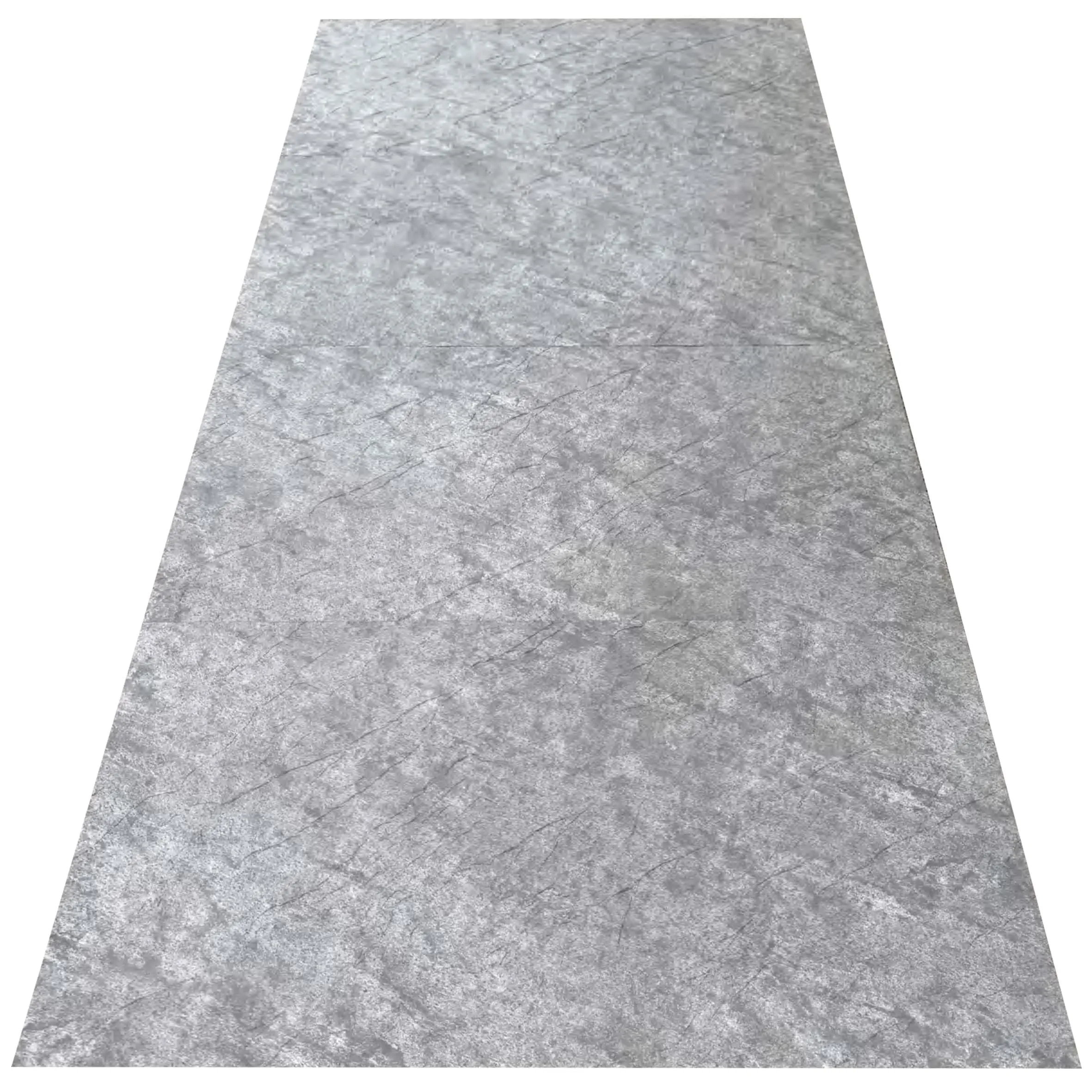
You don't need a fancy toolkit or hours of free time to keep Glacial Slate looking great. Most of its care comes down to simple, consistent habits. Let's break it down by location—because an outdoor patio panel faces different challenges than an indoor accent wall.
Indoors, Glacial Slate is sheltered from rain, snow, and UV rays, but it's still exposed to everyday culprits like dust, cooking grease, and accidental spills. Here's what to do:
Outdoors, Glacial Slate takes on rain, wind, pollen, and bird droppings—all while still needing to look sharp. The good news? Its MCM core makes it resistant to water damage and fading, but a little TLC goes a long way:
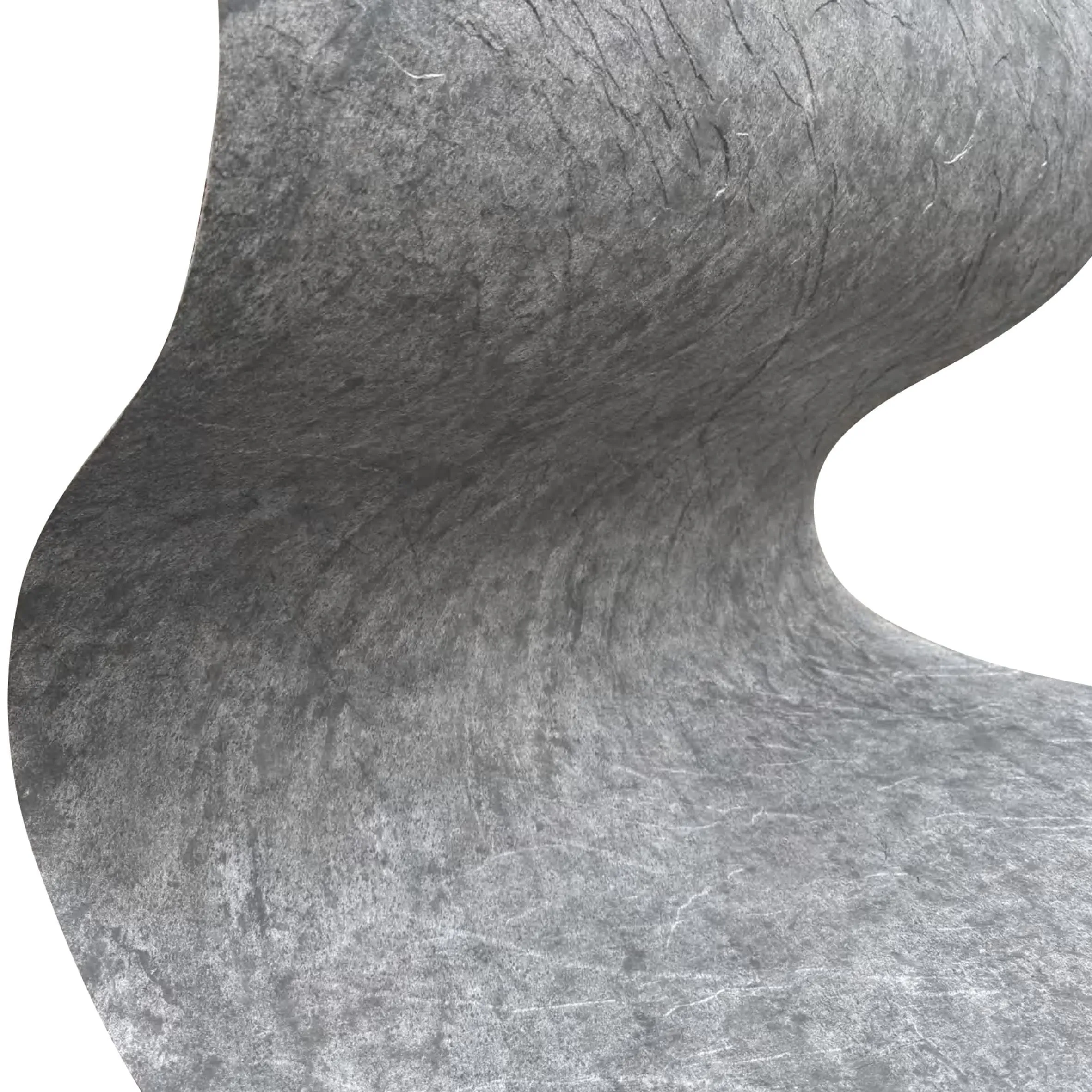
Daily habits prevent big problems, but every once in a while, Glacial Slate needs a deeper clean. Think of it like washing your car: you wipe off bird droppings daily, but every few months, you wax and detail. For Glacial Slate, aim for a deep clean every 3-6 months, depending on use (kitchens and high-traffic outdoor areas might need it more often).
Before we dive into solutions, a non-negotiable step: test any cleaner on an inconspicuous spot first . Glacial Slate, like many MCM panels, has a unique finish that can react differently to chemicals than you'd expect. Try a small area behind a cabinet, under a windowsill, or on the bottom edge of an exterior panel. Let the cleaner sit for 5 minutes, rinse, and check for discoloration or dullness. If it looks good, proceed.
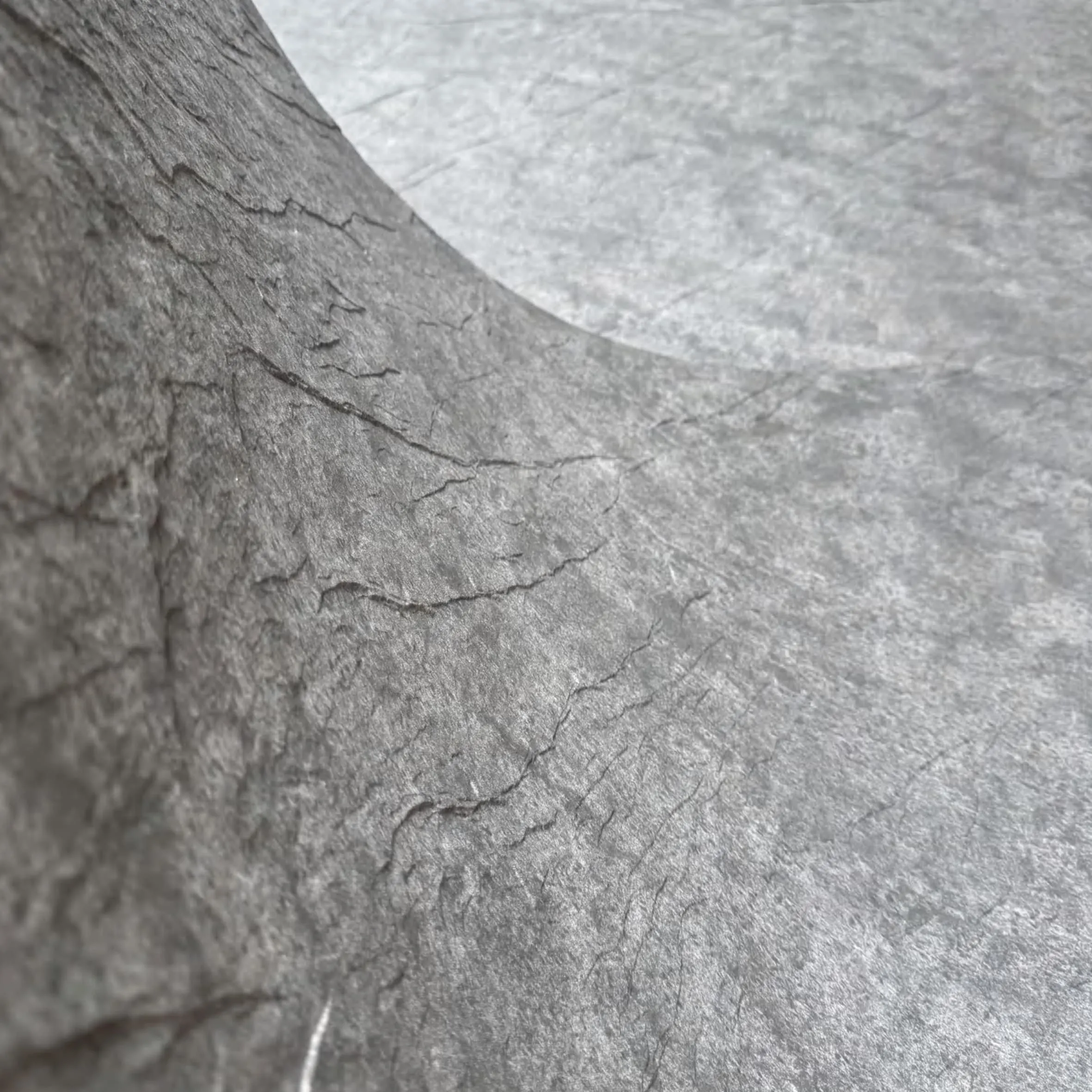
Even with the best intentions, stains happen. A rogue crayon from a kid, a leaky bike chain on the patio, or a forgotten wine glass at a dinner party—life is messy. The key is knowing how to tackle each stain without making it worse. Below is a cheat sheet for the most common culprits:
| Stain Type | Cleaning Solution | Step-by-Step |
|---|---|---|
| Oil/Grease (cooking oil, lotion, motor oil) | Baking soda paste (3 parts baking soda + 1 part water) | 1. Blot excess oil with a paper towel. 2. Apply paste to stain, cover with plastic wrap, and let sit 24 hours. 3. Remove paste, wipe with soapy water, rinse, and dry. |
| Ink (pen, marker) | Isopropyl alcohol (70%) | 1. Dab a cotton ball in alcohol (don't soak). 2. Gently blot the stain (rubbing spreads ink!). 3. Rinse with water and dry. Repeat if needed. |
| Mold/Mildew (outdoor panels, humid areas) | Vinegar (white, undiluted) – test first! | 1. Spray vinegar on the mold and let sit 10 minutes. 2. Scrub with a soft brush. 3. Rinse thoroughly and dry. For severe cases, repeat or use a mildew remover labeled safe for stone. |
| Food Stains (coffee, wine, tomato sauce) | Hydrogen peroxide (3%) + baking soda | 1. Blot spill immediately. 2. Mix equal parts peroxide and baking soda to make a paste. 3. Apply, let sit 10 minutes, then wipe, rinse, and dry. |

Think of sealing Glacial Slate like applying sunscreen—you don't need it every day, but it's a game-changer for long-term protection. Unlike natural stone, which is porous, Glacial Slate is less absorbent, but sealing adds an extra layer against stains, UV rays, and wear. Here's what you need to know:
Most Glacial Slate panels come pre-sealed from COLORIA, but that sealant wears off over time. How often you need to reseal depends on location:
Stick to sealers labeled "for natural stone" or "for composite panels," and opt for a water-based, matte finish to preserve Glacial Slate's natural look. Avoid solvent-based sealers—they can darken the panels or leave a glossy sheen, which clashes with the slate's earthy aesthetic. COLORIA recommends their own Epoch Stone Sealer , formulated specifically for MCM panels, but any high-quality, pH-neutral stone sealer will work.
Even with perfect care, you might run into issues. Here's how to handle the most common ones:
This is usually from soap residue or hard water deposits. Fix it by mixing equal parts water and white vinegar (test first!), wiping the surface with a damp cloth, then rinsing and drying. If that doesn't work, a quick buff with a dry microfiber cloth often restores shine.
Glacial Slate's textured finish hides small scratches well, but if you notice one, try rubbing a small amount of mineral oil into the scratch with a soft cloth. Let it sit overnight, then wipe away excess. The oil fills the scratch and blends it with the surrounding texture.
Thanks to MCM's flexibility, Glacial Slate is less prone to chipping than natural stone, but heavy impacts (like a falling tool or tree branch) can cause damage. For small chips, use a color-matched stone repair kit (COLORIA offers one for Glacial Slate). For larger cracks, contact a professional installer—MCM panels are repairable, but you'll want someone experienced to ensure the fix blends seamlessly.
At the end of the day, maintaining Glacial Slate isn't about chores—it's about honoring the beauty you've brought into your space. It's the 5-minute daily dusting that keeps its texture crisp, the quick blot of a spilled drink that prevents a permanent mark, and the annual sealing that ensures it weathers storms (literal and metaphorical) with grace. Glacial Slate is more than a panel; it's a part of your space's identity. And with a little care, that identity will only grow richer over time.
So go ahead—host that dinner party, let the kids play near the accent wall, plant that garden next to your patio. Glacial Slate can handle it. And with this guide in hand, you can too.
Recommend Products












