
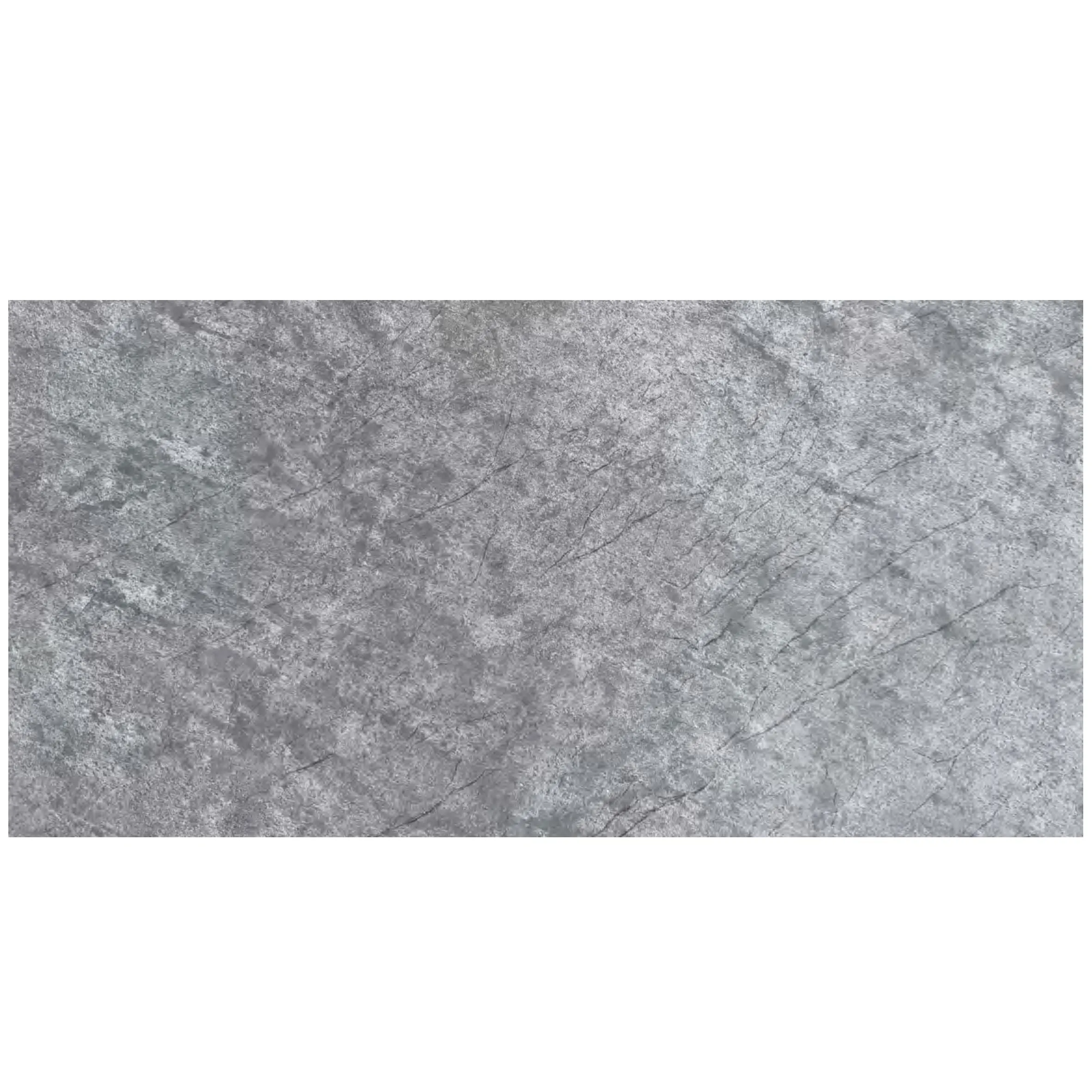
Choosing the right building material is like picking a partner for your space—it needs to look good, stand the test of time, and handle life's little (and big) messes without losing its charm. For designers and homeowners alike, scratch resistance often tops the list of must-haves, especially in high-traffic areas like kitchens, living rooms, or commercial spaces. Enter two heavyweights in the world of Modified Composite Materials (MCM): Glacial Slate and Granite. Both promise durability and style, but when it comes to fending off scratches, which one truly delivers? Let's dive in.
Before we pit Glacial Slate against Granite, let's get clear on what MCM is. Short for Modified Composite Material, MCM is a game-changer in construction. It's a blend of natural minerals, polymers, and fibers, engineered to mimic the look of natural stone, wood, or concrete—without the weight, brittleness, or high maintenance of the real thing. Think of it as nature's beauty, supercharged with modern science. MCM flexible stone, for example, bends and adapts to curved surfaces, while options like fair-faced concrete offer that raw, industrial vibe without the heft of traditional concrete slabs. Today, we're zooming in on two stars of the MCM lineup: Glacial Slate and Granite.
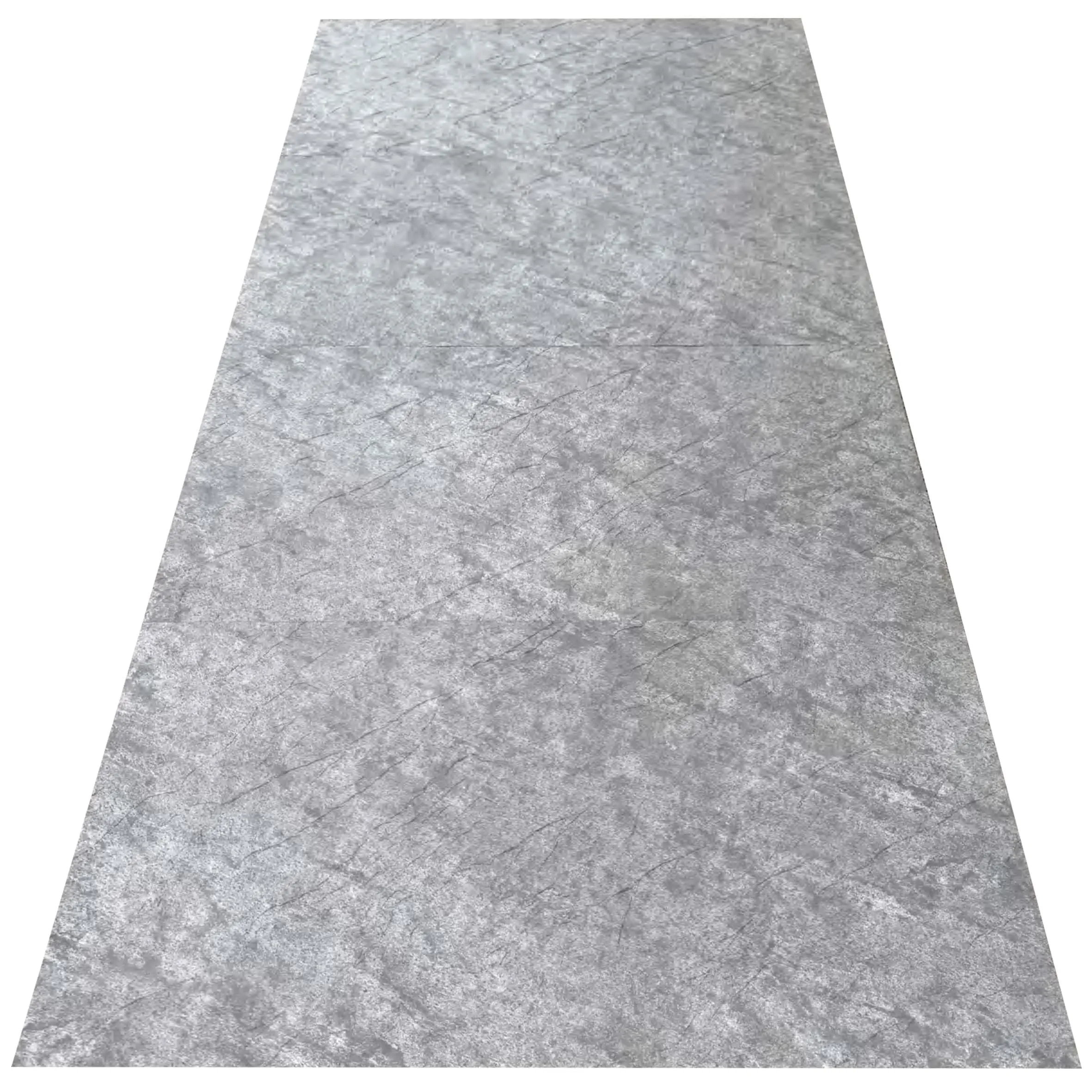
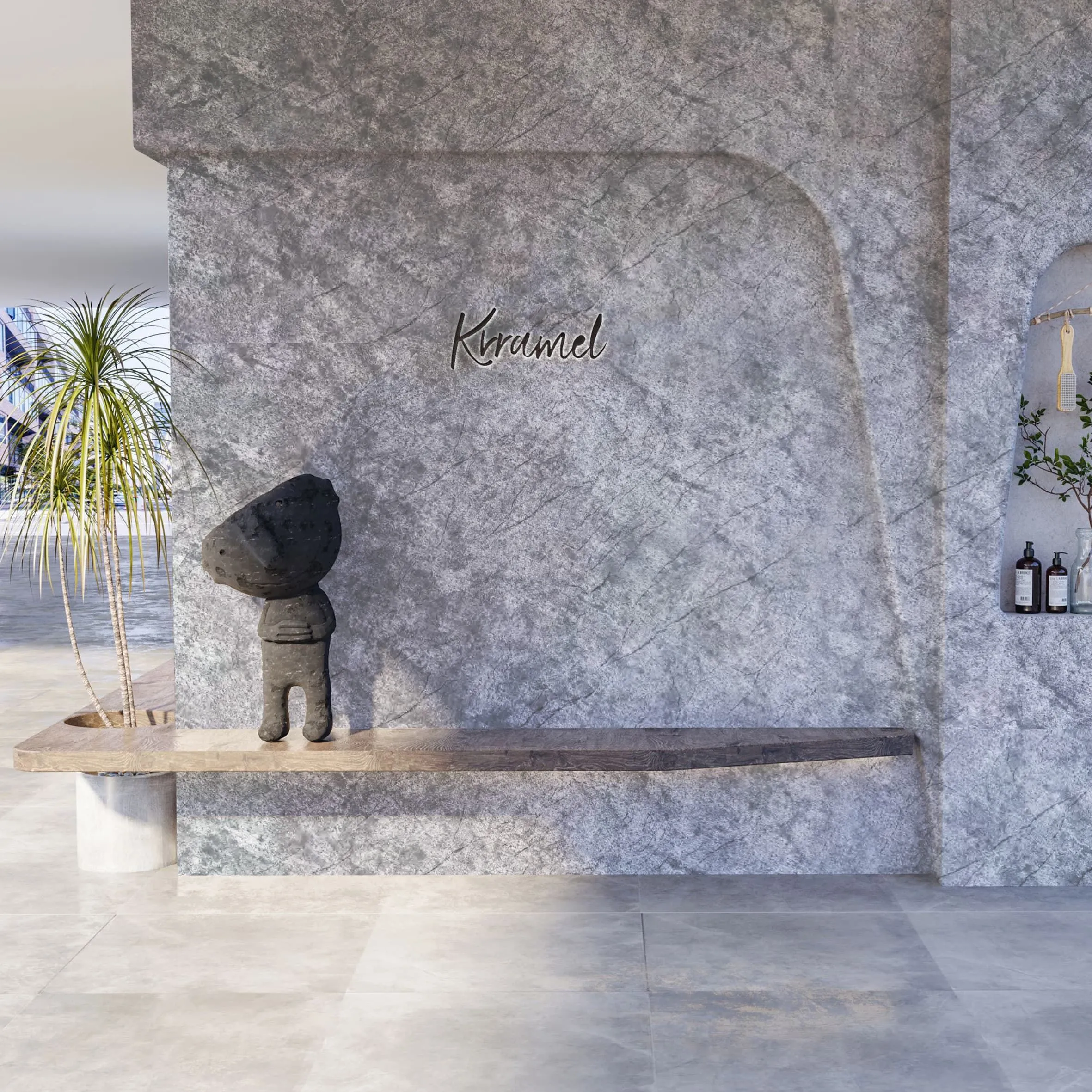
Glacial Slate sounds like it was carved from a mountain glacier, and honestly? Its texture lives up to the name. With subtle veining that mimics the slow, steady movement of ice over rock, it brings a calm, earthy elegance to any space. But don't let its serene looks fool you—this MCM material is built to withstand the chaos of daily life.
What makes Glacial Slate scratch-resistant? It starts with its density. During manufacturing, the composite is compressed under high pressure, creating a tight, uniform surface that's harder for scratches to penetrate. Add a top layer of UV-resistant sealant, and you've got a material that laughs off everything from rogue pet claws to sliding dining chairs. Sarah, an interior designer in Chicago, used Glacial Slate for a client's open-concept kitchen and living area. "The kids are constantly dragging toys across the floor, and the dog thinks the coffee table is her personal chew toy," she says. "Six months in, you'd never know. No scratches, no dull spots—just that same cool, slate-gray finish."
Beyond scratch resistance, Glacial Slate wins points for versatility. It works as flooring, wall cladding, or even countertops. Its matte surface hides minor scuffs better than high-gloss alternatives, and when paired with warm wood tones or pops of color, it adds depth without overwhelming a room. "I love that it's low-maintenance but still feels 'high-end,'" Sarah adds. "Clients want materials that look expensive but don't act like divas. Glacial Slate checks both boxes."
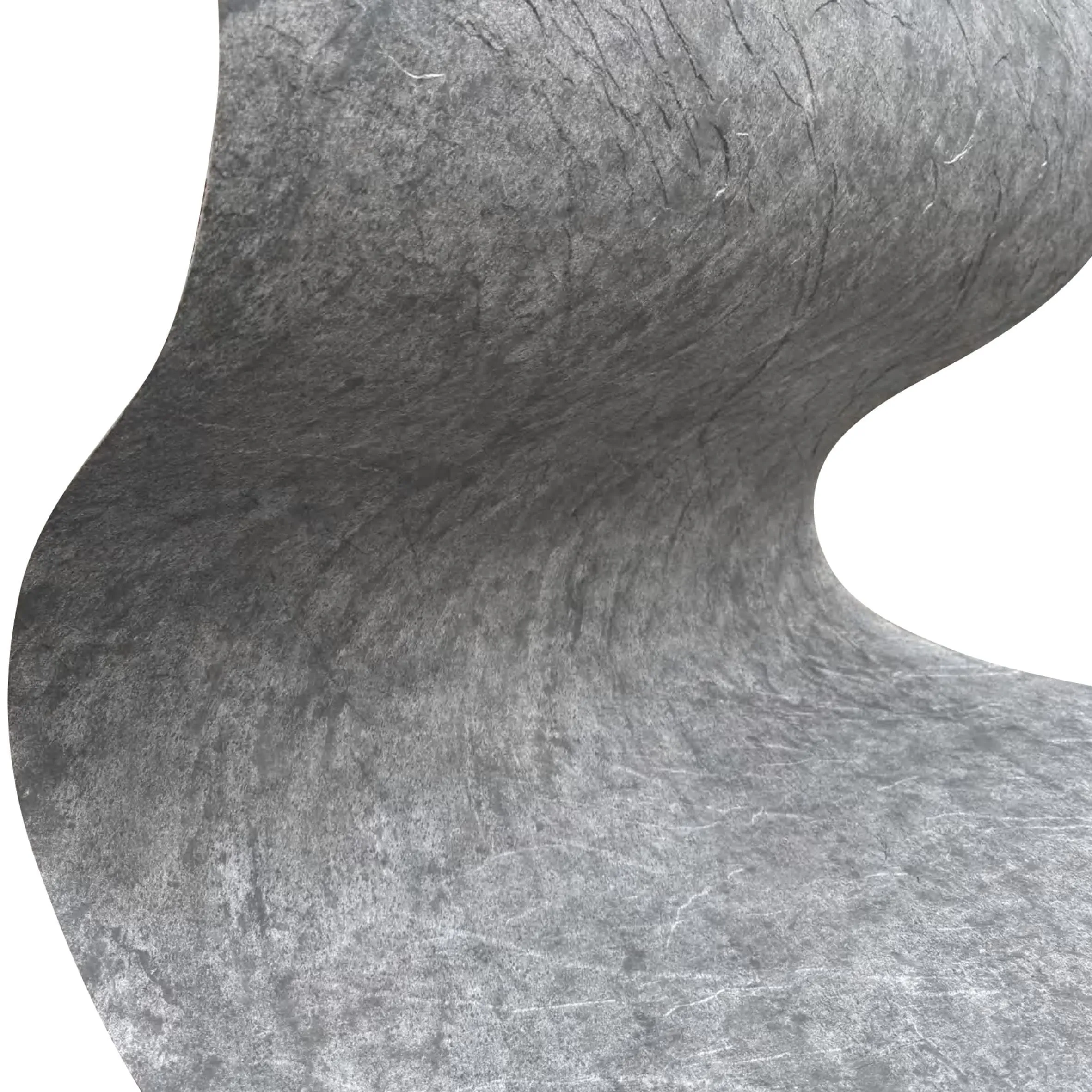
Granite has long been the gold standard for durability—think of those ancient Egyptian temples still standing strong. But natural granite is heavy, prone to cracking, and can be pricey to install. Enter Granite MCM: all the rugged beauty of natural granite, minus the headaches. This composite takes crushed granite particles, binds them with polymers, and forms them into lightweight, flexible sheets. The result? A material that looks and feels like the real deal, with a few modern upgrades.
When it comes to scratch resistance, Granite MCM holds its own. Thanks to its mineral-rich composition (hello, quartz and feldspar, two of the hardest natural minerals), it scores high on the Mohs hardness scale—higher than marble, limestone, or even some natural slates. "I specify Granite MCM for commercial projects all the time," says Mike, a contractor specializing in restaurants and retail spaces. "Last year, I used it for a busy bistro's bar top. Between bartenders sliding glasses, customers leaning on it, and the occasional dropped bottle, it's taken a beating. To this day, you can barely see a mark. Natural granite would've chipped by now, but this stuff? It's like it has a built-in shield."
What sets Granite MCM apart is its consistency. Natural granite can have weak spots or fissures that make it prone to scratches in certain areas, but MCM's engineered formula ensures every inch is just as tough as the next. Plus, it's lighter than natural granite, making installation a breeze—no need for reinforced floors or extra structural support. "We saved a full day on labor compared to installing natural granite slabs," Mike notes. "And the client loved that they could get that 'luxury' look without blowing their budget."
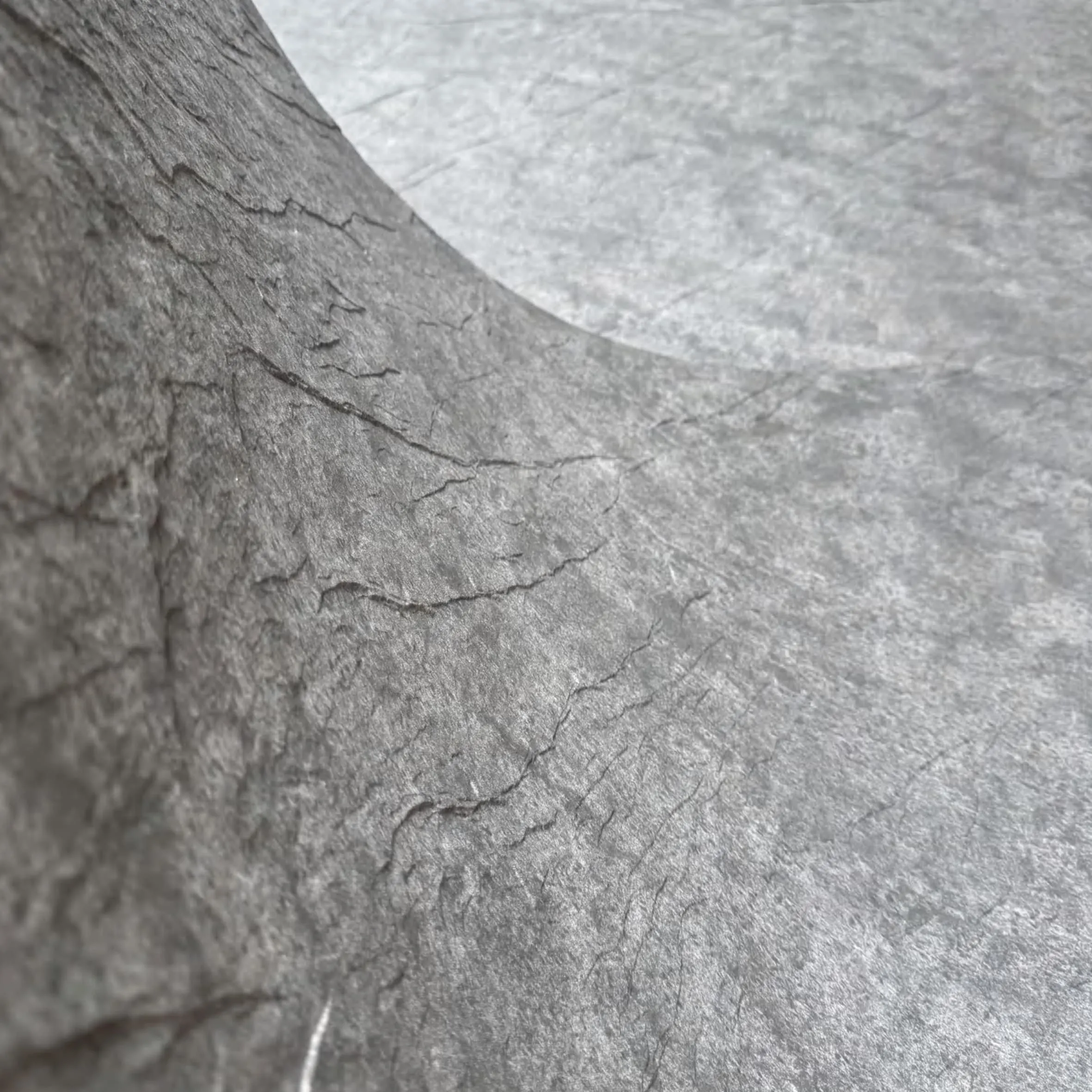
To really see how these two stack up, let's break it down. Here's a side-by-side comparison of their key features, with a focus on scratch resistance:
| Feature | Glacial Slate (MCM) | Granite (MCM) |
|---|---|---|
| Scratch Resistance | High (8/10) – Dense, sealed surface resists everyday scratches; matte finish hides minor scuffs. | Very High (9/10) – Mineral-rich composition (quartz, feldspar) makes it harder to scratch; uniform density eliminates weak spots. |
| Texture | Smooth with subtle, ice-like veining; matte to low-sheen finish. | Varied, with flecks of quartz and mica; can be polished or honed for different looks. |
| Weight | Lightweight (5-7 lbs/sq ft) – Easy to install on walls or floors. | Lightweight (6-8 lbs/sq ft) – Slightly heavier than Glacial Slate but still lighter than natural granite. |
| Best For | Flooring, wall cladding, low-traffic countertops; spaces where a calm, neutral palette is desired. | High-traffic areas (kitchen countertops, commercial lobbies), outdoor spaces; areas where durability and a bold, natural look are priorities. |
| Maintenance | Low – Wipe clean with mild soap and water; re-seal every 3-5 years (optional). | Low – Resistant to stains and scratches; minimal sealing needed (every 5-7 years). |
Numbers on a page only tell part of the story. Let's talk real life. Take Maria, a homeowner in Austin who renovated her kitchen last year. She debated between Glacial Slate and Granite MCM for her countertops. "I cook a lot—like, multiple times a day—and I'm not exactly gentle with my pots and pans," she admits. "I went with Granite MCM because I heard it was 'unscratchable.' Spoiler: It's not unscratchable , but it's pretty close. I've dragged cast-iron skillets across it, dropped a knife (oops), and there's not a single mark. It's like the countertop has a secret force field."
On the flip side, Mark, a café owner in Portland, chose Glacial Slate for his flooring. "We wanted something that felt cozy but could handle coffee spills, chair scrapes, and the occasional rogue skateboard (thanks, delivery guys)," he says. "Glacial Slate was perfect. It's got this soft, matte finish that doesn't show every little scuff, and after a year of heavy foot traffic, it still looks brand new. The only time we noticed a scratch was when a metal chair leg dug into it during a busy weekend rush—and even then, a quick buff with a soft cloth made it disappear. I was shocked how resilient it is."
So, which is better for scratches? Granite MCM edges out Glacial Slate with its higher Mohs hardness rating and mineral density, making it ideal for spaces where scratches are almost inevitable (think: busy kitchens, kids' playrooms, commercial settings). But Glacial Slate isn't far behind, and its matte finish gives it a secret weapon: it hides minor scuffs better than Granite MCM's sometimes-shiny surface. If you're prioritizing "invisible" durability over maximum toughness, Glacial Slate might be the way to go.
Scratch resistance is key, but let's not forget the other stuff that makes a material work for your space. Here's what else to keep in mind:
Aesthetics: Glacial Slate leans cool and calming, with blues and grays that evoke mountain lakes and ice fields. It pairs beautifully with warm woods, greens, or soft neutrals. Granite MCM, on the other hand, is bold and varied—think flecks of gold, black, or white that add energy to a room. If your style is minimalist or Scandinavian, Glacial Slate might feel more at home. For traditional, rustic, or eclectic spaces, Granite MCM could be the star.
Maintenance: Both are low-maintenance, but Granite MCM's sealant tends to last longer (5-7 years vs. 3-5 for Glacial Slate). If you're not into regular upkeep, that might sway you. On the flip side, Glacial Slate's matte finish means less cleaning—fingerprints and water spots are practically invisible.
Cost: Prices vary by brand and supplier, but Glacial Slate is often slightly more affordable than Granite MCM, thanks to its simpler composition. If budget is a concern, Glacial Slate gives you great bang for your buck without skimping on durability.
At the end of the day, both Glacial Slate and Granite MCM are rockstars (pun intended) when it comes to scratch resistance. Granite MCM is the heavyweight champion for high-traffic, high-risk areas, while Glacial Slate shines in spaces where style and subtle durability are key. The real winner? You—because with MCM technology, you no longer have to choose between beauty and resilience.
Whether you go with the cool calm of Glacial Slate or the bold toughness of Granite MCM, you're investing in a material that will grow with your space, not against it. No more stressing over scratches, no more sacrificing style for practicality—just a space that feels like yours , in all its scratch-free glory.
"I used to think 'durable' meant 'boring,'" says Maria, the homeowner with the Granite MCM countertops. "Now? I look at my kitchen and think, 'This is tough, and it's gorgeous .' That's the magic of MCM."
So, what will it be? The glacier's quiet strength or the mountain's rugged might? Either way, your space (and your future self) will thank you.
Recommend Products












