
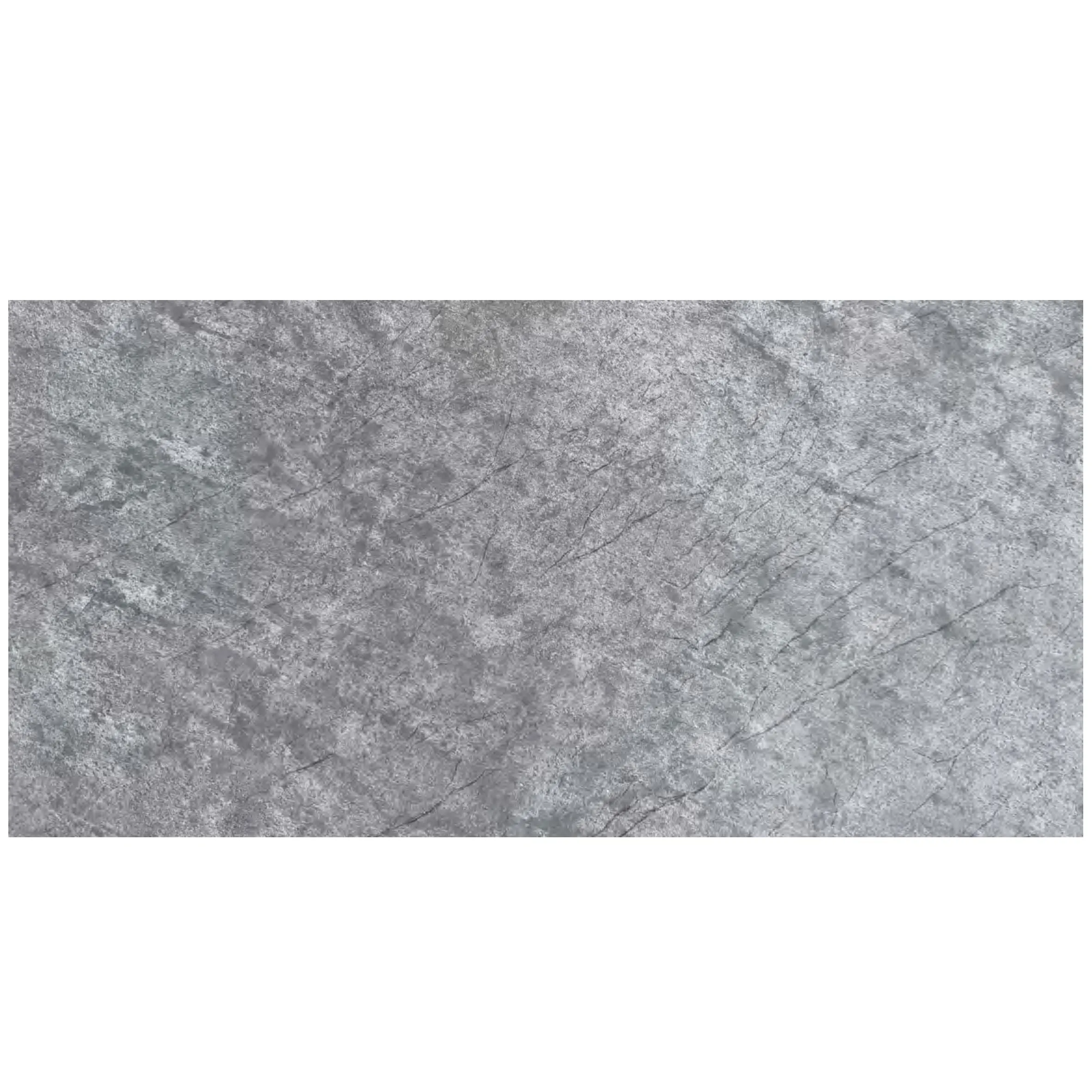
The exterior of a building is more than just a shell—it's a first impression, a statement of style, and a barrier against the elements. For decades, architects and homeowners have turned to natural stones like glacial slate and limestone for their timeless beauty, drawn to their unique textures and earthy tones. But as anyone who's maintained these materials knows, their charm often comes with a hidden cost: ongoing upkeep. Cracks, stains, and weathering can turn a stunning facade into a source of frustration. Enter MCM (Modified Composite Material), a modern solution that marries the aesthetic appeal of natural stone with the practicality of low maintenance. In this article, we'll dive into the challenges of traditional glacial slate and limestone, and explore how MCM—from MCM flexible stone to MCM big slab board series —is redefining what it means to have a beautiful, durable exterior.
Glacial slate and limestone have long been darlings of the architectural world, and it's easy to see why. Glacial slate, formed by centuries of geological pressure, boasts deep, moody hues—think charcoal grays and midnight blacks—with layers that catch the light like shards of broken sky. It's a stone that feels both ancient and modern, perfect for adding drama to a contemporary home or grounding a rustic cabin. Limestone, on the other hand, radiates warmth with its soft beiges, creams, and golden undertones. It's the stone of classical buildings, from European castles to colonial-era estates, evoking a sense of history and elegance.
But beauty, as they say, is skin deep. Both stones come with significant maintenance demands that can take the shine off their appeal. Glacial slate, while dense, is surprisingly porous. Without regular sealing (often every 1–2 years), it soaks up rainwater, which freezes and expands in winter, leading to cracks. Oil, dirt, and even bird droppings can stain its surface, requiring harsh cleaners that risk damaging the stone's natural patina. Limestone is even more delicate. Its porous structure makes it a magnet for moisture, which can lead to discoloration, mold growth, and erosion over time. Acid rain, a common issue in urban areas, eats away at its surface, leaving pockmarks and dulling its once-smooth finish. For busy homeowners or commercial property managers, keeping up with sealing, cleaning, and repairs becomes a never-ending chore.
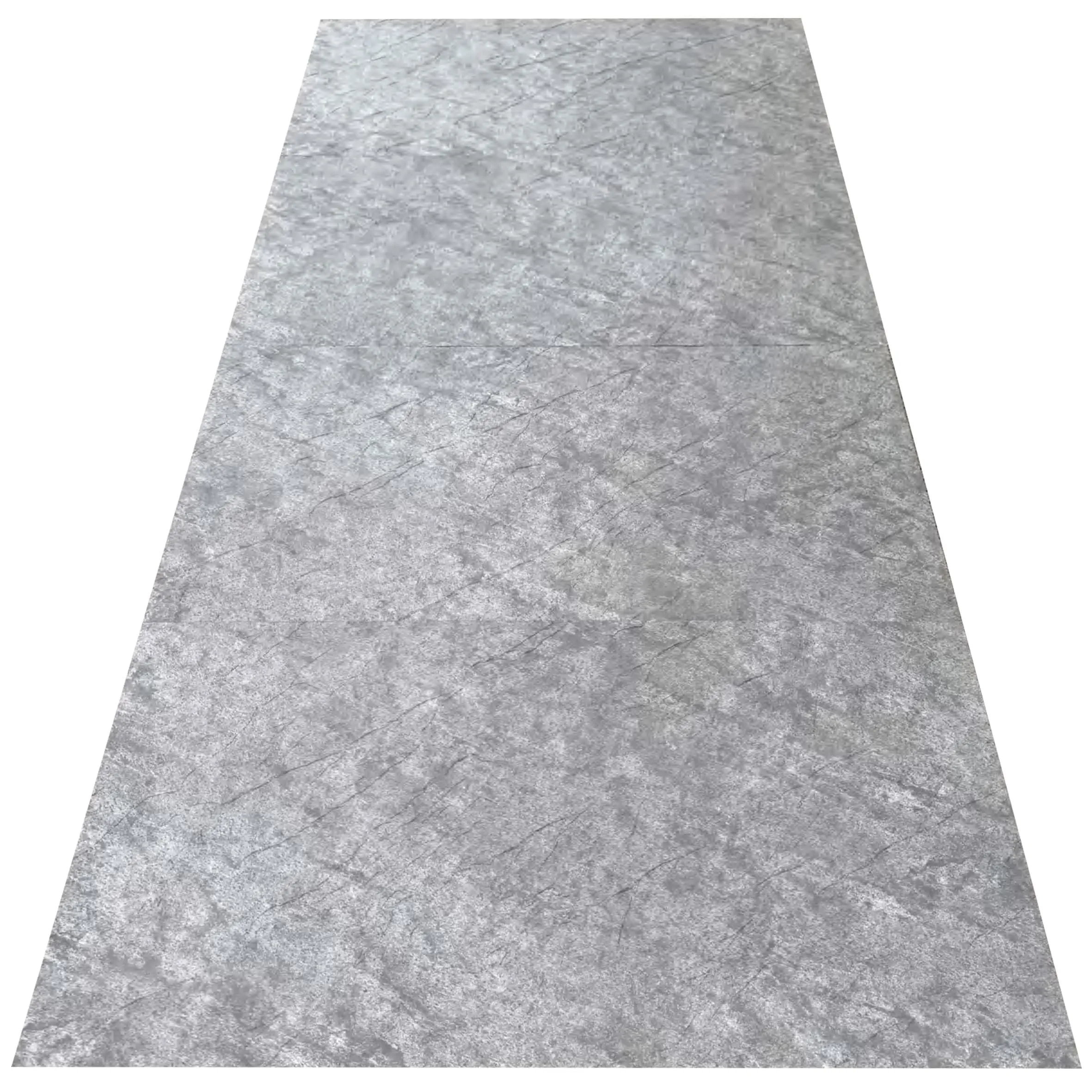
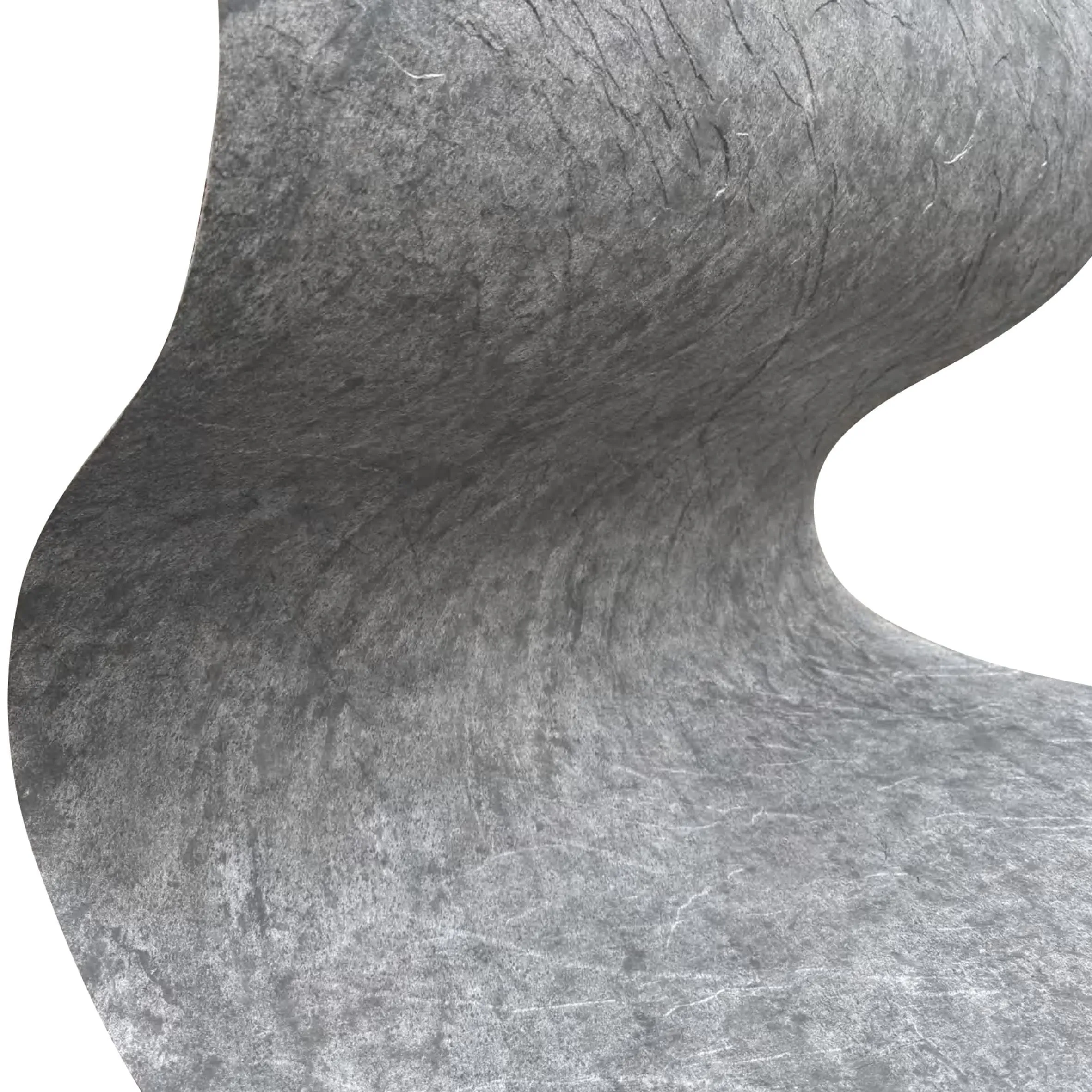
MCM isn't just another building material—it's a rethink of what exterior cladding can be. Short for Modified Composite Material, MCM is crafted by blending mineral aggregates (like natural stone dust or glass fibers) with high-performance polymers, creating a material that's lightweight, flexible, and incredibly durable. Unlike traditional stone, which is hewn from the earth in heavy slabs, MCM is engineered to mimic the look and texture of natural materials while addressing their biggest flaws. Take MCM flexible stone , for example: it bends without breaking, making it ideal for curved surfaces or complex architectural designs that would crack rigid natural stone. And with options like the MCM big slab board series , you can achieve seamless, large-format facades that rival the grandeur of natural stone slabs—without the need for heavy machinery or structural reinforcements.
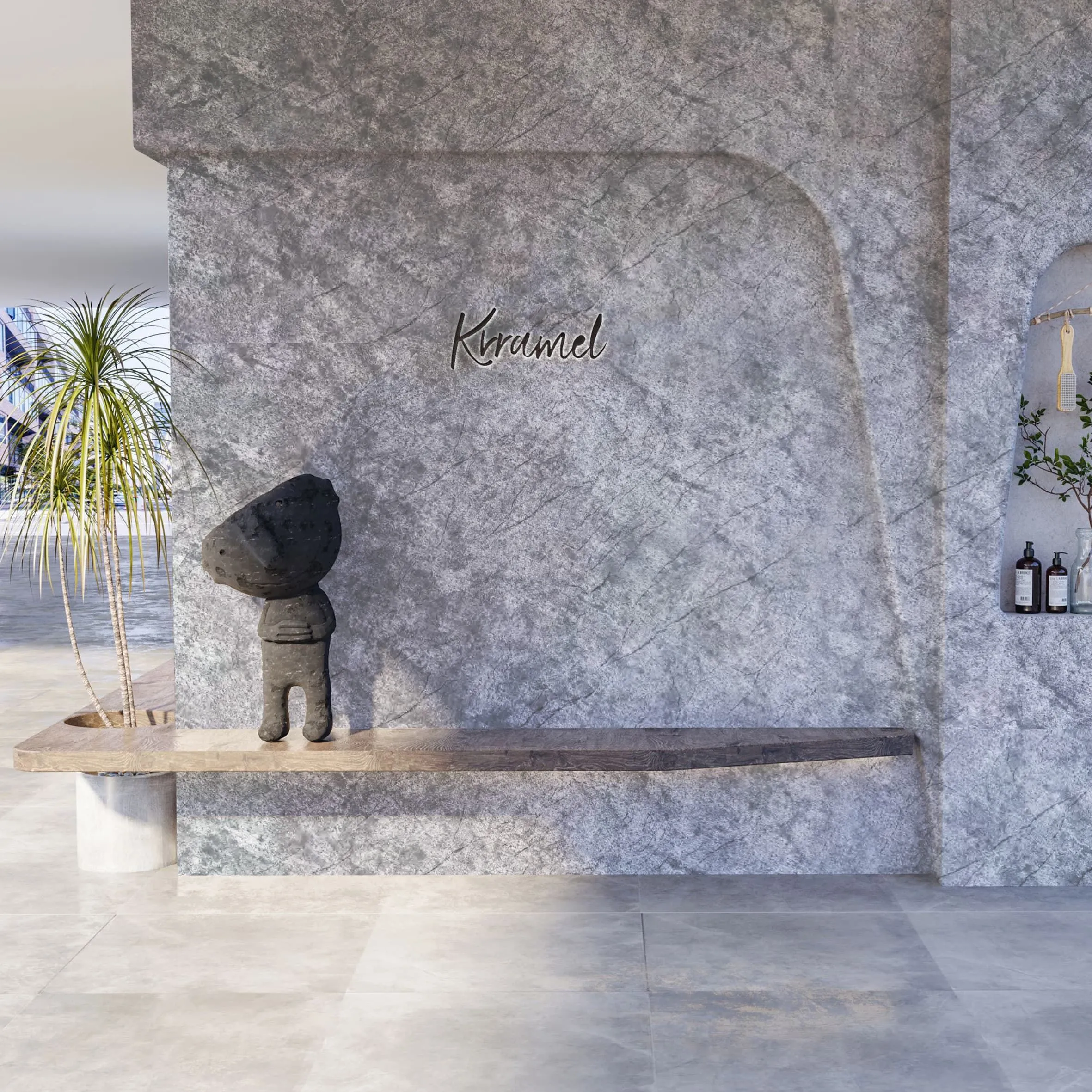
What truly sets MCM apart is its ability to replicate the aesthetic of glacial slate and limestone so accurately that even experts struggle to tell the difference at first glance. Want the rough-hewn texture of glacial slate? MCM can replicate those layered, crystalline patterns. Craving the warm, veined look of limestone? There's an MCM finish for that, too. But unlike their natural counterparts, MCM products like epoch stone and century stone are designed to stand up to the elements without demanding constant care. Let's break down why this matters.
To understand why MCM is a game-changer, let's first compare the maintenance needs of glacial slate and limestone head-to-head. Here's a look at what you're signing up for with each:
| Maintenance Task | Glacial Slate | Limestone |
|---|---|---|
| Sealing | Every 1–2 years; requires specialized sealants to prevent water absorption | Every 6–12 months; porous surface needs frequent sealing to resist stains and weathering |
| Stain Resistance | Moderate; oil and acidic substances (like bird droppings) can penetrate if unsealed | Poor; highly porous, stains from wine, grease, or rainwater are common and hard to remove |
| Weathering | Resistant to freezing but prone to chipping at edges; color fades in direct sunlight over time | Prone to erosion from rain and wind; soft surface scratches easily; discolors with exposure to pollution |
| Cleaning | Requires gentle, pH-neutral cleaners; abrasive tools risk damaging the surface | Must avoid acidic cleaners (even vinegar!); frequent wiping needed to prevent mold growth in humid climates |
| Repairs | Difficult; cracked slabs often need full replacement due to brittleness | Challenging; chips and etch marks are permanent without professional resurfacing |
As you can see, both stones demand significant time, money, and effort to keep looking their best. Now, imagine a material that eliminates nearly all of these tasks. That's MCM.
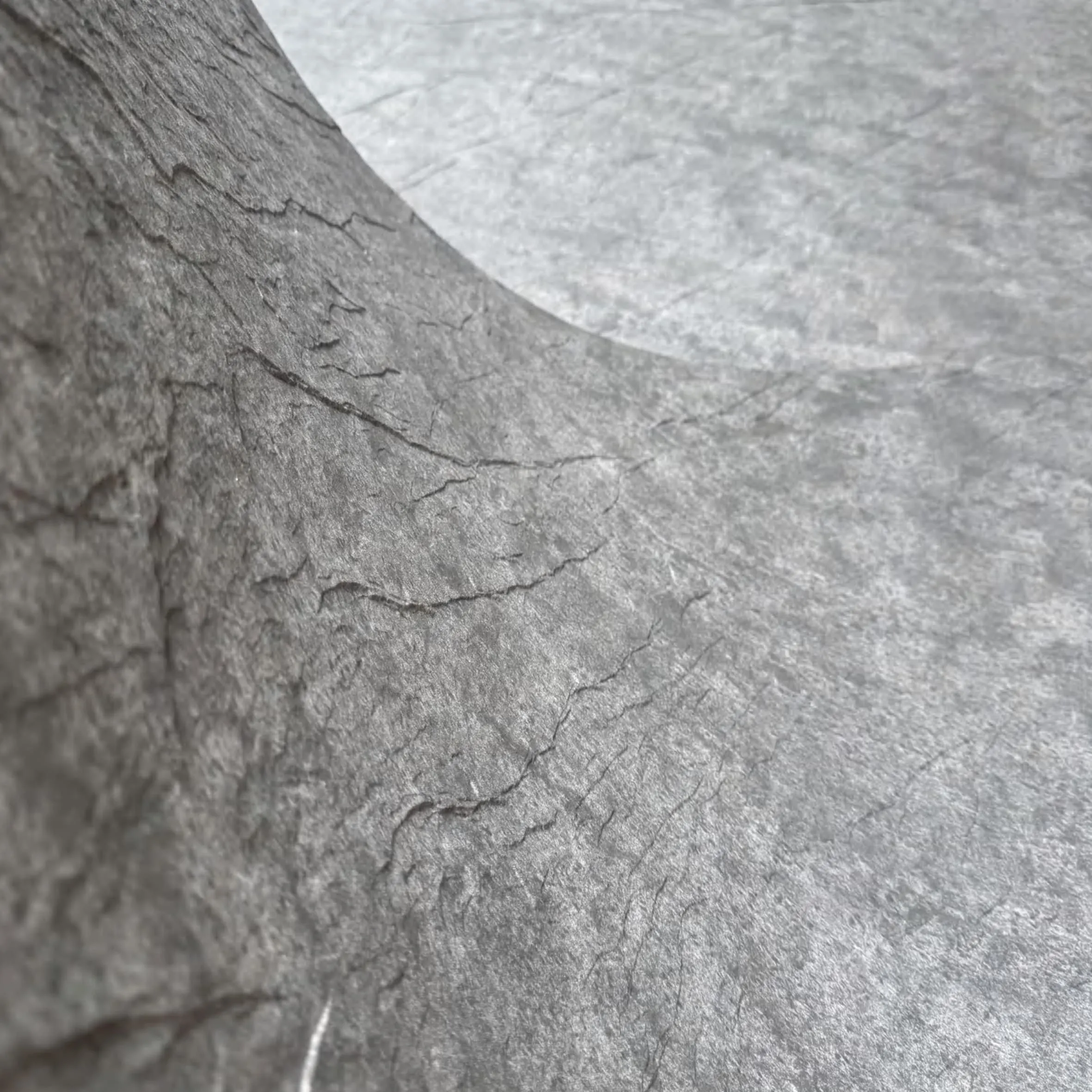
MCM isn't just a "good enough" alternative—it's a superior one, especially when it comes to maintenance. Here's how it solves the biggest pain points of glacial slate and limestone:
One of the biggest headaches with natural stone is sealing. Glacial slate and limestone are porous, meaning they absorb water and liquids, which can lead to mold, mildew, and structural damage. MCM, by contrast, is non-porous. Its polymer matrix creates a barrier that repels water, oil, and stains, so you never have to spend a weekend applying sealant or hiring a professional to do it for you. A quick rinse with a hose is all it takes to keep MCM looking fresh—no special products required.
Glacial slate may hold up to freezing temperatures, but it still chips and fades over time. Limestone, soft and sedimentary, erodes under heavy rain and wind. MCM, however, is built to withstand the harshest conditions. Its composite structure resists UV rays, so colors won't fade even in direct sunlight. It's also flexible enough to expand and contract with temperature changes, preventing cracks that plague natural stone. Whether you live in a rainy coastal area, a snowy mountain region, or a desert with extreme heat, MCM maintains its integrity year after year.
Spilled coffee on your limestone patio? Good luck getting that out. Oil from a grill dripping onto glacial slate? It might leave a permanent mark. MCM's non-porous surface means stains sit on top, not soak in. A little soap and water (or even just a wipe with a damp cloth) is usually enough to remove most spills. This is a game-changer for busy families, restaurants, or commercial buildings where accidents are inevitable.
Natural stone is heavy—really heavy. Glacial slate slabs can weigh 100 pounds or more, requiring cranes and reinforced structures to install. Limestone is slightly lighter but still cumbersome. MCM, on the other hand, weighs a fraction of the amount (often less than 5 pounds per square foot), making installation faster, safer, and cheaper. And if a panel does get damaged (a rare occurrence), repairs are simple: just remove the damaged section and snap a new one into place. No need to replace entire slabs or hire stonemasons.
While glacial slate and limestone are limited by their natural formation, MCM offers endless design possibilities. The MCM big slab board series , for example, lets you create seamless facades up to 10 feet wide, eliminating the need for unsightly grout lines. Want to mix textures? Pair fair-faced concrete -look MCM with a slate-inspired finish for a modern-industrial vibe. MCM can also be curved, cut into custom shapes, or even printed with unique patterns—something natural stone can't match without exorbitant costs.
Don't just take our word for it—MCM is already transforming exteriors around the world. Take the case of a luxury hotel in the Swiss Alps, which wanted the rustic charm of glacial slate for its facade but needed a material that could withstand heavy snowfall and freezing temperatures. Traditional glacial slate was too heavy for the building's structure and would have required annual sealing. Instead, they chose MCM flexible stone panels that mimicked the slate's texture. Five years later, the facade still looks brand-new, with no cracks, fading, or stains—even after harsh winters.
Closer to home, a residential development in Arizona opted for MCM limestone-look panels instead of real limestone to avoid the constant battle with desert heat and monsoon rains. Homeowners report spending just 10 minutes a month hosing down their exteriors, compared to the hours they used to spend sealing and scrubbing natural limestone. "It looks exactly like the limestone we fell in love with," says one resident, "but we don't have to panic every time it rains."
In a world where time is precious and budgets are tight, MCM offers something revolutionary: beauty without the burden. It's not just about avoiding sealing or scrubbing (though that's a huge plus). It's about peace of mind—the knowledge that your building's exterior will look great for decades, regardless of the weather or how busy life gets. Whether you're designing a commercial space, a home, or a public building, MCM lets you prioritize both aesthetics and practicality.
And let's not overlook sustainability. MCM production uses fewer natural resources than quarrying and transporting heavy stone slabs, and its lightweight nature reduces fuel consumption during shipping and installation. Many MCM products are also recyclable, making them a greener choice for eco-conscious builders.
Glacial slate and limestone will always hold a special place in architecture for their natural allure. But when it comes to creating exteriors that stand the test of time without demanding constant care, MCM is in a league of its own. From MCM flexible stone that bends to your design vision to MCM big slab board series that creates seamless, stunning facades, MCM delivers the best of both worlds: the look of natural stone and the performance of a modern composite.
So, if you're dreaming of a building exterior that turns heads and stands strong—without the endless maintenance—look no further than MCM. It's not just a material; it's a smarter way to build, live, and thrive.
Recommend Products












