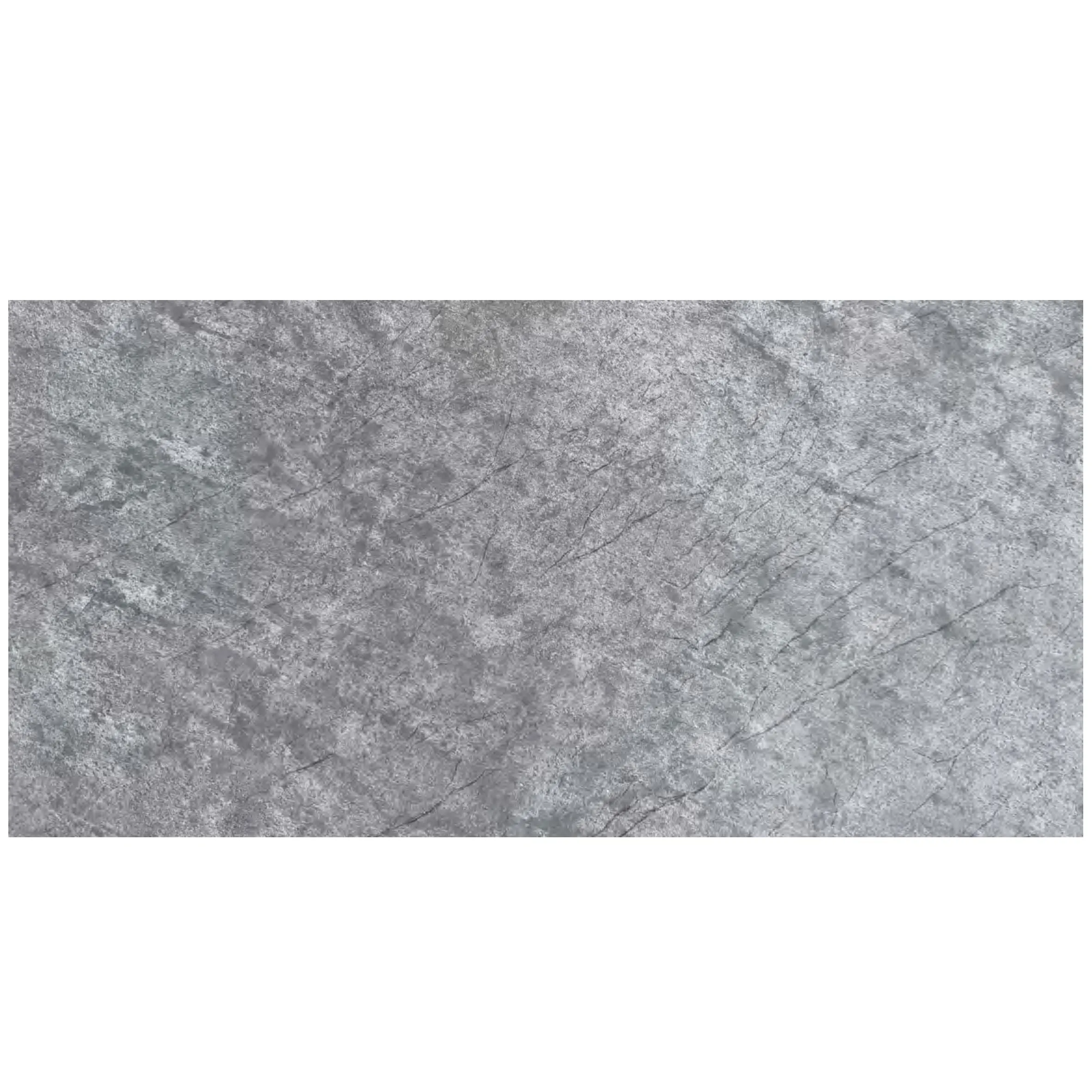
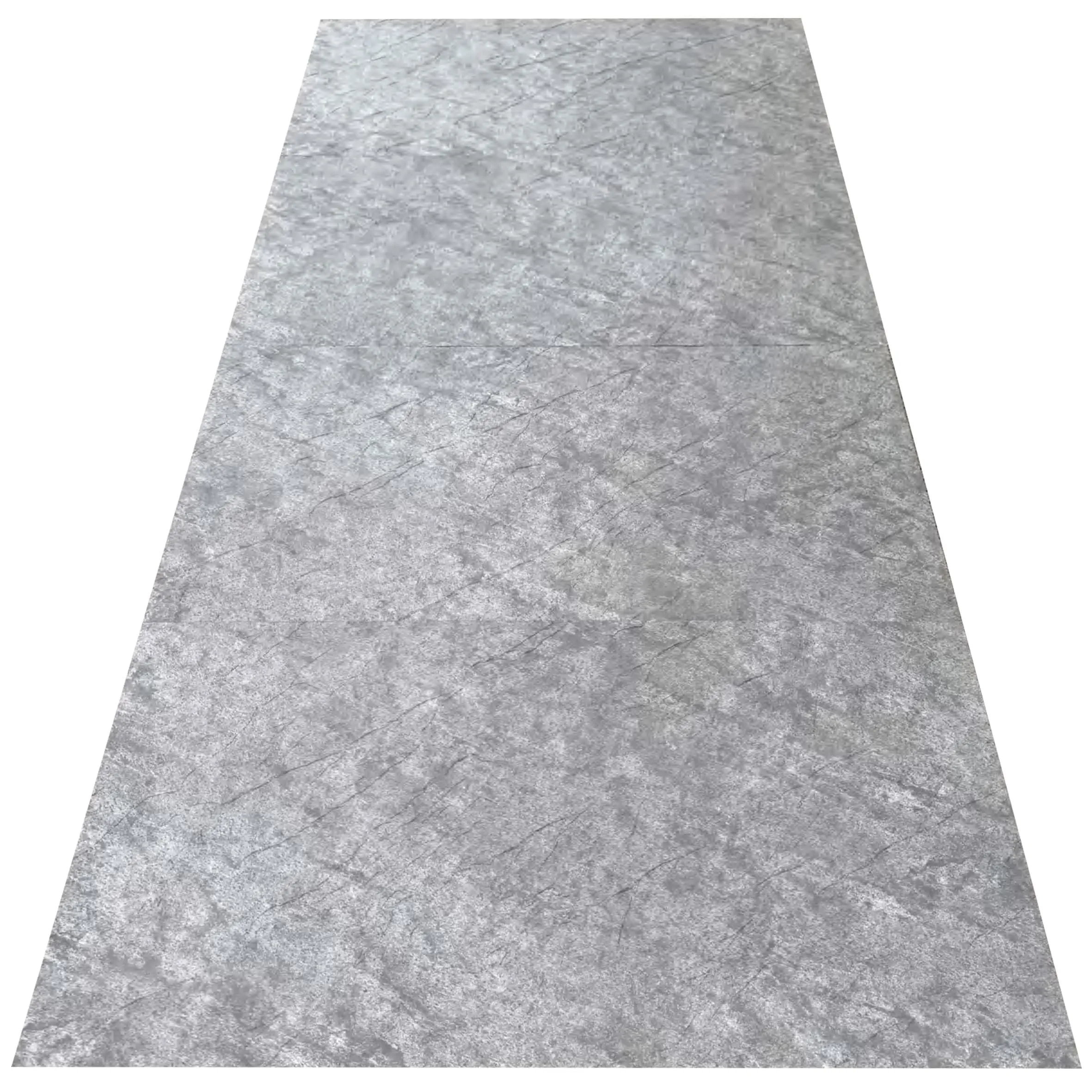
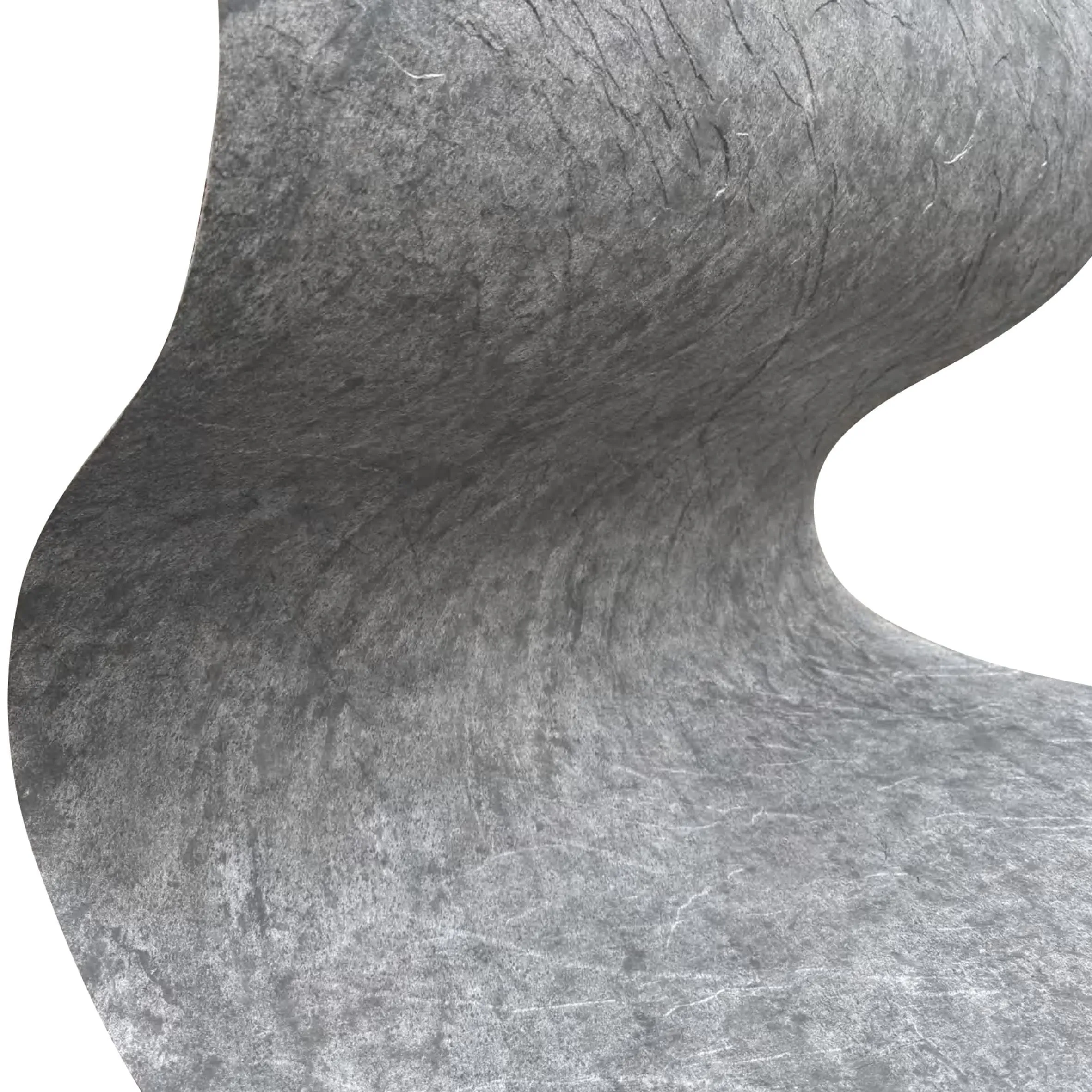
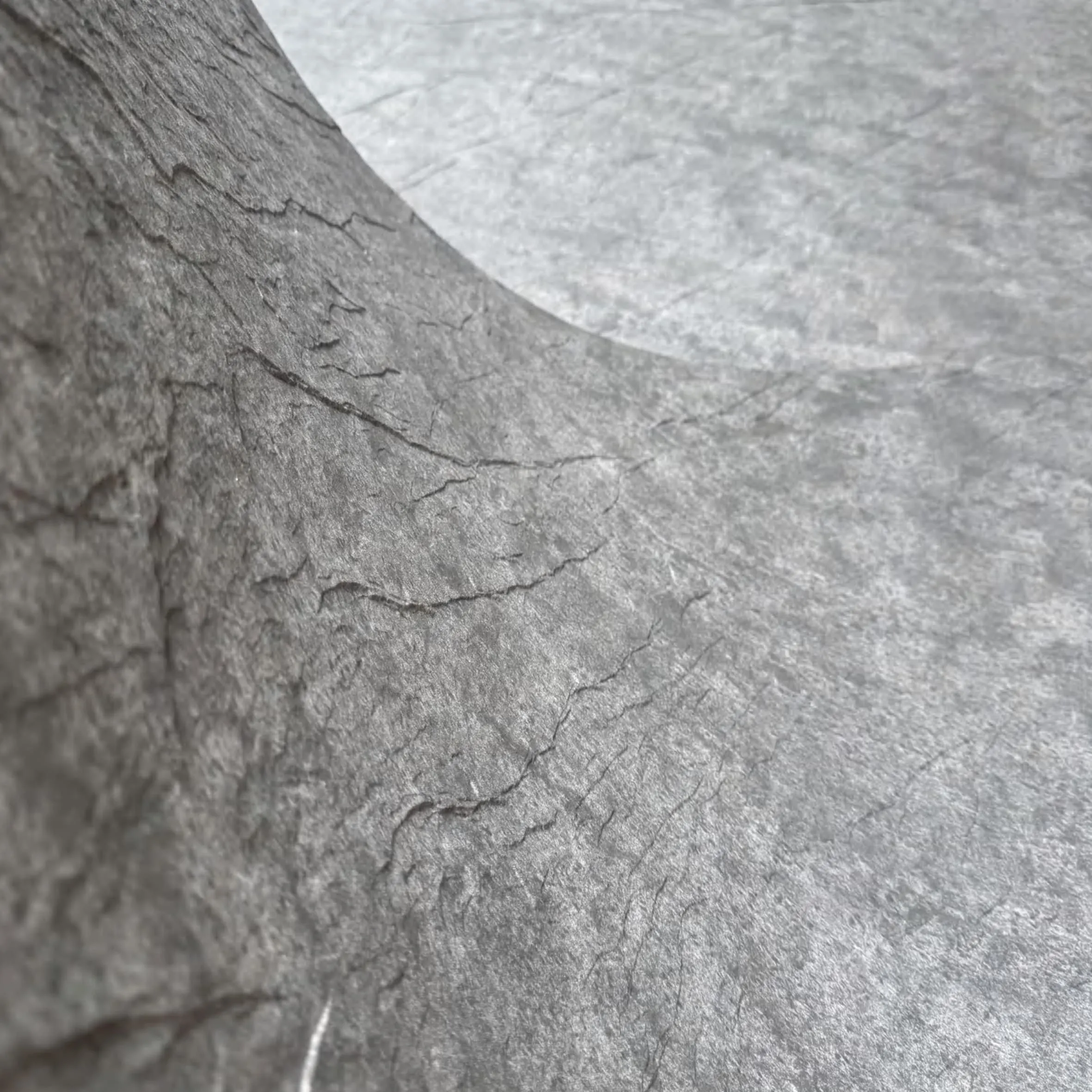
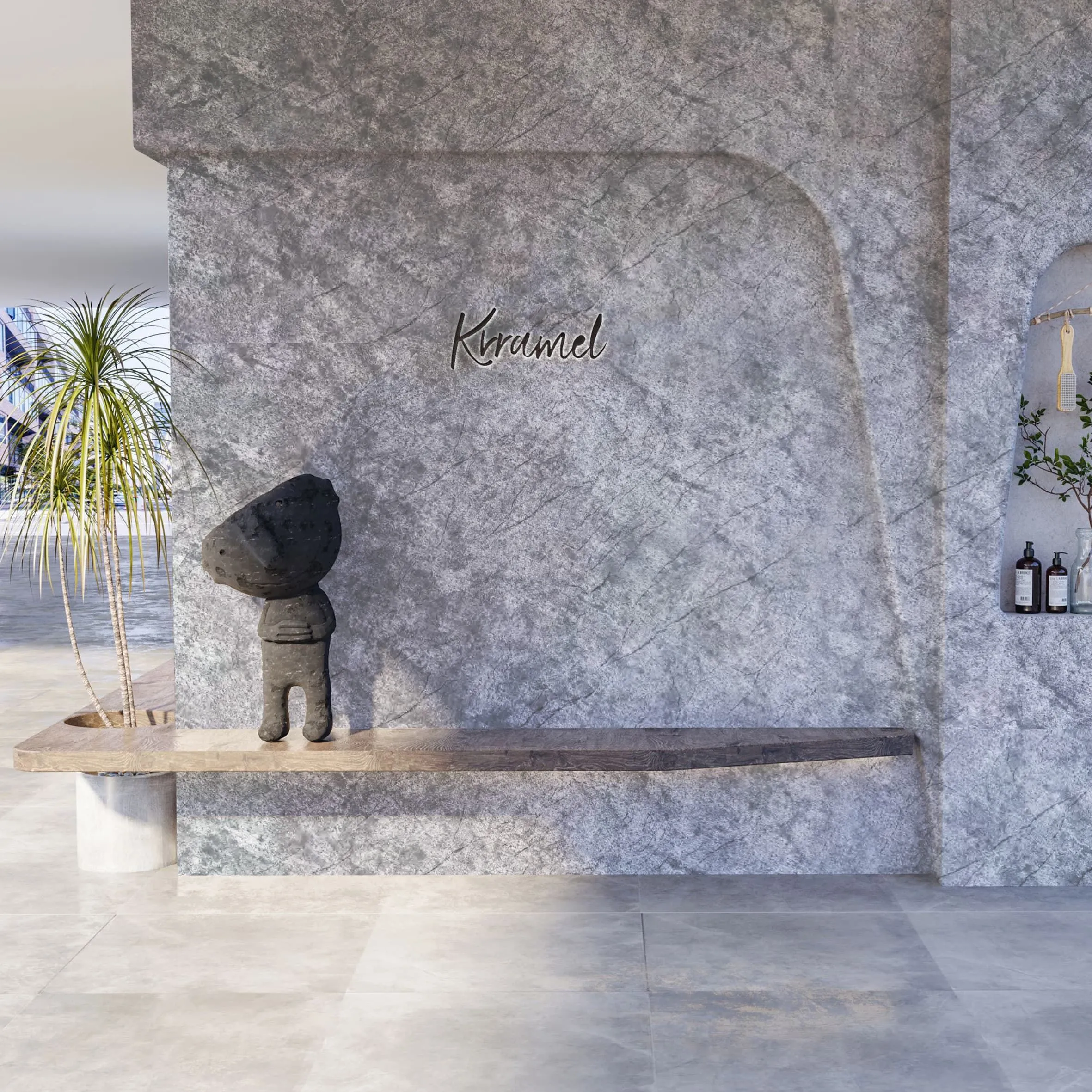
Now, the moment we've all been waiting for: How do these two stack up when you're staring at a budget spreadsheet? Let's break it down into the categories that matter most—initial cost, installation, maintenance, and long-term value.
1. Initial Cost: The Sticker Price
Let's start with the obvious: how much do they cost upfront? Glacial Slate typically falls into the mid-range category for MCM materials, averaging around $30-$50 per square meter, depending on the finish and supplier. It's not the cheapest MCM option (looking at you,
fair-faced concrete
), but it's far from the priciest.
The Marble Series, on the other hand, leans toward the premium end of the MCM spectrum, ranging from $50-$80 per square meter. Why the jump? Partly because replicating marble's intricate veining and glossy finish requires more advanced manufacturing techniques. The
MCM big slab board series
also adds a slight premium, as larger panels require more precise engineering to maintain structural integrity.
So, if you're working with a tight initial budget, Glacial Slate has a clear edge here. But remember—initial cost is just one piece of the puzzle.
2. Installation: Time, Labor, and Hassle
Installation costs can eat into your budget faster than you might think, so it's crucial to factor this in. Here's where MCM's lightweight nature becomes a game-changer for both materials—but there are still differences to note.
Glacial Slate, with its
MCM flexible stone
properties, is a dream for installers. Its flexibility means it can be cut on-site with standard tools, and it adheres easily to most substrates (concrete, wood, metal). Even if your project has tricky angles or curves, Glacial Slate bends without cracking, reducing waste and labor time. For a typical 100-square-meter project, installation might take 2-3 days with a small crew, keeping labor costs low.
The Marble Series, while also lightweight, requires a bit more precision—especially with the
MCM big slab board series
. Larger panels mean fewer cuts, which is great, but they also require two people to handle (to avoid bending or scratching the surface). Installers may need to use specialized adhesives to ensure the panels lie flat and seamless, adding a small premium to labor costs. For the same 100-square-meter project, you might be looking at 3-4 days of labor. Not a huge difference, but enough to notice in the final bill.
3. Maintenance: The Long-Term Investment
Here's where Glacial Slate really starts to pull ahead for budget-conscious buyers. Natural marble is notoriously high-maintenance—it stains easily, etches with acidic substances, and requires annual sealing. But while the
Marble Series
is more durable than natural marble, it still needs a little TLC. To keep that glossy finish intact, you'll need to seal it once every 1-2 years (costing around $0.50-$1 per square meter) and avoid harsh cleaners. Spills? Wipe them up quickly, especially acidic ones like coffee or wine.
Glacial Slate, by contrast, is practically maintenance-free. Its textured surface hides minor scratches, and it's resistant to stains, moisture, and UV rays. A quick wipe with soap and water is all it takes to keep it looking fresh. No sealing, no special cleaners, no panic over spilled juice on the kitchen backsplash. Over 10 years, that adds up to significant savings—no more annual sealing costs or professional cleaning bills.
4. Longevity: How They Hold Up Over Time
Both Glacial Slate and Marble Series are built to last—MCM materials typically have a lifespan of 20-30 years with proper care. But their durability in specific environments can affect long-term value.
Glacial Slate thrives outdoors. Its rough texture and resistance to weathering make it ideal for exteriors, patios, or pool surrounds. Even in harsh climates (heavy rain, extreme heat, freezing temperatures), it won't fade, crack, or warp. That means fewer repairs or replacements down the line—a big win for budget projects.
The Marble Series, while durable, is better suited for indoor use or sheltered exteriors (like covered porches). Its glossy finish can fade with prolonged sun exposure, and while it's moisture-resistant, constant rain or snow might eventually dull the surface. If you do use it outdoors, you'll likely need to replace panels sooner (15-20 years) than you would with Glacial Slate. For indoor spaces, though, it's just as long-lasting as Glacial Slate—so if you're using it in a kitchen or bathroom, longevity isn't an issue.