
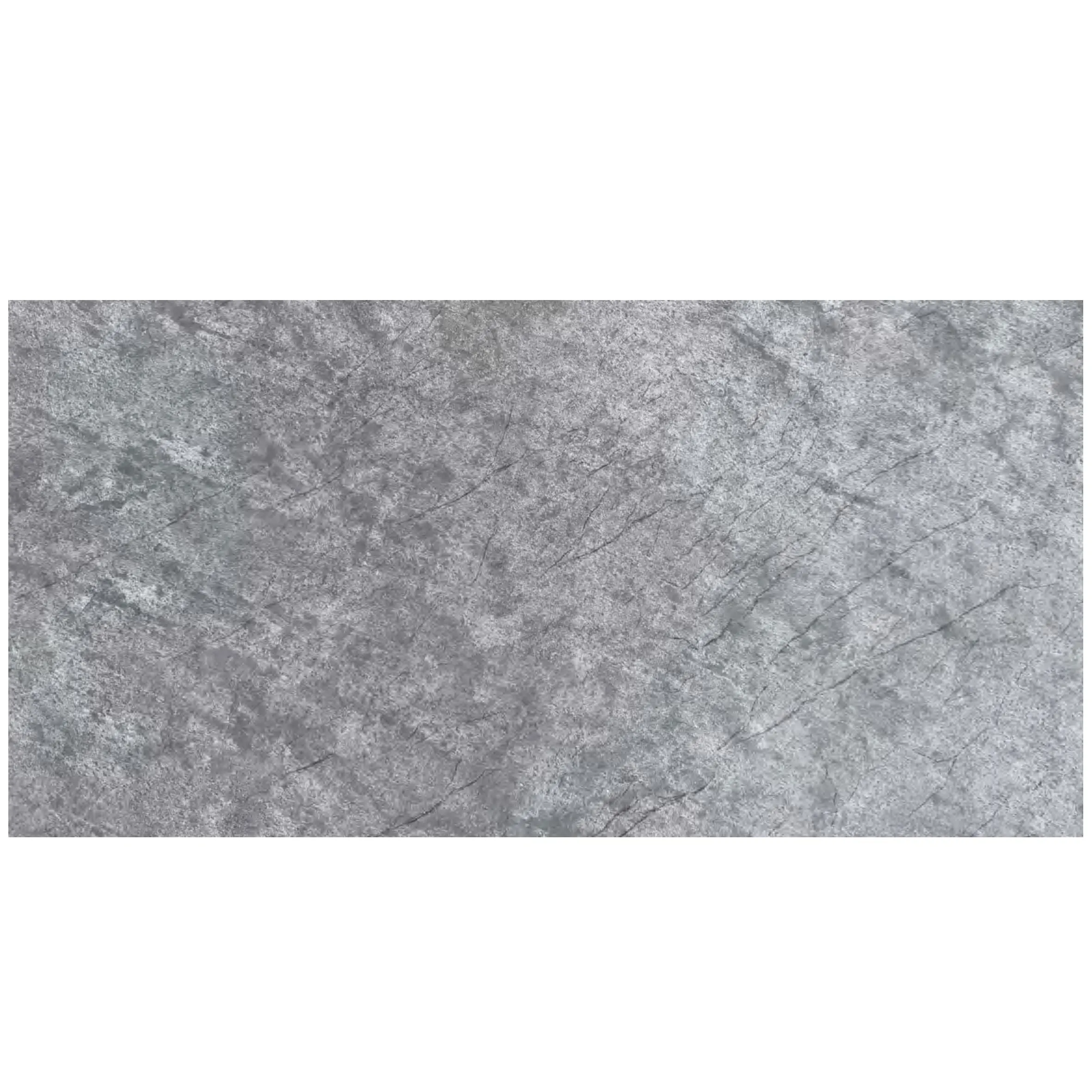
Choosing the right material for your space is more than just a design decision—it's a commitment to functionality, aesthetics, and values. For decades, natural stone has reigned supreme as a symbol of timeless elegance, but today's innovators are introducing alternatives that challenge the status quo. Enter Glacial Slate, a material that blends the raw beauty of nature with the precision of engineering, and MCM Flexible Stone, a lightweight, versatile option that's redefining what's possible in construction and decor. Let's dive into how these materials stack up against traditional natural stone, exploring the nuances of cost, durability, and sustainability that every homeowner, architect, and designer should consider.
When it comes to home improvement or commercial projects, budget is often the first hurdle. Natural stone, with its centuries-old allure, has never been a budget-friendly choice—and for good reason. Take marble or granite, for example: extracting these stones from quarries involves heavy machinery, skilled labor, and meticulous cutting to yield slabs of usable size. Then there's transportation: a single slab of natural stone can weigh hundreds of pounds, driving up shipping costs, especially for long-distance projects. Installation adds another layer of expense; because natural stone is prone to cracking if mishandled, contractors often charge premium rates for precision placement, not to mention the cost of sealing and finishing to protect against stains and wear.
Glacial Slate, by contrast, offers a more predictable cost structure. Mined from ancient glacial deposits, this material is formed by layers of compressed sediment, making it easier to extract and cut into uniform slabs. Unlike natural stone, which can vary drastically in thickness and density, Glacial Slate's consistency reduces waste during manufacturing—a key factor in keeping costs down. For instance, a 100-square-foot kitchen countertop project using natural granite might run $3,000–$5,000, including materials and installation. The same area with Glacial Slate could trim that cost by 15–20%, thanks to lower extraction and labor fees.
Then there's MCM Flexible Stone, a game-changer for budget-conscious designers. Made from a blend of natural stone particles and polymer resins, MCM (Modified Composite Material) is lightweight—often 70% lighter than traditional stone—meaning it's cheaper to ship and easier to install. A contractor can handle MCM panels without specialized equipment, slashing labor costs. For a commercial space like a restaurant wall cladding, MCM Flexible Stone might cost $25–$40 per square foot, compared to $50–$80 per square foot for natural travertine. Even premium MCM options, like those mimicking Travertine (Starry Green) with its celestial veining, stay within a more accessible price range, proving that luxury doesn't have to break the bank.
Of course, cost isn't just about upfront expenses. Natural stone often requires regular maintenance—annual sealing, occasional repairs for chips or cracks—that adds up over time. Glacial Slate, with its dense, non-porous surface, needs minimal sealing, while MCM Flexible Stone's resin coating resists stains and scratches, reducing long-term upkeep costs. For homeowners planning to stay in their homes for decades, these savings can make a significant difference in the total cost of ownership.
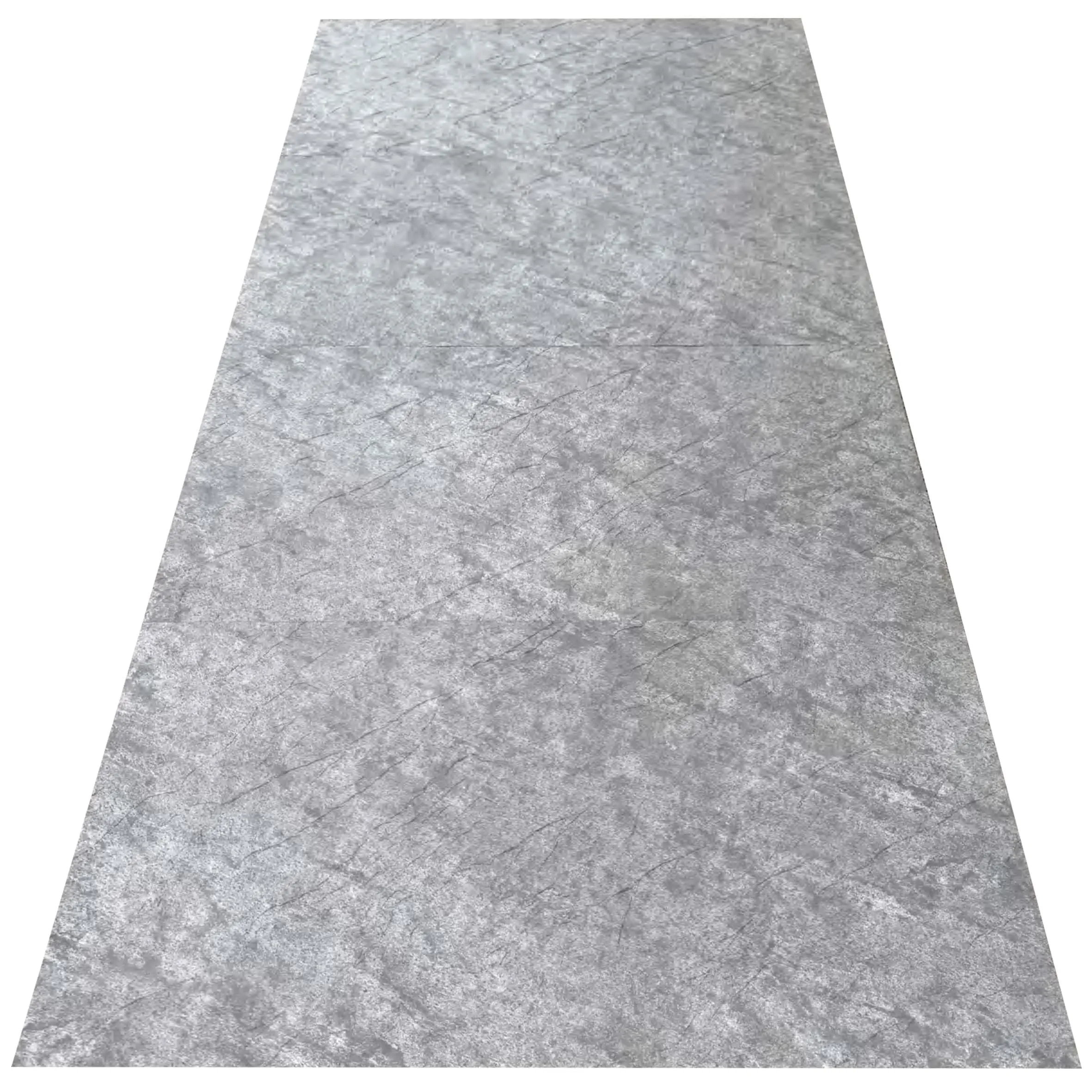
Beauty fades if a material can't stand up to daily life. Natural stone, for all its grandeur, has its vulnerabilities. Take travertine, a popular choice for flooring and backsplashes: its porous surface absorbs liquids quickly, making it prone to staining from coffee spills or wine drips. Even with sealing, repeated exposure to moisture can lead to mold growth or discoloration. Granite, while harder, isn't impervious—acidic substances like lemon juice or vinegar can etch its surface, leaving permanent marks. In outdoor settings, natural stone fares even worse: freeze-thaw cycles can cause cracks as water seeps into pores, expands, and breaks the stone apart.
Glacial Slate, forged by the pressure of ancient glaciers, is a study in resilience. Its layered structure gives it exceptional strength, with a Mohs hardness rating of 6–7 (comparable to granite), meaning it resists scratches from everyday use. Unlike natural stone, Glacial Slate has low porosity, so it repels water and stains without the need for frequent sealing. Imagine a bathroom shower wall clad in Glacial Slate: no more worrying about water damage or grout discoloration—just a sleek, durable surface that looks as good on day 1,000 as it did on day one.
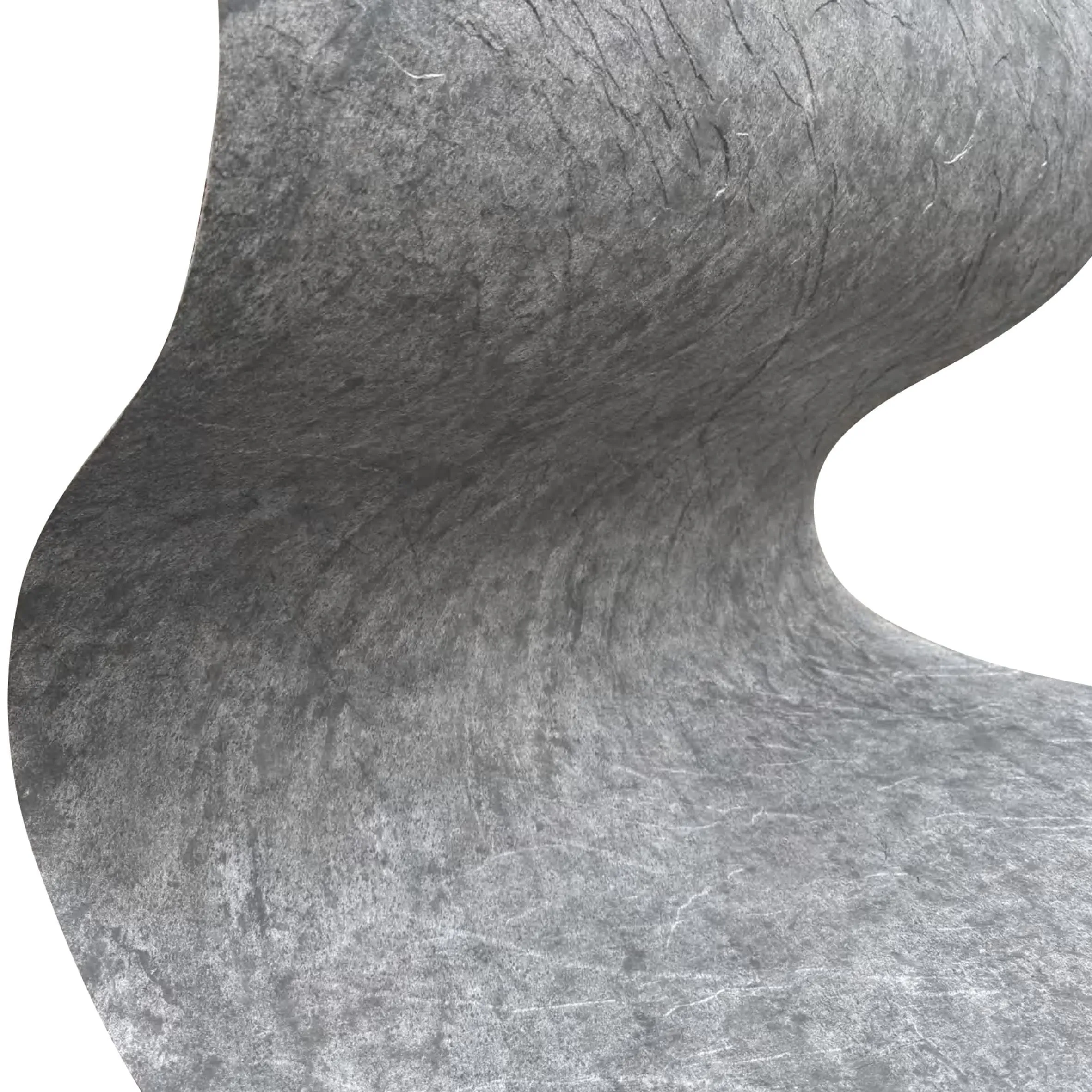
MCM Flexible Stone takes durability a step further with its flexibility. Traditional stone is rigid, which makes it susceptible to cracking under stress—say, during an earthquake or structural shift. MCM panels, however, can bend slightly without breaking, making them ideal for curved surfaces or high-traffic areas like hallways. A retail store with MCM cladding mimicking Rough Granite Stone (Medium Grey) won't have to replace panels every few years due to chips; the material's flexibility absorbs impact, keeping walls looking fresh. Even in harsh climates, MCM holds up: its resin binding resists UV rays, preventing fading, and its lightweight nature reduces the risk of wind damage in coastal areas.
For those prioritizing extreme durability, options like Fair-Faced Concrete offer a utilitarian alternative, but they lack the warmth of stone. Glacial Slate and MCM Flexible Stone bridge that gap, combining strength with aesthetic appeal. Consider a patio: natural limestone might develop cracks after a few winters, but a Glacial Slate patio or MCM Gobi Panel installation would withstand rain, snow, and foot traffic with minimal wear, ensuring that your outdoor space remains inviting for years to come.
In an era of climate consciousness, the environmental impact of building materials can't be ignored. Natural stone extraction is resource-intensive: quarries disrupt ecosystems, destroy habitats, and consume vast amounts of energy. A single granite quarry can generate 20–30 tons of waste per ton of usable stone, much of which ends up in landfills. Transportation amplifies the carbon footprint—shipping a slab from Italy to the U.S. releases significant CO2 emissions. Even "local" stone quarries contribute to deforestation and soil erosion, making natural stone a less-than-ideal choice for eco-minded consumers.
Glacial Slate, by contrast, often comes from reclaimed or secondary quarries—sites where traditional stone extraction has already occurred, and Glacial Slate is harvested from leftover layers. This reduces the need for new mining, minimizing habitat disruption. Some Glacial Slate producers also use renewable energy in processing, further lowering their carbon footprint. For example, a quarry in Scandinavia might power its cutting machinery with hydropower, turning a historically energy-heavy process into a greener one.
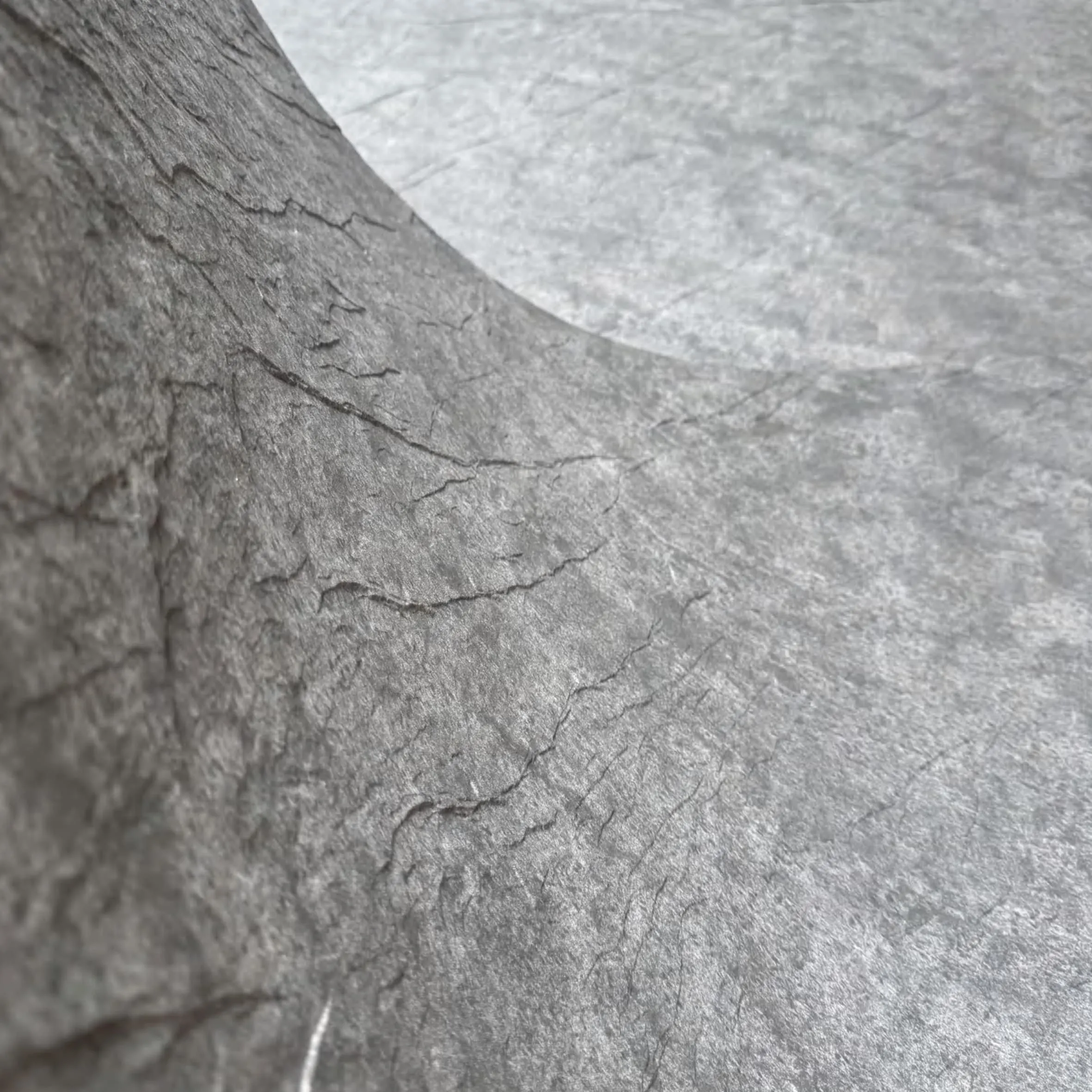
MCM Flexible Stone takes sustainability a step further. Many manufacturers use recycled stone particles—leftover dust and chips from natural stone processing—in their blends, diverting waste from landfills. The production process itself is low-energy: unlike firing ceramic tiles or melting metals, MCM manufacturing uses heat-curing at lower temperatures, reducing energy consumption by up to 40% compared to traditional stone processing. Even the lightweight nature of MCM plays a role in sustainability: lighter materials mean fewer trucks on the road, cutting transportation emissions. For a school renovation aiming for LEED certification, choosing MCM Weaving (Khaki) panels over natural sandstone could earn valuable green building points, aligning the project with eco-friendly goals.
Other sustainable options, like Foamed Aluminium Alloy Board (Vintage Silver), offer durability with recyclability—aluminum is 100% recyclable, and foamed versions use less material than solid metal. However, they lack the organic feel of stone. Glacial Slate and MCM Flexible Stone, with their natural components and eco-friendly manufacturing, provide a middle ground: the beauty of stone without the environmental toll. Imagine a community center built with MCM Lunar Peak Silvery panels, knowing that the material's production saved thousands of gallons of water and reduced carbon emissions by 30% compared to natural marble. That's sustainability you can see—and feel good about.
To help visualize the differences, here's a breakdown of key factors between Glacial Slate, traditional natural stone (e.g., marble/travertine), and MCM Flexible Stone:
| Factor | Glacial Slate | Natural Stone (Marble/Travertine) | MCM Flexible Stone |
|---|---|---|---|
| Cost (per sq. ft.) | $35–$60 (materials + installation) | $50–$100+ (materials + installation) | $25–$45 (materials + installation) |
| Durability | High (resistant to scratches, low porosity) | Moderate (requires sealing, prone to staining/cracking) | Very High (flexible, impact-resistant, UV-stable) |
| Sustainability | Good (reclaimed quarries, lower waste) | Low (high quarrying impact, carbon-heavy shipping) | Excellent (recycled materials, low-energy manufacturing) |
| Aesthetic Variety | Moderate (natural layered patterns, earthy tones) | High (unique veining, diverse colors like Travertine (Starry Blue)) | Very High (mimics stone, wood, metal; e.g., Weaving (Jacinth), Foamed Aluminium Alloy Board (Vintage Gold)) |
| Maintenance | Low (seal every 3–5 years) | High (seal annually, prone to repairs) | Very Low (no sealing needed, easy to clean) |
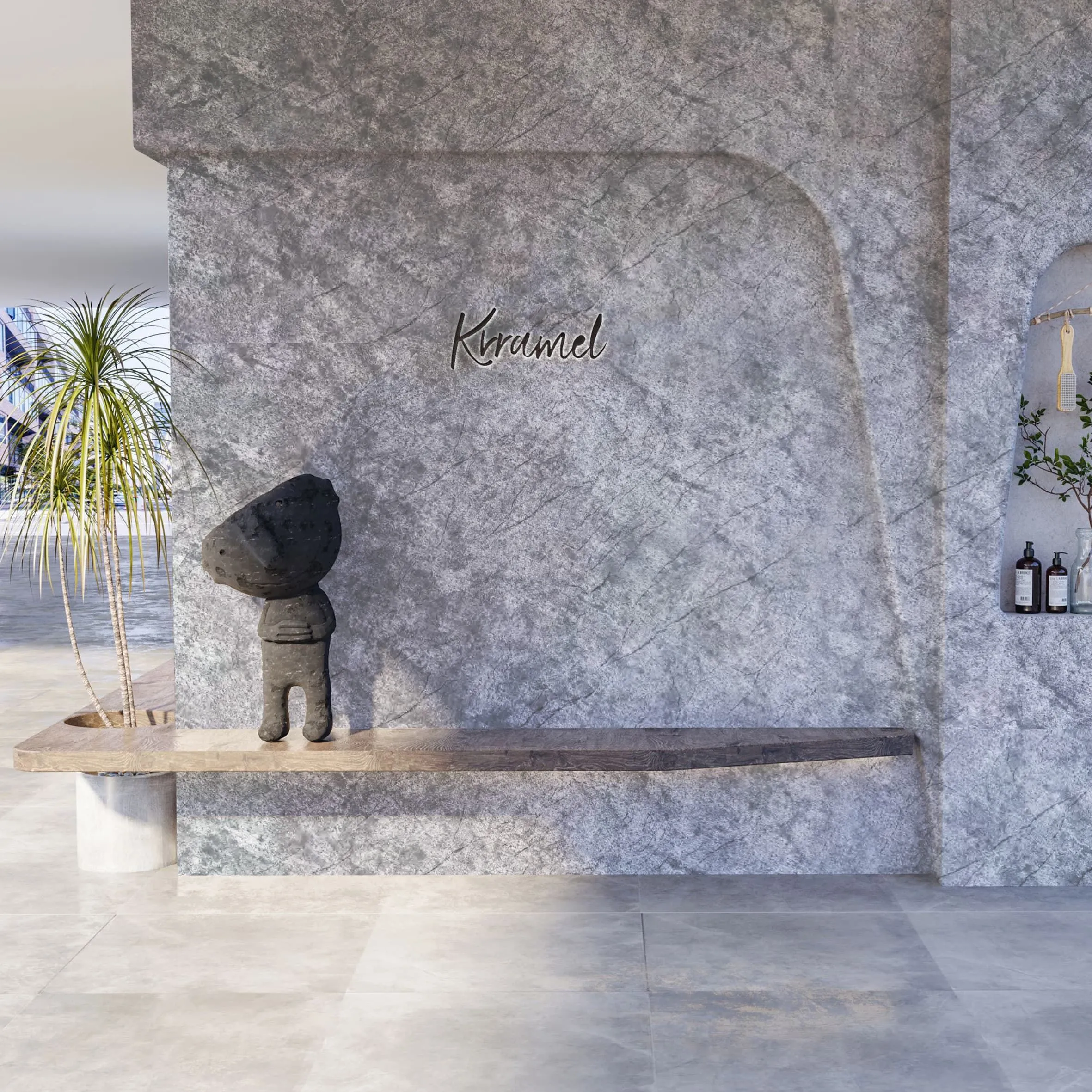
At the end of the day, the choice between Glacial Slate, natural stone, and MCM Flexible Stone depends on your priorities. If you crave the one-of-a-kind beauty of natural stone and have the budget for maintenance, options like Travertine (Starry Orange) or Red Travertine will always hold a special place. But for those seeking balance—cost-effectiveness, durability, and sustainability—Glacial Slate and MCM Flexible Stone are compelling alternatives.
Glacial Slate appeals to those who want a material with deep roots in nature, minus the unpredictability of traditional stone. It's a nod to the past, shaped by time, but refined for modern living. MCM Flexible Stone, on the other hand, is for the innovators—designers and homeowners who refuse to compromise on style or sustainability. Whether you're cladding a skyscraper with Foamed Aluminium Alloy Board (Vintage Silver) or revamping a kitchen with MCM Wood Grain Board, this material lets you dream bigger, bolder, and greener.
Whichever path you choose, remember: the best materials aren't just about how they look—they're about how they live, how they last, and how they align with the world you want to build. Glacial Slate and MCM Flexible Stone aren't just replacing natural stone; they're redefining what it means to build with intention. And in that redefinition, we find a future where beauty, strength, and sustainability coexist.
Recommend Products












