
There's something undeniably magical about coastal living. The sound of waves crashing at dawn, the salty breeze that carries the scent of the ocean, the way sunlight dances on water—these are the moments that make building a home or commercial space by the shore feel like a dream. But anyone who's dipped their toes into coastal construction knows the reality isn't all sunsets and sea shells. The ocean, for all its beauty, is a relentless force: saltwater (corrodes), humidity warps, and storms lash with unforgiving intensity. Choosing the right materials here isn't just about aesthetics; it's about survival. For decades, two natural stones have dominated the conversation: glacial slate and quartzite. Both have earned their stripes, but today, a new contender is redefining what's possible for coastal cladding: MCM (Modified Composite Material). Let's dive into the age-old debate, then explore why MCM might just be the coastal builder's new best friend.
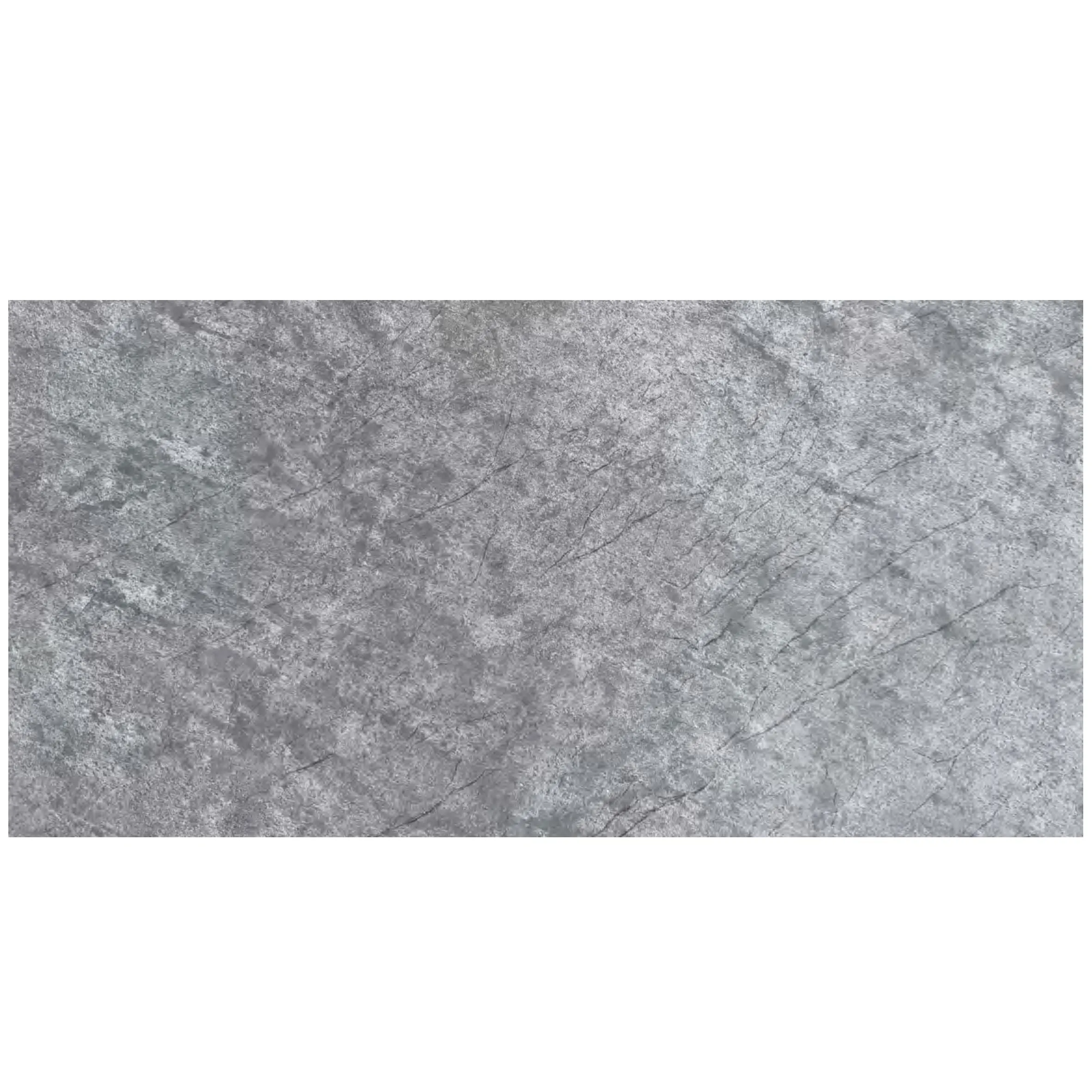
Walk along the rocky coastlines of New England or the fjords of Norway, and you'll likely stumble upon glacial slate. Formed over millennia by the pressure of ancient ice sheets, this stone carries the weight of history in its layers. Its cool, blue-gray tones and subtle texture evoke a sense of calm, like the ocean itself on a windless day. Homeowners and designers love it for its organic, earthy charm—no two slabs are exactly alike, giving walls and facades a one-of-a-kind character that feels rooted in the landscape.
But glacial slate isn't without its quirks, especially by the sea. For starters, it's heavy. A single slab can weigh upwards of 15 pounds per square foot, requiring reinforced structural support that adds time and cost to projects. Then there's porosity: slate, while dense, is still a natural stone with tiny pores that absorb moisture. In coastal areas, that means saltwater seeps in, leading to cracks, discoloration, and even mold over time. To fight this, you're looking at regular sealing—every 1–2 years—just to keep it looking its best. And if a storm chips a piece? Replacing it isn't as simple as picking up a new slab; you'll spend hours hunting for a match to maintain that "natural" look.
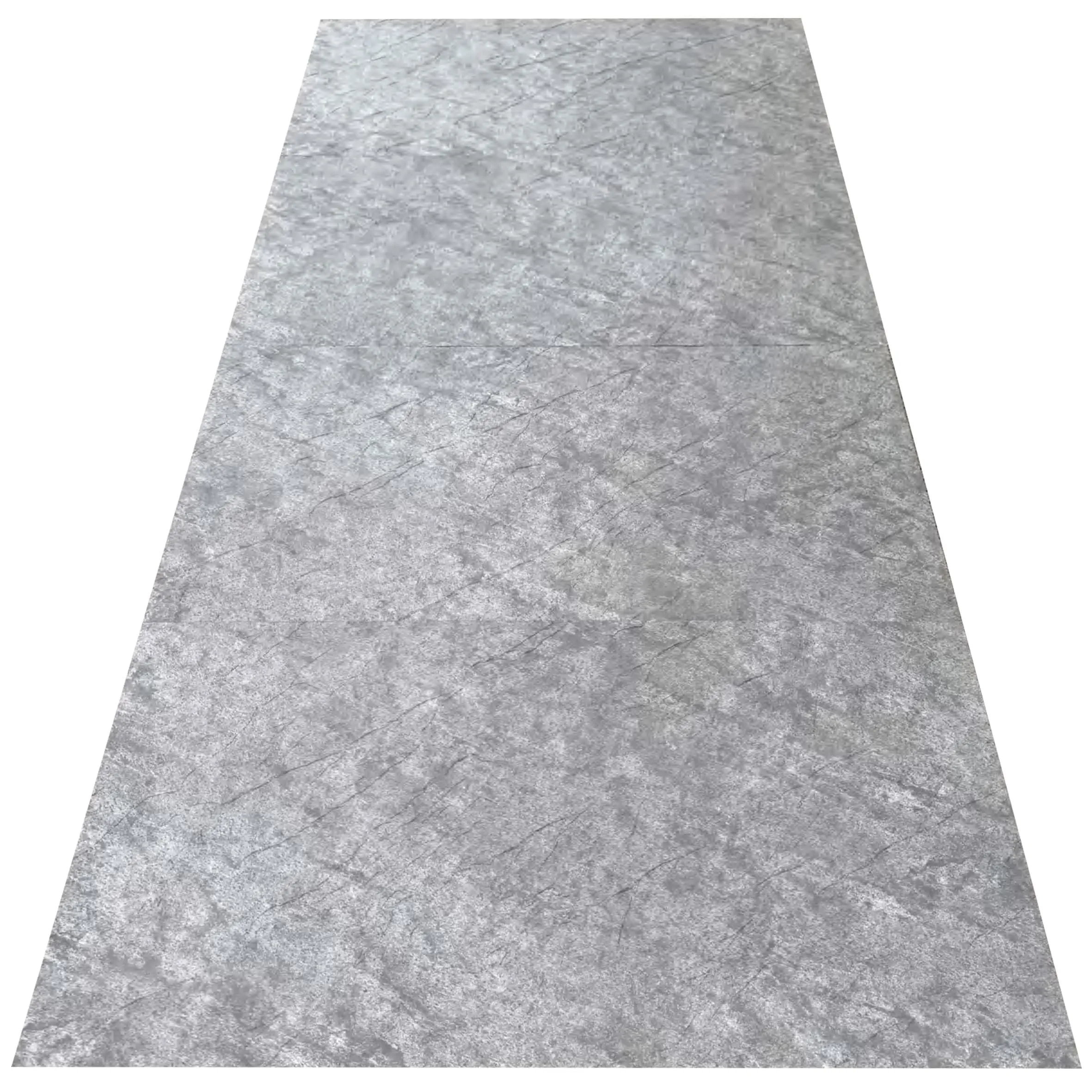
If glacial slate is the poet of natural stones, quartzite is the pragmatist. Formed when sandstone is heated and compressed by tectonic forces, it's one of the hardest natural stones on the planet—second only to diamonds in some cases. That hardness makes it a rockstar (pun intended) when it comes to resisting scratches, dents, and even the occasional rogue beach ball. Designers prize its crystalline sparkle, which catches the light in a way that adds luxury to any space, whether it's a beachfront villa or a coastal restaurant.
But even quartzite has its limits by the shore. Its density, while great for durability, also makes it incredibly heavy—often heavier than slate. Installation becomes a logistical headache, requiring specialized labor and equipment. And while it's less porous than slate, it's not impervious. Saltwater spray can still etch its surface over time, dulling that signature shine. Plus, quartzite tends to come in a narrower range of colors—think whites, grays, and soft pinks—leaving little room for bold, coastal-inspired creativity. For those dreaming of a home that stands out against the sand and surf, quartzite can feel restrictive.
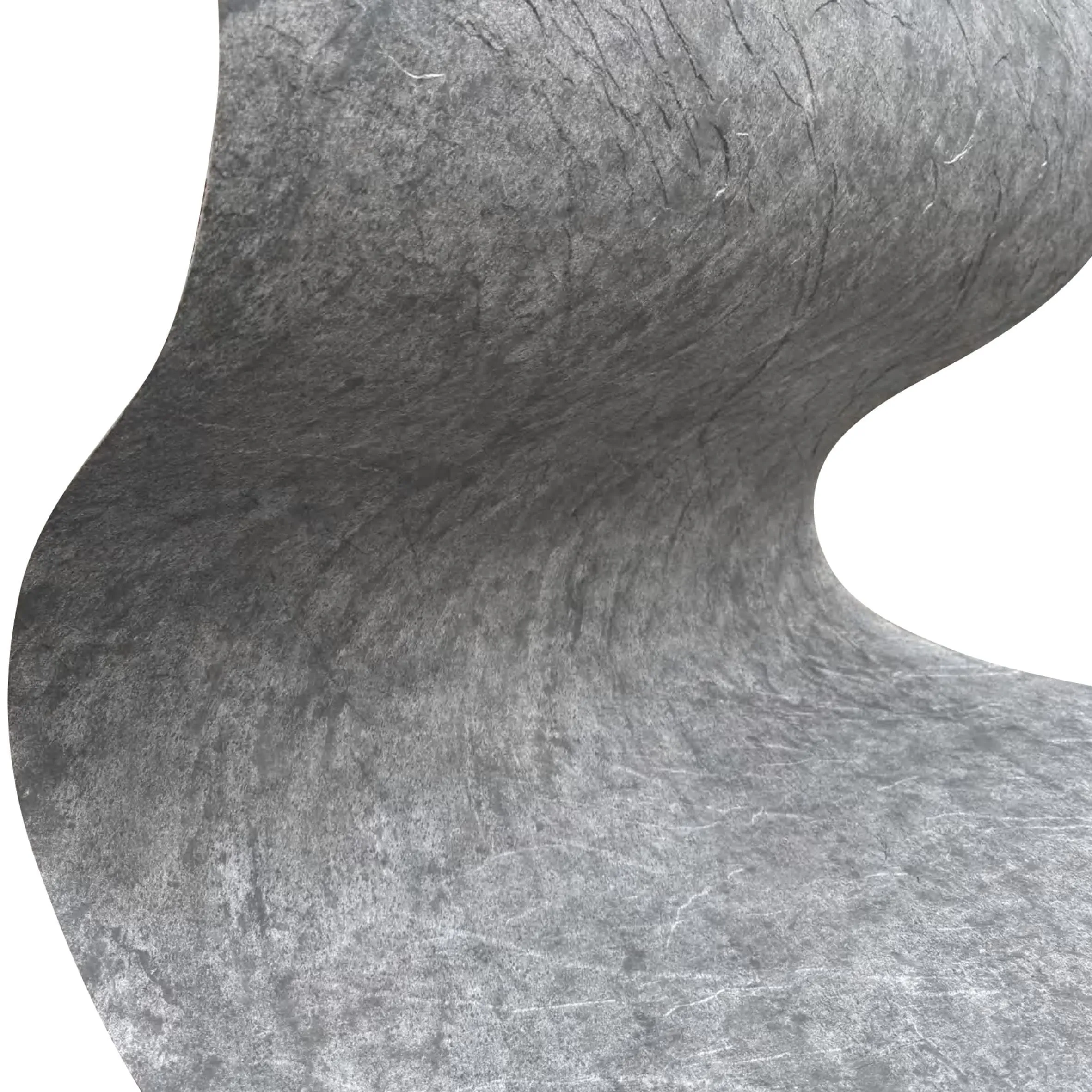
Enter MCM, or Modified Composite Material—a category of building products that's quietly revolutionizing coastal construction. MCM isn't a single material but a blend of natural minerals (like stone or clay) and high-performance polymers, engineered to capture the beauty of natural materials while solving their biggest flaws. Imagine getting the look of glacial slate or quartzite, but lighter, more durable, and infinitely customizable. That's MCM in a nutshell.
What makes MCM so game-changing for coastal projects? Let's start with weight: most MCM panels weigh just 3–5 pounds per square foot—less than a third of traditional stone. That means no need for reinforced walls or heavy-duty installation equipment; even smaller crews can handle it, cutting down on labor costs and project timelines. Then there's durability: MCM is designed to laugh off saltwater, humidity, and UV rays. No sealing, no staining, no worrying about cracks after a hurricane. And perhaps best of all? Design flexibility. MCM can mimic the texture of glacial slate, the sparkle of quartzite, or even bold, vibrant hues that traditional stones can't match—think deep blues that mirror the ocean at dusk or iridescent finishes that catch the coastal sun.
MCM isn't a one-size-fits-all solution, and that's part of its appeal. Let's take a closer look at a few standout lines that are making waves in coastal building:
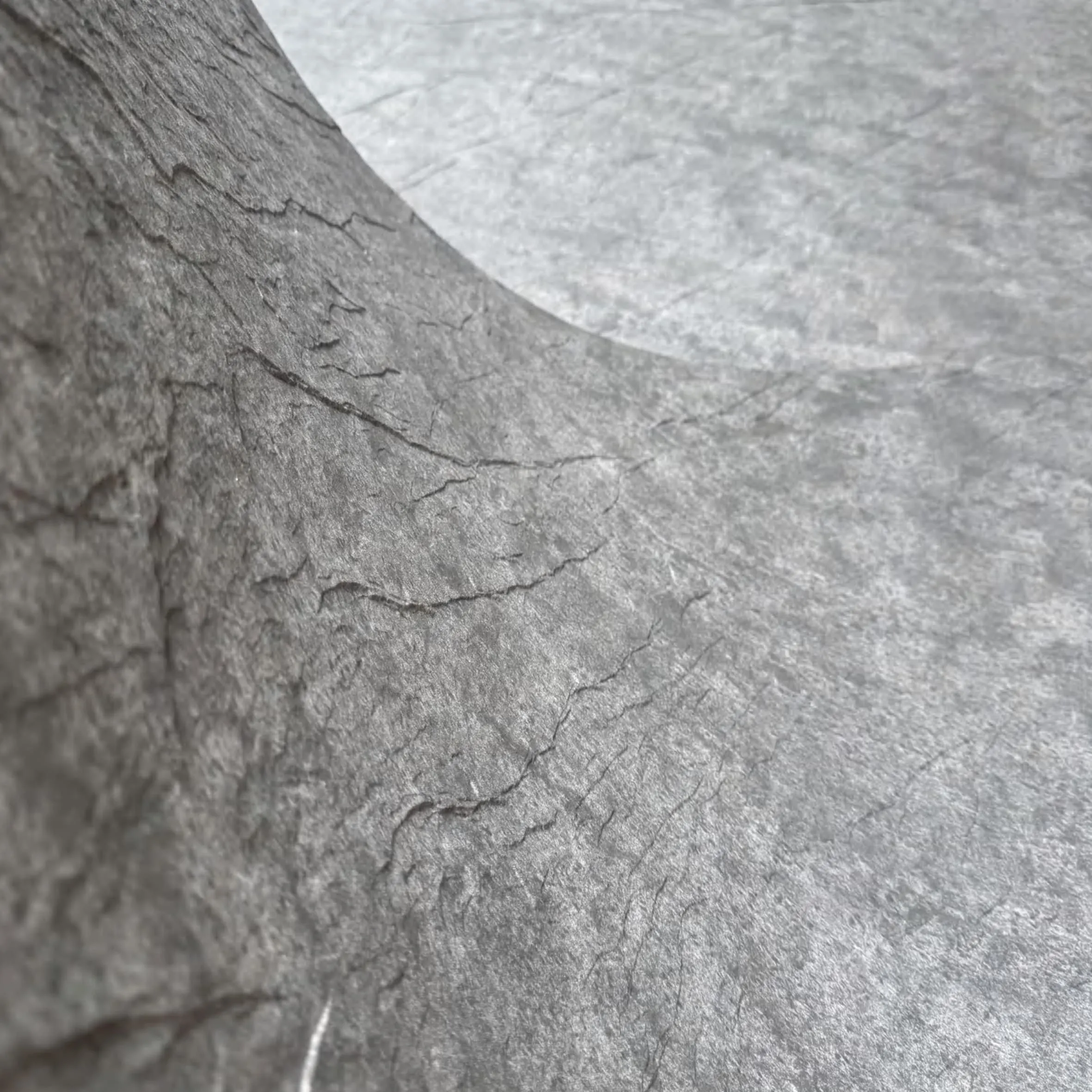
True to its name, mcm flexible stone bends (yes, bends!) without breaking, making it perfect for curved walls or unique architectural details—like a rounded outdoor shower or a (wave-shaped) facade that echoes the ocean's motion. Its thin, flexible panels are easy to install around corners or over uneven surfaces, and with finishes that mimic everything from rough-hewn slate to smooth travertine, it's a chameleon in the best way. For coastal homes with bold designs, this flexibility is a game-changer.
Nothing says "modern coastal elegance" like clean, uninterrupted lines, and the mcm big slab board series delivers just that. These oversized panels (some up to 4 feet wide) minimize visible joints, creating a seamless look that makes spaces feel larger and more cohesive. Imagine a living room wall clad in a single slab of MCM that looks like polished quartzite—no grout lines to collect salt or sand, just smooth, uninterrupted beauty. Plus, fewer panels mean faster installation—always a win when you're eager to move into your beach home.
For those who love the look of metal but cringe at the thought of rust, foamed aluminium alloy board (vintage silver) is a revelation. This MCM variant combines the lightweight benefits of aluminum with a foamed core that adds texture and insulation, all finished in a soft, vintage silver that pairs beautifully with coastal neutrals. It's corrosion-resistant, so saltwater spray won't leave unsightly spots, and its matte finish won't glare in the bright coastal sun. Use it for accent walls, outdoor kitchens, or even patio furniture—its versatility knows no bounds.
Concrete might not scream "coastal," but fair-faced concrete MCM panels are changing that. With their raw, organic texture and neutral tones, they add an industrial-chic vibe that balances perfectly with the softness of sand and sea. Unlike traditional concrete, which is porous and prone to cracking in humidity, MCM fair-faced concrete is sealed and reinforced, making it resistant to salt and moisture. Pair it with wooden accents and large windows for a modern beach house that feels both grounded and airy.
For those who want to bring a pop of coastal color, travertine (starry blue) MCM is pure magic. This finish mimics the look of natural travertine but with a twist: tiny, iridescent "stars" that catch the light, evoking a night sky reflected on the ocean. It's bold without being overwhelming, perfect for an accent wall in a beachfront bedroom or a statement facade on a coastal café. And because it's MCM, you get all that beauty without worrying about the travertine's usual porosity—no more sealing or staining, just endless nights of stargazing (indoors and out).
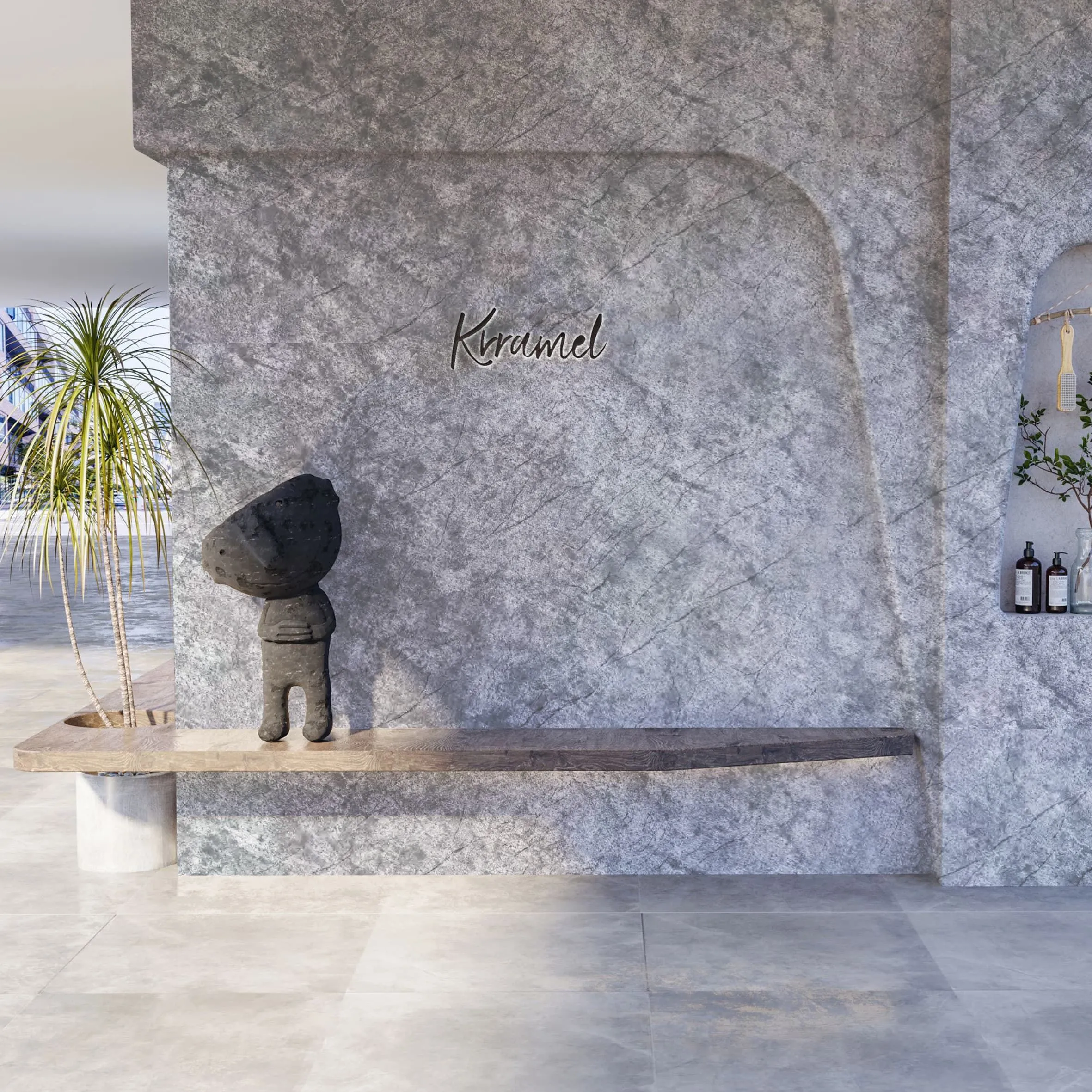
Still on the fence? Let's put glacial slate, quartzite, and MCM (using mcm flexible stone as a representative) head-to-head on the factors that matter most for coastal building:
| Factor | Glacial Slate | Quartzite | MCM Flexible Stone |
|---|---|---|---|
| Weight (lbs/sq ft) | 12–15 | 14–18 | 3–5 |
| Saltwater Resistance | Low (requires sealing) | Moderate (prone to etching) | High (no sealing needed) |
| Installation Complexity | High (needs reinforcement) | Very High (specialized labor) | Low (lightweight, easy to cut) |
| Design Options | Limited (natural tones only) | Narrow (mostly whites/grays) | Unlimited (custom colors, textures) |
| 20-Year Maintenance Cost | High (sealing, repairs) | Moderate (occasional sealing) | Low (no special care) |
| Environmental Impact | High (quarrying, heavy transport) | High (same as above) | Low (recyclable materials, less transport) |
At the end of the day, building a coastal space is about more than just numbers on a spreadsheet—it's about creating a home that feels like a retreat, a place where you can relax and connect with the ocean. MCM understands that. It doesn't just solve practical problems; it fuels creativity. Imagine waking up in a bedroom with walls clad in travertine (starry blue), where the "stars" twinkle as the morning light filters through your window. Or hosting a dinner party on a patio with foamed aluminium alloy (vintage silver) accents that glow softly as the sun sets over the water. These are the moments that turn a house into a home, and MCM makes them possible without compromise.
Take Sarah, a homeowner in Cape Cod who recently renovated her beach house with mcm big slab board series. "I wanted something that looked like the natural stone I grew up with, but I didn't want to worry about it falling apart every time a nor'easter hit," she says. "The MCM panels were so easy to install, and now when I walk in, it feels like I'm bringing a piece of the coast inside—without the stress." That's the emotional resonance MCM brings: peace of mind, paired with beauty that doesn't fade.
Glacial slate and quartzite have earned their place in architectural history, but coastal building demands more than history—it demands innovation. MCM isn't here to replace natural stone; it's here to reimagine what's possible. With products like mcm flexible stone, mcm big slab board series, and foamed aluminium alloy (vintage silver), coastal builders and homeowners finally have a cladding solution that's as resilient as the ocean itself, as creative as the designers who dream it up, and as warm and welcoming as the communities that call the coast home.
So the next time you stand on a coastal lot, envisioning the home of your dreams, ask yourself: Do I want a material that fights the ocean… or one that works with it? With MCM, the answer is clear. The future of coastal building isn't just about surviving the elements—it's about thriving in them, one beautiful, durable panel at a time.
Recommend Products












