
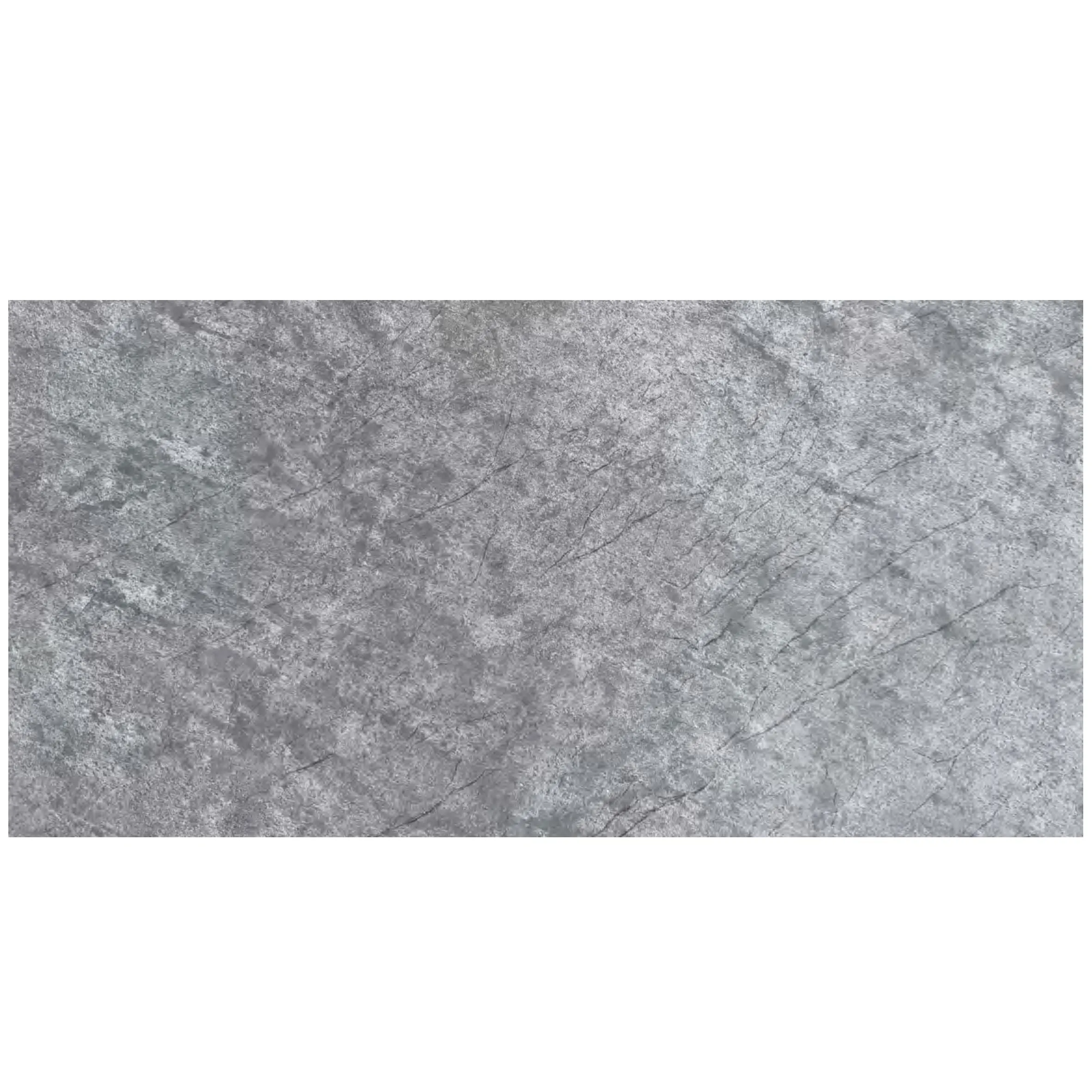
Navigating extreme heat, sandstorms, and time – which material truly stands tall?
Picture a building in the heart of the desert: by day, the sun blazes down, pushing temperatures past 50°C (122°F); by night, the mercury plummets to 10°C (50°F) or lower. Sandstorms whip abrasive grit against walls, while relentless UV radiation bleaches colors and weakens surfaces. Low humidity saps moisture from materials, making them brittle, and thermal expansion/contraction strains even the sturdiest structures. In this unforgiving environment, choosing the right cladding material isn't just about aesthetics – it's about survival.
For decades, architects and builders have turned to natural stones like glacial slate and sandstone, drawn to their earthy charm and perceived durability. But as desert construction evolves, a new contender has emerged: MCM (Modified Composite Material). Today, we're diving into why traditional stones often fall short, and how MCM flexible stone and its siblings are redefining resilience and beauty in desert architecture.
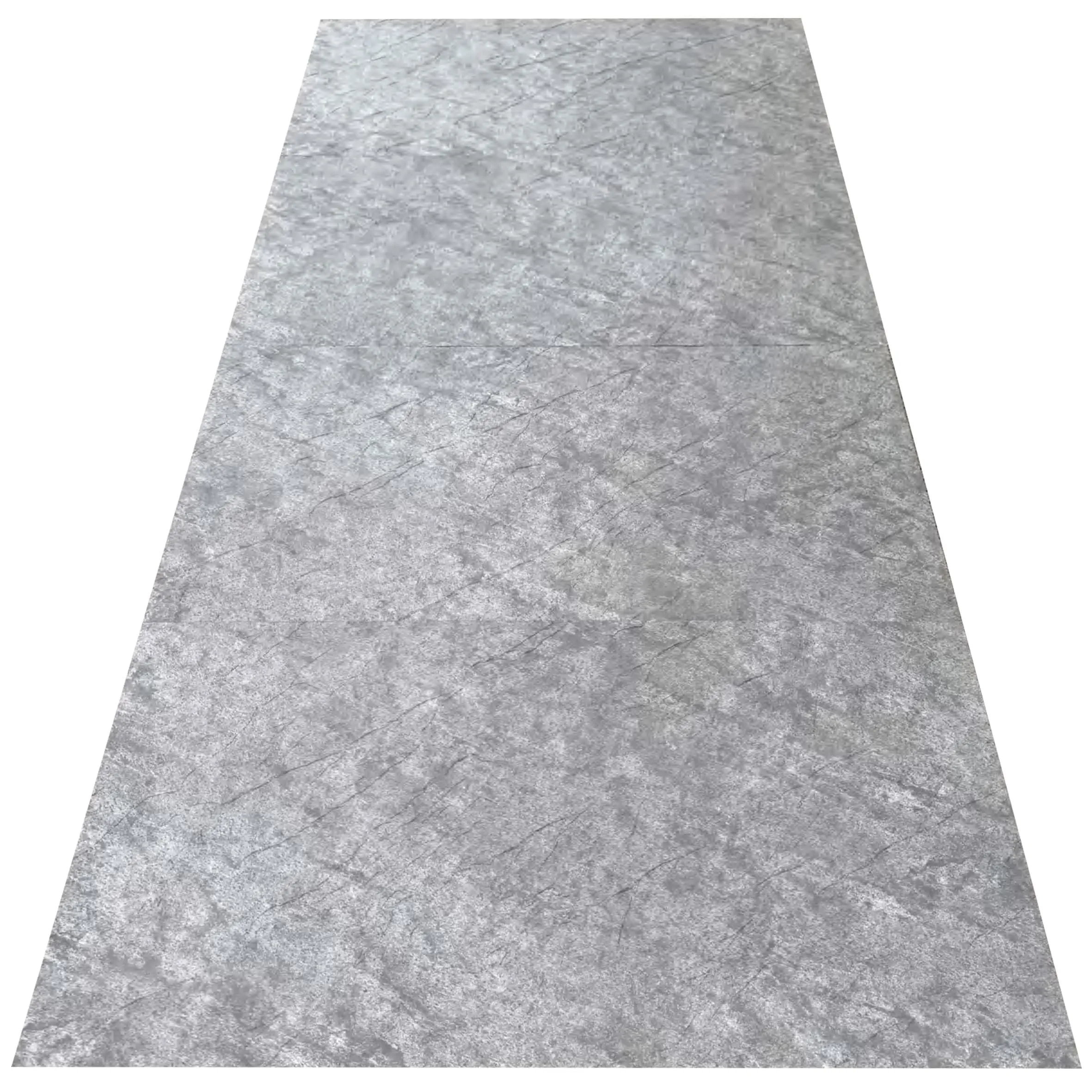
Glacial slate, quarried from ancient deposits shaped by ice and time, arrives on the desert scene with a cool, composed aura. Its layered, gray-blue texture evokes mountain streams and frost-kissed peaks – a stark contrast to the desert's fiery landscape. At first glance, it seems like a strong candidate: its dense, layered structure resists heat absorption, and its natural cleavage gives it a unique, organic look that architects love.
The Pros: Aesthetically, glacial slate is unmatched. Its cool tones can visually lower the perceived temperature of a building, and each slab tells a story of geological time. It's also naturally resistant to fire – a plus in arid regions prone to occasional brushfires – and its density means it doesn't fade quickly under UV light, at least initially.
The Catch: But here's where the desert fights back. Glacial slate is heavy – often 20-25 kg per square meter. In a region where structural loads are already strained by heat-induced expansion, this weight adds unnecessary stress to foundations and walls. Worse, its rigidity is a liability: when daytime heat causes the stone to expand and nighttime cold makes it contract, tiny cracks form. Over time, these cracks widen, letting in sand and dust that erode the stone from within. And while it's dense, it's not impervious – its layered structure can delaminate if sandstorms abrade the surface, leaving ragged edges that mar its beauty.
Installation is another headache. Lifting those heavy slabs requires specialized equipment, and cutting them to fit curved or custom designs often results in breakage. "We had a project in Arizona where 15% of the glacial slate slabs cracked during installation," recalls Jake, a contractor with 20 years in desert construction. "The waste alone made it cost-prohibitive, not to mention the delays."
If glacial slate is a stranger to the desert, sandstone is its native child. Formed over millennia by wind and water depositing sand grains, sandstone feels like it belongs in arid landscapes. Its warm, terracotta hues blend seamlessly with desert sands, and its porous structure – a result of its sedimentary origins – gives it a tactile, breathable quality that many find appealing.
The Pros: Locally quarried sandstone reduces transportation costs, and its natural porosity can help regulate indoor humidity (though desert air is already dry). It's also relatively soft compared to slate, making it easier to carve into decorative patterns – think intricate archways or tribal motifs that celebrate desert culture.
The Flaws: That porosity, however, is a double-edged sword. While desert rains are rare, morning dew or occasional fog can seep into the stone. When the sun rises, the moisture evaporates, leaving behind salt deposits that form unsightly white streaks (efflorescence). Worse, sandstone is surprisingly soft – a single sandstorm can scratch its surface, turning a smooth finish into a pitted, weathered mess within years. And like slate, it's heavy – not as dense, but still 18-22 kg per square meter – adding to structural strain.
Perhaps most frustrating for homeowners: sandstone fades. Its warm reds and golds dull under constant UV exposure, leaving buildings looking washed out. "We restored a 1970s sandstone home in New Mexico last year," says Lina, a preservation specialist. "The original stone was a rich terracotta; now it's almost pink. The owners had to seal it every two years, but even that couldn't stop the fading."
| Material | Durability (Thermal Shock) | Weight (kg/m²) | Installation Ease | UV Resistance |
|---|---|---|---|---|
| Glacial Slate | Low (cracks from expansion/contraction) | 20-25 | Difficult (heavy, brittle) | Good (but surface erodes) |
| Sandstone | Moderate (porous, prone to salt damage) | 18-22 | Moderate (soft but heavy) | Poor (fades quickly) |
| MCM Flexible Stone | Excellent (flexes without cracking) | 3-5 | Easy (lightweight, cuttable) | Excellent (no fading, scratch-resistant) |
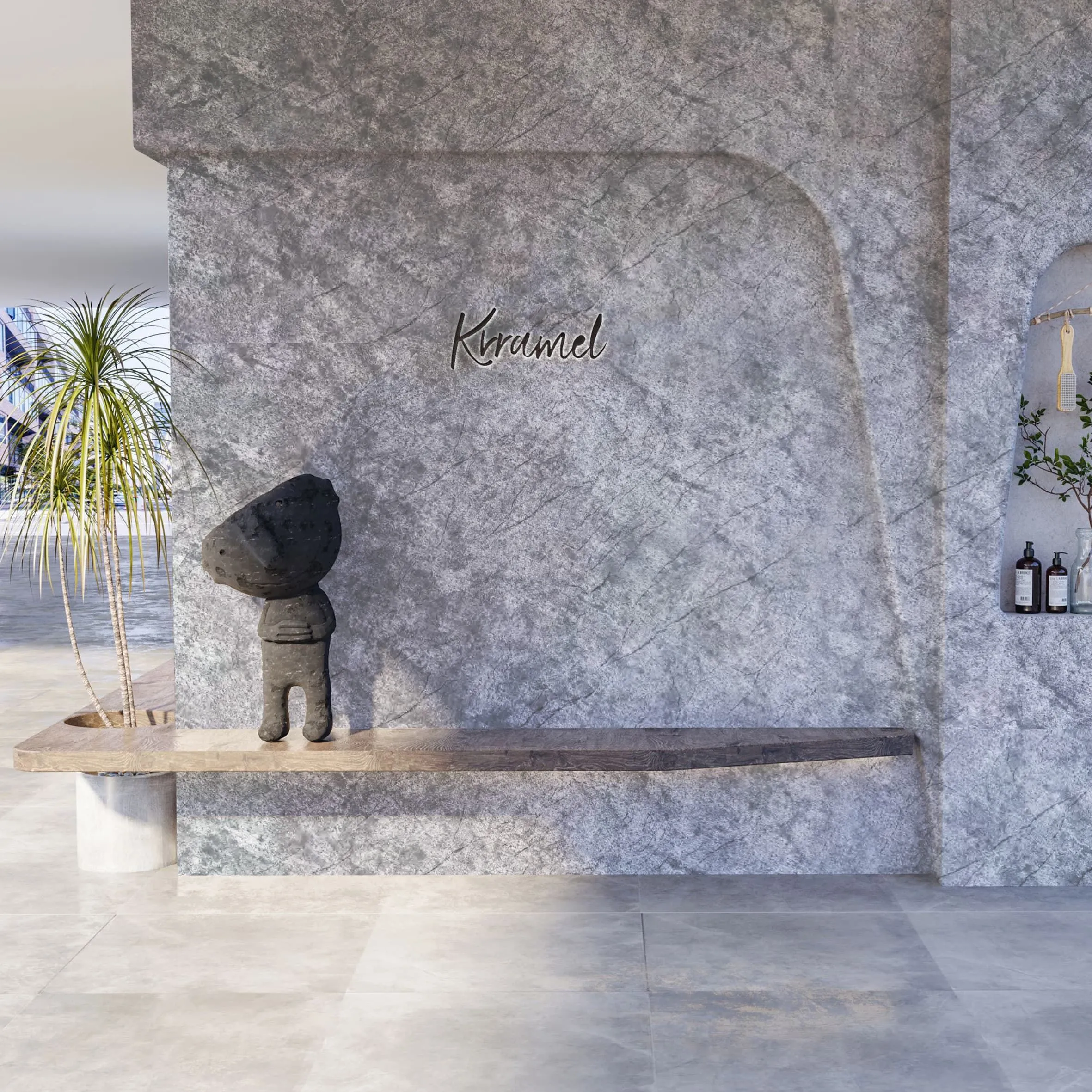
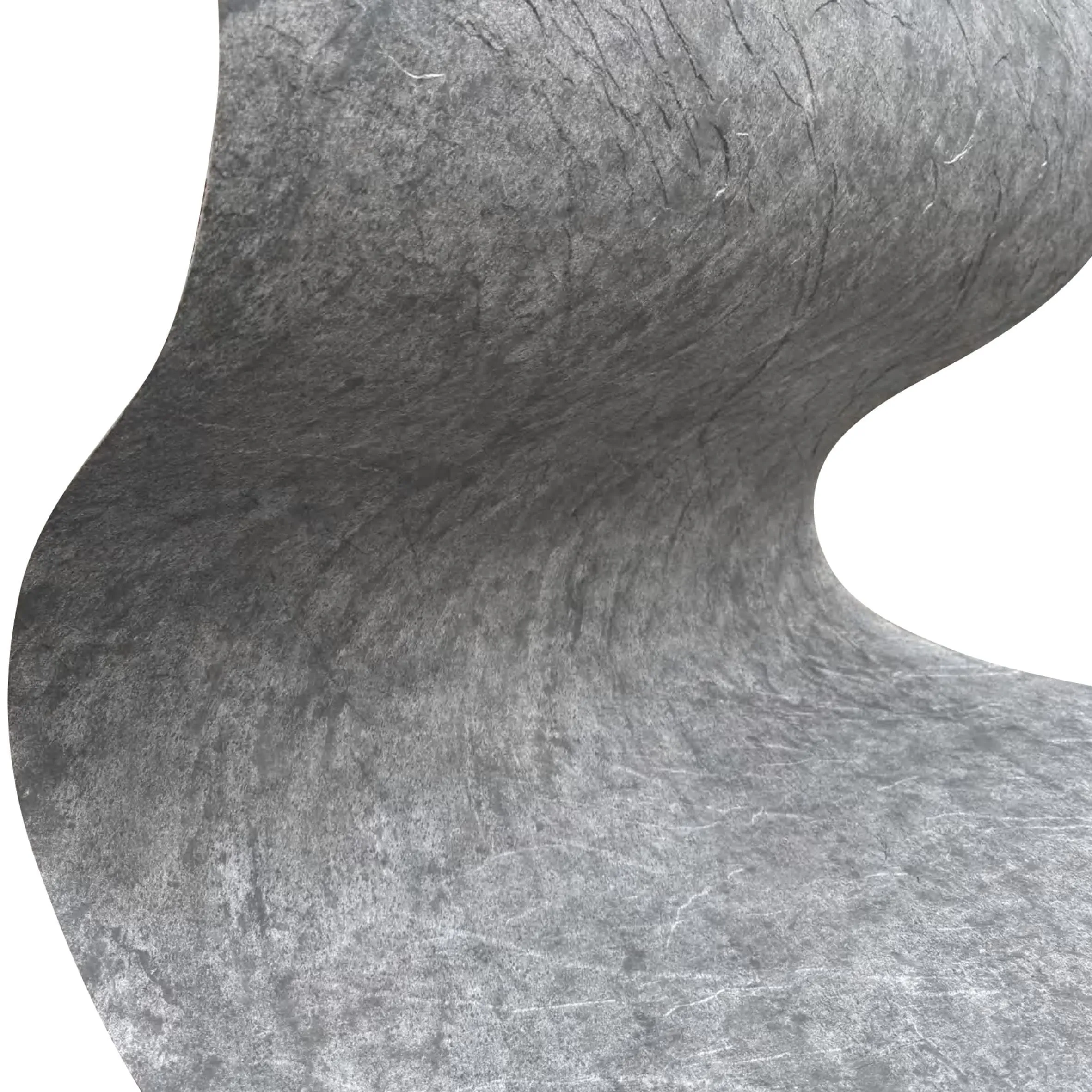
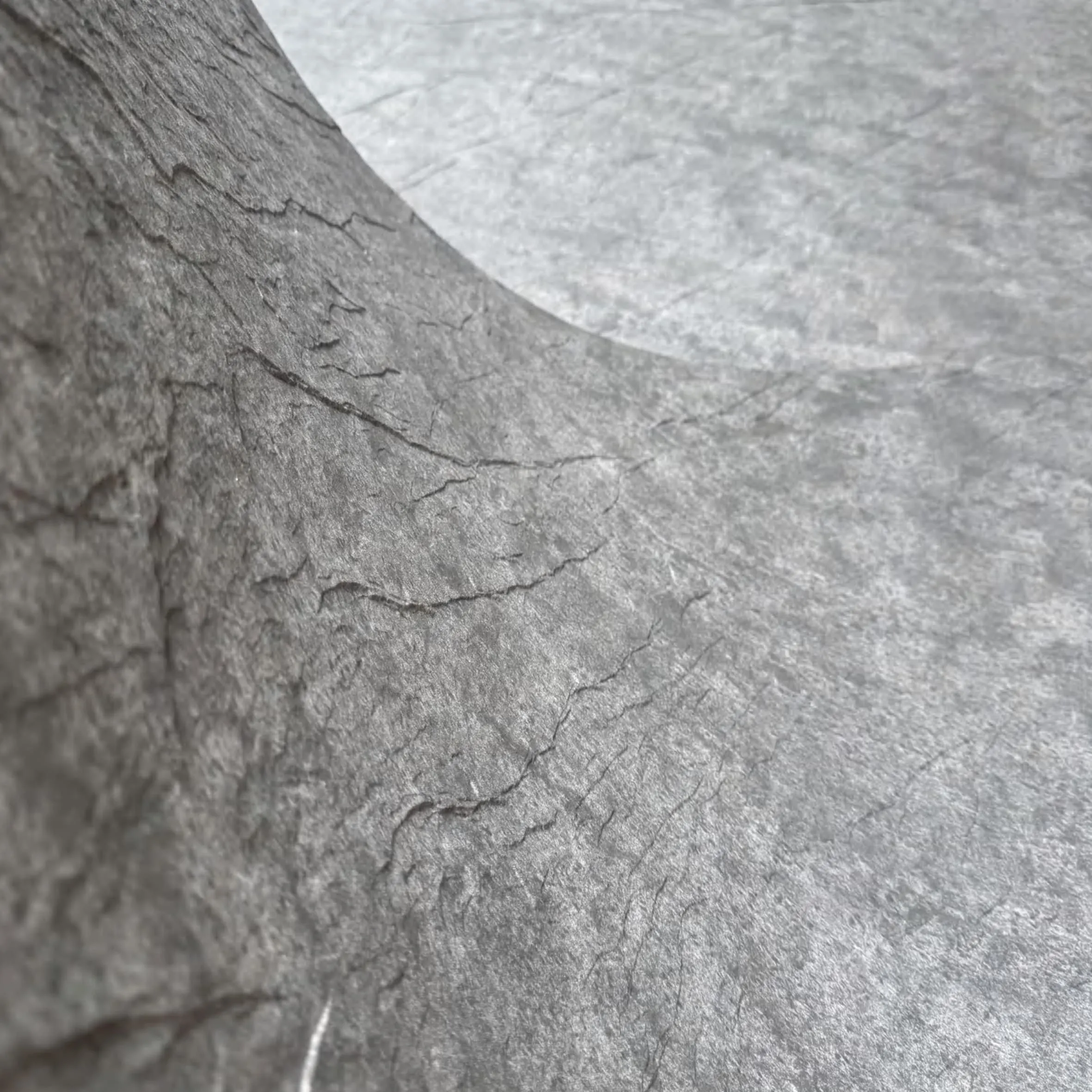
If glacial slate and sandstone are the desert's traditional warriors, MCM is the tech-savvy strategist – engineered to outsmart the elements while keeping beauty intact. MCM, or Modified Composite Material, blends natural minerals (like stone dust or clay) with high-performance polymers, creating a material that's both strong and surprisingly flexible. At the forefront of this revolution is MCM flexible stone – a product that feels like natural stone but bends, weighs less, and laughs in the face of thermal shock.
Why MCM Flexible Stone Crushes the Competition:
MCM isn't a one-trick pony. Its family includes other desert-ready heroes, like foamed aluminium alloy board (vintage silver) – a lightweight, metallic option that reflects up to 80% of solar radiation, keeping buildings cooler and reducing AC costs. Imagine a villa clad in this vintage silver alloy: by day, it glows like polished desert quartz; by night, it softens into a warm, inviting glow. It's scratch-resistant, corrosion-proof, and adds a touch of luxury without the upkeep.
Or take lunar peak silvery MCM – designed to mimic the moon's cratered surface, this finish adds texture and depth while reflecting heat. It's perfect for accent walls or outdoor patios, where its rough-hewn look contrasts beautifully with smooth desert sand.
In Moab, Utah, a boutique hotel recently replaced its fading sandstone exterior with travertine (starry blue) MCM. "Guests keep asking if we imported the stone from some exotic location," says the hotel manager. "Little do they know it's locally installed MCM – and we haven't had to seal or repair a single panel in three years."
In Riyadh, a residential complex opted for foamed aluminium alloy board (vintage silver) for its facades. "Our energy bills dropped by 25%," reports the developer. "The alloy reflects the sun, so apartments stay cooler, and the lightweight panels made adding a rooftop garden possible – something we couldn't do with sandstone."
Glacial slate and sandstone have their place in architectural history, but in the harsh reality of the desert, they're outmatched. MCM flexible stone and its siblings – travertine (starry blue) , lunar peak silvery , foamed aluminium alloy board (vintage silver) , and more – offer the durability, beauty, and practicality modern desert buildings demand.
Whether you're designing a home that blends into the dunes or a commercial space that stands out like an oasis, MCM lets you dream big without worrying about the elements. It's not just a building material – it's a promise that your desert project will thrive, look stunning, and stand the test of time.
So, the next time you gaze at a desert skyline, take a closer look. Chances are, the buildings that shine brightest – in both resilience and beauty – are wearing MCM.
Recommend Products












