
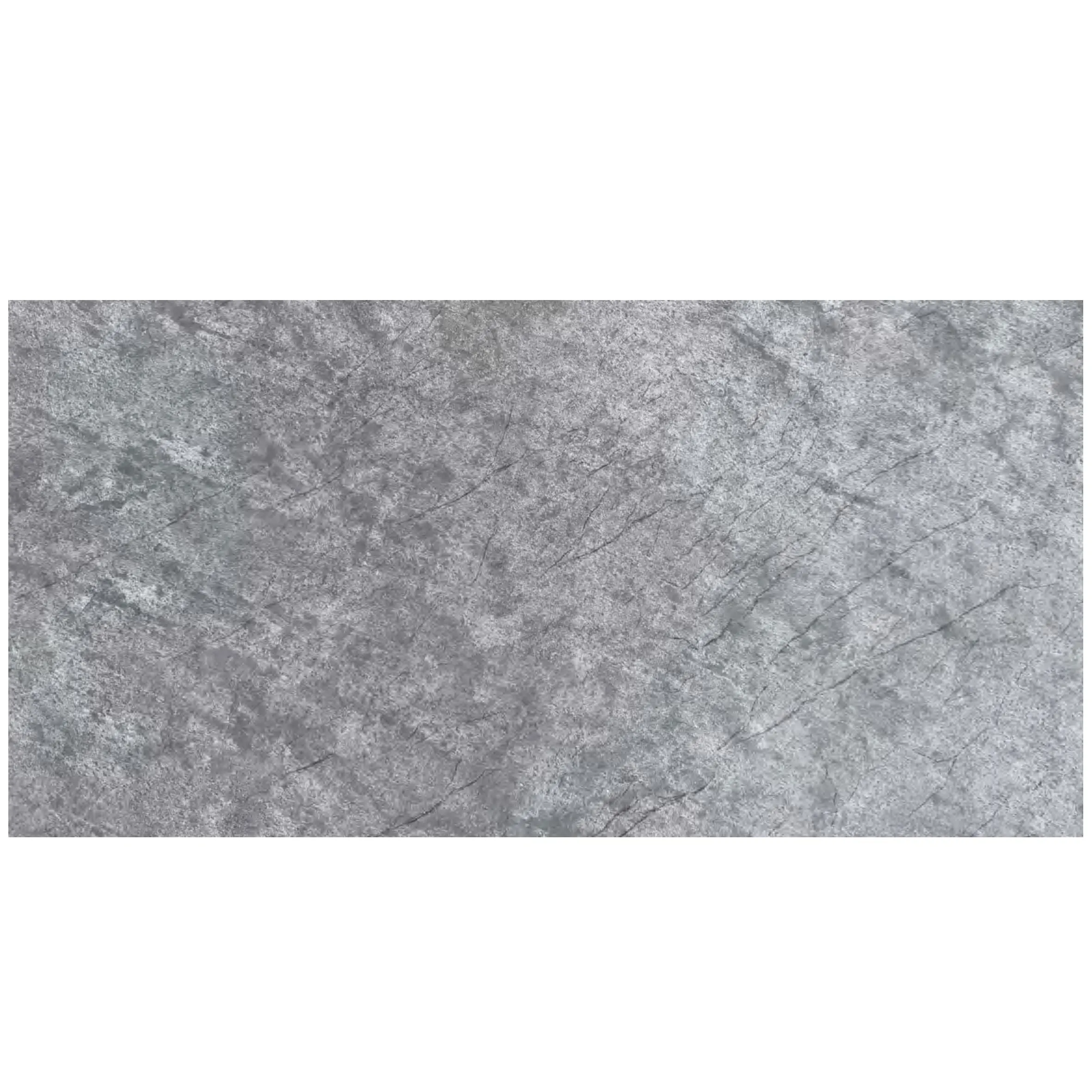
It's midday in Riyadh, and the mercury reads 45°C. The sun blazes down, turning asphalt into a sticky trap and metal door handles into scalding hazards. A sudden gust whips up a sandstorm, grit stinging exposed skin and coating every surface with a fine, abrasive layer. In this unforgiving environment, buildings don't just stand—they battle. For architects and builders in Saudi Arabia, choosing the right exterior material isn't just about aesthetics; it's about survival. Enter glacial slate, a material that's quietly revolutionizing how structures endure the Middle East's extreme climate. But what makes it different from the limestone, concrete, and traditional stone that have long dominated the region's skylines? Let's dive in.
When we talk about Saudi Arabia's climate, "hot" is an understatement. Summer temperatures regularly exceed 40°C, with some inland areas spiking to 50°C. But the real challenge isn't just the heat—it's the combination of relentless UV radiation, sandstorms that can last for days, and sudden humidity shifts (yes, even deserts get humid spells). Traditional building materials often stumble here. Natural stone, for example, is heavy and prone to cracking under thermal expansion; concrete fades and erodes when bombarded by sand particles; and wood? It warps, rots, or disintegrates within years.
Take fair-faced concrete, a popular choice for its industrial-chic look. In Jeddah, a commercial complex finished with fair-faced concrete in 2015 began showing signs of wear by 2019: hairline cracks from thermal stress, discoloration from UV exposure, and pitting where sand had abraded the surface. "We thought concrete was tough," says Lina Al-Mansoori, the project's lead architect. "But in Riyadh's summer, it's like putting a chalkboard in a sandblaster. The maintenance costs were astronomical—we were repainting and repairing every two years."
Then there's natural travertine, beloved for its earthy texture. A hotel in Dammam opted for travertine (starry blue) in 2017, drawn to its unique, (starry) patterns. But by 2020, the blue had faded to a dull gray, and the porous surface had absorbed sand and pollutants, turning the once-striking facade into a blotchy eyesore. "Travertine is beautiful, but it's like a sponge," explains construction manager Kareem Hassan. "Sand gets into the pores, and the sun bakes it in. You can't just wash it off—you have to grind and reseal, which is expensive and time-consuming."
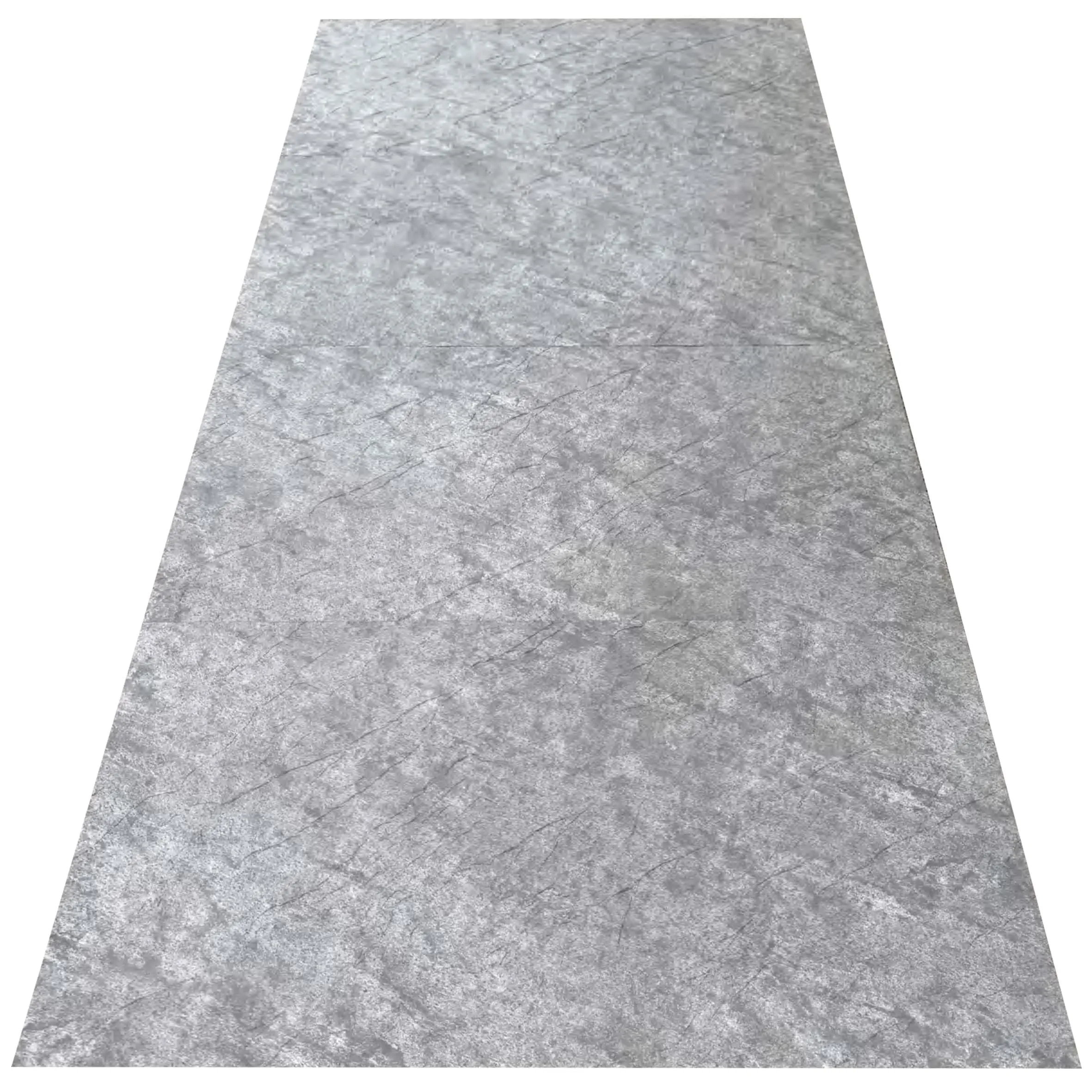
Glacial slate isn't your average stone. Unlike traditional slate, which forms from sedimentary rock compressed over millions of years, glacial slate is part of the MCM (Modified Composite Material) family—a blend of natural mineral aggregates, high-performance polymers, and fiberglass reinforcement. Think of it as nature's resilience meets human ingenuity. Developed initially for cold climates (hence the "glacial" name), it's proven surprisingly adept at handling the opposite end of the temperature spectrum.
What makes glacial slate stand out? Let's break it down:
MCM flexible stone, the technology behind glacial slate, is a game-changer. Traditional natural stone can weigh 20–30 kg per square meter; glacial slate clocks in at just 4–6 kg/m². That's a huge difference for building foundations and structural load—especially in skyscrapers, where every kilogram counts. But don't let the lightness fool you. The polymer binders in MCM create a material that's both flexible (resisting cracking from thermal expansion) and incredibly durable. In lab tests, glacial slate samples exposed to 60°C heat for 1,000 hours showed no signs of warping or degradation—a feat that would leave many materials, including some types of concrete, in ruins.
One of glacial slate's most impressive feats is its ability to reflect heat rather than absorb it. Traditional dark-colored stones and concrete act like solar sponges, absorbing heat and radiating it back into the building, driving up AC costs. Glacial slate, however, has a high solar reflectance index (SRI) of 78, compared to fair-faced concrete's SRI of 35 or natural travertine's 42. That means less heat transfer into the building—critical in a country where cooling accounts for up to 70% of a commercial building's energy use.
In a 2022 study by the King Saud University's College of Engineering, researchers compared three facades in Riyadh: one clad in glacial slate, one in fair-faced concrete, and one in travertine (starry blue). The results were striking: the glacial slate facade stayed 12°C cooler than the concrete and 10°C cooler than the travertine during peak sunlight hours. "That's not just a comfort difference—it's a financial one," says Dr. Amina Faisal, who led the study. "A 12°C reduction in exterior wall temperature can lower interior cooling needs by 15–20%. For a 10-story office building, that's tens of thousands of riyals saved annually."
Saudi Arabia's UV index often hits 11+ (extreme), enough to fade paint, weaken plastics, and even alter the molecular structure of some building materials. Glacial slate, however, is engineered with UV-stabilizing additives that lock in color. Unlike travertine (starry blue), which faded dramatically in the Dammam hotel example, glacial slate's pigments are integrated into the composite matrix, not just applied as a topcoat. Testing by the Saudi Standards, Metrology and Quality Organization (SASO) found that glacial slate retained 95% of its original color after 5,000 hours of accelerated UV exposure—equivalent to about 15 years in Riyadh's sun.
"We installed glacial slate on a school in Riyadh in 2018," says contractor Majed Al-Zahrani. "Five years later, it still looks like the day we put it up. The neighboring school, which used painted concrete, has repainted twice. Parents even comment on how 'fresh' our building looks compared to others in the area."
Sandstorms in Saudi Arabia aren't gentle. The wind can reach speeds of 60 km/h, carrying particles of silica and quartz—some as sharp as tiny blades. Over time, these particles wear down surfaces, creating a rough, weathered look that's charming in a cottage but disastrous for a modern commercial building. Glacial slate's secret here is its dense, non-porous surface. Unlike porous travertine or concrete, which trap sand particles, glacial slate's smooth finish repels grit. In abrasion tests, it withstood 10,000 cycles of sandblasting (using Saudi desert sand) with only minimal surface wear—compared to travertine, which showed significant pitting after 3,000 cycles, and fair-faced concrete, which started to degrade at 5,000 cycles.
"During the 2021 sandstorm that hit Riyadh, we had buildings with glacial slate and buildings with traditional limestone side by side," recalls Al-Zahrani. "The limestone looked like it had been sandpapered—you could see the scratches. The glacial slate? We hosed it down, and it was spotless. No damage, no discoloration. It was like the storm never happened."
While Saudi Arabia is arid, it's not entirely dry. Coastal areas like Jeddah experience humidity levels up to 85% in summer, and even inland regions get occasional fog or dew. Traditional stone and concrete absorb moisture, which can lead to mold, efflorescence (white, powdery deposits), or freeze-thaw damage (though rare in the desert, sudden cold snaps do occur). Glacial slate, thanks to its polymer binders, is inherently water-resistant. Water absorption tests show it absorbs less than 0.5% of its weight in water, compared to travertine's 3–5% and concrete's 2–3%. "We've never had a mold issue with glacial slate," says Hassan, who now specifies it for most coastal projects. "It just doesn't hold moisture. Even in Jeddah's humidity, the facade stays dry and clean."
| Property | Glacial Slate | Fair-Faced Concrete | Travertine (Starry Blue) |
|---|---|---|---|
| Weight (kg/m²) | 4–6 | 22–25 | 18–20 |
| Max Heat Resistance (°C) | 60+ (no degradation) | 45 (starts to crack at 50°C) | 40 (fades above 45°C) |
| UV Stability (years before significant fading) | 15+ | 3–5 | 2–3 |
| Sand Abrasion Resistance (cycles) | 10,000+ | 5,000 | 3,000 |
| Water Absorption (%) | <0.5% | 2–3% | 3–5% |
| Installation Time (m²/day per crew) | 80–100 | 40–50 | 30–40 |
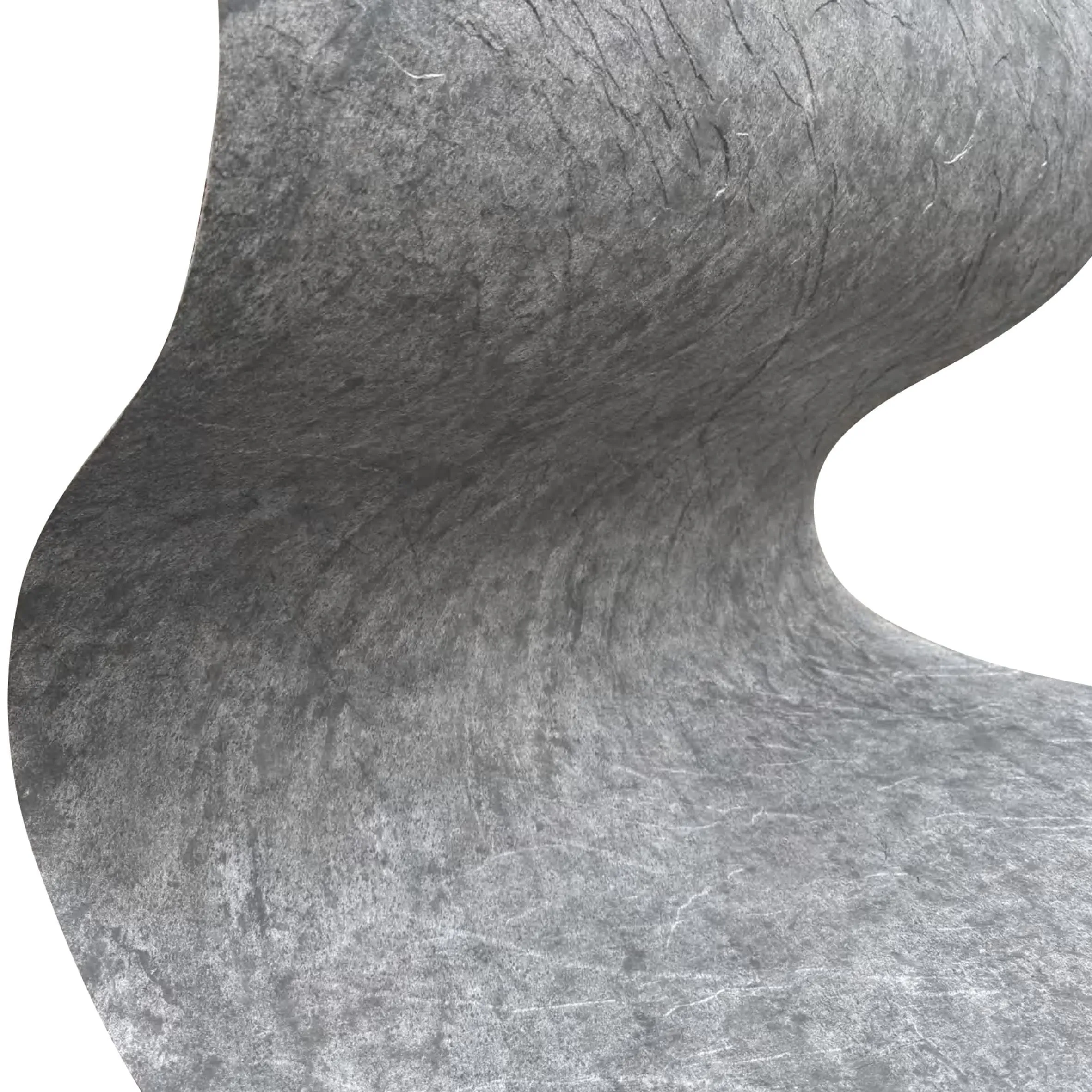
Talk is cheap—results matter. Let's look at two projects where glacial slate has proven its mettle in Saudi Arabia's toughest conditions.
A 12-story tech campus in northern Riyadh, the Innovation Hub was designed to be a beacon of modernity. Architect Omar Khalid wanted a material that could handle Riyadh's heat and sand while maintaining a sleek, futuristic look. He chose glacial slate in lunar peak silvery, a cool, metallic shade that complements the building's glass and steel accents. "We needed something that wouldn't fade, wouldn't require constant cleaning, and wouldn't add too much weight to the structure," Khalid explains. "Glacial slate checked all three boxes."
Three years later, the Hub's facade remains as crisp as the day it opened. "We've had two major sandstorms and a summer with 52°C temperatures," Khalid notes. "No cracks, no fading, no maintenance beyond an annual hose-down. The lunar peak silvery finish still shimmers in the sun—it's become a landmark in the area."
Overlooking the Red Sea, these luxury apartments face a double threat: coastal humidity and intense sun. Developer Sarah Al-Khalid was hesitant to use traditional stone after seeing neighboring buildings struggle with mold and fading. She opted for glacial slate in travertine (starry blue) —a nod to the sea—paired with MCM flexible stone accents. "I was skeptical at first," she admits. "Travertine (starry blue) had failed me before. But this was different—it's not real travertine, it's MCM. The sales pitch said it was more durable, but I needed proof."
Proof came in 2023, when a week-long sandstorm hit Jeddah. "The neighboring building, which uses natural limestone, looked like it had been through a war," Al-Khalid recalls. "Our glacial slate facade? We rinsed it off, and it was perfect. The starry blue color hadn't faded, and there was no sign of mold or water damage. Our residents love it—they say the building feels cooler inside, too."
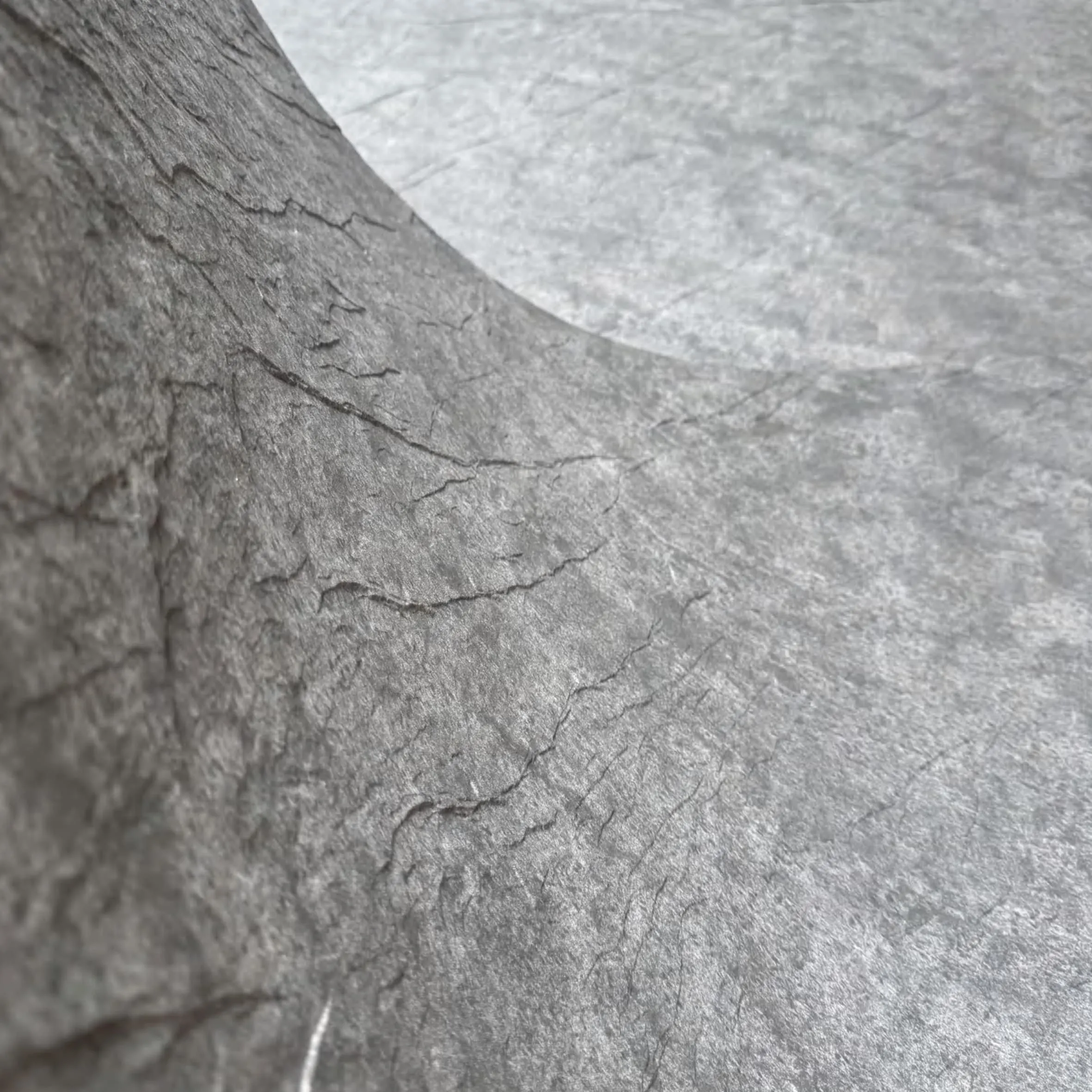
Glacial slate isn't just about surviving the elements—it's about thriving aesthetically. Unlike fair-faced concrete, which can feel cold and industrial, or natural stone, which is limited by what nature provides, glacial slate comes in a range of colors and textures. Want the warmth of wood? There's wood grain board. Craving the look of ancient stone? Try historical pathfinders stone. For a modern twist, lunar peak golden or foamed aluminium alloy board (vintage gold) add metallic flair. "We're not stuck with one look," says architect Lina Al-Mansoori, who now uses glacial slate in most of her projects. "You can mix and match—lunar peak silvery for the main facade, travertine (starry orange) for accents—to create something unique. And because it's lightweight, we can use it on curved surfaces or overhangs that traditional stone would never support."
Take the Gobi Panel Community Center in Riyadh, which uses glacial slate in gobi panel and bali stone textures to mimic the desert landscape. "The goal was to blend the building into its environment," says designer Hanaa Faraj. "Glacial slate let us replicate the look of desert rock without the weight or maintenance. It's like bringing the desert inside, but in a way that's sustainable and long-lasting."
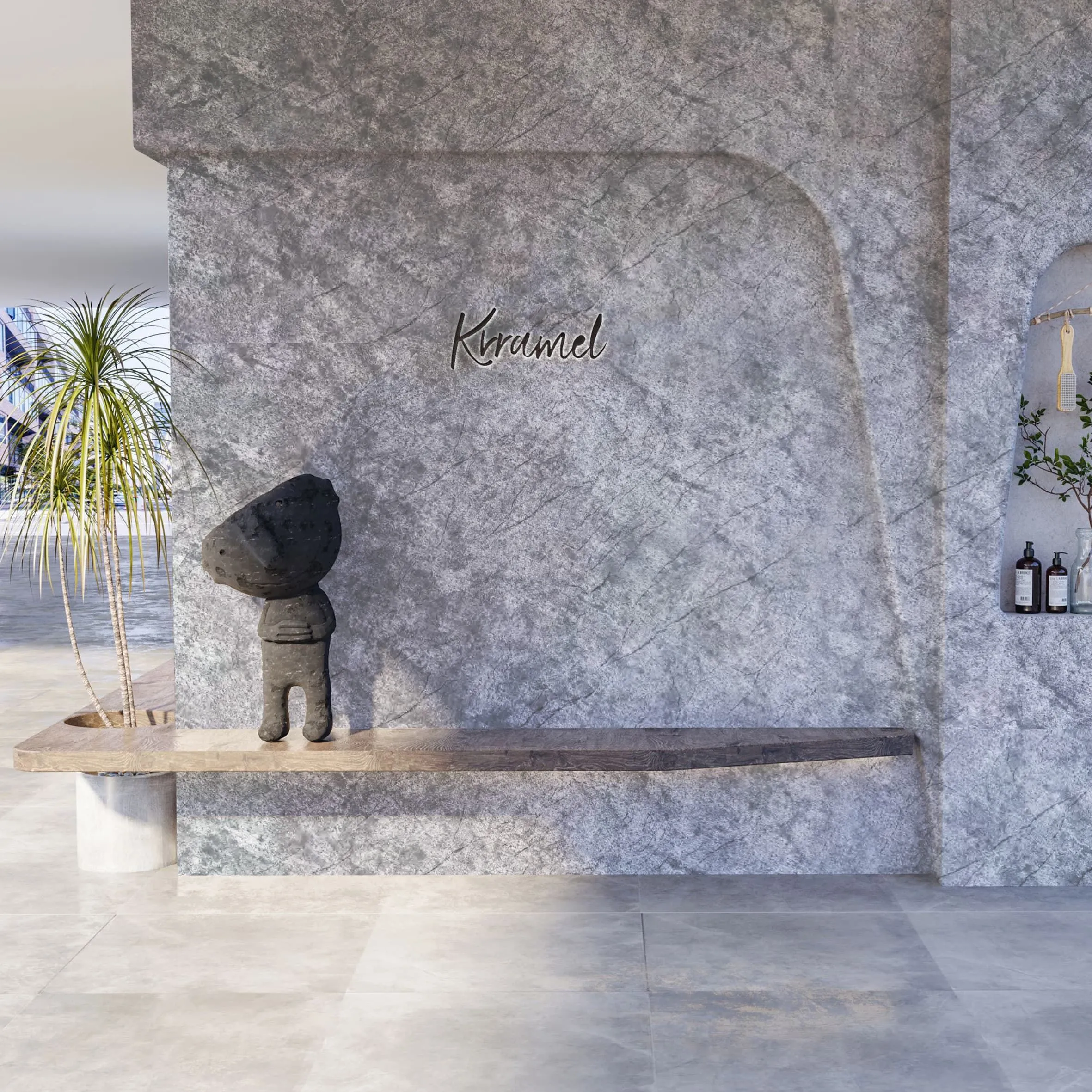
Saudi Arabia's climate is unforgiving, but it's not unconquerable. Glacial slate, with its blend of durability, heat resistance, and design flexibility, is proving that buildings can stand strong against the sun, sand, and humidity—without sacrificing beauty. From commercial hubs in Riyadh to luxury residences in Jeddah, it's becoming the material of choice for architects and builders who refuse to compromise on performance or aesthetics.
As Lina Al-Mansoori puts it: "We used to design around the limitations of materials. Now, with glacial slate, we design around possibility. It's not just a product—it's a shift in how we think about building in extreme environments. In Saudi Arabia, where the climate tests everything, glacial slate doesn't just pass—it excels."
So the next time you're in Riyadh or Jeddah, look around. The buildings that still shine, that stay cool, that stand unbowed by sand and sun—chances are, they're wearing glacial slate. In a land of extremes, it's the quiet champion keeping our skyline strong, beautiful, and built to last.
Recommend Products












