
In the world of modern architecture, the choice of facade material is more than just a design decision—it's a commitment to performance, longevity, and the daily experience of those who interact with the building. Today, we're putting two heavyweights head-to-head: the sleek transparency of glass facades and the earthy resilience of cloud stone. Let's explore how they stack up in energy efficiency, maintenance, and the stories they tell through design.
Walk through any city skyline, and you'll likely spot glass facades gleaming in the sun—they've become the face of contemporary design, prized for their ability to blur the line between indoors and outdoors. But step into a neighborhood with older charm or a boutique hotel aiming for warmth, and you might find cloud stone taking center stage: a natural material with texture, depth, and a quiet confidence that glass often struggles to match.
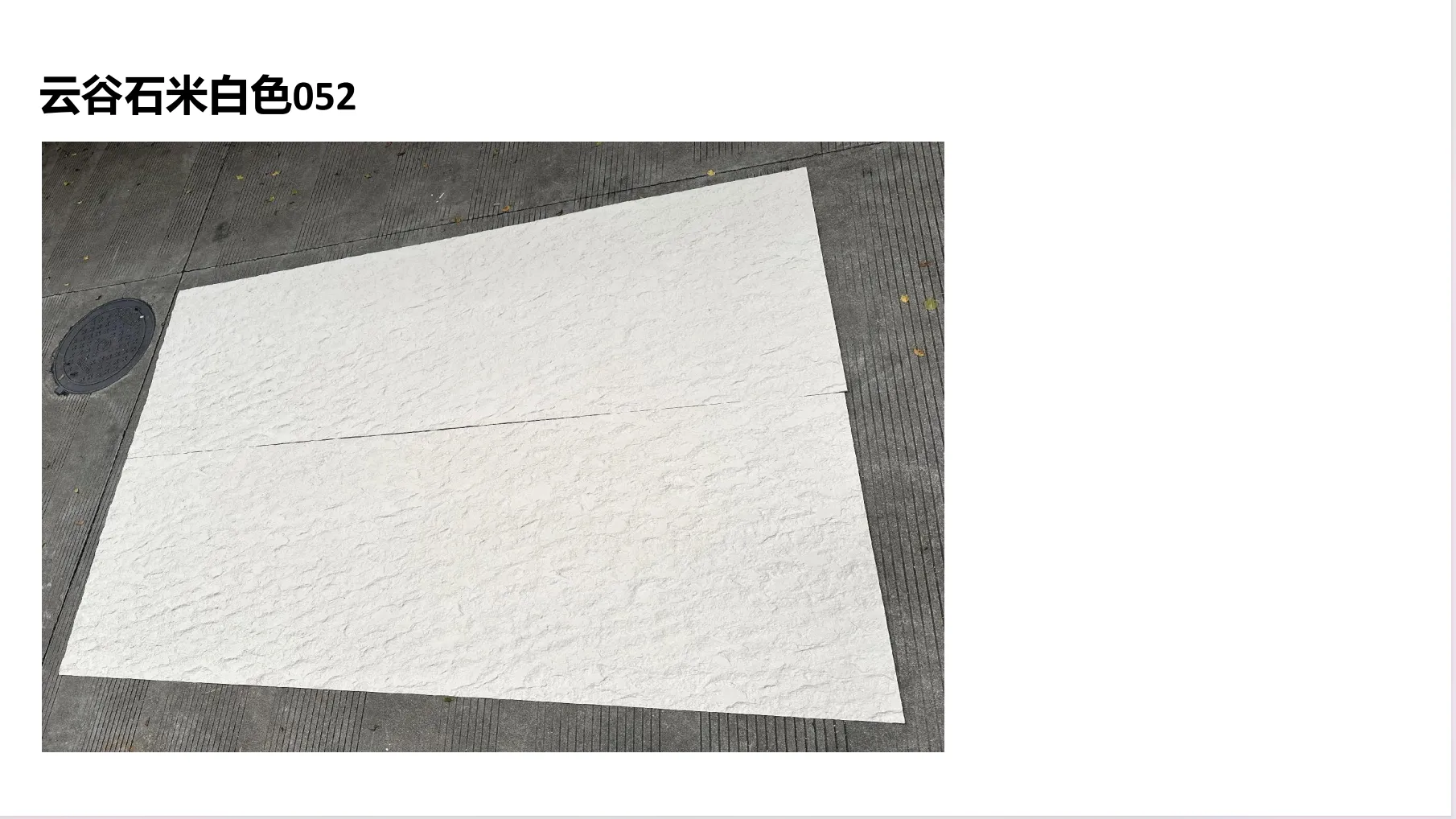
Glass, of course, has its allure. It's modern, minimalist, and floods interiors with sunlight, creating bright, airy spaces that feel expansive. But that brightness comes with trade-offs. Cloud stone, on the other hand, is a type of natural stone that marries durability with natural insulation, offering a different kind of efficiency—one rooted in the earth's own building blocks. Think of it as architecture with a heartbeat: warm, grounded, and built to last.
Let's start with the numbers that hit closest to home: energy bills. Glass is a poor insulator by nature. Its thin, transparent structure acts like a thermal bridge, letting heat seep out in winter and flood in during summer. To compensate, architects often layer on upgrades: double or triple glazing, low-emissivity (low-e) coatings, and inert gas fills between panes. These help, but they add cost—sometimes 30-40% more than standard glass—and even then, the thermal resistance (measured by U-value) of glass rarely matches that of natural stone.
Cloud stone, by contrast, is a master of holding its ground. Its dense, mineral-rich composition slows heat transfer, acting as a natural barrier against temperature swings. In cold climates, this means less reliance on heating systems; in hot ones, it keeps interiors cool without cranking up the AC. Studies of stone-clad buildings, including those using cloud stone and similar materials like travertine (starry green) , show energy savings of 15-25% compared to all-glass exteriors. That's not just better for the planet—it's better for the bottom line, too.
Glass facades are like high-maintenance celebrities: stunning to look at, but demanding constant attention. A single rainstorm can leave water spots; city pollution coats them in grime; and let's not forget bird droppings, which seem to target glass with eerie precision. For a 10-story building, professional cleaning crews might be needed monthly, costing upwards of $5,000 per visit. Even then, scratches from debris or vandalism are permanent—replacing a glass panel can run $1,000 or more, and the process disrupts the building's exterior for days.
Cloud stone? It's the low-key neighbor who never complains. Its porous yet tough surface resists stains—spills wipe away with a hose, and UV rays don't fade its color. Unlike glass, it doesn't show smudges or fingerprints, so deep cleaning is only needed once or twice a year. Even when damaged—say, a crack from a falling branch—repairs are simple: mix stone dust with epoxy, fill the gap, and it blends right in. No costly replacements, no downtime. It's durability with a conscience.
| Factor | Glass Facades | Cloud Stone |
|---|---|---|
| Thermal Conductivity (U-value) | 0.3-1.0 W/(m²·K) (with coatings) | 0.15-0.3 W/(m²·K) (natural) |
| Annual Maintenance Cost | $10,000-$20,000 (mid-rise building) | $1,000-$3,000 (mid-rise building) |
| Lifespan Before Major Repair | 10-15 years (with coatings) | 50+ years (minimal wear) |
| Environmental Impact | High (energy for production/coatings) | Low (natural, recyclable) |
Let's not overlook the heart of the matter: how a building makes us feel. Glass has its moments—nothing says "modern" like a glass tower reflecting the sunset. But it can also feel cold, sterile, like a giant fish tank. Cloud stone, by contrast, brings warmth. Its natural veining, texture, and depth tell a story of the earth it came from. Whether paired with fair-faced concrete for an industrial-chic look or used alone for a rustic vibe, it adds character that glass, for all its shine, can't replicate.
Take the example of the Riverbank Arts Center in Denver. Originally designed with a glass facade, it struggled with high energy bills and constant cleaning. After recladding with cloud stone, visitors noted an immediate difference: "It feels cozier, more inviting," said one local artist. "You don't squint when you walk in—there's a softness to the light now." That's the power of natural materials: they don't just look good; they feel good.
Glass facades have their place—for buildings where transparency is non-negotiable, like museums or lobbies aiming for drama. But for most projects—offices, schools, residential buildings—cloud stone offers a better balance of efficiency, durability, and soul. It's not just a material; it's a long-term investment in comfort, sustainability, and timeless design.
So the next time you're admiring a building, take a closer look at its skin. Is it a high-maintenance diva, or a quiet workhorse built to stand the test of time? Chances are, if it's wearing cloud stone, it's the latter—proof that sometimes, the best choices in architecture are the ones that connect us to the earth beneath our feet.
Recommend Products












