
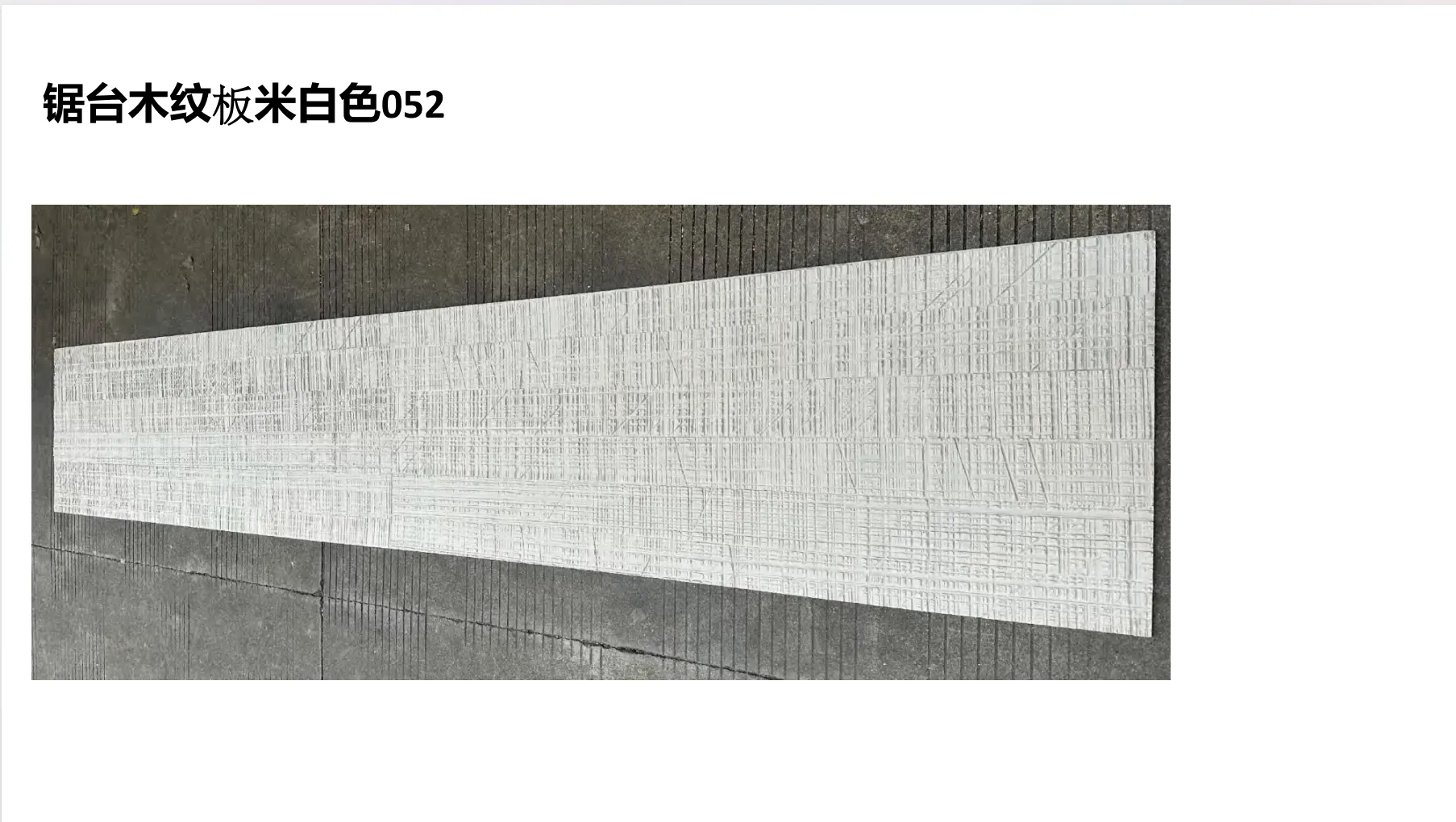
In the world of modern architecture, materials aren't just building blocks—they're storytellers. They shape how we experience a space, blending functionality with emotion to create environments that feel both intentional and alive. Today, two materials stand out for their ability to bridge tradition and innovation: MCM (Modified Composite Material) and sawing wood board . One is a product of cutting-edge technology, the other a timeless classic. Let's dive into their unique qualities, how they stack up, and why the choice between them matters for the buildings we live, work, and connect in.
If modern architecture had a Swiss Army knife, it might just be MCM. Short for Modified Composite Material, this engineered wonder has taken the construction world by storm, and for good reason. At its core, MCM is a blend of natural minerals, polymers, and fibers, designed to be lightweight yet incredibly strong. But what truly sets it apart is its adaptability—something you'll see shine in lines like the MCM project board series and MCM flexible stone .
Why MCM is Turning Heads
Imagine a material that can mimic the look of travertine, marble, or even wood, but weighs a fraction of the real thing. That's MCM. The MCM 3D printing series takes this a step further, allowing architects to create intricate, custom designs that were once impossible with traditional materials. Whether you're cladding a skyscraper with the sleek MCM big slab board series or adding texture to a boutique hotel with MCM flexible stone, the possibilities feel endless.
Durability? MCM laughs at the elements. Resistant to moisture, UV rays, and temperature swings, it's built to last decades without fading or cracking. And because it's lightweight, installation is faster and more cost-effective—no need for heavy machinery or reinforced structures. For eco-conscious builders, MCM often contains recycled materials, making it a greener choice than some traditional options.
If MCM is the future, sawing wood board is the heart of architecture's past—and present. There's something inherently warm and inviting about wood. Its natural grains, subtle knots, and earthy tones bring a sense of calm to any space, whether it's a cozy home interior or a rustic restaurant facade. Sawing wood board, crafted by cutting and finishing solid wood planks, celebrates this authenticity.
For centuries, wood has been a go-to for builders drawn to its workability and beauty. It's easy to cut, shape, and install, making it ideal for custom projects. Think of a mountain cabin with exposed sawing wood board ceilings, or a beach house where wood siding blends seamlessly with the sand and sky. It's a material that feels "lived-in," like it has a story to tell.
But wood isn't without its challenges. It's prone to warping in humid climates, rotting if not properly sealed, and can be vulnerable to pests. Sustainability is also a concern—while responsibly sourced wood exists, overharvesting remains a global issue. Still, for those who prioritize natural aesthetics and are willing to invest in maintenance, sawing wood board is irreplaceable.
Choosing between MCM and sawing wood board isn't about picking a "winner"—it's about matching the material to the project. To help, here's a side-by-side look at how they stack up in key areas:
| Category | MCM (e.g., MCM Project Board Series) | Sawing Wood Board |
|---|---|---|
| Durability | Resistant to moisture, UV, and pests; lasts 30+ years with minimal maintenance. | Requires regular sealing/staining; vulnerable to rot, warping, and pests; lifespan 15–25 years with care. |
| Sustainability | Often contains recycled materials; lightweight design reduces transportation emissions. | Depends on sourcing—FSC-certified wood is eco-friendly, but non-sustainable options contribute to deforestation. |
| Design Versatility | Can mimic any texture (stone, wood, metal); available in bold colors and 3D patterns (via MCM 3D printing series). | Limited to natural wood grains and tones; customization via staining/painting, but natural beauty is its main draw. |
| Installation & Maintenance | Lightweight and easy to install; low maintenance (occasional cleaning). | Heavier; requires sealing, staining, and periodic repairs (e.g., replacing warped boards). |
| Best For | High-rises, commercial buildings, wet environments (bathrooms, pools), and projects needing bold, long-lasting design. | Residential interiors, low-rise exteriors, and spaces where natural warmth and tradition are priorities. |
MCM in Action: The Urban Skyline
In bustling cities, MCM is redefining skyscrapers. Take the MCM big slab board series : its large, seamless panels create sleek, modern facades that reflect light and stand out in the skyline. A recent office tower in Tokyo used MCM flexible stone to add depth to its exterior, mimicking the look of natural rock without the weight. The result? A building that's both striking and energy-efficient, thanks to MCM's insulating properties.
Sawing Wood Board: The Cozy Retreat
In contrast, sawing wood board shines in spaces designed for comfort. A boutique hotel in the Swiss Alps used reclaimed sawing wood board for its lobby walls, creating a warm, cabin-like atmosphere that welcomes guests after a day on the slopes. The wood's natural texture and scent make the space feel intimate, like a home away from home—something no synthetic material could replicate.
As architecture leans into sustainability and technology, MCM is poised to grow. Its ability to reduce construction waste, adapt to 3D printing, and mimic rare materials (without depleting them) aligns with global green goals. The MCM 3D printing series , for example, could one day allow architects to print custom facades on-site, cutting down on transportation and waste.
But wood isn't going anywhere. With advancements in treated and engineered wood (like cross-laminated timber), it's becoming more durable and sustainable. Brands are also exploring eco-friendly finishes to extend its lifespan. For many, wood will always be the "soul" of architecture—a reminder of our connection to nature.
MCM and sawing wood board represent two sides of the same coin: innovation and tradition. MCM offers durability, versatility, and sustainability for forward-thinking projects, while sawing wood board brings warmth, authenticity, and natural beauty. The best architects don't choose one over the other—they blend them. Imagine a building with an MCM exterior (using the MCM project board series) for durability, and sawing wood board interiors for comfort. It's a harmony of past and future, function and feeling.
At the end of the day, materials are more than just tools—they're how we shape the world around us. Whether you choose MCM, sawing wood board, or a mix, the goal is the same: to create spaces that inspire, endure, and feel uniquely human.
Recommend Products












