
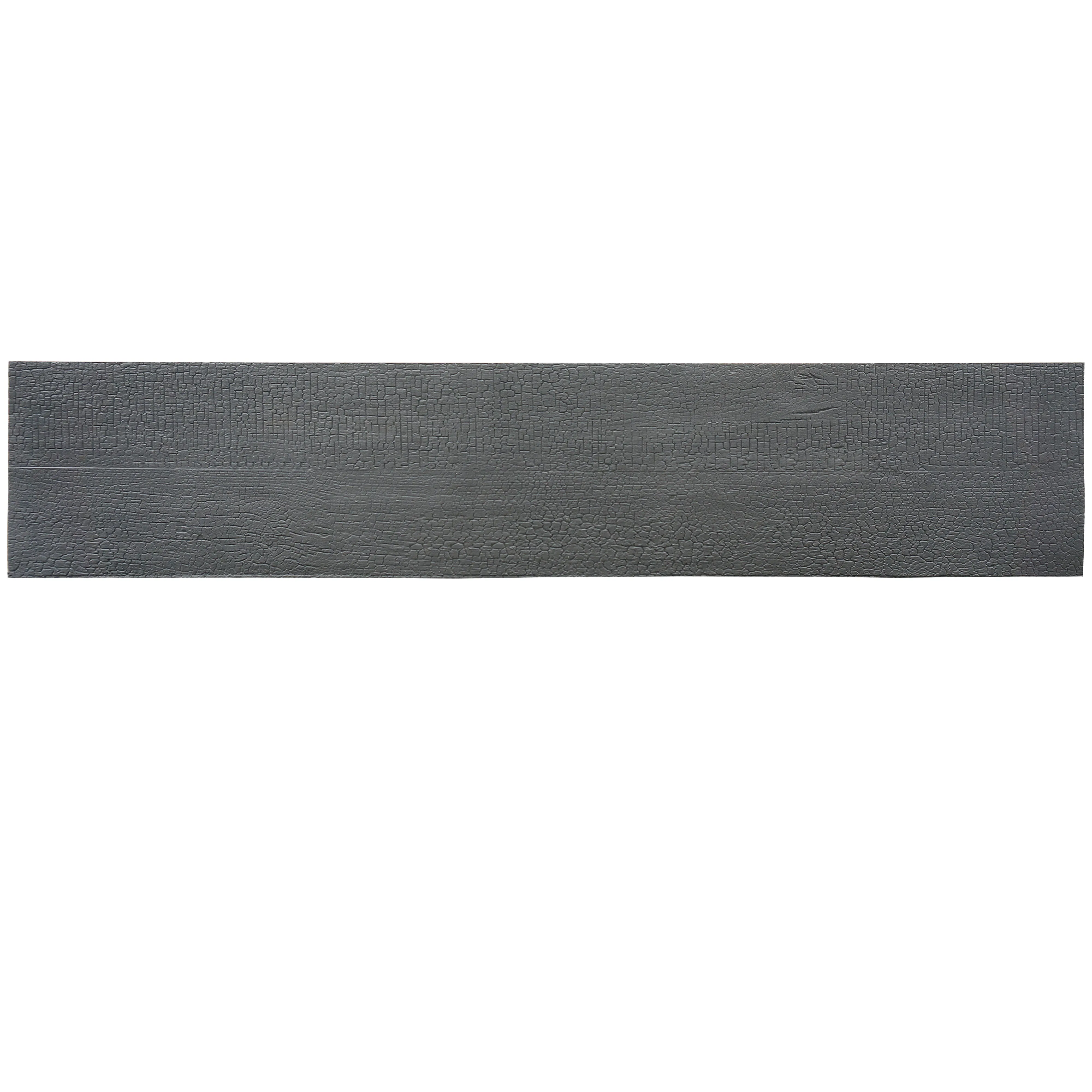
In the world of architecture and design, the search for building materials that marry form and function has never been more urgent. Today's projects demand more than just strength—they crave character, sustainability, and a story. Enter Charcoal Burnt Wood Board, a material that has taken the global market by storm, not just for its striking aesthetics but for a hidden yet critical feature: its real pH. As builders, architects, and homeowners increasingly prioritize long-term durability and material compatibility, understanding how real pH sets Charcoal Burnt Wood Board apart is key to unlocking its full potential in the competitive construction landscape.
Charcoal Burnt Wood Board isn't new, but its modern revival has been nothing short of revolutionary. Rooted in traditional techniques like Japan's shou sugi ban —where wood is charred to enhance resistance to fire, rot, and pests—today's iterations blend age-old wisdom with cutting-edge technology. The result? A material that boasts deep, smoky hues, intricate grain patterns, and a texture that feels both rugged and refined.
What makes it stand out in a crowded market? For starters, its sustainability credentials. By charring the wood surface, manufacturers reduce the need for chemical treatments, lowering VOC emissions and minimizing environmental impact. Architects in eco-conscious regions like Scandinavia and the Pacific Northwest have embraced it for green building certifications, while luxury projects in the Middle East favor its ability to add warmth to minimalist designs. But beyond looks and sustainability, there's a quieter hero driving its popularity: its carefully calibrated pH balance.
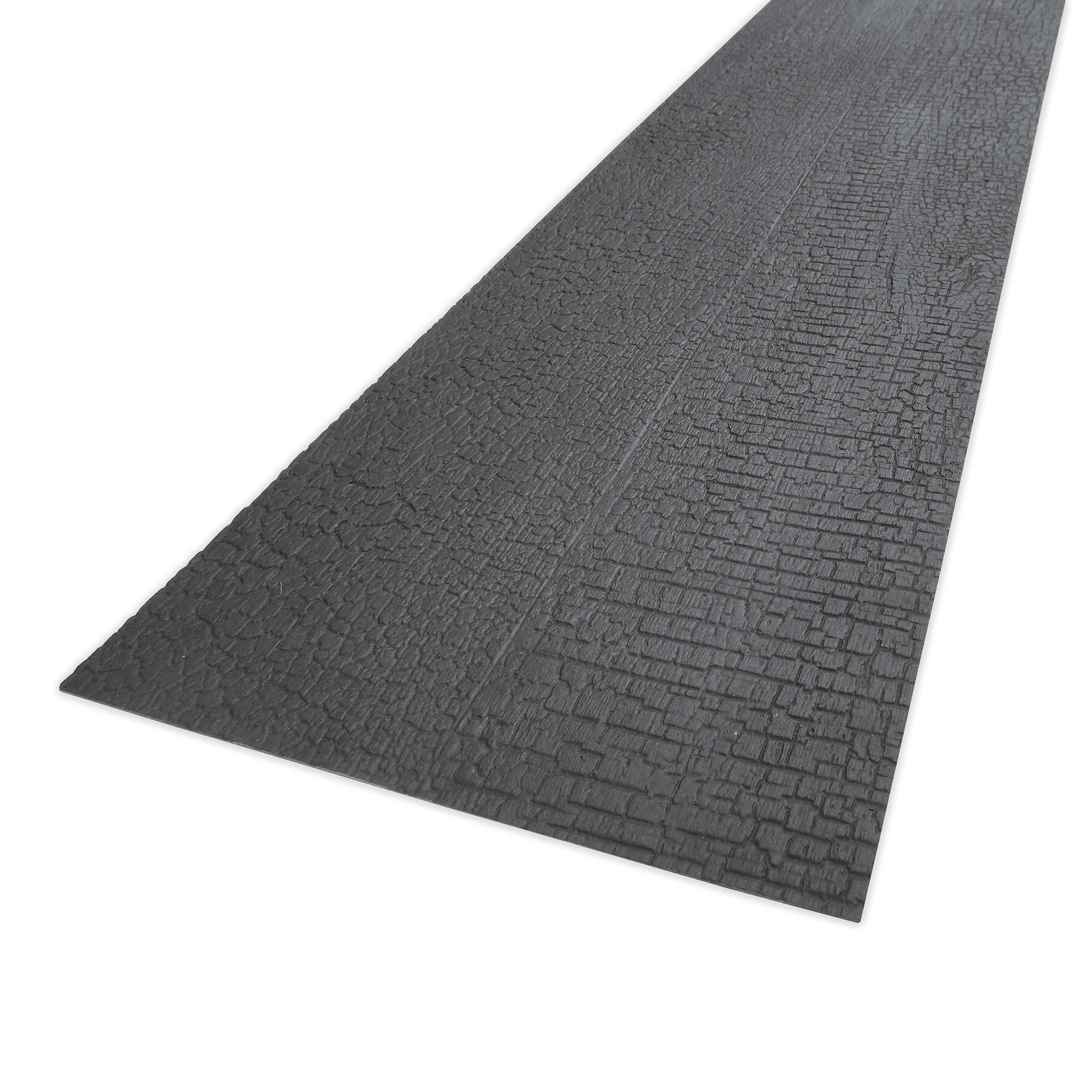
When we talk about pH in construction, we're not just discussing a number on a scale. pH—the measure of acidity or alkalinity—plays a silent but vital role in how materials interact with their environment, other building components, and even the people who use them. For Charcoal Burnt Wood Board, its "real pH" (a term referring to standardized, third-party verified pH levels) is a game-changer.
Consider this: A material with excessively high alkalinity (pH > 9) might corrode metal fasteners over time, while one that's too acidic (pH < 5) could degrade adjacent concrete or mortar. Even slight imbalances can lead to mold growth, discoloration, or structural weakening—issues that cost builders millions in repairs and damage reputations. For Charcoal Burnt Wood Board, maintaining a stable, neutral-to-slightly-alkaline pH (typically between 7.2 and 8.0) ensures compatibility with everything from steel beams to lime-based mortars, making it a versatile choice for complex projects.
"We used Charcoal Burnt Wood Board for the facade of a boutique hotel in Barcelona last year," says Maria Lopez, principal architect at Studio Lopez. "What sold us wasn't just the aesthetic—it was the material's consistent pH. We'd had bad experiences before with untreated wood panels that warped after reacting with our aluminum framing. This time? Zero issues. The pH stability meant we could trust the material to play well with others."
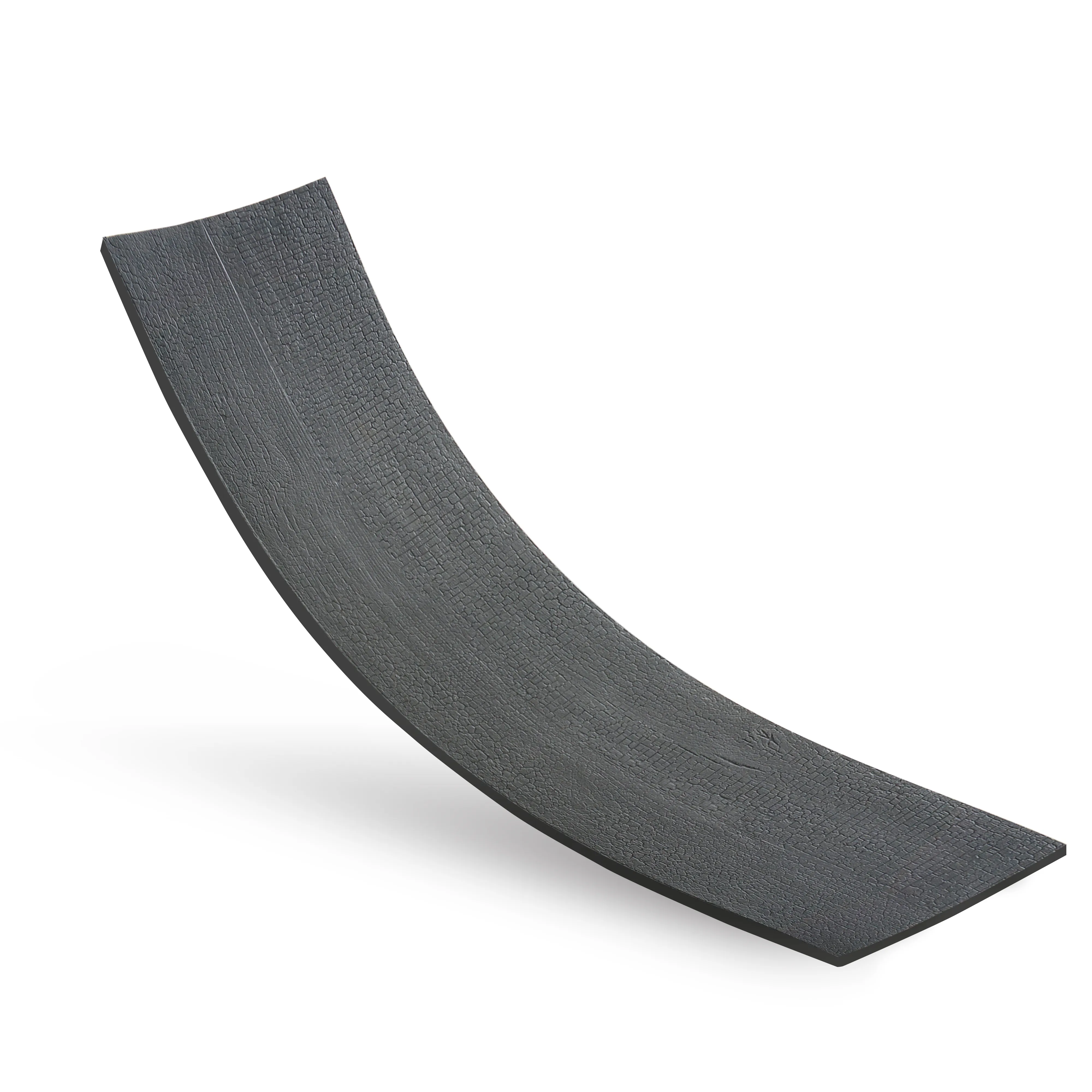
In a market flooded with "sustainable" or "durable" claims, real pH gives Charcoal Burnt Wood Board a tangible, verifiable edge. Unlike competitors that may gloss over material chemistry, manufacturers of high-quality Charcoal Burnt Wood Board invest in rigorous pH testing, publishing results to build trust with clients. This transparency isn't just a marketing tactic—it's a response to growing demand for accountability.
Take the Middle East, for example, where extreme temperatures and humidity test building materials to their limits. Projects in Dubai and Abu Dhabi now require detailed material safety data sheets (MSDS), including pH levels, to ensure longevity in harsh climates. Charcoal Burnt Wood Board, with its stable pH, has become a go-to for outdoor cladding and poolside decks, outperforming alternatives like untreated hardwoods or even some composite boards that fail to disclose their pH profiles.
Real pH also matters for indoor applications. In residential projects, where air quality is a top concern, a material's pH can influence off-gassing. Charcoal Burnt Wood Board's neutral pH minimizes the release of harmful compounds, aligning with low-VOC standards in regions like California and the EU. Homeowners, too, are catching on—search queries for "pH-neutral wood panels" have spiked 40% in the past two years, according to Google Trends data.
To truly appreciate Charcoal Burnt Wood Board's pH advantage, let's compare it to other popular building materials. The table below highlights real pH levels, typical applications, and key benefits, drawing on data from third-party lab tests and industry reports.
| Material | Real pH Level | Typical Application | Key Benefit of pH Profile |
|---|---|---|---|
| Charcoal Burnt Wood Board | 7.2–8.0 (Neutral to slightly alkaline) | Facades, decking, interior cladding | Compatible with metal fasteners; resists mold growth |
| Wood Concrete Board | 8.5–9.0 (Moderately alkaline) | Flooring, wall panels | High alkalinity enhances fire resistance but may require corrosion-resistant fasteners |
| Fair-Faced Concrete | 12.0–13.0 (Highly alkaline) | Structural elements, exposed walls | Alkalinity protects steel reinforcement but can react with acidic materials |
| Travertine (Starry Green) | 6.5–7.0 (Slightly acidic to neutral) | Countertops, decorative tiles | Low reactivity with sealants; requires careful cleaning to avoid acid etching |
| Foamed Aluminium Alloy Board (Vintage Silver) | 7.0 (Neutral) | Ceilings, accent walls | Neutral pH ensures compatibility with most adhesives |
As the table shows, Charcoal Burnt Wood Board's pH sits in the "sweet spot" for versatility. Its near-neutral profile minimizes reactions with other materials, making it a safe bet for mixed-material projects—whether paired with the industrial cool of Fair-Faced Concrete or the elegance of Travertine (Starry Green).
The global appetite for Charcoal Burnt Wood Board is growing fast, driven by regional trends that align with its pH and performance benefits. In Europe, strict EU regulations on construction material sustainability have pushed architects toward low-VOC, durable options. In Germany, for instance, the material is now a staple in passive house projects, where its pH stability ensures it won't degrade insulation or airtight seals over time.
In North America, the rise of "biophilic design"—which integrates natural elements into built spaces—has boosted demand for materials that feel organic yet require minimal maintenance. Charcoal Burnt Wood Board checks both boxes: its charred surface resists moisture in rainy Pacific Northwest climates, while its neutral pH avoids warping in the humid Southeast. Homeowners in states like California and Oregon are even using it for outdoor kitchens, where its resistance to heat and pests (thanks to that charred layer) adds to its appeal.
Perhaps nowhere is the demand more pronounced than in Asia. In Japan, where shou sugi ban originated, modern architects are reimagining the technique for high-rises and commercial hubs. In Singapore, where humidity can reach 90%, Charcoal Burnt Wood Board's pH balance prevents mold in indoor spaces like restaurants and retail stores. And in India, the material is gaining traction in heritage restoration projects, where its compatibility with traditional lime mortar (pH 8.0–8.5) ensures old and new materials coexist harmoniously.
For all its success, Charcoal Burnt Wood Board faces challenges. Sourcing sustainably harvested wood remains a hurdle, as demand outpaces supply in some regions. Additionally, maintaining consistent pH levels during mass production requires tight quality control—something smaller manufacturers may struggle with. Yet, these obstacles are also opportunities. Innovators are exploring recycled wood sources and automated charring processes to standardize pH, ensuring that even as production scales, the material's core advantage remains intact.
Looking ahead, the future is bright. As more projects prioritize "material transparency," real pH will become a non-negotiable spec, not just a bonus feature. Charcoal Burnt Wood Board, with its proven track record, is poised to lead this charge. Whether in a skyscraper in Dubai, a home in Portland, or a boutique hotel in Kyoto, its ability to blend beauty, durability, and pH stability will keep it at the forefront of architectural innovation.
Charcoal Burnt Wood Board has earned its place in the global building materials market, but its true differentiator isn't just its looks or sustainability. It's the trust that comes with real pH—a measurable, verifiable promise of compatibility, durability, and performance. In a world where materials are judged by more than meets the eye, this hidden feature is what turns a good product into a market leader.
For architects, builders, and homeowners, the message is clear: When choosing materials, look beyond the surface. Ask for real pH data. Demand transparency. Because in the end, the most successful projects aren't just built on stone and wood—they're built on trust. And in the case of Charcoal Burnt Wood Board, that trust starts with a number: 7.2 to 8.0.
Recommend Products












