

As we look towards 2025, the world of architecture and interior design is undergoing a profound transformation. A powerful wave of biophilic design—the practice of connecting people and nature within our built environments—is sweeping across the globe. This movement isn't just a fleeting trend; it's a fundamental shift in how we perceive our living and working spaces. We're yearning for authenticity, for textures that tell a story, and for materials that ground us in the natural world. It's within this context that we see a fascinating surge in interest for materials like "Pine Bark Board."
The very idea of a pine bark board evokes images of rustic cabins, serene forest landscapes, and a deep, tactile connection to nature. It represents a desire to move away from cold, sterile surfaces and embrace warmth, texture, and ecological consciousness. Architects and designers are increasingly tasked with creating spaces that not only look good but also *feel* good—spaces that reduce stress, enhance creativity, and promote well-being. The theoretical demand for a material that encapsulates the rugged beauty of a pine forest is a clear indicator of where the market is headed. It's a call for sustainability, for organic patterns, and for a return to something real. But as we stand on the cusp of this exciting future, a critical question emerges: Can traditional, raw materials truly meet the complex demands of modern construction on a global scale?
Let's imagine for a moment that a true "Pine Bark Board" was a readily available, mass-produced product. The aesthetic appeal is undeniable. Its rich, deep-brown tones, unique fissures, and organic texture would make it a stunning feature for accent walls, commercial facades, and residential exteriors. It aligns perfectly with the biophilic ethos. However, moving from this beautiful ideal to practical application uncovers a host of significant challenges that professionals in the field must confront.
Firstly, there's the question of durability and maintenance. Raw, natural materials like bark are inherently susceptible to the elements. Outdoors, they face a constant battle against moisture, UV radiation, and temperature fluctuations. This can lead to rot, discoloration, insect infestation, and physical degradation over time. Indoors, they can become brittle, shed particles, and require specialized, often costly, maintenance routines to preserve their appearance and integrity. How does such a material stand up to the rigorous fire safety codes required for commercial buildings? How does it handle the high-traffic environment of a hotel lobby or the humidity of a bathroom?
Secondly, scalability and consistency pose a massive hurdle. Nature is beautiful in its randomness, but construction projects demand a degree of predictability. Sourcing large, uniform quantities of high-quality pine bark would be an ecological and logistical nightmare. The process would be resource-intensive, potentially unsustainable, and would result in significant batch-to-batch variation. A designer specifying a particular look for a multinational brand's retail outlets needs to know that the store in Riyadh will look consistent with the one in New York. With raw, unprocessed natural materials, this level of quality control is nearly impossible to achieve.
Finally, we must consider the construction process itself. Natural materials are often heavy, brittle, and difficult to work with. Installing large slabs of wood, stone, or a hypothetical bark composite would require specialized equipment, reinforced structural support, and highly skilled labor, all of which drive up project costs and extend timelines. What if you need to wrap the material around a curved wall or a column? The inherent rigidity of these materials severely limits design freedom.
So, while the demand for the *look and feel* of a pine bark board is skyrocketing, the practical limitations of the real thing are a significant barrier. The market isn't just asking for a material; it's asking for a solution. It's asking for the aesthetic of nature, but with the performance, reliability, and versatility of modern technology.
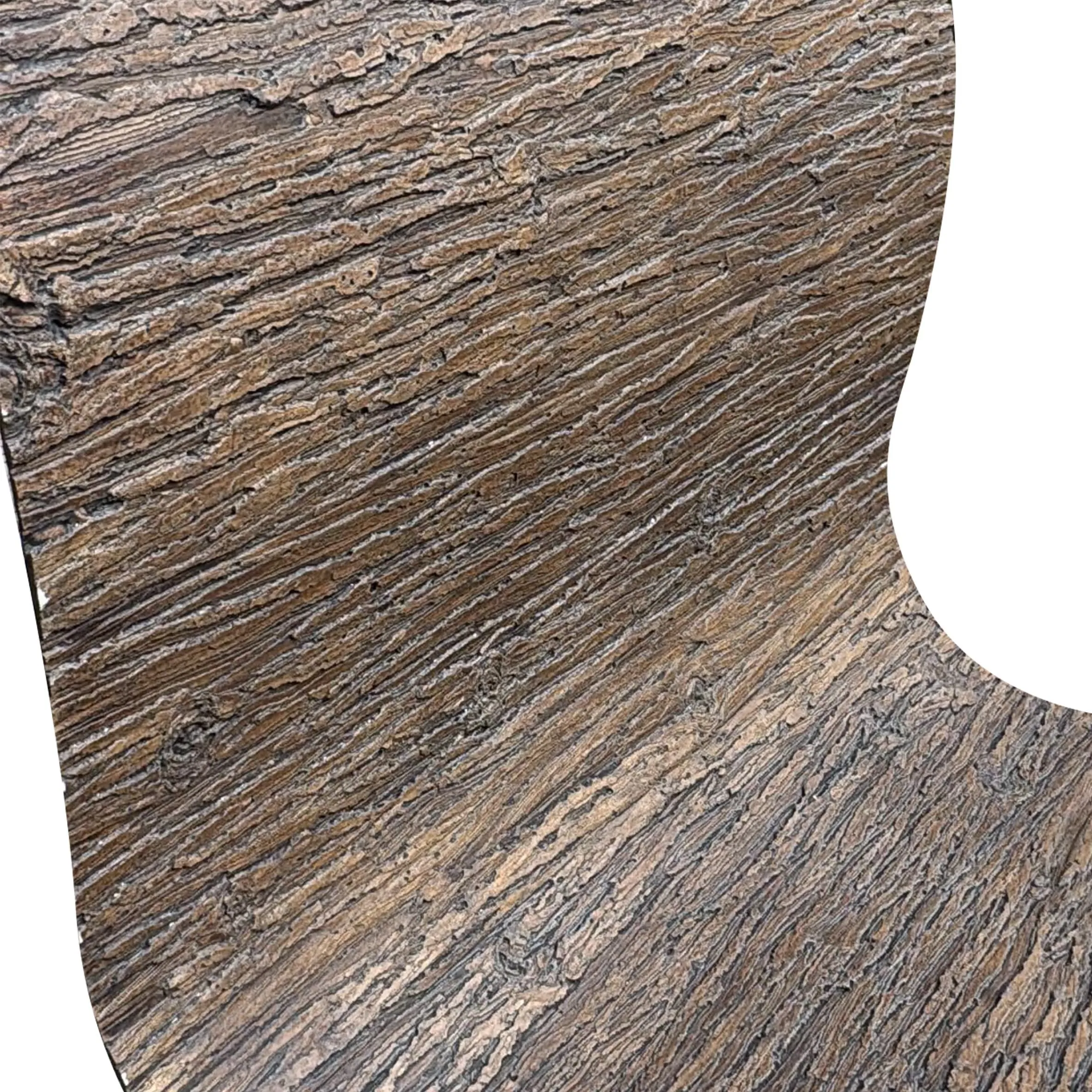
This is where the story gets exciting. The challenges posed by traditional materials have spurred a revolution in material science. Forward-thinking companies are no longer just trying to imitate nature; they are learning from it to engineer advanced materials that capture its essence without its weaknesses. Leading this charge is COLORIA GROUP, a company built on decades of industry expertise and a vision for the future of construction.
COLORIA GROUP recognized this fundamental gap in the market. They saw the growing desire for natural textures and the simultaneous need for durable, sustainable, and versatile building solutions. Instead of forcing architects to compromise, they asked a different question: "What if we could create a material that offers the best of both worlds?" The answer to that question is their groundbreaking MCM technology.
MCM, or Modified Cementitious Material, is not just another product; it's a paradigm shift. It's a technologically advanced composite material primarily made from natural components like common soil, mineral powders, and other inorganic elements. Through a specialized, low-carbon manufacturing process, these raw materials are transformed into a new class of decorative material that is both incredibly versatile and environmentally friendly. It's a testament to how human ingenuity can work in harmony with nature.
The true genius of MCM lies in its chameleon-like ability to take on the form, texture, and color of an almost infinite range of natural and man-made materials. It can replicate the intricate grain of wood, the rugged face of quarried stone, the sleek finish of polished concrete, and yes, the deep, complex texture of pine bark—all with stunning fidelity. But unlike the materials it emulates, MCM is lightweight, flexible, and exceptionally durable. This is where COLORIA GROUP, as a premier **one-stop solution provider**, truly shines, offering a comprehensive portfolio of MCM products designed to meet any architectural challenge.
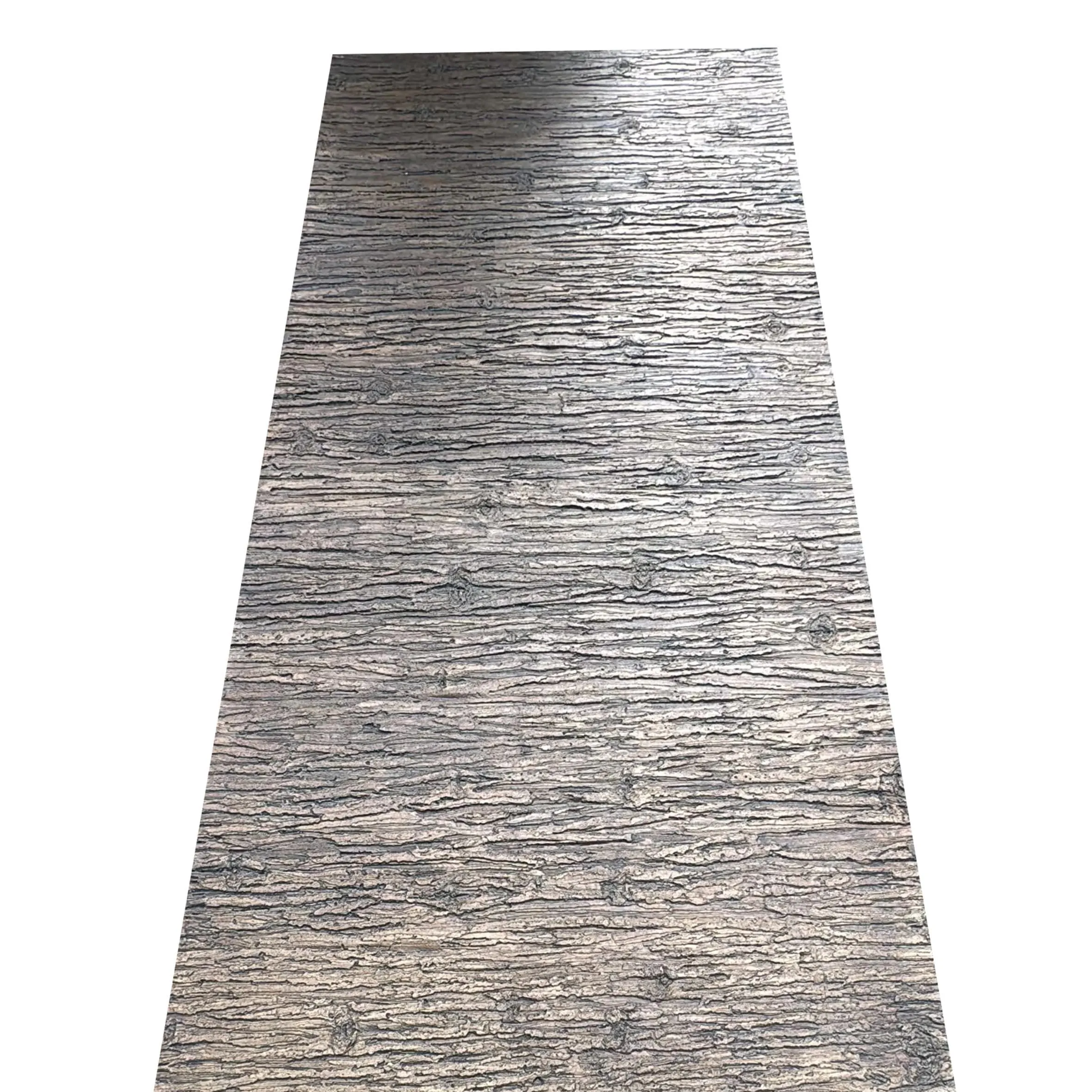
Perhaps the most revolutionary product in COLORIA's arsenal, and the most direct answer to the market's craving for textured, natural surfaces, is the **MCM Flexible Stone** series. This product is a game-changer for designers who have long been constrained by the rigidity of traditional materials.
Imagine a material with the breathtaking appearance of natural slate, travertine, or even a custom-designed bark texture, but it's as thin as a few millimeters and flexible enough to be wrapped around a pillar, a curved reception desk, or an undulating feature wall. That is the power of **MCM Flexible Stone**. Its flexibility opens up a new universe of design possibilities that were previously impossible or prohibitively expensive. Arches, domes, and complex organic shapes can now be clad seamlessly, without the need for difficult, wasteful cutting or specialized installation techniques.
One of the most significant advantages of **MCM Flexible Stone** is its incredibly low weight. Traditional stone cladding can weigh upwards of 50-80 kg per square meter, requiring substantial structural reinforcement and heavy machinery for installation. In contrast, MCM Flexible Stone weighs only a fraction of that, typically around 4-8 kg per square meter.
This has profound implications for both new construction and renovation projects. In new builds, it means reduced structural loads, leading to cost savings in the building's foundation and frame. For renovations, it's even more transformative. Old facades can be given a stunning, modern facelift without needing to strip the building back to its skeleton or perform expensive structural upgrades. Installation is faster, requires less manpower, and creates significantly less on-site noise and disruption. This makes it an ideal solution for projects in dense urban environments or for renovating operational buildings like hotels and offices.
While it may be lightweight and flexible, **MCM Flexible Stone** is incredibly tough. It is engineered to withstand the rigors of both internal and external environments. It's waterproof, fire-resistant (achieving Class A fire rating), resistant to freezing and thawing cycles, and its colors are integrated throughout the material, ensuring it won't fade under UV exposure like a printed surface. It doesn't chip or crack like traditional tile and is far more impact-resistant. This unique combination of beauty and brawn means that a facade clad in MCM will maintain its stunning appearance for decades with minimal maintenance, a far cry from the constant upkeep required by many raw natural materials.
So, when we talk about the demand for a "Pine Bark Board," what the market is truly asking for is a product like COLORIA's **MCM Flexible Stone**. A product that can deliver that rich, organic texture in a form that is durable, easy to install, and allows for complete creative freedom.
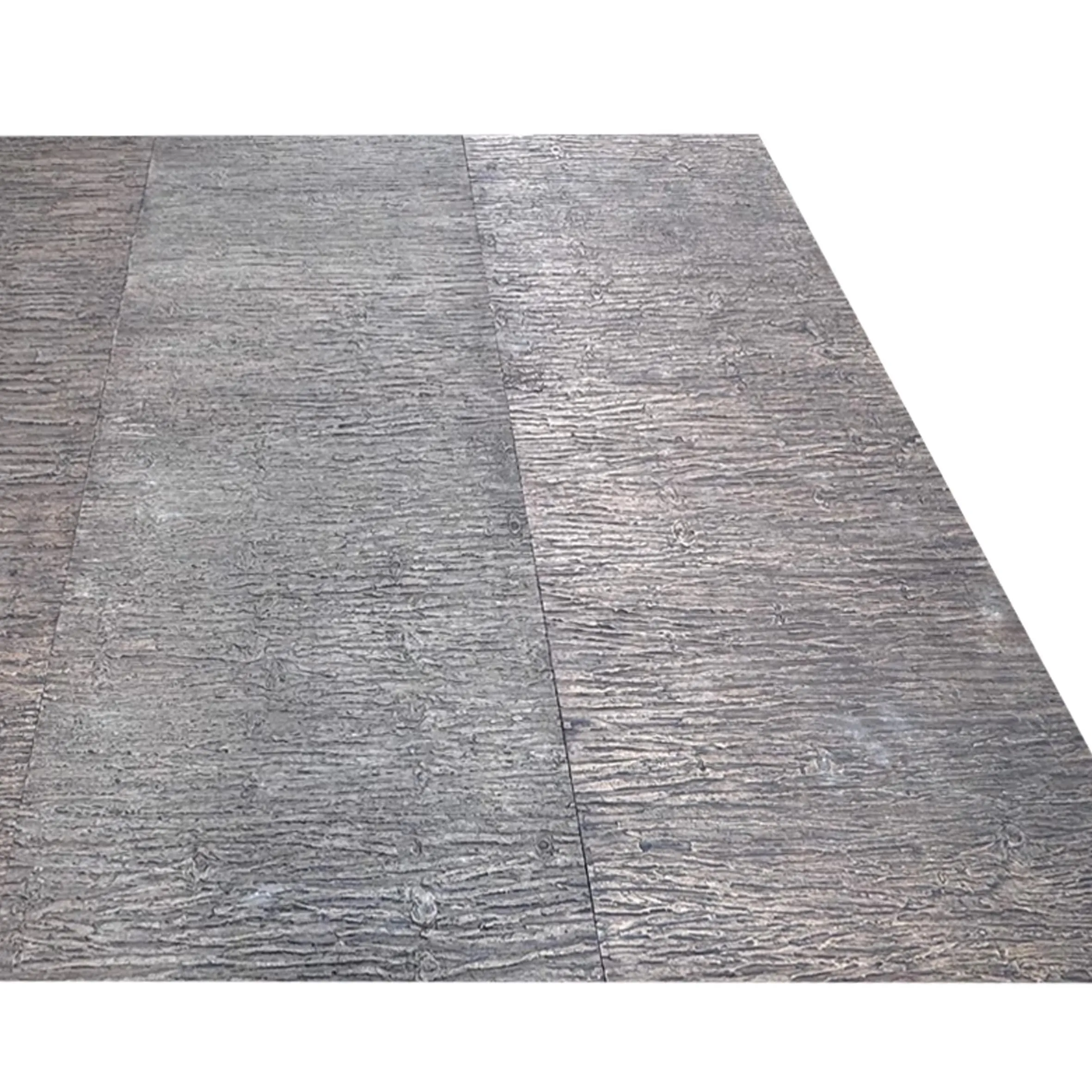
While flexibility is key for certain applications, another major trend in contemporary design is the move towards large, monolithic surfaces that create a sense of scale, luxury, and seamlessness. The visual noise of grout lines and seams is increasingly being designed out, in favor of clean, expansive planes of material. This is where the **MCM Big Slab Board Series** comes into its own.
This series takes the same core MCM technology and applies it to large-format panels that can transform spaces. Imagine an entire lobby wall clad in a single, unbroken piece of material that looks like rich leather, weathered steel, or a massive slab of sandstone. The **MCM Big Slab Board Series** makes this possible. These boards offer the same incredible range of textures and finishes—from the most subtle fabric weaves to, once again, the rugged look of tree bark—but on a grand scale.
The impact is immediate and powerful. In exterior applications, these large boards create striking, modern facades that are both beautiful and highly weather-resistant. The reduced number of seams means fewer points of potential water ingress, enhancing the building's overall envelope performance. Internally, they are perfect for creating feature walls in atriums, conference rooms, and high-end residences. They can be used in bathrooms and kitchens as a grout-free alternative to tiles, offering a hygienic, easy-to-clean, and visually stunning surface.
Like its flexible counterpart, the **MCM Big Slab Board Series** retains the key advantages of being relatively lightweight compared to traditional large-format materials like porcelain or stone slabs. This simplifies logistics, speeds up installation, and reduces the load on the building structure. It provides the monumental look of heavy materials without the associated engineering and construction challenges.
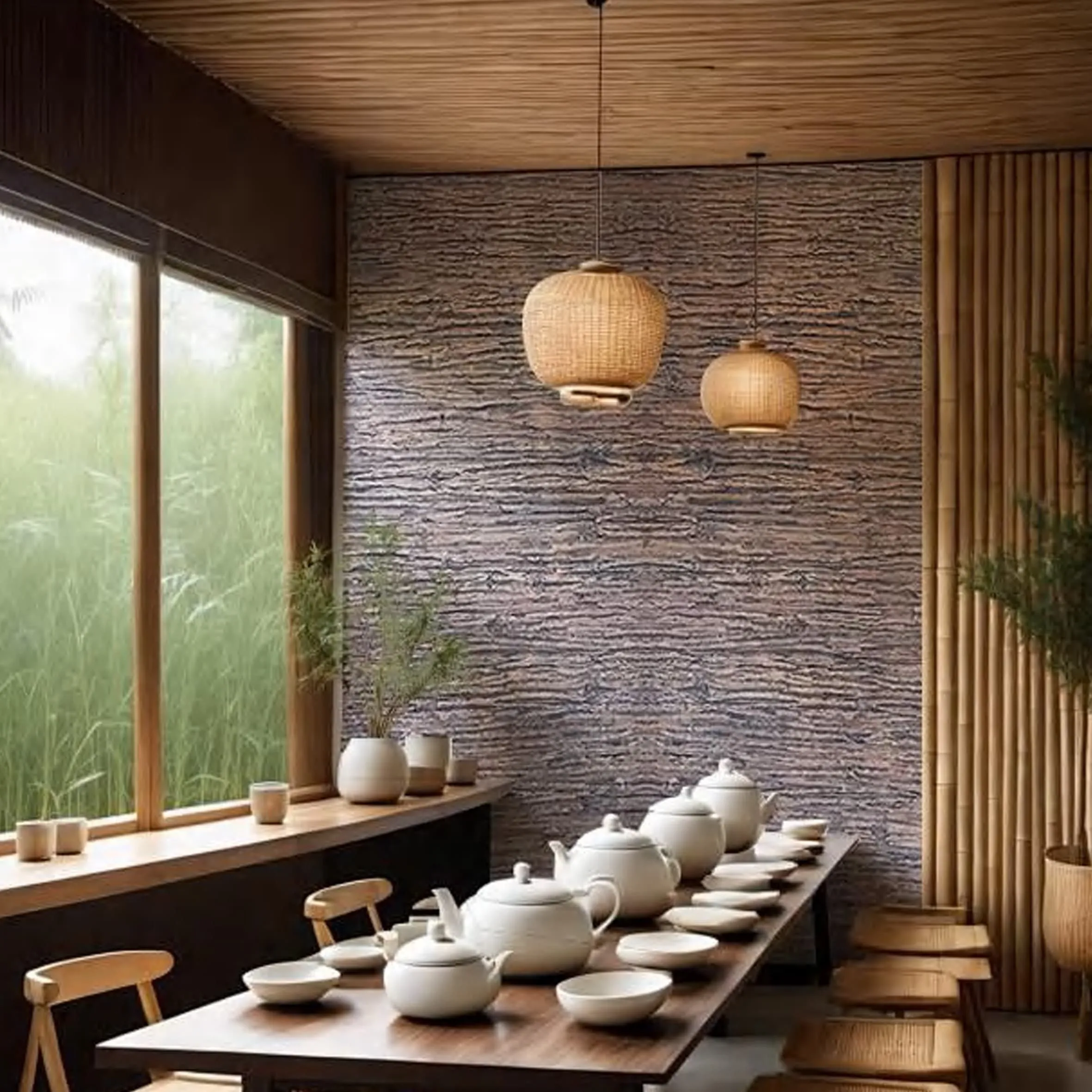
For large-scale commercial, residential, and public projects, success hinges on performance, consistency, and efficiency. Architects, developers, and contractors need materials that not only meet the design intent but also adhere to strict budgets, tight schedules, and rigorous performance standards. It is for these demanding applications that COLORIA GROUP developed the **MCM Project Board Series**.
The **MCM Project Board Series** is the workhorse of the MCM family, engineered for maximum performance and value. While it offers the same fundamental benefits of MCM technology—durability, fire resistance, and a wide range of aesthetic options—it is specifically optimized for large-volume projects. This means streamlined production, standardized sizing for easy specification and installation, and a focus on the most durable and widely-appealing finishes.
Think about the cladding for a multi-story apartment complex, the interior walls of a new hospital, or the facade of a large distribution center. In these scenarios, the material must be incredibly robust, easy to maintain, and cost-effective at scale. The **MCM Project Board Series** delivers on all fronts. Its Class A fire rating provides peace of mind and simplifies code compliance. Its resistance to impact, abrasion, and weathering ensures the building will look good for years to come, reducing long-term lifecycle costs.
Furthermore, the consistency of the **MCM Project Board Series** is a major asset for large projects. Unlike natural stone or wood where every piece is different, MCM boards offer predictable color and texture, ensuring a uniform and high-quality finish across thousands of square meters. This reliability simplifies the construction process, reduces on-site waste from rejected materials, and helps keep the project on track. It is the professional's choice for when performance and reliability are paramount.
| Feature | Traditional Materials (e.g., Real Wood/Bark, Stone) | COLORIA GROUP MCM Solutions |
|---|---|---|
| Design Flexibility | Limited. Rigid, difficult to apply on curved surfaces. Finite natural patterns. | Excellent. Highly flexible (MCM Flexible Stone), can wrap columns and curves. Infinite custom textures and colors are possible. |
| Weight | Very heavy, requires structural reinforcement and heavy machinery. | Extremely lightweight (approx. 1/6th of tile), reduces structural load, simplifies installation. |
| Durability & Weathering | Prone to rot, insect damage, UV fading, cracking, and water damage. | Waterproof, Class A fire-rated, freeze-thaw resistant, UV stable, and impact resistant. Built to last in harsh conditions. |
| Installation | Slow, costly, requires specialized labor and wet-cutting. High on-site waste. | Fast and easy. Can be cut with a simple utility knife. Minimal dust, noise, and waste. Reduces project timelines. |
| Maintenance | High. Requires regular sealing, cleaning, and potential replacement of damaged sections. | Extremely low. Simple cleaning is all that's required. No sealing needed. |
| Sustainability | Questionable. Quarrying and logging can be environmentally destructive. Heavy weight increases transport emissions. | High. Made from natural recycled materials. Low-energy production process. Lightweight reduces transport carbon footprint. |
| Consistency | Low. Significant variation in color, pattern, and quality from batch to batch. | High. Excellent batch-to-batch consistency ensures a uniform finish for large-scale projects. |
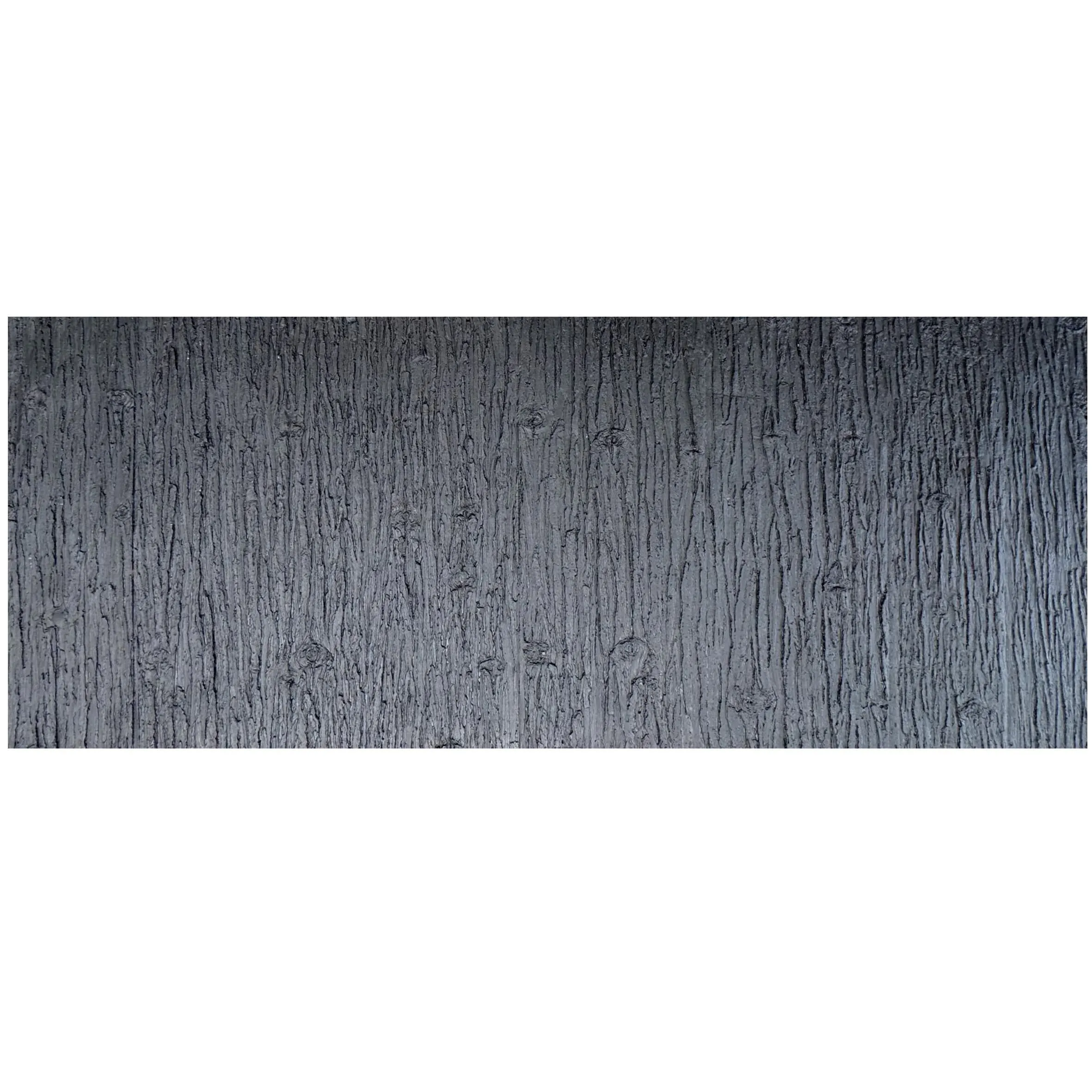
The innovation doesn't stop with replicating existing textures. COLORIA GROUP is pushing the boundaries of what's possible with their **MCM 3D Printing Series**. This cutting-edge technology allows architects and designers to create truly bespoke, one-of-a-kind surfaces. Imagine a wall that incorporates a company's logo in a subtle, three-dimensional texture, or an artistic facade with a unique, flowing pattern designed specifically for that building. This level of customization empowers ultimate creative expression, turning buildings into works of art.
Underpinning all of this innovation is a deep commitment to sustainability. In a world increasingly conscious of its environmental footprint, MCM technology stands out as a genuinely green solution. The production process consumes far less energy than the firing of ceramic tiles or the quarrying, cutting, and polishing of natural stone. The use of natural, often locally sourced, soils and mineral powders reduces reliance on virgin resources. Its lightweight nature drastically cuts down on the carbon emissions associated with transportation, from the factory to the global distribution hub (such as the agency in Saudi Arabia), and finally to the job site. This makes COLORIA's MCM products a choice that is not only good for the project but also good for the planet.
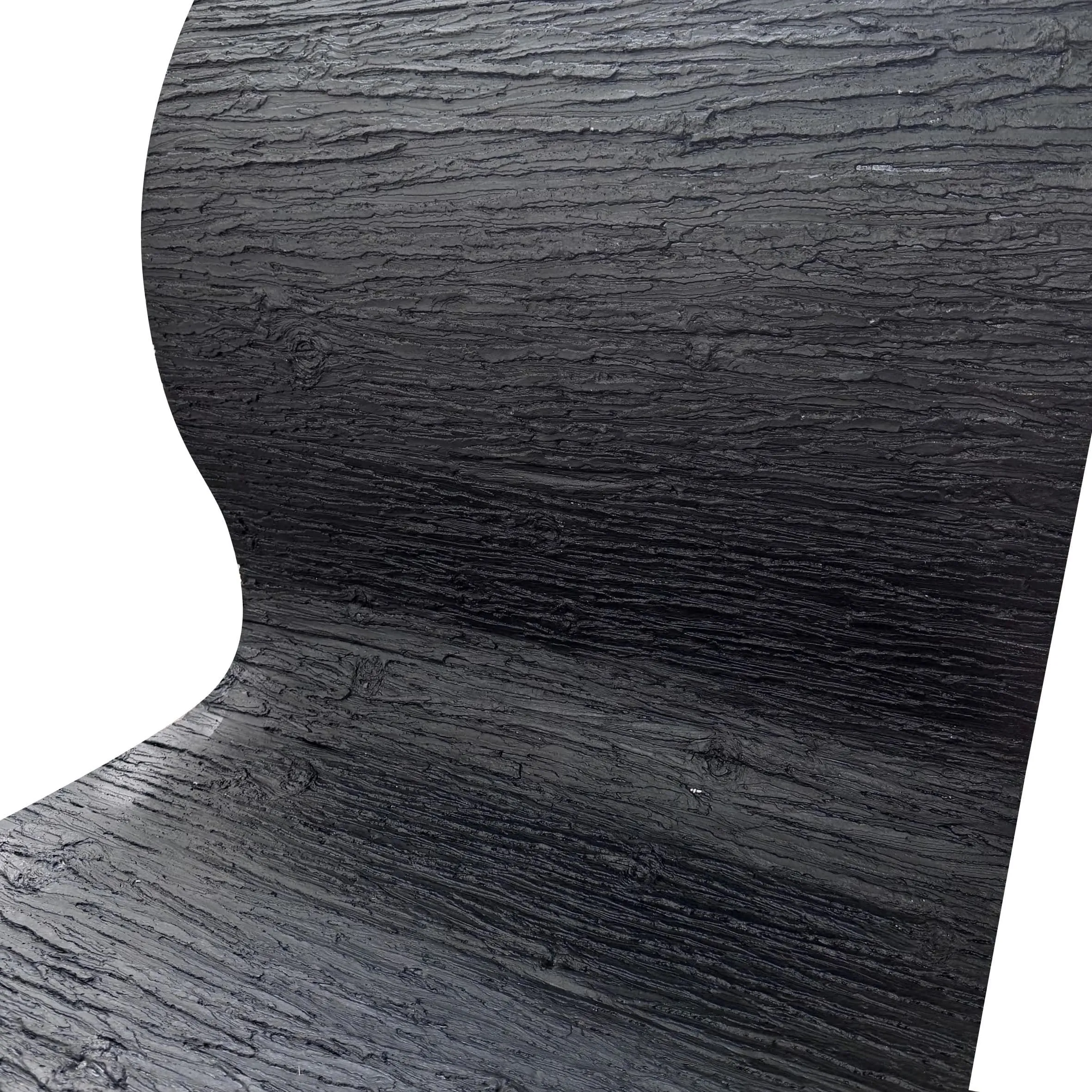
The projected demand for materials like "Pine Bark Board" in 2025 is a clear and powerful signal from the global market. It's a demand for warmth, for texture, for sustainability, and for a deeper connection with the natural world in our built environments.
However, a literal interpretation of this demand falls short of the practical realities of modern construction. The true solution lies not in revisiting the past, but in embracing the future of material science. It lies in advanced materials that provide the desired aesthetics without the inherent flaws of their natural counterparts.
COLORIA GROUP, with its comprehensive suite of MCM products—from the versatile **MCM Flexible Stone** to the grand **MCM Big Slab Board Series** and the robust **MCM Project Board Series**—is not just responding to this trend; it is defining it. They provide the tools for architects, designers, and builders to realize their most ambitious biophilic designs without compromising on performance, durability, or creative freedom.
So, as we look towards 2025 and beyond, the future of facade and surface design is clear. It's a future that looks and feels like nature, but performs with the strength and intelligence of cutting-edge technology. It's a future that is being built today by COLORIA GROUP.
Recommend Products











