
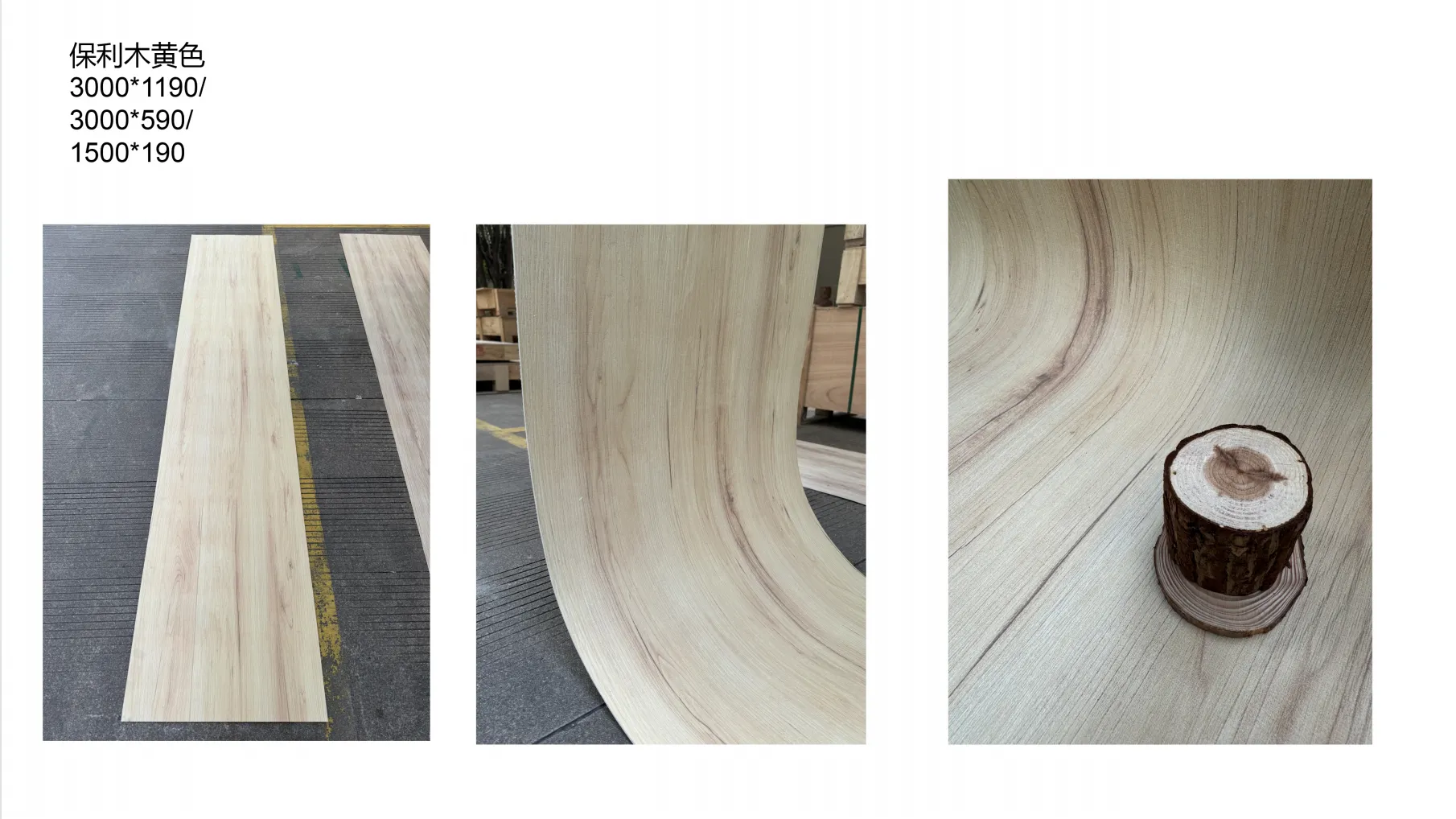
In an era where buildings are no longer just structures but stories—narratives of sustainability, craftsmanship, and human connection—materials have become the ink with which these tales are written. Among the rising stars of this new chapter is poly wood board , a material that marries the timeless warmth of wood with the resilience of modern innovation. As we step into 2025, its demand isn't just growing; it's redefining how architects, designers, and homeowners imagine spaces. Let's explore why this unassuming composite is capturing hearts (and markets) worldwide.
If you're picturing a cheap plastic panel masquerading as wood, think again. Poly wood board is a labor of balance: a blend of recycled plastic polymers and wood fibers (often from sawdust or repurposed timber), engineered to mimic the grain, texture, and even the subtle scent of real wood—without the drawbacks. It's the answer to a universal frustration: wanting the beauty of wood without the warping, rotting, or termite damage that comes with the real deal. And in 2025, as sustainability moves from "trend" to "expectation," its eco-friendly credentials are making it impossible to ignore.
Consider this: Every square foot of poly wood board keeps approximately 3.5 pounds of plastic out of landfills and reduces the need to harvest virgin timber. For designers like Maria Gonzalez, who leads sustainable projects at a top New York firm, that's a selling point that goes beyond aesthetics. "Clients don't just ask, 'Does it look good?' anymore," she notes. "They ask, 'What's its story?' Poly wood board tells a story of second chances—of plastic bottles and wood scraps finding new life as a kitchen backsplash or a patio deck."
Demand for poly wood board isn't spiking in a vacuum. It's riding a wave of global shifts that make it the right material at the right time. Let's break down the momentum:
While poly wood board takes center stage, it's not alone. The market is booming with complementary materials that cater to niche tastes. Take wood grain board : For purists who crave the most authentic wood texture, this variant uses advanced embossing techniques to replicate the look of hand-sanded oak, maple, or walnut. It's a favorite in luxury hospitality—think boutique hotels with "rustic chic" lobbies where guests run their hands over the walls, convinced they're touching solid wood.
Then there's bamboo mat board , a rising star in Asian and tropical markets. Made from woven bamboo strips fused with eco-resins, it brings a distinct, artisanal flair—think Bali-inspired cafes or Zen gardens. Unlike poly wood, it has a lighter, airier aesthetic, making it ideal for ceiling panels or room dividers. In Japan, where bamboo symbolizes resilience, bamboo mat board sales grew 27% in 2024, often paired with poly wood for a layered, natural look.
| Material | Best For | Durability | Eco Score |
|---|---|---|---|
| Poly Wood Board | Outdoor decking, high-moisture areas (baths, kitchens) | 25+ years (resists rot, termites, UV) | High (80% recycled content) |
| Wood Grain Board | Interior accent walls, furniture, luxury retail | 15-20 years (good for indoors; avoid heavy moisture) | Medium-High (recycled wood fibers, low-VOC adhesives) |
| Bamboo Mat Board | Ceilings, room dividers, tropical-themed spaces | 10-15 years (needs sealing for outdoor use) | Very High (bamboo is fast-growing, renewable) |
Demand for poly wood board isn't uniform—it's shaped by culture, climate, and local design trends. Let's zoom in on key regions:
Europe leads the pack, thanks to strict green building laws. Germany, France, and Scandinavia are the biggest buyers, using poly wood board in everything from public parks (benches, playgrounds) to residential cladding. In Sweden, where "allemansrätten" (the right to access nature) is sacred, poly wood is prized for its ability to blend into forests without harming them. Even luxury brands like IKEA are integrating it into furniture lines—because sustainability sells here.
In the U.S. and Canada, poly wood board is all about outdoor living. From Texas ranch patios to Canadian lake houses, homeowners are ditching high-maintenance wood for poly wood decking and fencing. Florida, with its humid climate, is a hot spot—sales there grew 35% in 2024. And it's not just residential: Restaurants are using poly wood for outdoor dining booths, while retailers like Starbucks are cladding drive-thru kiosks in wood grain board to evoke a cozy, cabin-like feel.
Here, poly wood board is gaining ground, but bamboo mat board holds cultural sway. In China and Japan, bamboo symbolizes strength and purity, making bamboo mat board a favorite for temples, tea houses, and traditional homes. Meanwhile, in fast-urbanizing cities like Singapore and Seoul, poly wood board is used in high-rise balconies and rooftop gardens—spaces where durability and light weight (it's 30% lighter than solid wood!) are critical.
It's not all smooth sailing for poly wood board . Despite its perks, challenges remain. For one, there's the "plastic stigma." Some consumers still associate composite materials with cheap, fake-looking products of the early 2000s. Manufacturers are fighting back with hyper-realistic designs—think wood grain board with 3D-printed knots and color variations that mimic real tree growth rings—but old biases die hard.
Competition is another hurdle. Foamed aluminium alloy board (vintage silver and gold variants) is gaining traction in modernist design for its sleek, industrial look. While it can't replicate wood's warmth, it appeals to a niche audience willing to trade coziness for cutting-edge aesthetics. Then there's fair-faced concrete , beloved for its raw, minimalist vibe. "We often pitch poly wood against concrete for commercial projects," says designer Lina Chen. "Concrete says 'edgy,' poly wood says 'inviting.' It depends on the brand's personality."
Finally, raw material costs are volatile. The plastic and wood fiber used in poly wood board are subject to global market swings—think resin price hikes due to oil shortages. Manufacturers are exploring bio-based plastics (made from corn or sugarcane) to stabilize costs, but that tech is still in its infancy.
The future looks bright—and innovative. Here's what to watch for:
At the end of the day, poly wood board isn't just about building better decks or more durable walls. It's about reimagining our relationship with nature. It asks: What if we could love wood without taking from forests? What if sustainability didn't mean sacrificing beauty? As we move into a future where every choice carries weight, materials like poly wood board , wood grain board , and bamboo mat board are more than products—they're proof that progress and planet can coexist.
So whether you're a homeowner dreaming of a low-maintenance deck, an architect designing the next green landmark, or just someone who appreciates a well-crafted space, keep an eye on poly wood board . It's not just trending—it's transforming how we build, live, and connect with the world around us. And that's a story worth telling.
Recommend Products












