
Architecture is more than steel beams and concrete foundations—it's the story a space tells. Every wall, every facade, every surface whispers something about the people who built it, the culture it belongs to, and the emotions it aims to evoke. At COLORIA, we've spent decades turning building materials into storytellers. From the sunlit plazas of Barcelona to the futuristic skylines of Dubai, our portfolio of global projects is a testament to how the right materials can transform a structure into an experience. Today, we're diving into one of our most celebrated innovations: Romanite in large-size applications. But we won't stop there—we'll also explore the magic of materials like MCM flexible stone, travertine (starry green), lunar peak silvery, and foamed aluminium alloy board (vintage silver), each playing a starring role in projects that span continents.
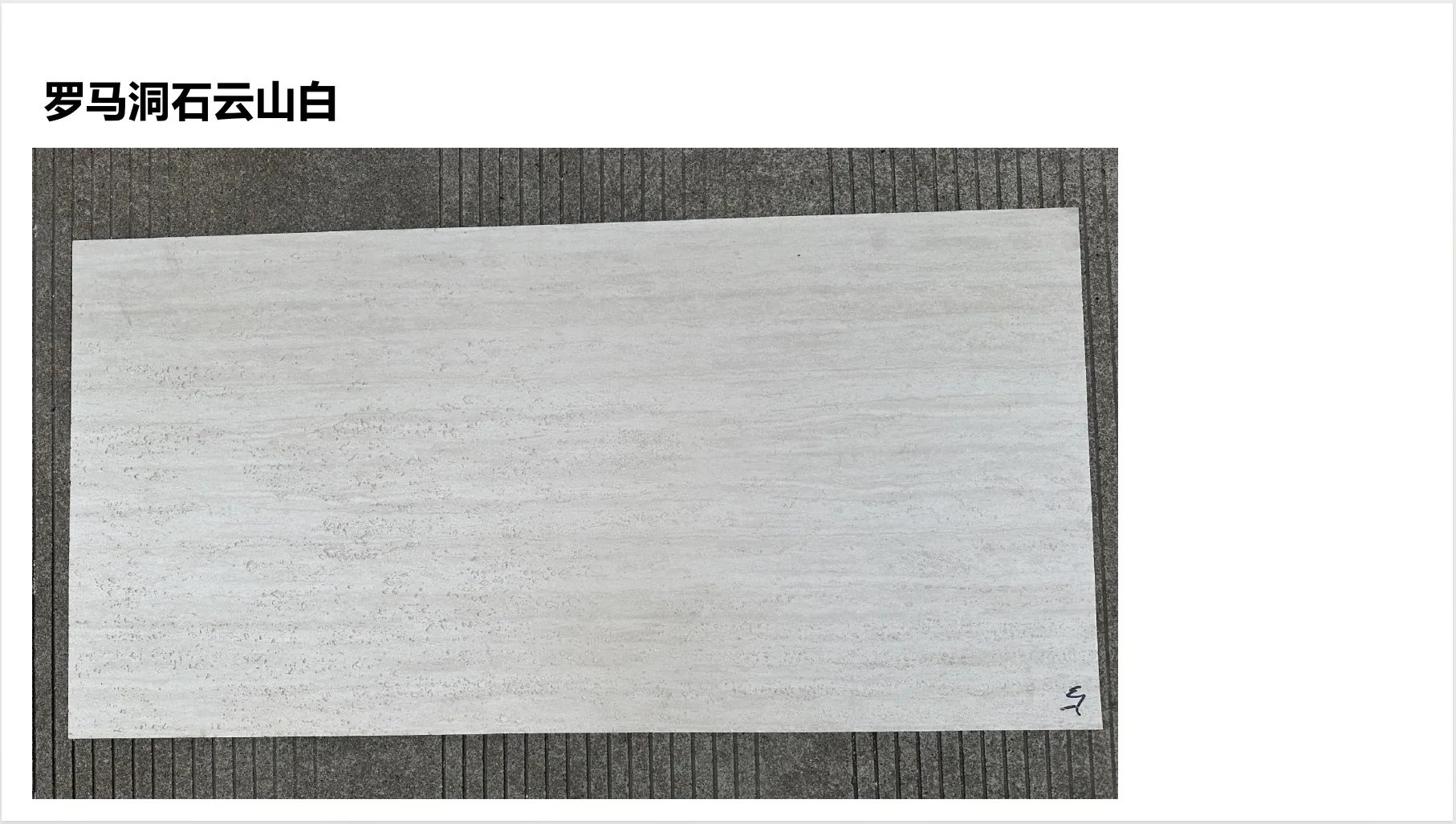
Romanite isn't just a material—it's a love letter to bold design. Imagine standing in the lobby of the Azure Tower in Singapore, your gaze drawn upward to a 20-foot-tall wall that seems to flow like liquid stone. That's Romanite in large-size panels (up to 1200x2400mm), and it's redefining what "seamless" means in architecture. Unlike traditional stone slabs, which often require unsightly grout lines or risk cracking under their own weight, Romanite's engineered composition marries the durability of natural stone with the flexibility of modern composites. The result? Surfaces that feel both ancient and futuristic, perfect for spaces that demand attention without sacrificing functionality.
In the recently completed "Haven Residences" in Sydney, Romanite large slabs were chosen for the exterior cladding. The architects wanted a material that could withstand Australia's harsh UV rays and coastal winds while maintaining a warm, earthy aesthetic. The solution? Romanite in a custom "sandy taupe" finish, cut into 3m-wide panels that wrap around the building like a gentle embrace. Residents often remark on how the facade shifts color with the sun—soft gold at dawn, warm amber at dusk—turning the building into a living part of the landscape.
Large-format panels aren't just about aesthetics—they're about efficiency. For the "Pulse Mall" in Bangkok, using 1.8m x 3m Romanite slabs reduced installation time by 40% compared to standard 600x600mm tiles. Fewer joints mean less maintenance, better water resistance, and a cleaner, more modern look. It's no wonder that clients from retail to hospitality are clamoring for it. One project manager in Paris summed it up: "Romanite large size lets us design with fewer interruptions. It's like painting a canvas without having to stop for brushstrokes."
Romanite may be the headline, but it rarely works alone. In the world of architecture, materials are like characters in a play—each has a unique voice, and together, they create something unforgettable. Let's meet a few of the supporting stars that shine alongside Romanite in our global projects.
Think of MCM flexible stone as the chameleon of the building world. It looks and feels like natural stone, but it bends. That's right—bends. This game-changing quality makes it perfect for curved surfaces, irregular facades, or historic renovations where preserving the original structure is key. Take the "Riverside Bistro" in Lisbon, a 19th-century warehouse converted into a waterfront dining spot. The original brick walls had gentle arches and uneven curves that traditional stone couldn't follow. Enter MCM flexible stone in "aged terracotta"—thin, lightweight panels that wrapped around every contour, mimicking the warmth of the region's traditional clay tiles. Today, diners sit beneath a ceiling that feels both old and new, a nod to Lisbon's past with the durability of modern engineering.
Project Spotlight: The "Curve Gallery" in Seoul, South Korea, features a facade entirely clad in MCM flexible stone (custom "midnight blue"). The material's flexibility allowed the architects to create a wave-like pattern that ripples along the street, catching the city's neon lights at night. Visitors often pause to run their hands over the surface—surprised that something so smooth and stone-like could move so gently with the wind.
Travertine has been a staple in architecture since ancient Rome, but we've given it a modern twist with our "starry" series. Travertine (starry green) isn't just a color—it's a mood. Picture a lobby floor that shimmers like a forest at twilight, tiny flecks of iridescent green and gold embedded in creamy beige stone. That's the magic of the starry finish, created by mixing natural minerals into the travertine matrix during production. It's subtle enough to feel organic but striking enough to become the focal point of any room.
At the "Emerald Resort" in the Maldives, travertine (starry green) takes center stage in the spa's relaxation lounge. The floor, paired with teak wood accents and floor-to-ceiling glass windows overlooking the Indian Ocean, creates a space that feels like a hidden grove—calm, grounding, and just a little bit magical. Guests often say they lose track of time there, watching how the sunlight dances off the "stars" in the stone.
If travertine (starry green) is the forest, lunar peak silvery is the moon. This material has a cool, metallic sheen that's equal parts futuristic and timeless. It's not just about looks, though—lunar peak silvery is engineered to reflect heat, making it ideal for hot climates. In Dubai's "SkyView Tower," the exterior cladding uses lunar peak silvery panels to reduce indoor cooling costs by 25%. But walk up close, and you'll notice something else: the surface has a subtle texture, like the moon's craters, that catches the light in unexpected ways. At sunset, the building glows with a soft, silvery hue, earning it the nickname "The Lunar Lantern" among locals.
Some materials tell stories of the future; others whisper of the past. Foamed aluminium alloy board (vintage silver) does both. With a weathered, antique finish that looks like it's been kissed by time, this material adds warmth to modern designs. But don't let the vintage vibe fool you—foamed aluminium is lightweight, fire-resistant, and virtually maintenance-free. It's the perfect choice for projects that blend heritage with innovation, like the "Heritage Hotel" in Prague.
Project Spotlight: The hotel, housed in a 17th-century Baroque building, needed to update its exterior without losing its historic character. Foamed aluminium alloy board (vintage silver) was used to replace rotting wooden shutters and rusted metal accents. The result? A facade that looks like it's been there for centuries, but with the durability to stand for centuries more. Guests often comment on how the silver panels complement the building's original stone carvings, creating a harmony between old and new.
With so many materials in play, how do architects choose the right one for a project? It all comes down to context: climate, aesthetics, functionality, and the story the space wants to tell. Here's a closer look at how Romanite (large size), MCM flexible stone, travertine (starry green), lunar peak silvery, and foamed aluminium alloy board (vintage silver) stack up in real-world applications:
| Material | Key Features | Best For | Global Project Example |
|---|---|---|---|
| Romanite (Large Size) | Seamless panels (up to 3m), high durability, custom finishes | Modern facades, large lobbies, high-traffic areas | Azure Tower, Singapore (Exterior cladding, lobby walls) |
| MCM Flexible Stone | Bendable, lightweight, mimics natural stone | Curved surfaces, historic renovations, coastal areas | Riverside Bistro, Lisbon (Curved ceiling, accent walls) |
| Travertine (Starry Green) | Iridescent "star" flecks, warm earthy tone, natural texture | Spas, hotels, wellness centers | Emerald Resort, Maldives (Spa lounge floors, feature walls) |
| Lunar Peak Silvery | Metallic sheen, heat-reflective, crater-like texture | Hot climates, modern commercial buildings | SkyView Tower, Dubai (Exterior cladding, sunshades) |
| Foamed Aluminium Alloy Board (Vintage Silver) | Antique finish, lightweight, fire-resistant | Heritage restorations, boutique hotels | Heritage Hotel, Prague (Exterior shutters, accent panels) |
In a world where sustainability is no longer optional, we believe materials should do more than look good—they should do good. All the materials in our portfolio, from Romanite to MCM flexible stone, are engineered with the planet in mind. Romanite, for example, uses 30% recycled content, and its large-size panels reduce waste by minimizing cuts and scraps. MCM flexible stone, being lightweight, lowers transportation emissions by up to 50% compared to traditional stone. Even our foamed aluminium alloy boards are 100% recyclable, ensuring that when a building's story ends, its materials can start a new one.
The "Eco-Village" in Copenhagen, a residential complex built entirely with COLORIA materials, is a shining example. The project uses MCM flexible stone for the facades (reducing the building's carbon footprint during construction), lunar peak silvery for sunshades (cutting energy use for cooling), and travertine (starry green) in communal spaces (sourcing local minerals to support regional economies). Today, it's not just a place to live—it's a model for how architecture can nurture both people and the planet.
What sets COLORIA apart isn't just our materials—it's how we partner with architects and designers to bring their visions to life. Every project starts with a conversation: What emotion do you want this space to evoke? How will people interact with it? What story do you want to tell? From there, we customize everything—colors, textures, sizes—to fit that narrative. For the "Starry Night Museum" in Amsterdam, which celebrates Van Gogh's work, we created a custom travertine (starry blue) with flecks that mimic the brushstrokes of "The Starry Night." The result? A building that feels like a painting come to life.
Our global reach means we understand local nuances, too. In the Middle East, where sunlight is intense, we prioritize heat-resistant materials like lunar peak silvery and foamed aluminium. In Southeast Asia, where humidity is high, MCM flexible stone's moisture resistance is a game-changer. And in Europe, where historic preservation is key, our ability to replicate traditional textures (like the vintage silver finish on foamed aluminium) helps modernize old buildings without erasing their history.
At the end of the day, buildings are for people. They're where we laugh, work, dream, and connect. Romanite in large-size applications, MCM flexible stone, travertine (starry green), lunar peak silvery, foamed aluminium alloy board (vintage silver)—these aren't just materials. They're the tools we use to create spaces that matter. Spaces that make you pause, that make you feel, that make you remember. As we look to the future, we're excited to keep innovating, keep collaborating, and keep turning buildings into stories. After all, the best architecture doesn't just stand—it speaks. And with COLORIA materials, it speaks volumes.
Recommend Products












