
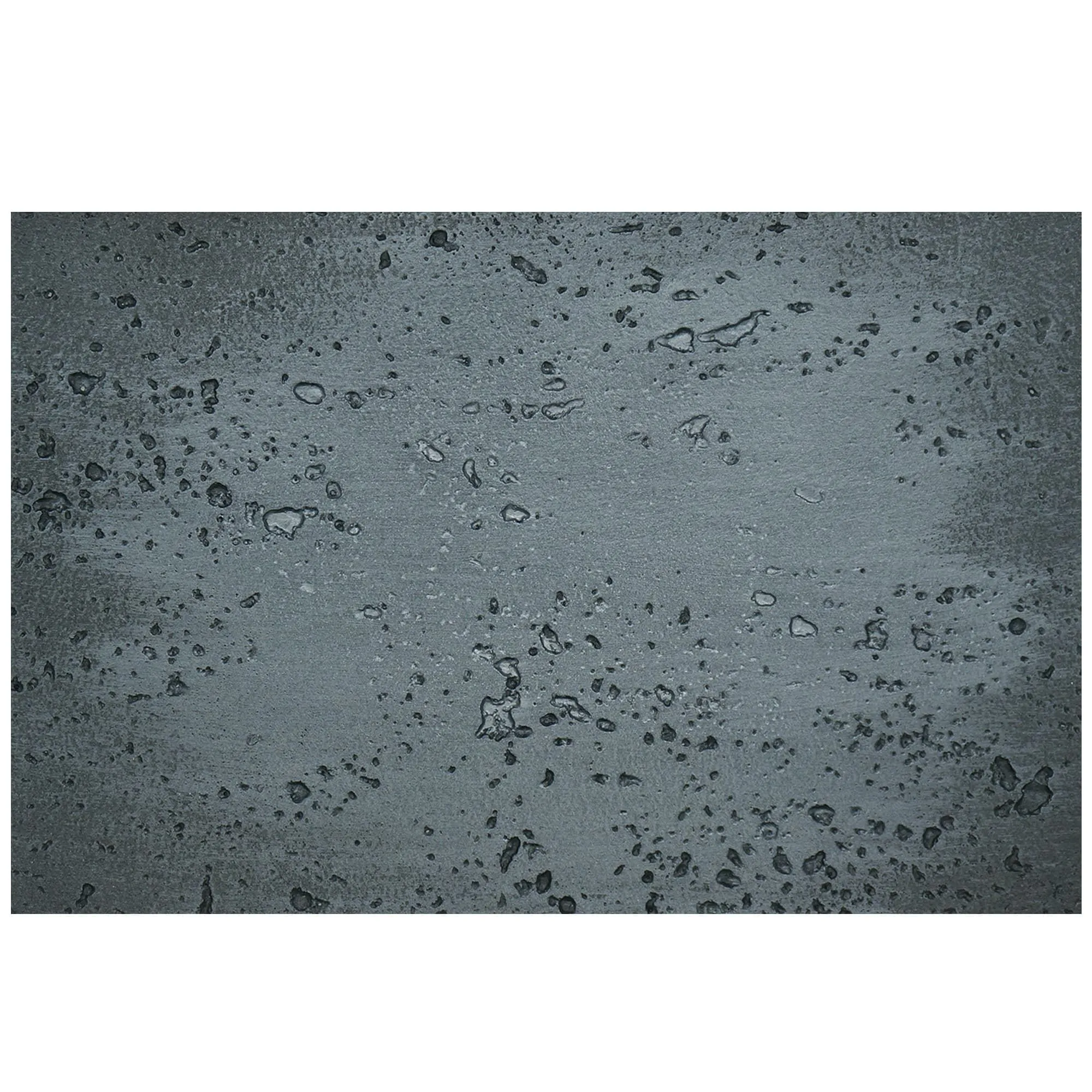
Buildings are more than steel and concrete—they're storytellers. Every material, from the rough-hewn stone of ancient temples to the sleek panels of modern skyscrapers, carries a narrative. Among these, travertine (vintage silver) stands out as a quiet poet, blending the warmth of history with the crispness of contemporary design. Its soft, weathered silver tones, streaked with whispers of gray and cream, evoke both the patina of time and the clarity of modernity. But how does this remarkable material journey from quarries deep in the earth to the walls of luxury hotels in Dubai or residential lofts in New York? Let's trace its path through the global supply chain, exploring the hands that craft it, the markets that crave it, and the innovations that keep it relevant.
To understand the global demand for travertine (vintage silver) , you first need to touch it. Run a hand over its surface, and you'll feel a texture that's both smooth and subtly porous—a result of its formation in mineral-rich thermal springs, where calcium carbonate deposits build up over centuries. Unlike the bold veining of marble or the uniformity of granite, vintage silver travertine has a "lived-in" elegance. Its silver base isn't stark; it's muted, like moonlight on old stone, with veins that meander like rivers frozen mid-flow. This uniqueness makes each slab one-of-a-kind, a quality architects and designers prize when seeking to infuse spaces with character.
What sets vintage silver apart? Unlike its more vibrant cousins—such as travertine (starry green) , with its speckled, galaxy-like patterns—vintage silver leans into understatement. It pairs effortlessly with both warm woods and cool metals, making it a chameleon in design. In residential projects, it might clad a fireplace surround, adding coziness; in commercial spaces, it could line a lobby, exuding quiet luxury. Its "vintage" moniker hints at a deliberate aging process, often achieved through brushing or acid washing, which softens edges and deepens its silver-gray hues—perfect for spaces aiming to balance modernity with a sense of heritage.
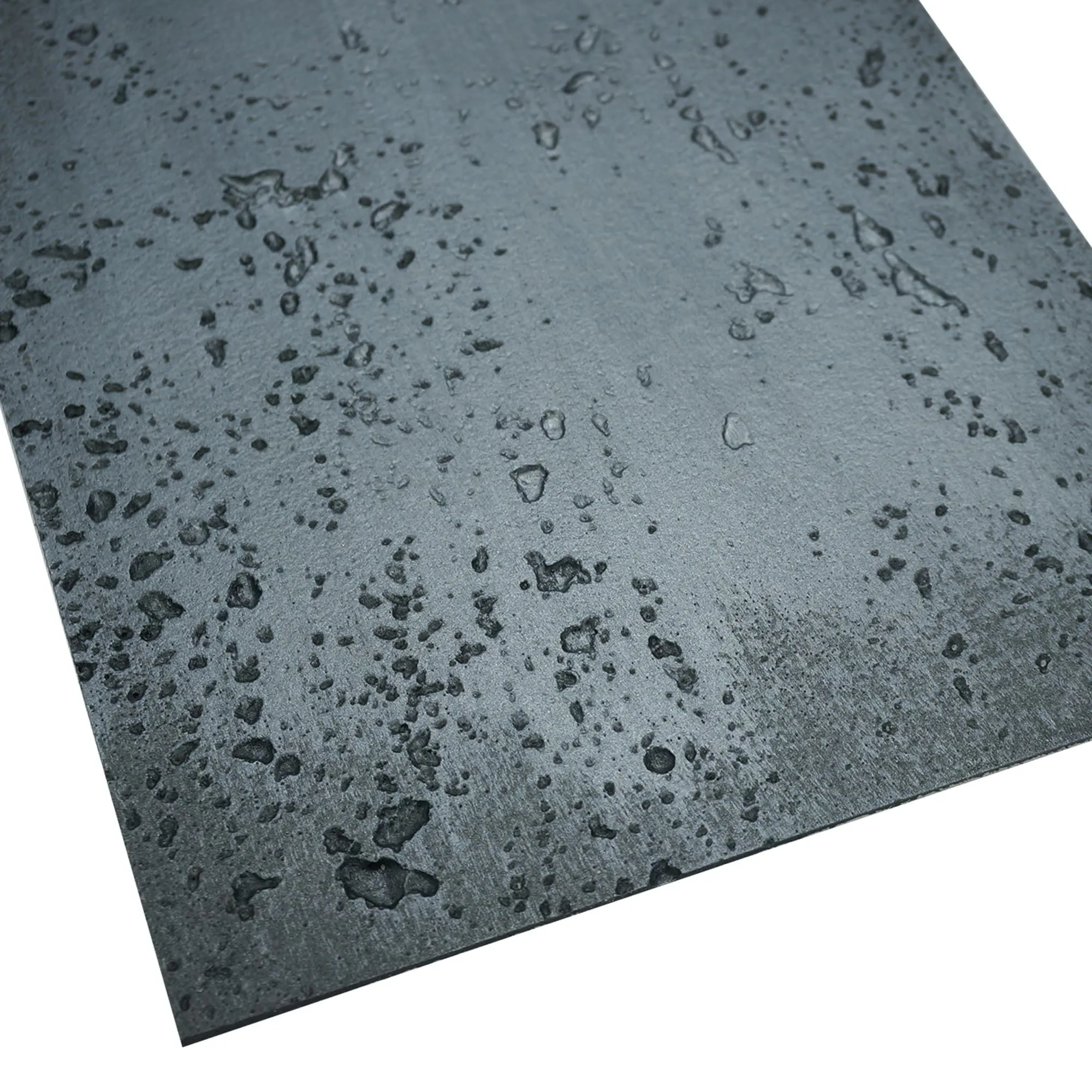
The story of travertine (vintage silver) starts underground, in quarries where the stone has been forming for millennia. Three regions dominate its production: Italy's Tivoli, Turkey's Denizli, and Iran's Yazd. Each brings its own flavor to the stone, shaped by local geology and generations of craftsmanship.
| Country | Annual Production (Estimated) | Stone Characteristics | Top Export Markets |
|---|---|---|---|
| Italy | 80,000–100,000 tons | Fine-grained, subtle veining; premium quality | Europe, North America, Middle East |
| Turkey | 200,000–250,000 tons | Denser, more uniform; cost-effective | Middle East, Asia, Europe |
| Iran | 60,000–80,000 tons | Unique silver-gray tones; artisanal processing | Middle East, South Asia, Russia |
In Tivoli, a town east of Rome, quarries have been active since Roman times—Emperor Hadrian's Villa was built with local travertine. Today, modern machinery coexists with traditional techniques: diamond-tipped saws slice through the stone, but workers still use hand tools to refine edges, preserving the stone's natural character. Turkish quarries, particularly in Denizli's Pamukkale region (famous for its travertine terraces), focus on efficiency. Here, travertine (vintage silver) is extracted in larger blocks, then processed in nearby factories to meet global demand for consistent, durable slabs.
Iran's Yazd province, a desert region with ancient thermal springs, produces some of the most distinctive vintage silver travertine. The arid climate slows mineral deposition, resulting in tighter, more compact stone with deeper silver hues. Local artisans often use traditional "channeling" methods, where grooves are cut into the rock to split it along natural fault lines—minimizing waste and honoring age-old practices.
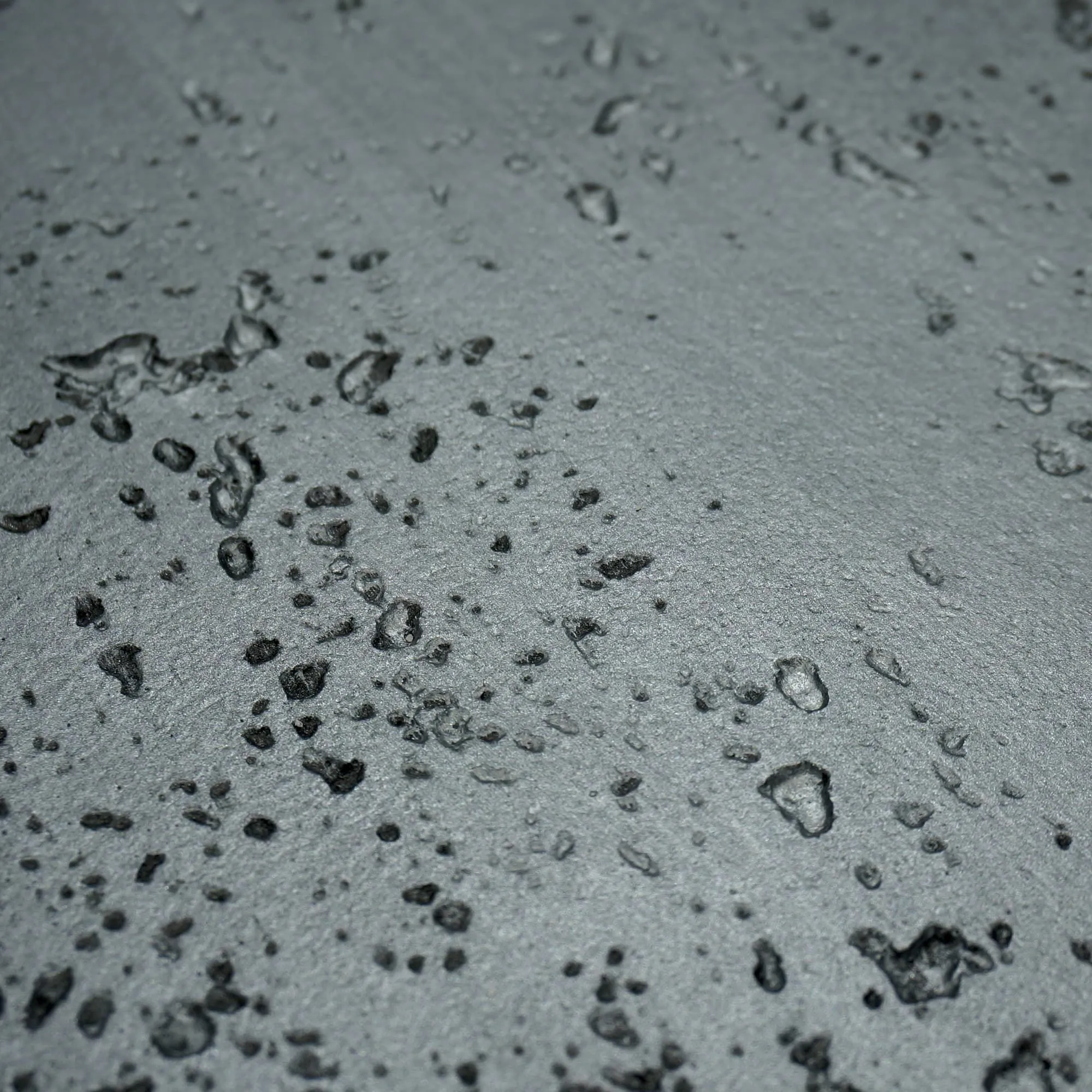
Once extracted, the raw travertine blocks are transported to processing facilities, where they're transformed into the slabs and tiles that reach construction sites. The journey from block to finished product involves several steps: cutting (using multi-wire saws for precision), surface treatment (brushing, honing, or polishing), and sealing (to enhance durability and stain resistance). For travertine (vintage silver) , the "vintage" effect is often achieved through brushing—a process that etches the surface to mimic natural weathering, softening the silver tones and highlighting the stone's pores.
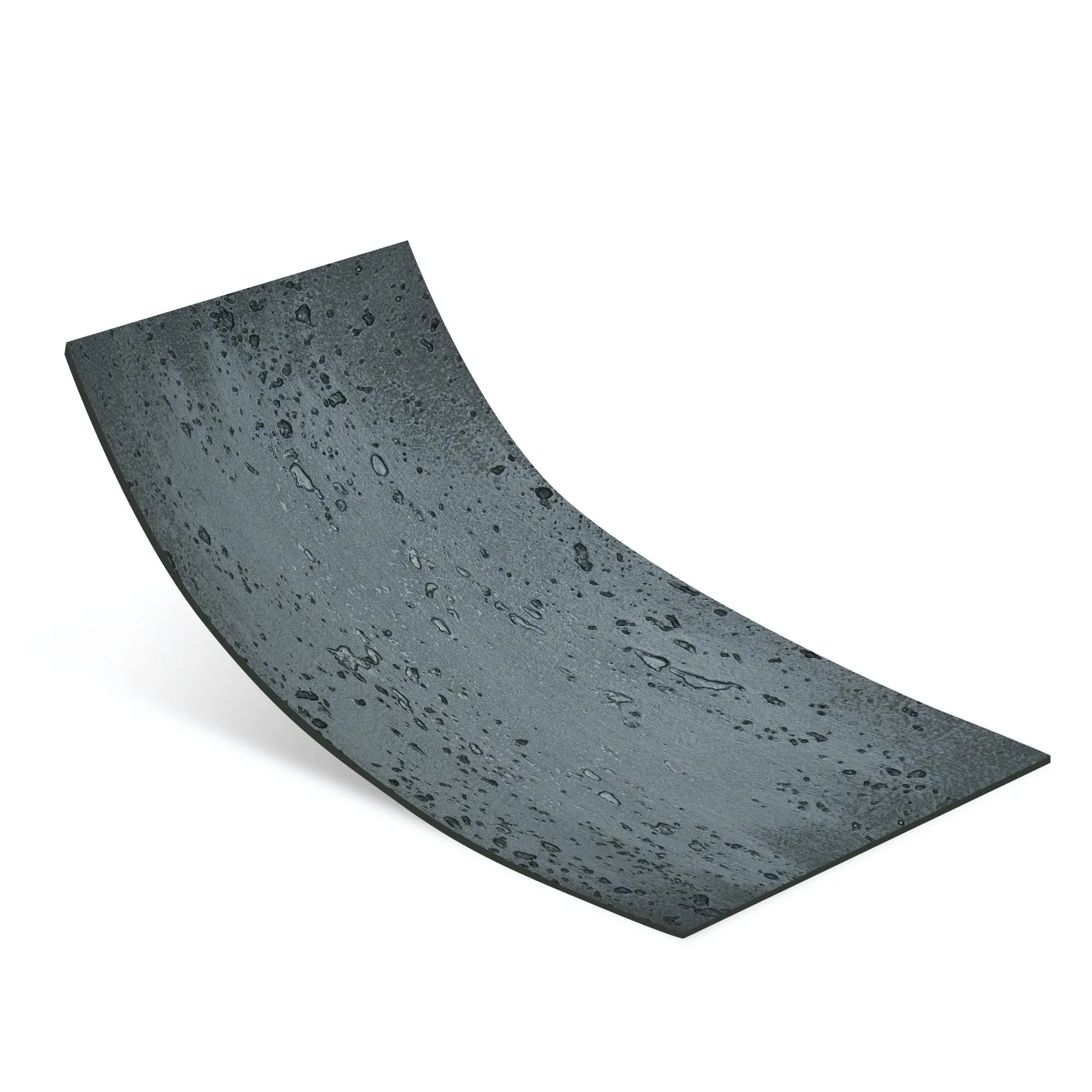
Here, modern innovation meets tradition. In recent years, mcm flexible stone has emerged as a complementary material, offering a lightweight, adaptable alternative to solid travertine. MCM (Modified Composite Material) panels are made by bonding thin layers of travertine to a flexible backing, allowing them to bend around curves or cover large surfaces with minimal weight. While not a replacement for solid stone, mcm flexible stone extends the reach of vintage silver travertine to applications like curved facades or high-rise cladding, where heavy slabs would be impractical.
The demand for travertine (vintage silver) is global, but certain regions have fallen particularly hard for its charm. Let's explore the markets driving its supply chain:
Europe, with its rich architectural history, is both a producer and a consumer. In Italy, local quarries supply travertine for historic renovations—think restoring a 17th-century villa in Tuscany, where travertine (vintage silver) replaces damaged stone, matching the original's aged appearance. In Northern Europe, cities like Copenhagen and Amsterdam favor it for modern residential projects, pairing it with blonde woods and large windows to create bright, airy spaces that feel grounded in nature.
The Middle East is a powerhouse market, driven by luxury hospitality and commercial development. Dubai, Abu Dhabi, and Riyadh are dotted with projects featuring travertine (vintage silver) —from the lobby floors of five-star hotels to the facades of high-end retail centers. Its neutral palette complements the region's love for gold accents and marble, while its durability stands up to the harsh desert climate. Here, it often shares the spotlight with materials like boulder slab (vintage silver) —a larger, more rugged cousin that adds texture to outdoor spaces like pool decks or garden walls.
In the U.S. and Canada, travertine (vintage silver) is a favorite for both residential and commercial projects. In New York, it might line the walls of a SoHo loft, balancing industrial exposed brick with soft natural stone. In California, it's used in outdoor patios, where its porous surface stays cool under the sun. Designers here often pair it with foamed aluminium alloy board (vintage silver) —a lightweight metal panel with a similar silver-gray finish—to create dynamic contrasts between organic and industrial textures.
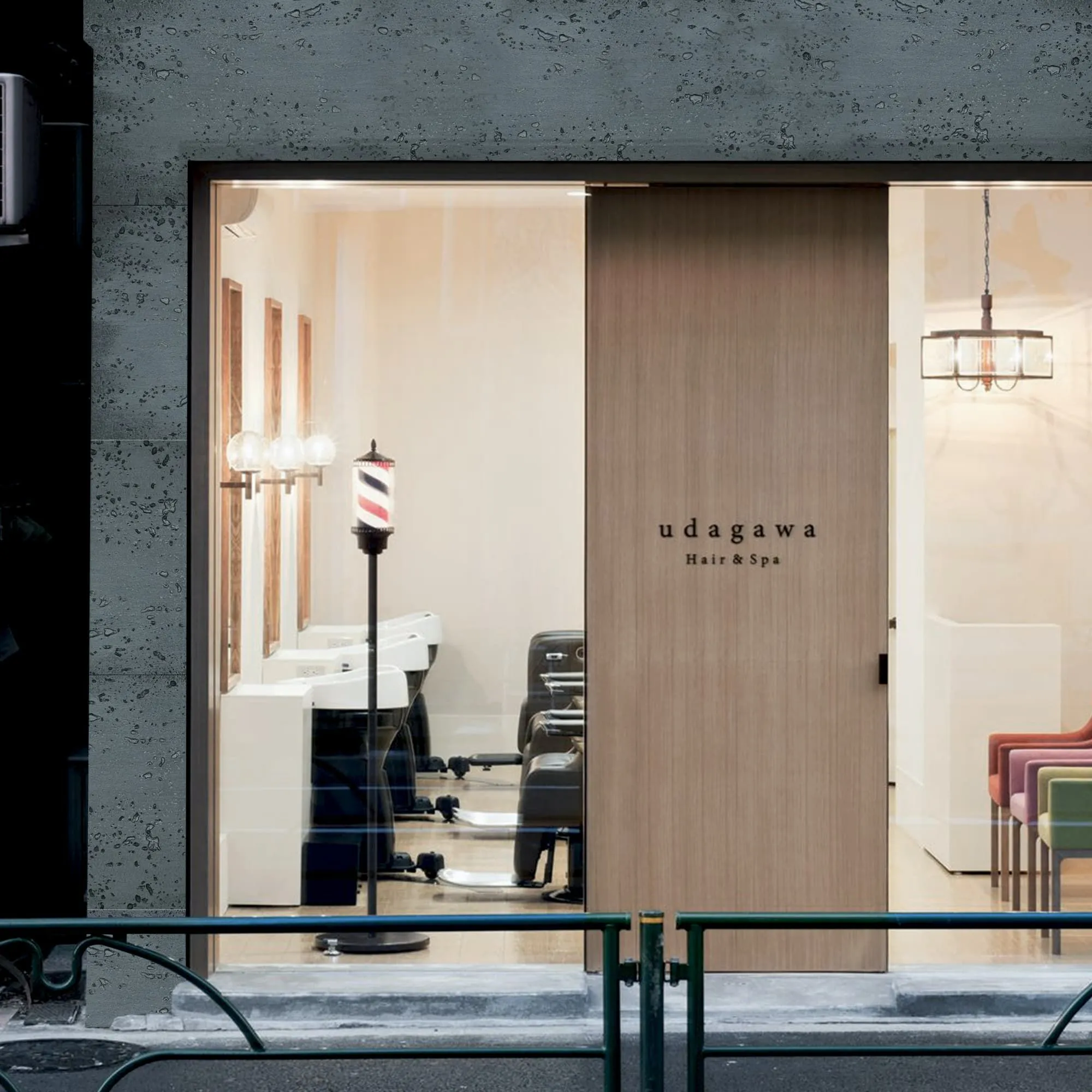
Asia's booming urban centers, from Singapore to Seoul, are embracing travertine (vintage silver) as a bridge between Eastern and Western design. In Tokyo, it's used in minimalist cafes, where its simplicity complements the city's love for understatement. In China, developers are incorporating it into mixed-use complexes, often alongside mcm flexible stone to reduce construction time and costs. Even in historic cities like Kyoto, it finds a place—cladding modern additions to temples, where its vintage look respects the past while signaling progress.
Like any natural resource, travertine (vintage silver) faces challenges. Quarrying can disrupt local ecosystems, and transportation—often across continents—adds to its carbon footprint. But the industry is evolving. Many quarries now use water recycling systems to reduce waste, and some are experimenting with solar-powered processing facilities. In Turkey, for example, a leading producer recently invested in electric quarrying equipment, cutting emissions by 30%. Meanwhile, mcm flexible stone helps reduce material waste: by using thin layers of travertine, it maximizes the yield from each block, minimizing the need for additional quarring.
Sustainability also drives consumer choices. LEED-certified projects increasingly prioritize materials with transparent supply chains, pushing producers to adopt ethical labor practices and reduce environmental impact. For travertine (vintage silver) , this means third-party certifications for responsible sourcing—something Italian and Turkish producers are increasingly pursuing to stay competitive in eco-conscious markets like Scandinavia and California.
What's next for travertine (vintage silver) ? The future lies in blending its timeless appeal with cutting-edge innovation. Biophilic design—a trend focusing on connecting indoor spaces to nature—is driving demand for natural materials, and vintage silver travertine, with its earthy texture, fits perfectly. Architects are also experimenting with mixing it with smart materials: imagine mcm flexible stone panels embedded with sensors that regulate indoor temperature, or foamed aluminium alloy board (vintage silver) accents that reflect sunlight, reducing cooling costs.
The rise of "vintage industrial" aesthetics is another boon. Homeowners and designers are craving spaces that feel authentic, not cookie-cutter, and travertine (vintage silver) delivers that. Whether paired with reclaimed wood in a Brooklyn loft or with concrete in a Berlin gallery, it adds a layer of history that feels genuine, not staged.
Travertine (vintage silver) is more than a building material—it's a global storyteller. From the hands of Iranian artisans splitting stone along ancient fault lines to the designers in Dubai crafting luxury lobbies, it weaves together cultures, traditions, and innovations. Its journey through the supply chain is a testament to human ingenuity: respecting nature's timeline while adapting to modern needs. As we look to the future, one thing is clear: this quiet, silver-hued stone will continue to bridge the past and present, connecting quarries, craftspeople, and spaces around the world in a shared narrative of beauty and purpose.
Recommend Products












