
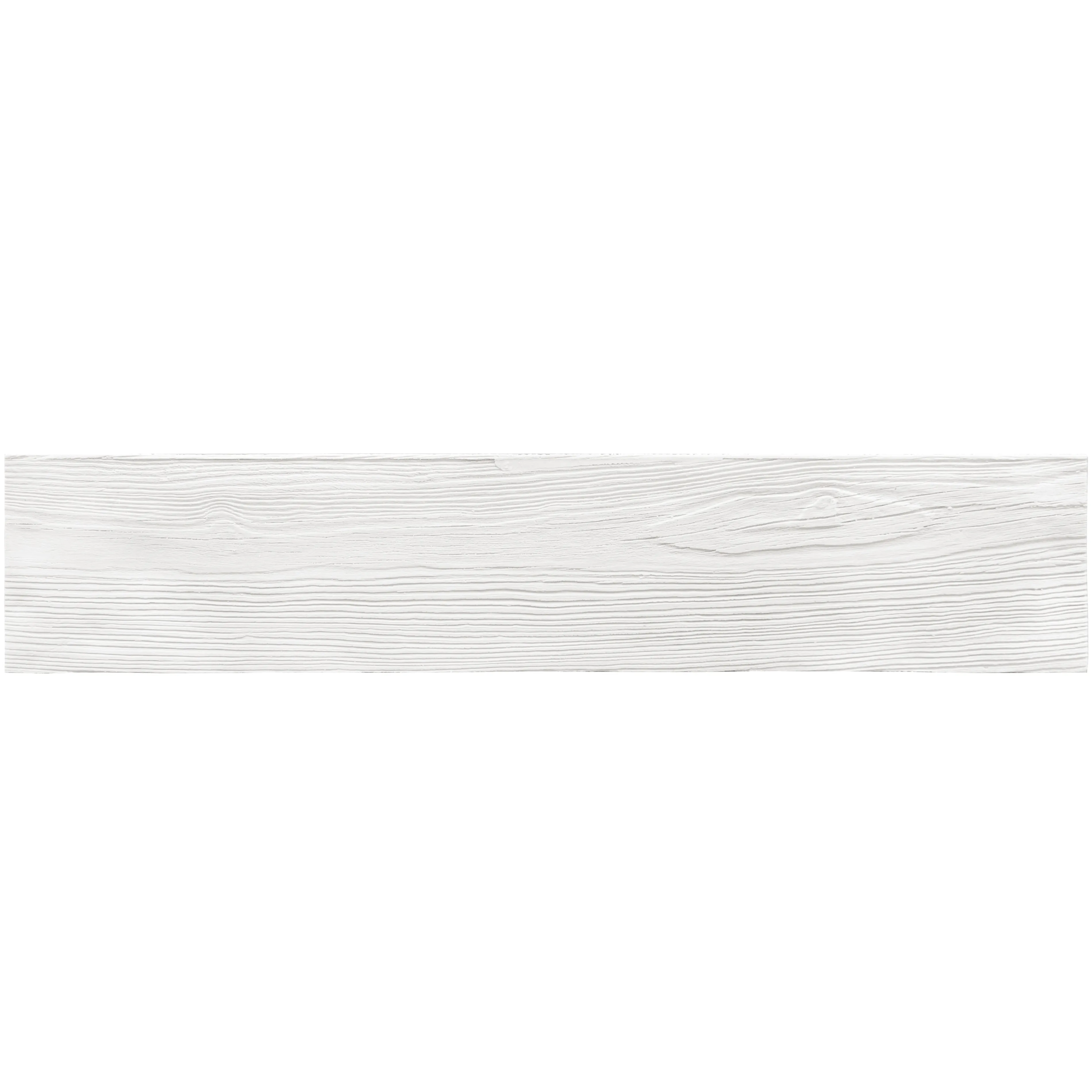
Bridging Cultures, Crafting Spaces—The Story of Modern Construction's Most Versatile Material
Walk through the streets of Tokyo's bustling Shibuya district, and you might pause at a boutique hotel with walls that seem to breathe—warm, textured, and surprisingly lightweight. Step into a museum in Barcelona, and the facade could feel both ancient and futuristic, as if quarried from stone yet shaped by algorithms. Chances are, what you're touching is MCM: Modified Composite Material, a revolution in building design that's quietly redefining how we create spaces.
For decades, construction materials were trapped in a trade-off: durability meant heaviness, beauty meant fragility, sustainability meant sacrifice. MCM shattered those limits. Born from a blend of natural minerals, polymers, and cutting-edge engineering, it's a chameleon of the building world—mimicking the look of wood, stone, or metal while being lighter than traditional alternatives, easier to install, and kinder to the planet. Today, MCM isn't just a material; it's a language architects and designers use to tell stories, whether honoring heritage or embracing innovation.
At the heart of this revolution is a focus on connection. Buildings are more than structures—they're backdrops for life: a family's first home, a community's gathering place, a company's legacy. MCM understands that. Its flexibility lets designers craft surfaces that feel intentional, not industrial. And nowhere is this more evident than in one of the most beloved variants: White Wood MCM.
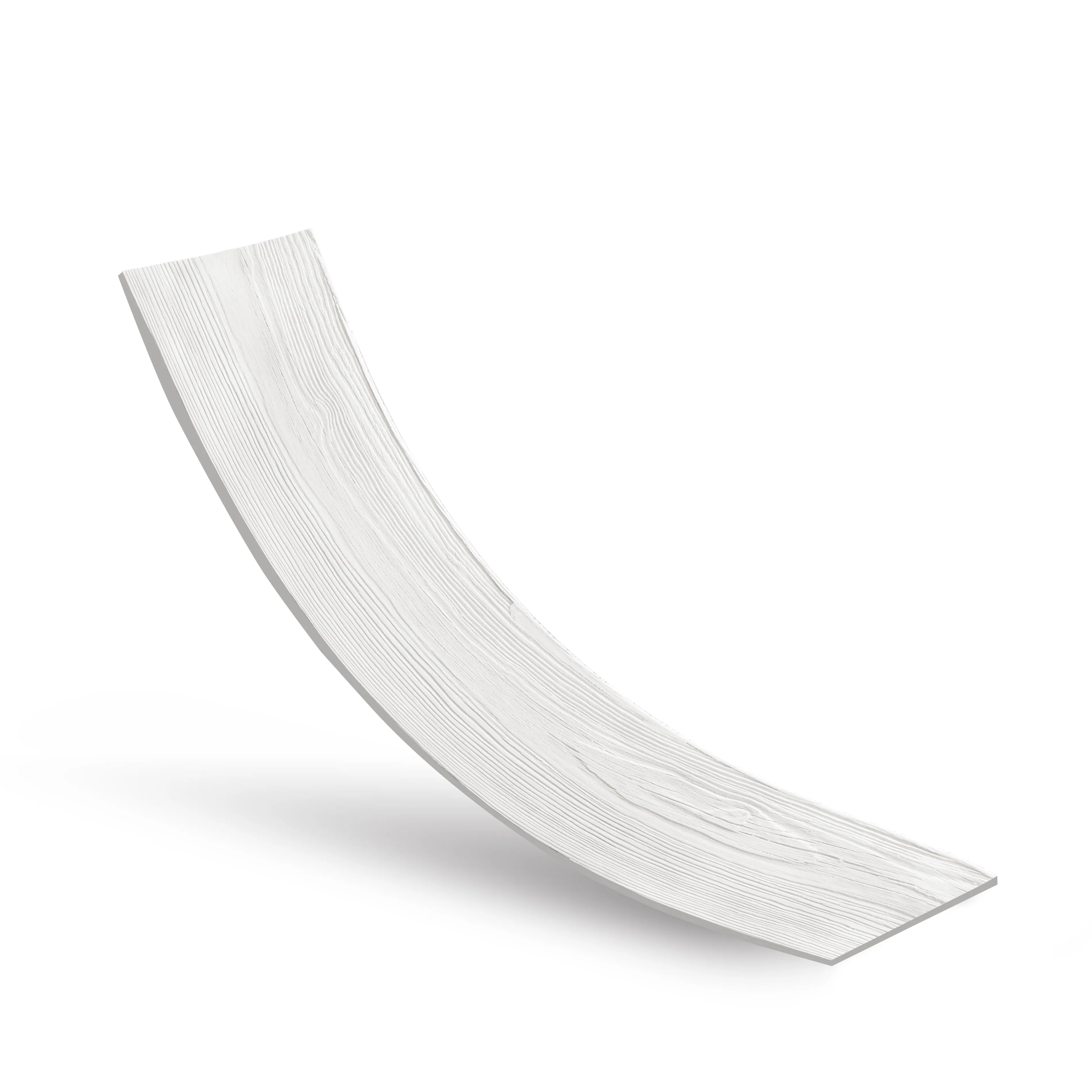
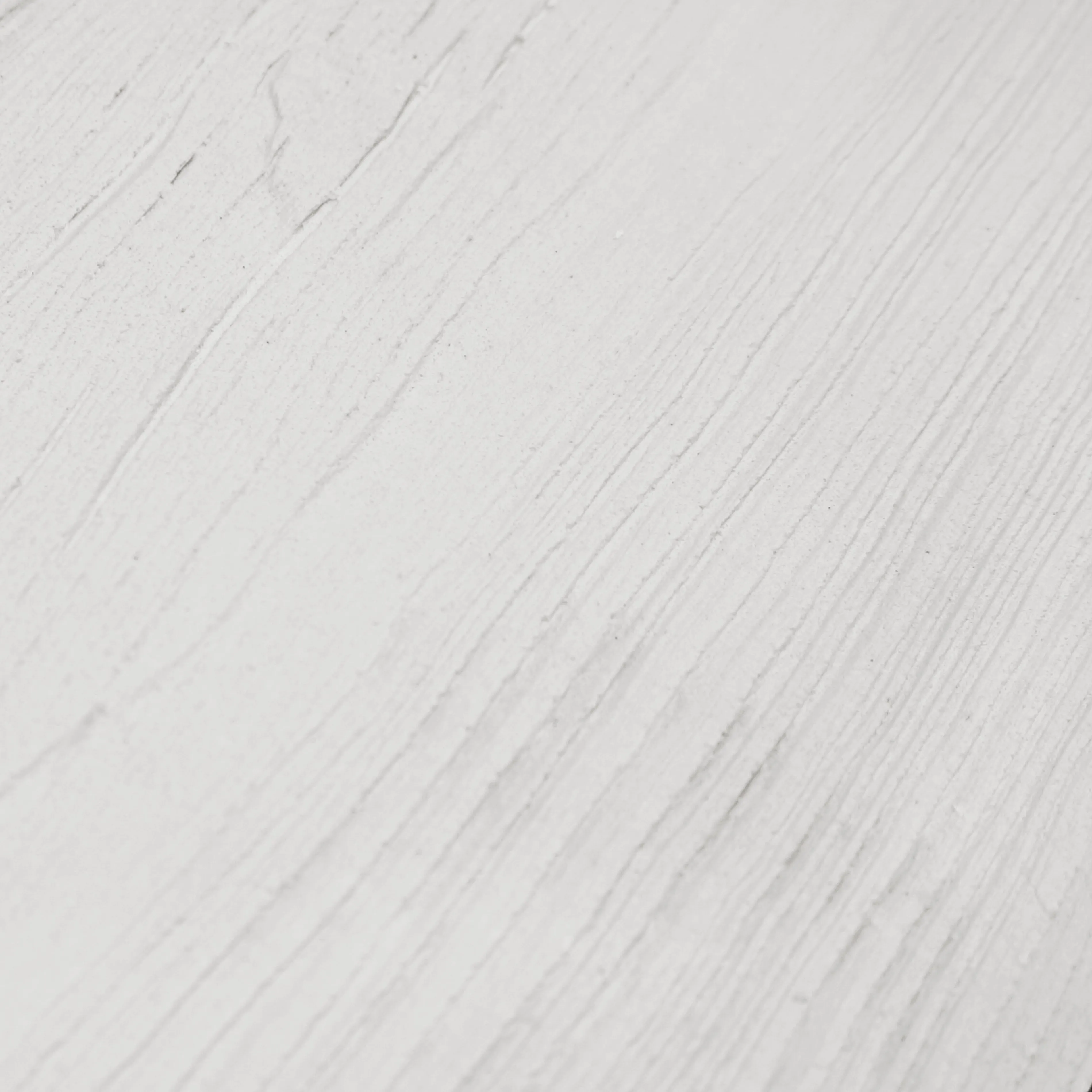
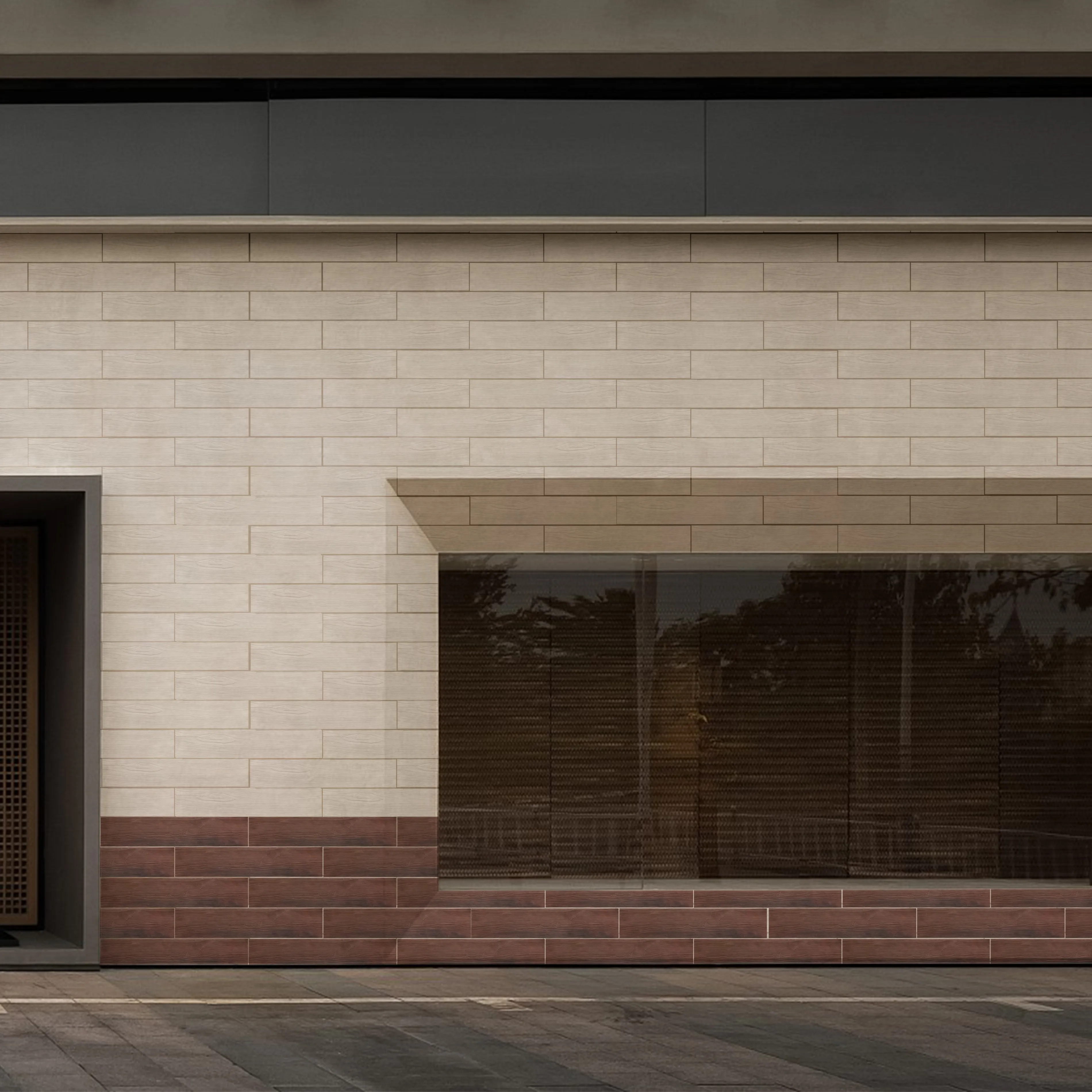
White Wood MCM isn't just about looking like wood—it's about capturing its soul. Run your hand over a panel, and you'll feel the faint grain, the subtle knots, the warmth that makes wood a timeless choice for homes and public spaces. But unlike real timber, it won't warp in humidity, crack in frost, or fade under the desert sun. It's wood, reimagined for a world that demands both beauty and resilience.
"Clients used to ask for wood, then apologize when they needed it for a high-rise," says Maria Gonzalez, a Madrid-based architect who specializes in sustainable commercial design. "Now, with White Wood MCM, I don't have to compromise. Last year, we clad a restaurant in Lisbon with it—the owner wanted the coziness of a mountain cabin, but the building is on a coastal cliff. Six months later, the panels still look brand-new, even after storms. That's the magic."
What makes White Wood MCM so special? It starts with the wood grain board texture, a detail so precise it fools even seasoned carpenters. The base material is a matrix of mineral fibers and eco-friendly resins, pressed into panels that weigh a fraction of solid wood. A protective coating shields against UV rays, moisture, and scratches, ensuring that a wall finished with White Wood MCM today will still look rich and inviting in 20 years. It's not just a material—it's peace of mind for designers and building owners alike.
In the shadow of Riyadh's skyline, where cranes pierce the clouds and innovation meets tradition, lies the beating heart of the global MCM industry. Saudi Arabia, long known for its leadership in energy and infrastructure, has emerged as the world's top supplier of MCM products, including the coveted White Wood series. It's a role rooted in both geography and vision.
"Saudi Arabia has always been a crossroads," explains Ahmed Al-Mansoori, a supply chain director at a leading MCM manufacturer based in Dammam. "We're close to Europe, Africa, and Asia—so shipping to Dubai, Paris, or Singapore is efficient. But more than that, we understand the global demand for materials that respect local culture. A mosque in Jakarta needs a different aesthetic than a tech campus in San Francisco. Our factories don't just produce panels; they produce context ."
From Riyadh to Jeddah, state-of-the-art facilities hum with activity, churning out panels that will soon adorn airports in Sydney, hotels in Cape Town, and retail spaces in New York. What sets Saudi suppliers apart? A commitment to scale without sacrificing quality. Each batch of MCM undergoes rigorous testing—enduring extreme temperatures, simulated rain, and even impact tests—to ensure it meets the standards of the world's most demanding projects.
"We once had a client in Norway who needed panels for a ski resort," Al-Mansoori recalls with a smile. "They wanted the look of pine, but it had to withstand -30°C winters and heavy snow. We adjusted the resin formula, tweaked the texture, and sent samples. Three months later, they sent photos: kids leaning against the walls, laughing, no cracks, no fading. That's when you know you're not just shipping products—you're building memories."
White Wood MCM may steal the spotlight, but it's part of a larger family of materials that cater to every design vision. From the industrial chic of fair-faced concrete to the futuristic shimmer of foamed aluminium alloy board (vintage silver) , MCM offers a palette as diverse as the architects who use it. Let's explore some of the most sought-after options, and how they're transforming spaces worldwide.
| Material | Aesthetic | Key Use Case | Why Designers Love It |
|---|---|---|---|
| White Wood MCM | Warm, organic wood grain with a soft whitewash | Residential interiors, boutique hotels, cafes | "Feels like home, even in a skyscraper. Clients instantly relax when they see it." — Li Wei, Shanghai Interior Designer |
| MCM Flexible Stone | Rustic, textured stone (think ancient quarries) | Heritage sites, outdoor plazas, museum facades | "We used it to restore a 17th-century church in Rome. It matched the original stone so well, historians couldn't tell the difference." — Carlo Rossi, Rome Architect |
| Foamed Aluminium Alloy Board (Vintage Silver) | Sleek, metallic with a weathered patina | Tech offices, modern art galleries, airport lounges | "Lightweight enough for ceiling installations, but tough enough for exterior cladding. It's like having a material that can do backflips." — Aisha Patel, Dubai Architect |
| Fair-Faced Concrete | Raw, industrial with subtle gray tones | Warehouse conversions, minimalist homes, urban lofts | "It's honest. No frills, just texture and strength. Perfect for spaces that want to tell a story of 'what you see is what you get.'" — James Miller, Chicago Designer |
| Wood Grain Board | Rich, dark wood with pronounced grain (like oak or walnut) | Restaurants, libraries, luxury retail | "Adds instant sophistication. A hotel lobby clad in this feels timeless, not trendy." — Sofia Chen, Hong Kong Interior Designer |
Take MCM flexible stone , for example. Unlike traditional stone, which is heavy and rigid, this variant bends—yes, bends—allowing designers to create curved walls, undulating facades, and even sculptural installations. In Cairo, a cultural center used it to replicate the look of ancient sandstone, wrapping the building in a wave-like pattern that pays homage to the Nile. "It's stone with a pulse," says the center's architect, Amina Hassan. "You can almost feel the river flowing around it."
Then there's foamed aluminium alloy board (vintage silver) , a favorite among tech companies and modern museums. Lightweight yet surprisingly strong, it reflects light in a way that shifts with the sun—cool and silvery at noon, warm and golden at dusk. In Seoul, a startup campus used it for their headquarters, creating a facade that looks like it's made of liquid metal. "We wanted to feel like we're working in the future," says the company's CEO, "but not a cold, sterile future. This material feels alive."
MCM isn't just for show—it's for living. Let's journey across continents to see how these materials are solving real design challenges and creating spaces that matter.
Nestled in Bali's lush rainforest, The Green School is a hub for eco-conscious education. When the school expanded, they needed a material that matched their mission: sustainable, non-toxic, and in harmony with nature. Enter White Wood MCM and wood grain board . "We wanted the classrooms to feel like treehouses," says lead architect Ketut Araya. "Real wood would have required cutting down local trees, and it wouldn't last in Bali's humidity. MCM gave us the look and feel of wood, but it's made from recycled minerals and uses 70% less energy to produce than traditional timber. Now, the kids run their hands along the walls during storytime—they say it feels like 'hugging a tree.'"
Berlin's tech scene thrives on contrast—historic brick warehouses meet glass skyscrapers. The Innovation Hub, a co-working space in the Mitte district, wanted to bridge that gap. They chose fair-faced concrete MCM for the lower floors (echoing the neighborhood's industrial past) and foamed aluminium alloy board (vintage gold) for the upper levels (symbolizing the future). "The result? A building that looks like it's growing—roots in the past, branches in the future," says designer Lukas Schmidt. "Members tell us it inspires them to think both critically and creatively. That's the power of a well-chosen material."
Perched on a cliff overlooking the Atlantic, Cape Town's Coastal Museum needed a facade that could withstand salt spray, strong winds, and intense sun. The solution? MCM flexible stone in a custom "oceanic" texture, designed to mimic the look of weathered rock. "We tested 12 samples before finding the right one," says project manager Zanele Mbeki. "Now, even after three years of storms, the walls still look like they were carved by the sea. Visitors often ask if we imported stone from the coast—we just smile and say, 'It's MCM magic.'"
In an era of climate crisis, "sustainable" has become a buzzword—but for MCM manufacturers, it's a promise. Traditional construction is one of the world's biggest carbon emitters, from quarrying stone to transporting heavy materials. MCM changes the math.
Consider this: Producing a square meter of traditional marble generates 28kg of CO2. MCM? Just 5kg. Its lightweight nature also cuts transportation emissions—trucks can carry 3x more MCM panels than traditional stone, reducing fuel use. And because it's made from recycled minerals and low-VOC resins, it's non-toxic, improving indoor air quality in homes and offices.
"We had a client in San Francisco who refused to use any material that wasn't carbon-neutral," says Sarah Lopez, a sustainability consultant. "MCM didn't just meet their standards—it exceeded them. They were shocked when we showed them the lifecycle analysis: the panels would last 50+ years, and at the end of their life, they could be recycled into new MCM. It's a closed loop."
Saudi suppliers are leading the charge here, too. Many factories run on solar power, and some have even developed "zero-waste" production lines, where every scrap of material is repurposed. "Sustainability isn't optional anymore," says Al-Mansoori. "It's how we sleep at night. When you ship a panel to Paris, you're not just sending a product—you're sending a commitment to the planet."
As technology advances, so does MCM. Researchers are experimenting with self-cleaning coatings that repel dirt and pollution, and panels embedded with sensors that monitor temperature and humidity. Imagine a hospital wall that alerts staff if a room is too dry, or a school that "breathes" by adjusting its insulation based on the weather.
There's also a growing focus on biophilic design—connecting people to nature through materials. "We're working on MCM that mimics the texture of lunar peak silvery ," says a materials scientist at a leading lab. "Not just the look, but the feel—the way light plays on the surface, the subtle crunch when you touch it. We want to bring the moon down to Earth, in a way that feels familiar."
But perhaps the most exciting trend is customization. With 3D printing technology, MCM panels can now be shaped into almost any form—intricate patterns, organic curves, even replicas of historical artifacts. A museum in Athens recently used 3D-printed MCM to recreate a frieze from the Parthenon, allowing visitors to touch history without damaging the original. "It's preservation meets innovation," says the museum's curator. "MCM lets us share the past while building the future."
At the end of the day, MCM is about more than walls and facades. It's about connection: between cultures, between nature and technology, between the spaces we build and the lives we live within them. From the White Wood MCM panels that make a small apartment in Tokyo feel like a mountain cabin, to the foamed aluminium alloy board (vintage gold) that turns a corporate lobby in London into a place of wonder, MCM is proof that construction can be a force for good.
As Saudi Arabia continues to lead the global supply, it's not just exporting materials—it's exporting a vision: a world where buildings don't just stand, they speak . A world where every wall tells a story, every texture evokes a memory, and every space feels like home, no matter where you are.
So the next time you pass a building that makes you pause, take a closer look. Chances are, it's MCM—and behind it, a team of dreamers, engineers, and craftspeople who believe that the best materials aren't just built. They're felt .
Recommend Products












