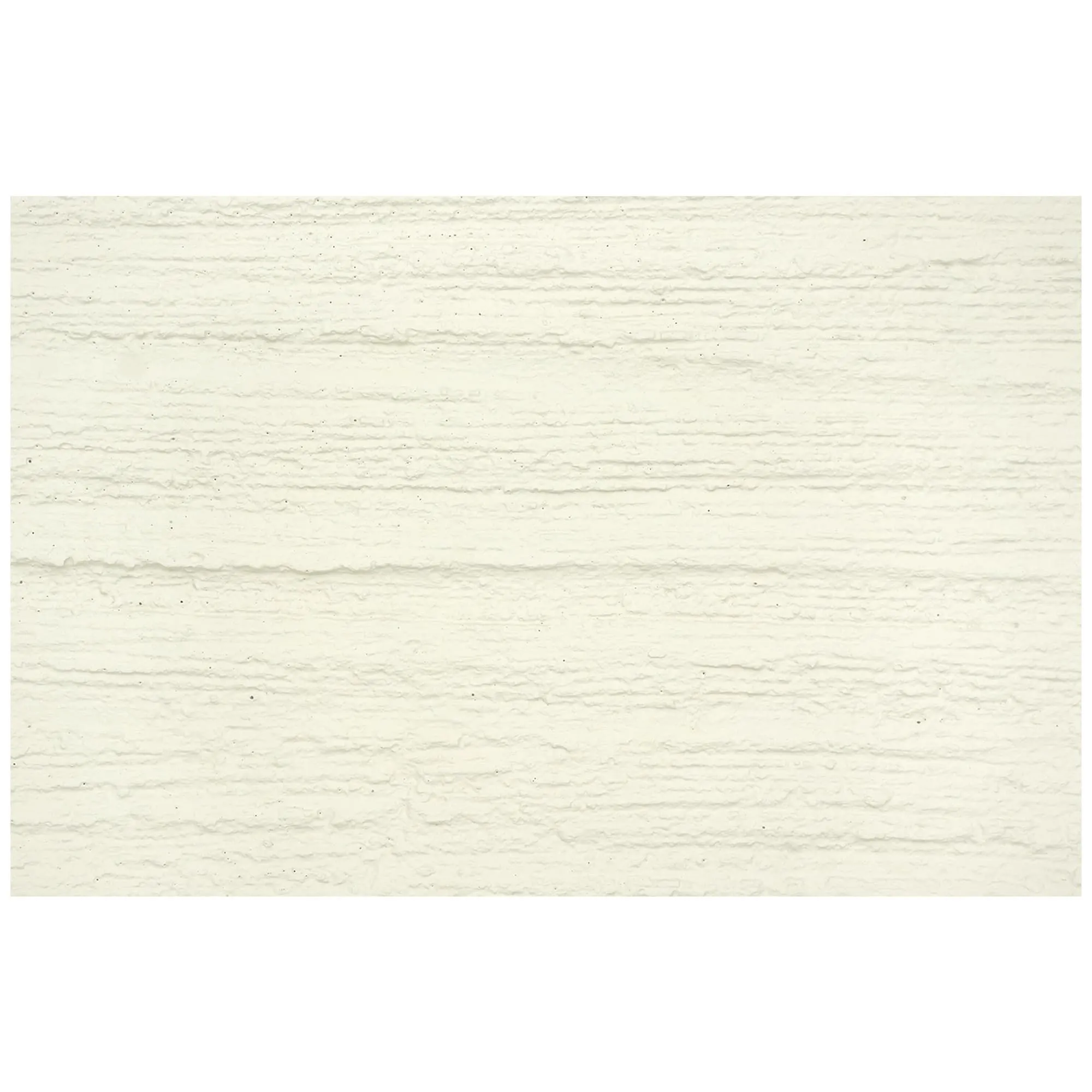
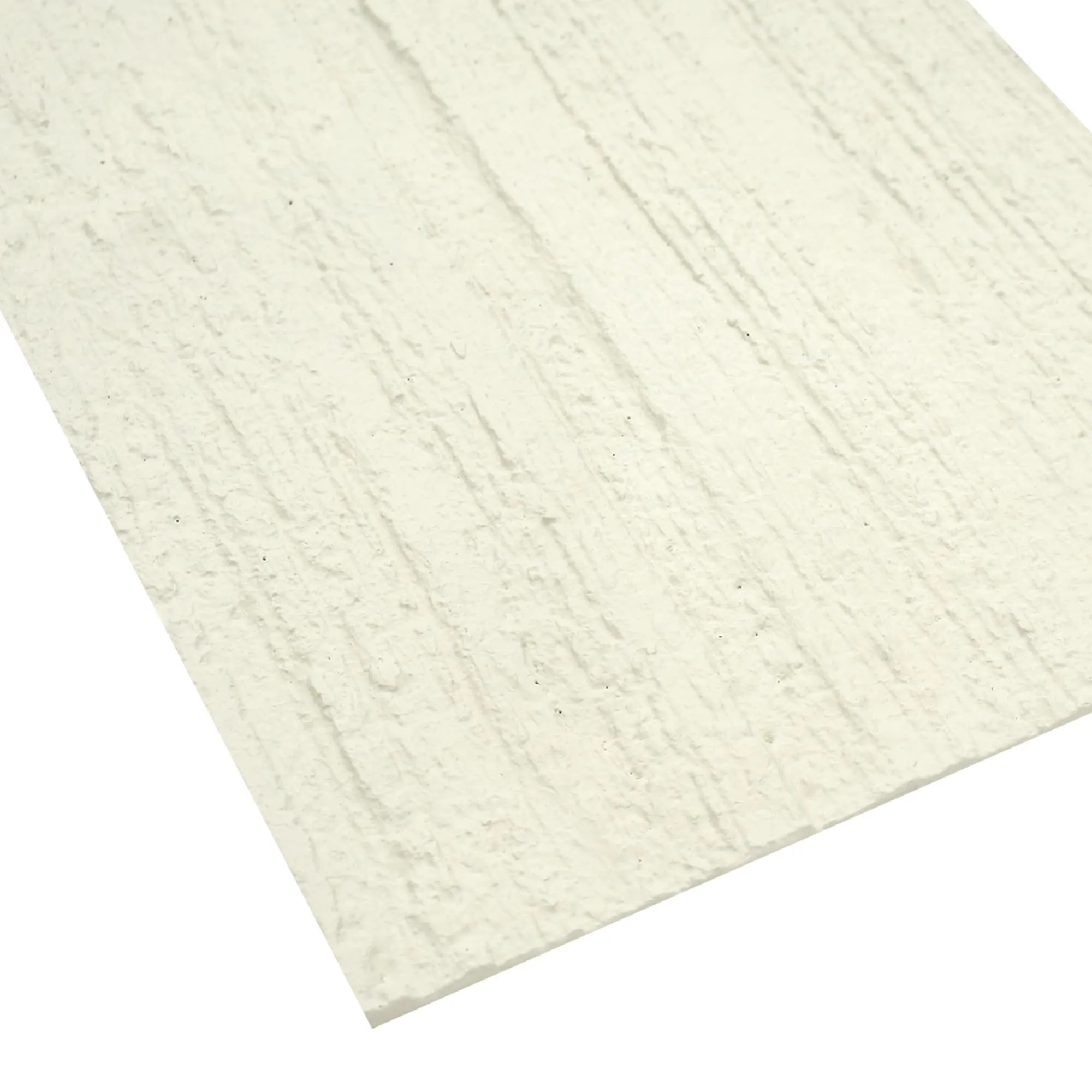
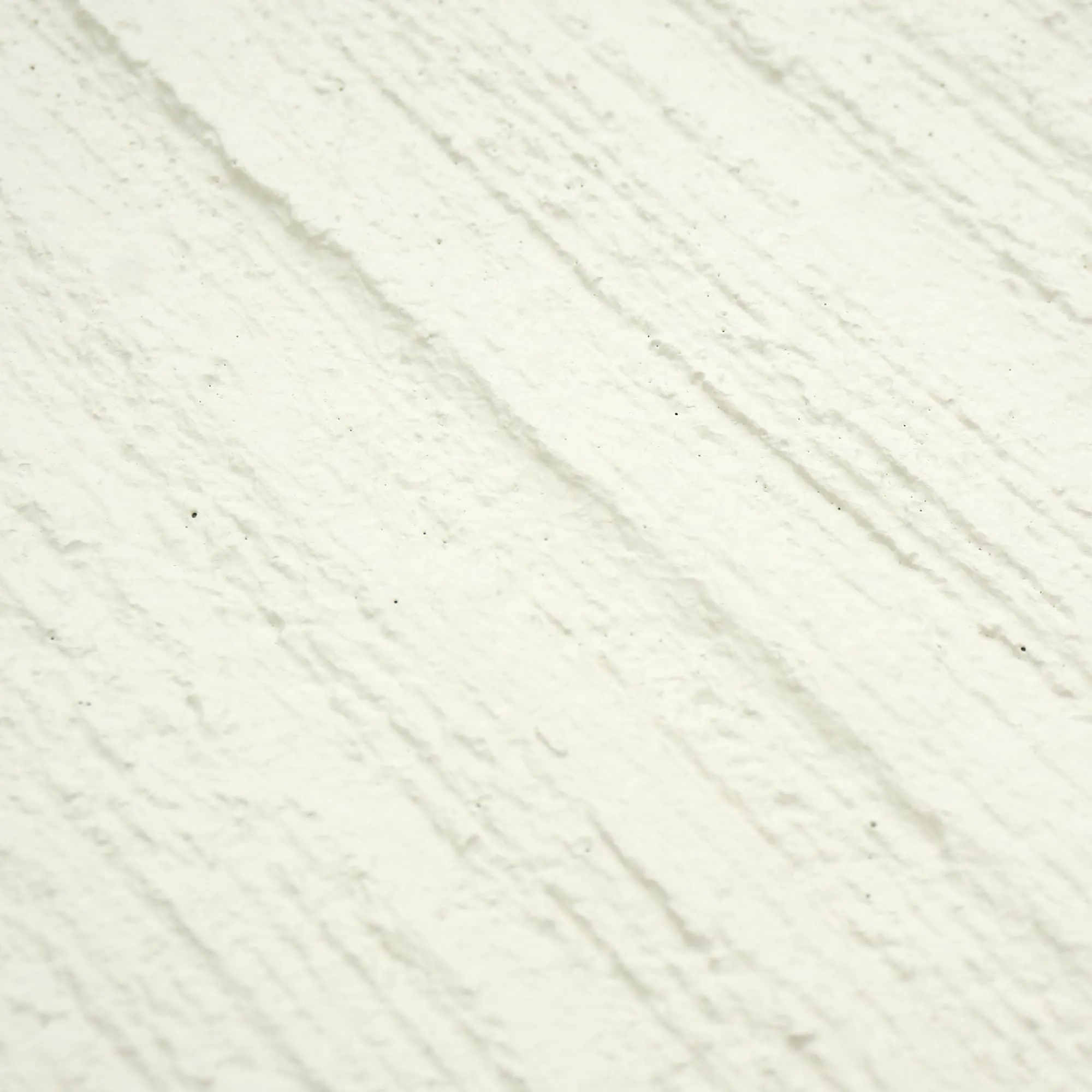
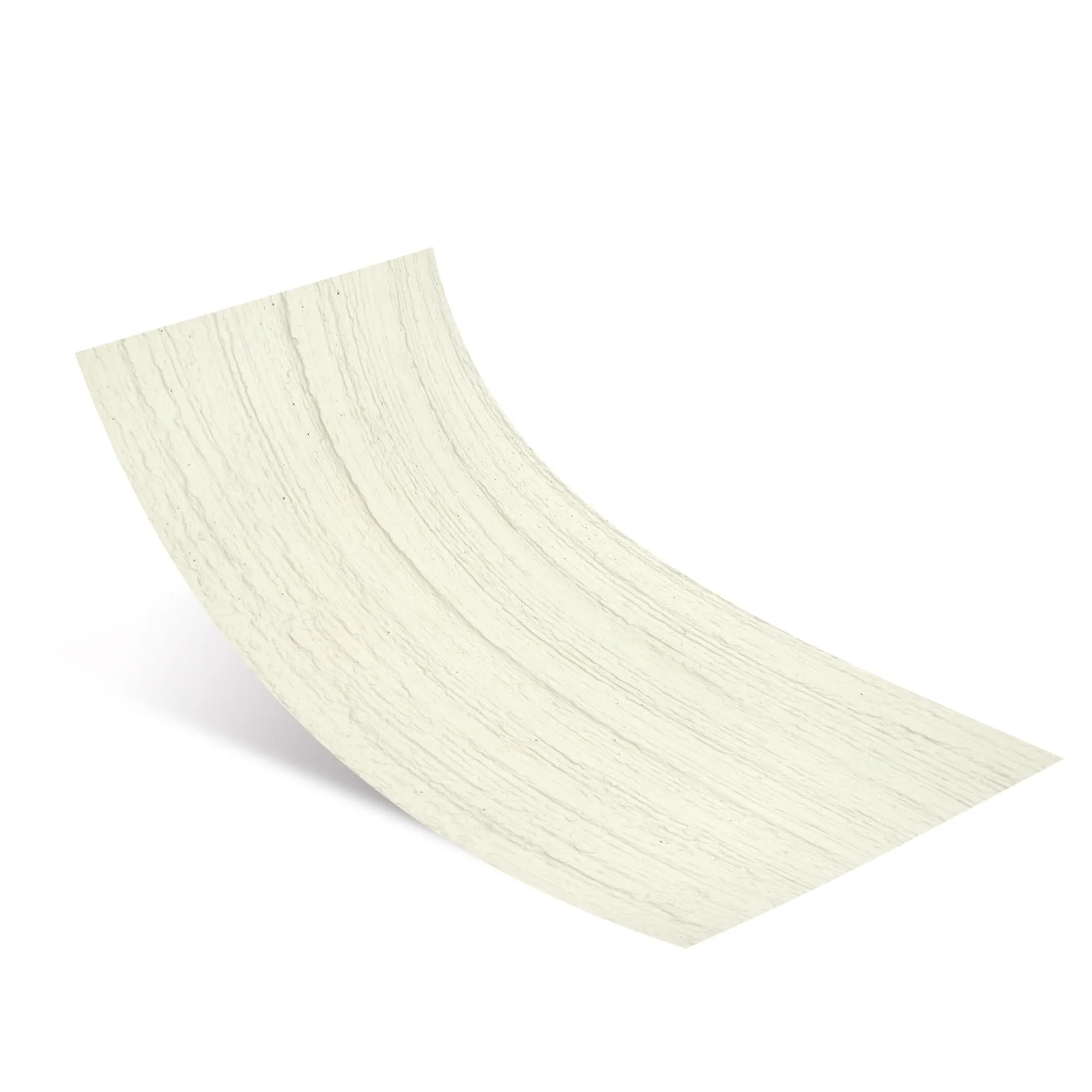
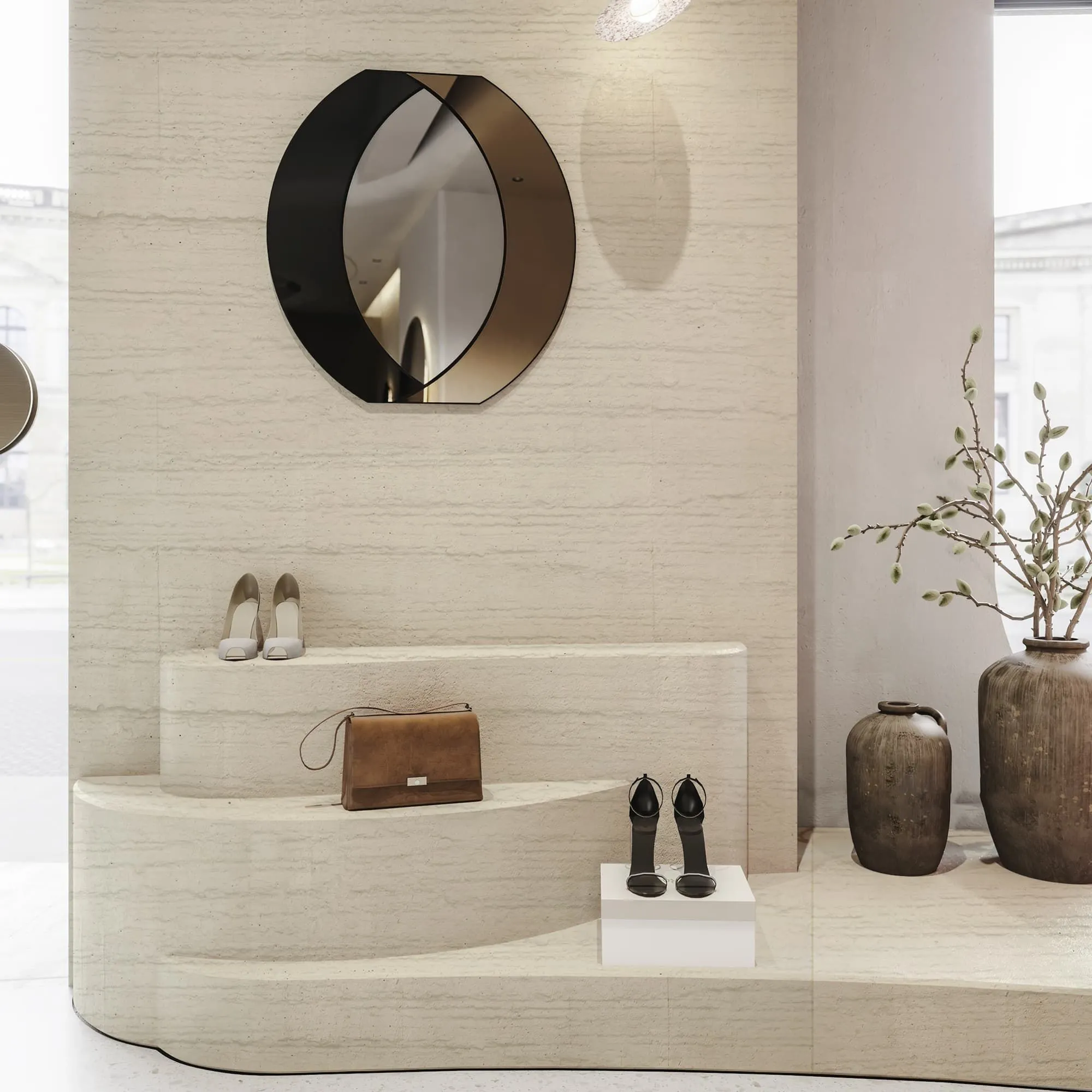
Hey there, fellow contractors and construction professionals! Are you ready to elevate your projects with innovative, sustainable, and stunning building materials? Today, we're diving deep into the world of Gobi Panels – a revolutionary product from COLORIA GROUP that's changing the game in interior and exterior design. As a one-stop solution provider in architectural materials, COLORIA GROUP is all about bringing you high-quality, cutting-edge products, and our Gobi Panels are no exception. We've been in this business for decades, building a reputation for excellence globally, with a strong presence even in Saudi Arabia. So, whether you're working on a residential masterpiece or a bustling commercial hub, understanding the best practices for installing Gobi Panels is crucial for a flawless finish and long-lasting performance.
You might be wondering, what exactly are Gobi Panels? Well, they're part of our groundbreaking
MCM (Modified Cementitious Material) series
. Think of them as a fantastic alternative to traditional building materials, offering incredible flexibility, durability, and a look that's simply unmatched. They're designed to be used for both interior and exterior wall decoration, and what's really cool about them is their customizability and eco-friendly nature. We're talking about materials that are not just beautiful but also kind to our planet. This comprehensive guide is going to walk you through everything you need to know, from preparation to post-installation care, ensuring your Gobi Panel projects are a resounding success.
Before we even pick up a tool, let's get a solid grasp of what makes Gobi Panels so special. These aren't your average run-of-the-mill panels. They represent a significant leap forward in architectural materials. COLORIA GROUP has invested heavily in research and development to create products that meet the evolving demands of modern construction. The
MCM series products
, including our Gobi Panels, are a testament to this commitment.
What are Modified Cementitious Materials (MCM)?
MCM refers to Modified Cementitious Material. In simple terms, it's a material made primarily from inorganic mineral powders, combined with plant fibers and other polymer compounds, through a special high-tech manufacturing process. The result? A material that is incredibly lightweight, flexible, and yet exceptionally strong. It mimics the look and feel of natural materials like stone, wood, and brick, but without the inherent drawbacks of those materials, such as weight, cost, and environmental impact.
-
Lightweight:
Significantly lighter than natural stone or ceramic tiles, reducing structural load and transportation costs.
-
Flexible:
Can be bent and shaped, making it ideal for curved surfaces and complex designs.
-
Durable:
Resistant to weathering, UV radiation, fire, and impact, ensuring longevity.
-
Eco-Friendly:
Made from natural, non-toxic materials, with a low carbon footprint during production.
-
Versatile:
Available in a wide array of textures, colors, and sizes, offering endless design possibilities.
Types of Gobi Panels in the MCM Series
COLORIA GROUP offers several distinct series within the MCM product line, each catering to specific project needs. While Gobi Panel is a general term we use, it encompasses products from these specialized series:
-
MCM Big Slab Board Series
:
These are large-format panels, perfect for creating seamless, grand surfaces. Think elegant facades, expansive interior walls, or even flooring where a minimalistic, sophisticated look is desired. Their large size minimizes joint lines, offering a sleek aesthetic.
-
MCM Project Board Series:
Specifically designed for large-scale commercial and residential projects, these boards offer excellent performance and cost-efficiency. They are robust, easy to install, and come in various finishes suitable for diverse applications.
-
MCM 3D Printing Series:
This is where innovation truly shines! Imagine panels with intricate, three-dimensional patterns and textures, brought to life through advanced 3D printing technology. These panels add depth, character, and a unique artistic touch to any space, perfect for feature walls or decorative elements.
-
MCM Flexible Stone
Series:
This particular series is a showstopper. It literally feels and looks like natural stone, but with the flexibility of a textile. You can wrap it around columns, apply it to curved walls, or use it for intricate detailing where real stone would be impossible. It's incredibly lightweight and opens up a whole new world of design possibilities.
When we talk about Gobi Panels, we're talking about the quality and innovation inherent in all these MCM products. They are all tailored to meet the highest standards of architectural design and construction.
Every successful installation starts with meticulous preparation. Skipping steps here is a sure-fire way to invite problems down the line. Let's break down what needs to happen before a single panel goes up.
1. Site Assessment and Surface Preparation
This is your foundation. The substrate must be ready for the panels. Gobi Panels are versatile, but they perform best on a properly prepared surface.
-
Cleanliness:
The substrate must be free of dust, dirt, grease, loose paint, and any other contaminants that could compromise adhesion. A thorough cleaning is non-negotiable.
-
Soundness:
The surface needs to be structurally sound, free of cracks, crumbling plaster, or weak areas. Repair any damage before proceeding. Use appropriate patching compounds or renders.
-
Flatness and Smoothness:
While Gobi Panels, especially the flexible ones, can accommodate minor irregularities, a reasonably flat and smooth surface is essential for the best aesthetic and adhesion. Use a long straightedge to check for high and low spots. For significant undulations, apply a leveling compound or render.
-
Dryness:
The substrate must be completely dry. Moisture can lead to adhesion failure and other issues. Check moisture levels, especially for new concrete or plaster.
-
Curing Time:
If you're working on newly rendered or plastered surfaces, ensure they have fully cured according to the manufacturer's recommendations (typically 7-28 days, depending on the material).
-
Priming:
Depending on the substrate's porosity and condition, a suitable primer might be necessary. COLORIA GROUP recommends specific primers for optimal adhesion with our MCM adhesives. Always refer to the product data sheets. For highly absorbent surfaces, priming helps reduce suction and ensures even adhesive curing.
-
Temperature and Humidity:
Ensure the ambient temperature and substrate temperature are within the recommended range for both the panels and the adhesive. Typically, this is between 5°C and 35°C (41°F and 95°F). Avoid installation in extreme heat, cold, or high humidity.
2. Material Inspection and Acclimatization
Once your Gobi Panels arrive on site, don't just stack them and forget about them. Give them the attention they deserve!
-
Unpack and Inspect:
Carefully unpack the panels. Check for any manufacturing defects, damage during shipping, or color variations that might be outside acceptable tolerances. Report any issues to COLORIA GROUP immediately.
-
Color Blending:
MCM products, like natural materials, can have slight variations in tone between production batches. To ensure a seamless look, especially for larger areas, it's a best practice to mix panels from different boxes during installation. This helps blend any subtle differences for a more natural appearance.
-
Acclimatization:
Allow the panels to acclimatize to the ambient conditions of the installation area for at least 24-48 hours prior to installation. This helps prevent expansion or contraction issues post-installation. Lay them flat in a shaded, dry area.
-
Batch Numbers:
Always keep track of batch numbers. This is crucial for ordering additional materials or resolving any issues related to specific production runs.
3. Tools and Equipment
Having the right tools makes all the difference. Here's a list of essentials:
|
Category
|
Tool/Equipment
|
Purpose
|
|
Cutting
|
Utility Knife/Heavy-Duty Scissors
|
For flexible panels, precise straight cuts.
|
|
|
Angle Grinder with Diamond Blade
|
For thicker or less flexible panels (e.g., Big Slab Board), especially for intricate cuts.
|
|
|
Jigsaw (optional)
|
For curved cuts or cutouts in specific panel types.
|
|
Adhesion
|
Notched Trowel (COLORIA GROUP recommended size)
|
For even application of adhesive. The notch size is critical.
|
|
|
Rubber Mallet
|
To gently tap panels into place, ensuring full contact with adhesive.
|
|
|
Pressure Roller (optional)
|
For ensuring consistent adhesion over large flexible panels.
|
|
Measuring & Marking
|
Tape Measure
|
Standard measurement.
|
|
|
Level (Spirit/Laser)
|
Ensuring straight lines and proper alignment.
|
|
|
Chalk Line/Pencil
|
Marking reference lines on the substrate.
|
|
Cleaning & Finishing
|
Sponges/Cloths
|
For cleaning excess adhesive.
|
|
|
Grout Float/Spatula
|
If grouting is required (depending on the panel type and desired finish).
|
|
|
Brushes
|
For applying sealants or primers.
|
|
Safety
|
Gloves, Safety Glasses, Dust Mask
|
Essential personal protective equipment.
|
4. Layout Planning
This is where design meets execution. A well-planned layout minimizes waste and maximizes aesthetic appeal.
-
Start Point:
Typically, installation begins from a corner or a central feature point. For large walls, consider starting in the middle and working outwards to ensure symmetry, especially if the panels have a distinct pattern or large format.
-
Reference Lines:
Use your level and chalk line to mark precise horizontal and vertical reference lines on the substrate. These will guide your panel placement. Regularly check these lines as you proceed.
-
Dry Layout:
For complex patterns or critical areas, consider doing a "dry layout" on the floor to visualize the arrangement, especially with MCM Flexible Stone or other patterned panels. This helps in pre-cutting and avoiding awkward cuts at visible edges.
-
Joints:
Decide on the joint width. Gobi Panels can be installed with tight butt joints for a seamless look or with wider joints for a more traditional tiled appearance. Consider using spacers to ensure consistent joint lines.
-
Edge Treatment:
Plan for corners, edges, and transitions. How will the panels meet? Will you use corner profiles, mitered edges, or simply butt joint them? COLORIA GROUP offers specific accessories for clean edge finishes.
Pro Tip:
When working with the
MCM Big Slab Board Series
, plan your cuts meticulously to minimize waste. These large panels are incredibly impactful, and careful planning ensures their grandeur is fully realized without unnecessary joins.
With all your preparations complete, it's time to start installing! This phase requires precision, patience, and adherence to COLORIA GROUP's guidelines.
1. Adhesive Application
The adhesive is the invisible hero of your Gobi Panel installation. Choosing and applying it correctly is paramount.
-
COLORIA GROUP Adhesive:
Always use the recommended adhesive provided or specified by COLORIA GROUP. Our adhesives are specially formulated to work with our MCM products, ensuring optimal bonding strength and durability.
-
Mixing:
If it's a two-part or powdered adhesive, mix it strictly according to the manufacturer's instructions. Use a mechanical mixer for consistency. Avoid over-mixing, which can introduce air bubbles and reduce working time.
-
Substrate Application:
Apply the adhesive evenly to the substrate using the recommended notched trowel. The trowel's notch size is crucial for achieving the correct adhesive thickness and coverage. Apply enough adhesive to ensure at least 80-90% coverage on the back of the panel when it's pressed into place.
-
Back-Butter (Optional but Recommended):
For larger panels, particularly those from the
MCM Big Slab Board Series
, it's highly recommended to "back-butter" the back of the panel with a thin, even layer of adhesive using the flat side of the trowel before applying it to the notched adhesive on the wall. This ensures maximum contact and prevents voids, which can lead to panel failure.
-
Open Time:
Be mindful of the adhesive's "open time" – the period during which the adhesive remains tacky and capable of bonding. Don't spread too much adhesive at once; work in manageable sections.
2. Panel Placement and Alignment
This is where your layout planning pays off. Precision here ensures a professional, beautiful finish.
-
First Panel:
Carefully align the first panel with your established reference lines. Press it firmly into the wet adhesive.
-
Firm Pressure:
Apply firm, even pressure across the entire panel, ensuring maximum contact with the adhesive. A rubber mallet can be used to gently tap the panel into place, working from the center outwards to push out any trapped air. For
MCM Flexible Stone
, a pressure roller can be very effective in ensuring full adhesion across its flexible surface.
-
Spacers:
Use spacers to maintain consistent joint widths between panels.
-
Check Alignment:
Regularly check the alignment of each panel with a level, both horizontally and vertically, as you proceed. Don't wait until you've installed several panels to discover an error.
-
Clean Excess Adhesive:
Immediately clean any excess adhesive that squeezes out of the joints or gets onto the panel surface. Use a damp sponge or cloth. Once cured, our MCM adhesives can be very difficult to remove without damaging the panel surface.
-
Cutting Panels:
For cuts, use a utility knife for flexible panels (score and snap, or multiple passes for thicker material) or an angle grinder with a diamond blade for rigid panels. Always cut from the decorative face to minimize chipping, and wear appropriate safety gear. For intricate shapes in flexible materials, heavy-duty scissors can be surprisingly effective.
3. Joint Treatment (Grouting or Sealing)
The way you treat the joints will significantly impact the final look and performance of your Gobi Panel installation.
-
Butt Joints:
For very tight butt joints, especially with
MCM Flexible Stone
, grouting might not be necessary. However, a thin bead of matching sealant can be applied to provide additional weatherproofing and a clean finish.
-
Grouting:
If wider joints are desired, or if the specific panel type requires it, use a flexible, weather-resistant grout that is compatible with MCM materials. COLORIA GROUP can recommend suitable grout products.
-
Apply grout with a rubber float, pressing it firmly into the joints.
-
Wipe off excess grout with a damp sponge, working diagonally across the joints to avoid pulling out grout.
-
Allow the grout to haze slightly, then buff the panels clean with a dry cloth.
-
Expansion Joints:
For large surfaces or areas subject to movement (e.g., building expansion joints, around windows/doors), incorporate expansion joints. These should be filled with an appropriate flexible sealant (e.g., silicone or polyurethane). Consult engineering specifications for placement and width.
"The beauty of Gobi Panels isn't just in their appearance; it's in their ability to adapt to diverse architectural visions. From the seamless grandeur of our
MCM Big Slab Board Series
to the intricate details of our
MCM 3D Printing Series
, each panel is engineered for flexibility and impact." - COLORIA GROUP Design Team
Your job isn't over once the last panel is up. Proper curing and ongoing maintenance are key to the long-term beauty and performance of Gobi Panels.
1. Curing Time
Adhesive and grout need time to cure fully. This is not optional; it's critical for strength and durability.
-
Protection:
Protect the newly installed panels from heavy impacts, extreme weather, and excessive moisture during the curing period.
-
Ventilation:
Ensure adequate ventilation, especially in interior spaces, to facilitate the curing process of adhesives and sealants.
-
Load Bearing:
Do not apply any load or pressure to the panels until the adhesive has fully cured. This is particularly important for flooring applications or areas where objects might lean against the wall.
-
Follow Manufacturer's Instructions:
Always refer to the specific curing times provided by the adhesive and grout manufacturers. Typically, this can range from 24 hours for initial set to 7 days for full cure.
2. Cleaning and Sealing
To keep Gobi Panels looking their best, a few post-installation steps are important.
-
Final Clean:
Once cured, perform a final clean to remove any residual dust, grout haze, or adhesive smudges. Use a soft cloth and a mild, pH-neutral cleaner. Avoid abrasive cleaners or harsh chemicals.
-
Sealing (Optional but Recommended):
For exterior applications or areas prone to heavy soiling (e.g., high-traffic interior zones, kitchen backsplashes), applying a penetrating sealer can provide additional protection. COLORIA GROUP offers specific sealers compatible with our MCM products. This helps in making the panels easier to clean and provides an extra layer of defense against moisture and stains. Always test the sealer in an inconspicuous area first to check for any color changes.
3. Ongoing Maintenance
Gobi Panels are designed for low maintenance, but a little care goes a long way.
-
Regular Cleaning:
For routine cleaning, simply wipe panels with a soft, damp cloth. For tougher dirt, use a mild, pH-neutral cleaning solution diluted with water.
-
Avoid Harsh Chemicals:
Steer clear of acidic or alkaline cleaners, abrasive pads, wire brushes, or high-pressure washers, as these can damage the panel surface or the sealant.
-
Inspection:
Periodically inspect the panels and joints for any signs of wear, damage, or sealant degradation. Address any issues promptly to prevent further problems. Re-seal as necessary, typically every 3-5 years depending on exposure and product.
-
Repairs:
In the unlikely event of damage, COLORIA GROUP offers guidance and specific repair kits for minor blemishes. For significant damage, individual panels can often be carefully removed and replaced by a skilled contractor.
Even with the best preparation, challenges can arise. Knowing how to troubleshoot them effectively can save time and headaches.
Adhesion Issues
-
Panels Lifting:
-
Cause:
Insufficient adhesive, improper substrate preparation (dust, moisture, uneven surface), or adhesive drying before panel placement (open time exceeded).
-
Solution:
Remove the panel, clean off old adhesive (from both panel and substrate), re-prime if necessary, and reapply fresh adhesive ensuring full coverage and proper open time. Ensure substrate is perfectly clean and dry.
-
Insufficient Coverage:
-
Cause:
Notched trowel too small, adhesive applied too thinly, or not enough pressure during placement.
-
Solution:
Ensure correct notched trowel size and apply sufficient adhesive. Back-buttering is highly recommended for optimal coverage. Apply firm, even pressure.
Alignment Problems
-
Uneven Joints/Crooked Panels:
-
Cause:
Inaccurate reference lines, rushing the installation, or not using spacers.
-
Solution:
Remove affected panels quickly while adhesive is wet. Re-establish accurate reference lines, use spacers religiously, and regularly check with a level. Take your time!
-
Edge Discrepancies:
-
Cause:
Poor initial layout planning, inaccurate cutting, or inconsistent pressure during placement.
-
Solution:
For minor issues, carefully trim edges with a sharp utility knife or sand with fine-grit sandpaper (for suitable MCM types). For larger errors, replace the panel. Review your layout plan for future sections.
Grout or Sealant Issues
-
Cracked Grout:
-
Cause:
Improper mixing, insufficient joint width, substrate movement, or using a rigid grout where flexibility is needed.
-
Solution:
Rake out cracked grout, ensure joints are clean and dry, and re-grout with a flexible, high-quality grout. Ensure expansion joints are properly integrated and sealed.
-
Hazy Surface After Grouting:
-
Cause:
Not cleaning excess grout promptly or allowing it to dry too long before cleaning.
-
Solution:
Use a specialized grout haze remover (test first!) and a non-abrasive pad. Prevention is key: clean as you go.
Panel Damage
-
Chips/Scratches:
-
Cause:
Rough handling, impacts during installation, or improper cutting techniques.
-
Solution:
Small chips can sometimes be repaired with a matching repair compound from COLORIA GROUP. For deeper scratches or significant chips, the panel may need to be replaced. Implement better handling practices and proper cutting tools.
Remember:
When in doubt, always reach out to COLORIA GROUP's technical support. We are here to help you succeed with our products!
So, why should you, as a discerning contractor, choose Gobi Panels for your next project? Beyond the detailed installation practices, it comes down to the core advantages that COLORIA GROUP brings to the table as a dedicated one-stop solution provider in architectural materials.
1. Unmatched Versatility and Design Freedom
Our MCM series products, including the versatile Gobi Panels, offer an unparalleled range of aesthetic possibilities. Whether your client envisions the rustic charm of stone, the modern elegance of large format panels, or the avant-garde appeal of 3D textures, we have you covered. The
MCM Flexible Stone
series, for example, allows for creative applications previously thought impossible with traditional stone, opening doors to intricate designs on curved surfaces or lightweight facades. This design flexibility empowers architects and designers, translating into more unique and impactful projects for you to build.
2. Commitment to Green Building Practices
In today's construction landscape, sustainability isn't just a buzzword; it's a necessity. COLORIA GROUP is deeply committed to providing environmentally responsible building materials. Our MCM products are manufactured using natural inorganic mineral powders and plant fibers, significantly reducing their environmental footprint compared to traditional alternatives. They contribute to healthier indoor air quality, are recyclable, and often qualify for green building certifications. By choosing Gobi Panels, you're not just building structures; you're building a more sustainable future.
3. Superior Performance and Durability
Longevity and performance are critical for any construction material. Gobi Panels are engineered for extreme durability. They are:
-
Weather-resistant:
Standing up to harsh climates, from scorching desert sun (we know a thing or two about that, especially with our agents in Saudi Arabia!) to freezing temperatures.
-
UV-stable:
Maintaining their color and integrity even after prolonged exposure to sunlight.
-
Fire-retardant:
Offering enhanced safety features for both residential and commercial buildings.
-
Impact-resistant:
Capable of withstanding daily wear and tear, reducing the need for frequent repairs.
-
Breathable:
Allowing walls to breathe, which helps in managing moisture and preventing issues like mold growth.
This translates to fewer call-backs for you and greater satisfaction for your clients, bolstering your reputation as a contractor who delivers quality.
4. Cost-Effectiveness and Efficiency
While the initial material cost is always a consideration, the true cost of a material includes installation time, labor, and long-term maintenance. Gobi Panels offer significant advantages here:
-
Lightweight:
Reduces shipping costs and makes handling easier on site, potentially speeding up installation.
-
Easy to Cut and Install:
Their flexibility and ease of manipulation, especially with products like
MCM Flexible Stone
, mean faster installation times and less specialized equipment, lowering labor costs.
-
Low Maintenance:
As discussed, Gobi Panels require minimal ongoing maintenance, saving clients money over the life of the building.
These efficiencies directly impact your project timelines and profitability, allowing you to take on more projects and deliver them on budget.
5. Decades of Industry Expertise and Global Support
COLORIA GROUP isn't a newcomer. With decades of industry experience, we understand the intricacies of architectural materials and the needs of contractors like you. Our global market coverage, including our well-established presence through agents in Saudi Arabia, means you get reliable support, consistent product availability, and technical expertise wherever your project takes you. We don't just sell products; we provide solutions and partnerships.
6. Customization at Your Fingertips
One of the standout features of our Gobi Panels, particularly our
MCM 3D Printing Series
, is the incredible level of customization available. From bespoke textures and colors to unique dimensions, we can tailor products to fit the exact vision of your project. This capability allows you to offer truly unique and standout solutions to your clients, differentiating your services in a competitive market.
Thinking Ahead:
When estimating project costs and timelines, factor in the inherent advantages of Gobi Panels. Their ease of installation and long-term durability often lead to more competitive bids and happier clients.
Conclusion: Building Smarter with COLORIA GROUP's Gobi Panels
In the dynamic world of construction, staying ahead means embracing innovation, efficiency, and sustainability. COLORIA GROUP's Gobi Panels, a core part of our advanced
MCM (Modified Cementitious Material) series
, embody all these qualities and more. As a contractor, your reputation hinges on the quality of your work and the materials you choose. By adhering to these best practices for installation, you're not just applying panels; you're crafting durable, beautiful, and sustainable architectural masterpieces.
From the meticulous preparation of your substrate to the precise application of our specialized adhesives, every step plays a vital role in unlocking the full potential of Gobi Panels. Remember the flexibility of our
MCM Flexible Stone
, the grandeur of the
MCM Big Slab Board Series
, and the artistic possibilities of the
MCM 3D Printing Series
. Each product is designed with you in mind, offering ease of use without compromising on performance or aesthetic appeal. We're here to support you, every step of the way, with decades of expertise and a commitment to innovation.
So, go forth and build with confidence! Choose COLORIA GROUP for your architectural material needs and let Gobi Panels transform your next project into a testament of modern design and sustainable construction. Your success is our mission, and with these best practices, you're well-equipped to achieve truly outstanding results.