
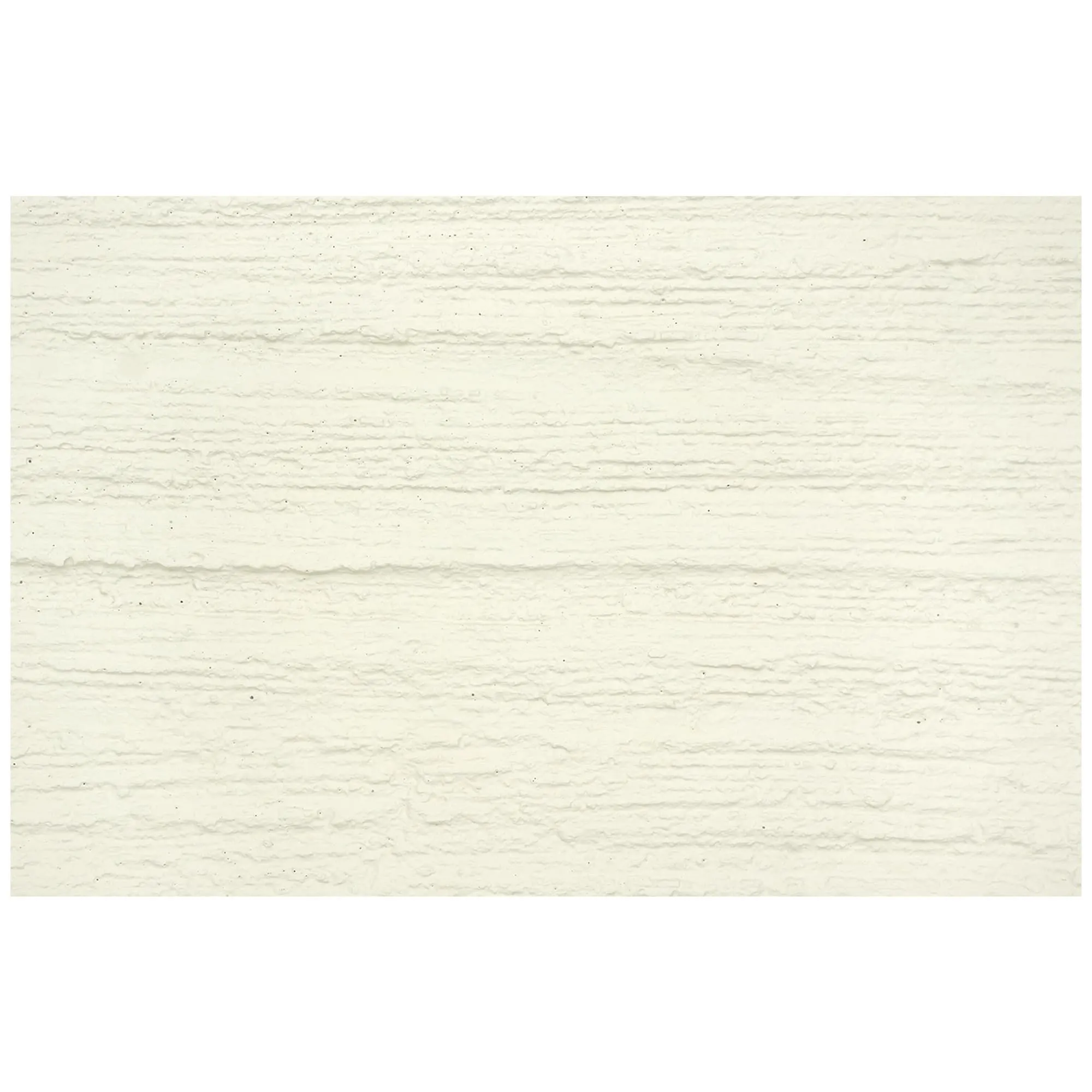
Embarking on a new construction or renovation project is an exciting journey. But let's be honest, it can also be overwhelming. The sheer number of choices for every single element, especially building materials, can be dizzying. You're constantly trying to balance a tightrope walk between stunning aesthetics, long-lasting durability, project budget, and, increasingly, environmental responsibility. Get one of these wrong, and the entire project can suffer. In this complex landscape, a new category of materials has emerged as a game-changer, promising to tick all these boxes: Modified Cementitious Material, or MCM. It's a name you're going to hear a lot more, and for good reason. But as with any innovation, quality can vary dramatically. This guide is designed to help you navigate the market and understand what truly defines excellence. We'll be using the "Gobi Panel" as our benchmark—a name synonymous with the highest quality standards in the MCM world, pioneered by industry leaders like COLORIA GROUP who have perfected this technology.
So, what is this stuff? The name "Modified Cementitious Material" might sound intimidatingly technical, but the concept is brilliantly simple. Think of it as taking the fundamental, time-tested strength of cement and natural minerals and giving them a 21st-century upgrade. It's not your grandfather's concrete block. Instead, it's a composite material made primarily from natural mineral powders (like sand and stone dust), a small amount of green cement, and advanced polymers that act as "modifiers." These modifiers are the secret sauce. They're what transform a rigid, heavy substance into something remarkably lightweight, flexible, and versatile.
The manufacturing process itself is a testament to its modern, eco-conscious design. Unlike traditional ceramics or fired bricks that require scorching-hot kilns running at over 1200°C, high-quality MCM is typically cured at low temperatures, often between 100-150°C. This drastic reduction in heat translates directly to lower energy consumption and a significantly smaller carbon footprint. This process doesn't just make it greener; it's what locks in the material's unique properties.
Let's talk about those properties, because this is where MCM truly starts to shine, especially when compared to traditional materials:
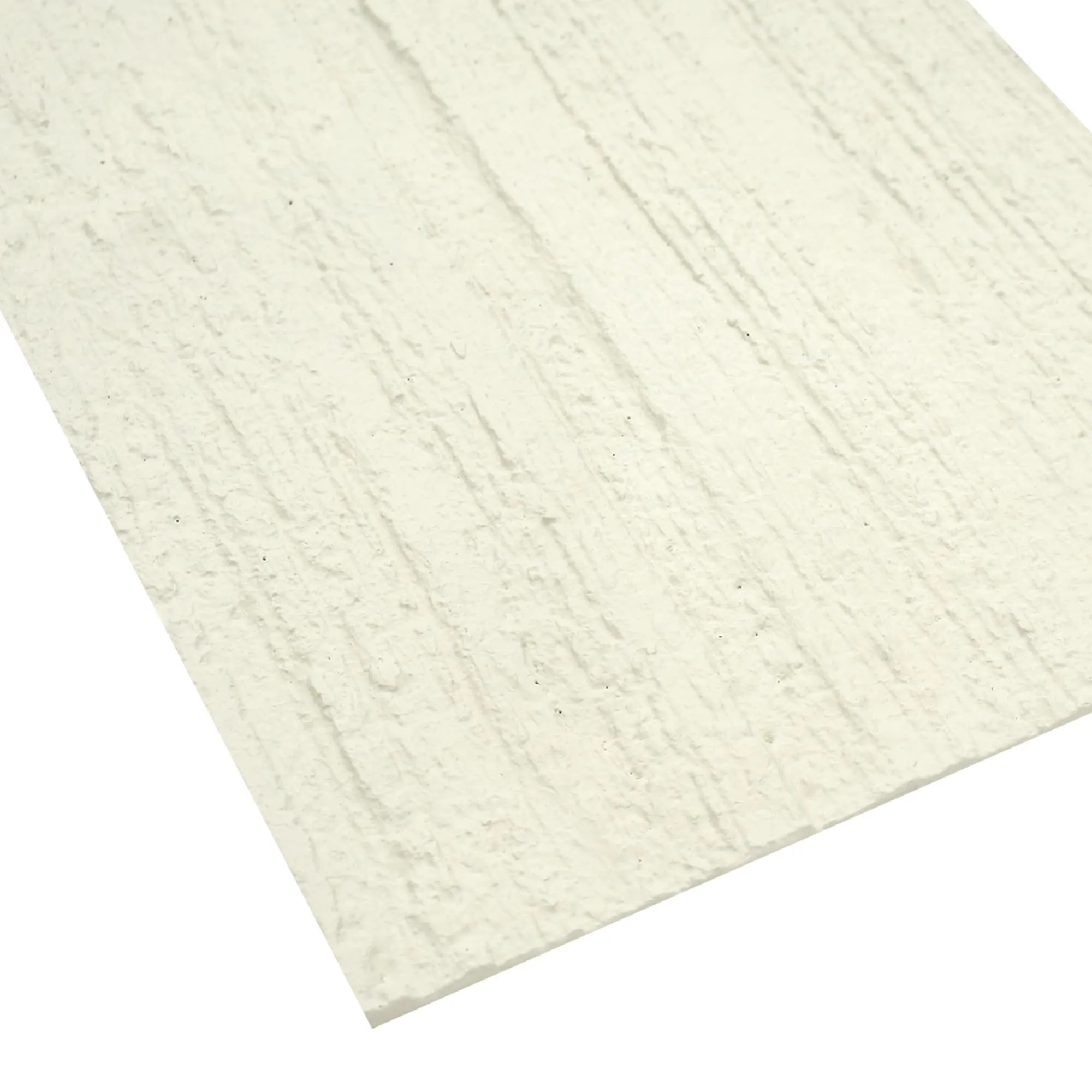
As the popularity of Modified Cementitious Material grows, the market is filling with options. However, not all MCM is created equal. The difference between a premium product and a subpar one can mean the difference between a facade that looks pristine for decades and one that fades, stains, or cracks within a few years. This is where the "Gobi Panel" standard comes in. It's not just a product; it's a set of rigorous quality criteria that separates the best from the rest. Let's break down what to look for.
Everything starts at the source. The final quality of an MCM panel is a direct reflection of the ingredients that go into it. Inferior products often cut corners by using low-purity mineral powders, industrial waste with unknown compositions, or cheap, low-grade polymers. This can lead to a host of problems, including inconsistent color, poor durability, and even the release of volatile organic compounds (VOCs). A top-tier manufacturer like COLORIA GROUP, known for its commitment to excellence, insists on using high-purity, carefully selected natural mineral powders and premium, eco-friendly polymers. This ensures color stability, long-term performance, and a product that is safe for both indoor and outdoor environments. When you're evaluating a supplier, don't be afraid to ask about the origin and composition of their raw materials.
Having great ingredients is only half the battle; how you cook them matters. The manufacturing process is a delicate science. Precise control over the mixing ratios, molding pressures, and, most importantly, the curing environment (temperature and humidity) is critical. A leading-edge facility will use automated, computer-controlled systems to ensure every single panel meets the exact same specifications. This precision is what guarantees consistency in thickness, texture, and physical properties. A rushed or poorly controlled curing process can result in brittle panels, higher water absorption, and a weaker bond between the material's components, making it susceptible to delamination or freeze-thaw damage.
Talk is cheap. The best manufacturers back up their claims with hard data from independent laboratory testing. These test reports are your ultimate proof of quality. Below is a table illustrating the difference you'll find between a product that meets the Gobi Panel standard and a generic, lower-quality alternative.
| Performance Metric | Gobi Panel Standard (e.g., COLORIA GROUP) | Generic / Subpar MCM |
|---|---|---|
| Fire Rating (ASTM E84/EN 13501-1) | Class A (Highest rating; non-combustible) | Class B, C, or untested |
| Freeze-Thaw Resistance | >100 cycles with no cracking or damage | Fails after 20-50 cycles; surface spalling |
| Water Absorption Rate | Low (<8%) - Prevents staining and mildew | High (>15%) - Prone to water damage and staining |
| Flexibility (Bending) | Highly flexible, can wrap around columns without cracking | Brittle, cracks under slight pressure |
| UV Resistance / Color Fastness | High (Grade 4-5 after 2000 hours of testing) | Low; significant fading in under 500 hours |
| Stain Resistance | Resistant to common stains like coffee, wine, oil | Stains easily and permanently |
Let's dig into why these matter. A Class A Fire Rating is non-negotiable for safety, especially in commercial buildings and multi-family residences. Freeze-thaw resistance is absolutely critical for exterior applications in climates with cold winters. Water seeps into a porous material, freezes, expands, and breaks the material apart from the inside. High resistance means your facade will survive season after season. Similarly, excellent UV resistance is a must for exteriors, ensuring the beautiful color you chose doesn't fade into a washed-out mess after a few years under the sun. This is particularly important in intense-sunlight regions like Saudi Arabia, where COLORIA GROUP has established a strong presence based on its products' proven performance.
Finally, a quality product must deliver on its primary promise: to look amazing. Superior MCM achieves this with high-definition textures and multi-layered colors that create depth and realism. When you look at a Gobi Panel meant to mimic travertine, you'll see the subtle veining and color variations of real stone. A key indicator of quality is a low pattern repetition. Cheaper products often use a single mold design over and over, creating an obvious, artificial-looking repeat. Premium manufacturers use dozens of unique molds to ensure a large area looks natural and varied.
Beyond just replication, leading providers push the boundaries of design through customization. This is where a true one-stop solution provider shines. They can offer products like the MCM Big Slab Board Series, which provides massive, seamless panels for a truly monolithic and modern look. They can also delve into the world of bespoke design with options like the MCM 3D Printing Series, allowing architects to create entirely new, custom textures for a signature project. This ability to tailor the material to the specific vision of a project is a hallmark of a top-tier company.
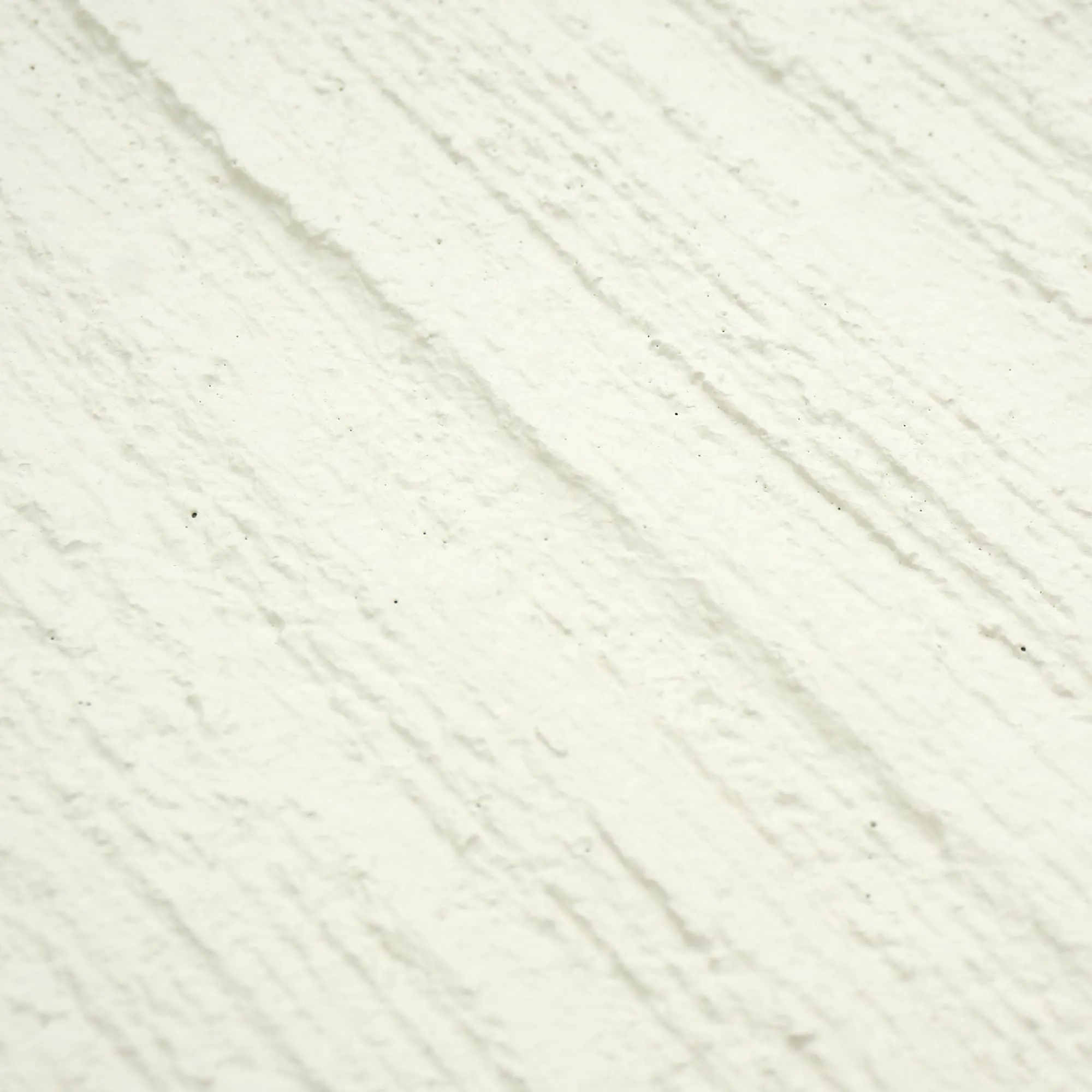
Knowing the technical standards is great, but how do you apply that knowledge when you have a physical sample in your hand? Here's a practical checklist to help you become a discerning buyer.
Your senses are your best initial tools. When you get a sample, do the following:
You don't need a lab to perform some basic quality checks.
Finally, arm yourself with the right questions. A reputable supplier will be happy and able to answer them.
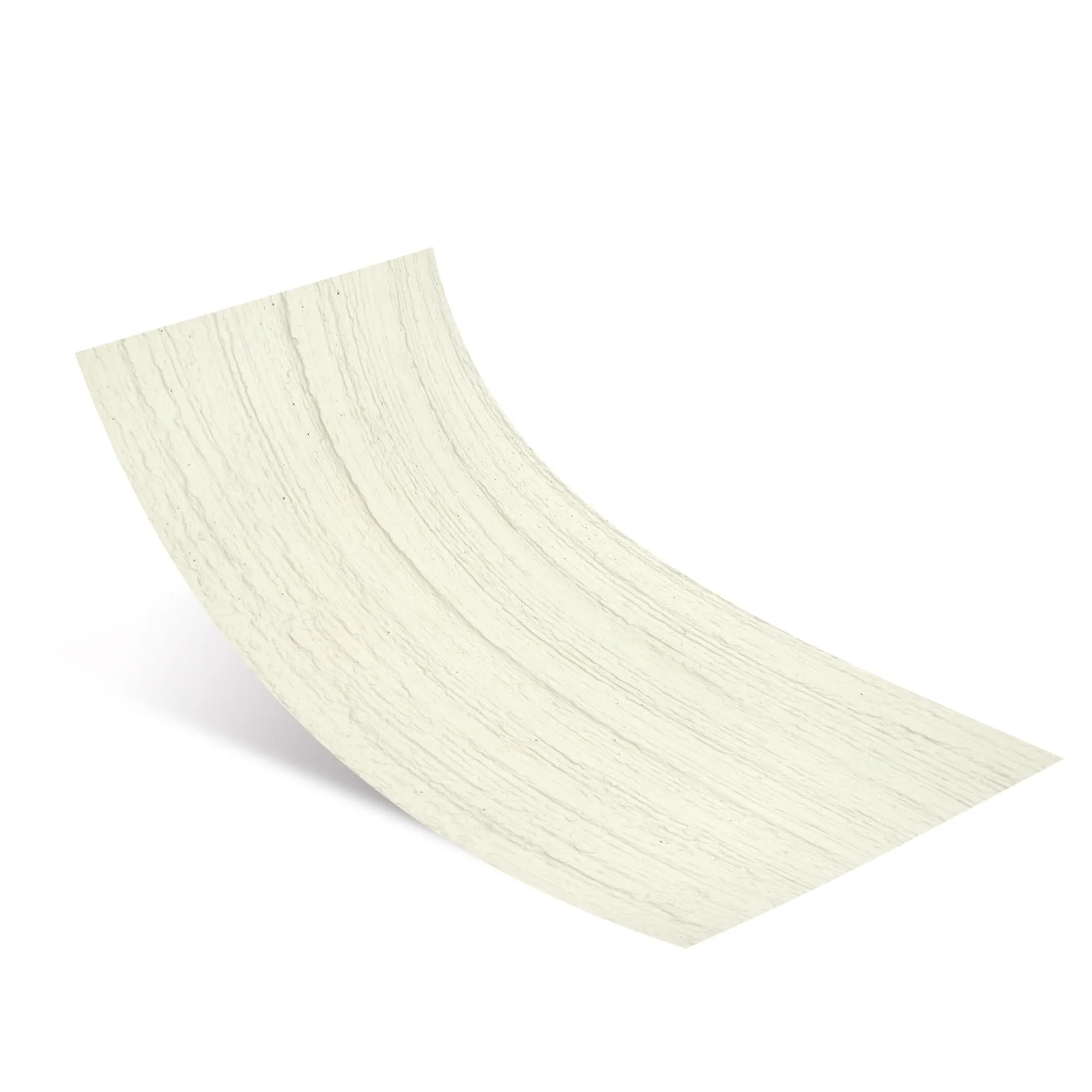
Understanding the quality is one thing; seeing its potential is another. The true beauty of a high-performance Modified Cementitious Material lies in its boundless applications.
For building exteriors, this material is a revolution. Imagine cladding a high-rise tower. Using large format panels from an MCM Big Slab Board Series, you can create a stunning, nearly seamless stone facade at a fraction of the weight and installation time of traditional quarry stone. Its proven weather resistance ensures the building will look just as impressive on its tenth anniversary as it did on day one, shrugging off rain, sun, and frost. It's perfect for both new builds and for giving older buildings a modern, high-performance facelift.
Inside, the possibilities are just as exciting. Create a dramatic, floor-to-ceiling slate feature wall in a living room without worrying about structural support. Design a sleek, modern bathroom with the look of marble, knowing the material is completely waterproof and easy to clean. This is where the versatility of a product like MCM Flexible Stone truly comes to life. It can effortlessly wrap around a curved reception desk in a corporate lobby, clad a statement-making spiral staircase, or add texture to an undulating feature wall, creating organic, flowing designs that were once prohibitively expensive or complex to achieve.
The most forward-thinking projects demand unique solutions. This is where the synergy between a quality material and a full-service provider like COLORIA GROUP becomes invaluable. With the ability to produce custom colors, textures, and even 3D-printed patterns, architects are no longer limited by off-the-shelf options. They can design a proprietary finish for a luxury hotel chain or a unique textural element for a public art installation, turning a building material into a signature element of their design.
In the end, choosing the right building material is about more than just a surface-level decision. It's an investment in the future of your project. By understanding what defines quality in a Modified Cementitious Material—pure ingredients, precision manufacturing, and proven performance—you can make a choice that delivers not only on your aesthetic vision but also on the promise of long-lasting durability, safety, and sustainability. When you seek out a product that meets the Gobi Panel standard, you're not just buying a panel; you're securing peace of mind and ensuring a brilliant result for years to come.
Recommend Products












