Building high-rise structures is an incredible feat of engineering and design. From shimmering facades to innovative interiors, every material choice carries significant weight—both literally and figuratively. When it comes to exterior cladding, architects and developers are constantly on the lookout for materials that combine aesthetics, durability, and, crucially, reduced load on the building's foundation. Today, we're diving deep into a comparison that's becoming increasingly relevant in the modern construction landscape:
Gobi Panel (COLORIA GROUP's advanced MCM material) versus traditional Aluminum Composite Panels (ACPs). Our main question? Which one tips the scales in favor of lightness for those soaring skyscrapers?
The Quest for Lighter Materials in High-Rise Construction
Why is weight such a big deal in high-rise construction? Think about it: every extra pound translates to increased structural requirements, thicker foundations, and potentially higher material and labor costs. Lighter cladding materials offer a multitude of benefits:
-
Reduced Dead Load:
Less weight means less strain on the building's core structure, leading to more efficient structural design and potentially smaller, more cost-effective foundations.
-
Easier Installation:
Lighter panels are simpler to handle and lift, accelerating installation times and reducing labor costs, especially at extreme heights.
-
Enhanced Seismic Performance:
In earthquake-prone regions, lighter facades can significantly improve a building's ability to withstand seismic forces.
-
Sustainability:
Often, lighter materials require less raw material and energy for production and transport, contributing to a project's overall green footprint.
As a leading
one-stop solution provider
in building materials, COLORIA GROUP understands these imperatives. We've been at the forefront of innovating solutions that meet the evolving demands of both residential and commercial projects globally, with a strong focus on high-performance materials.
Understanding the Contenders
What are Aluminum Composite Panels (ACPs)?
Aluminum Composite Panels, or ACPs, have been a popular choice for building facades for decades. They typically consist of two thin aluminum sheets bonded to a non-aluminum core, usually made from polyethylene (PE) or a mineral-filled fire-retardant (FR) material. ACPs are valued for their flatness, rigidity, lightweight nature (compared to solid aluminum or steel), and the wide range of finishes and colors available.
When we talk about ACPs being lightweight, it's generally true when compared to traditional solid metal sheets or heavy masonry. A standard 4mm thick ACP sheet typically weighs around 5.5 to 8 kg/sqm, depending on the core material and aluminum thickness. This has made them an attractive option for modern facades, allowing for sleek designs and relatively straightforward installation.
Now, let's turn our attention to
Gobi Panel, which represents a significant leap forward in building material technology, specifically within COLORIA GROUP's
MCM (Modified Cementitious Material) series
.
Gobi Panel falls under our
MCM Big Slab Board Series, designed specifically to tackle the challenges of large-scale architectural projects, including high-rises.
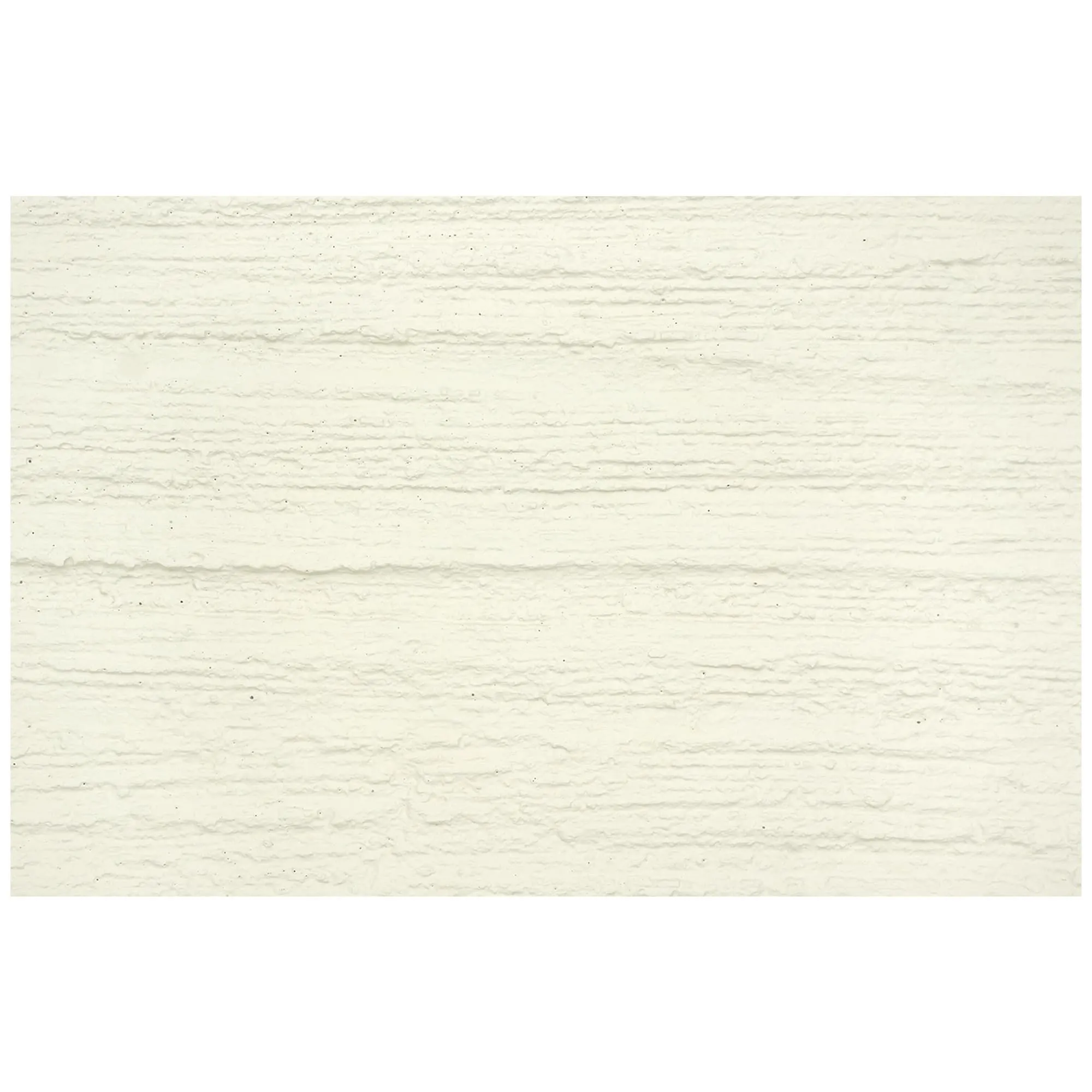
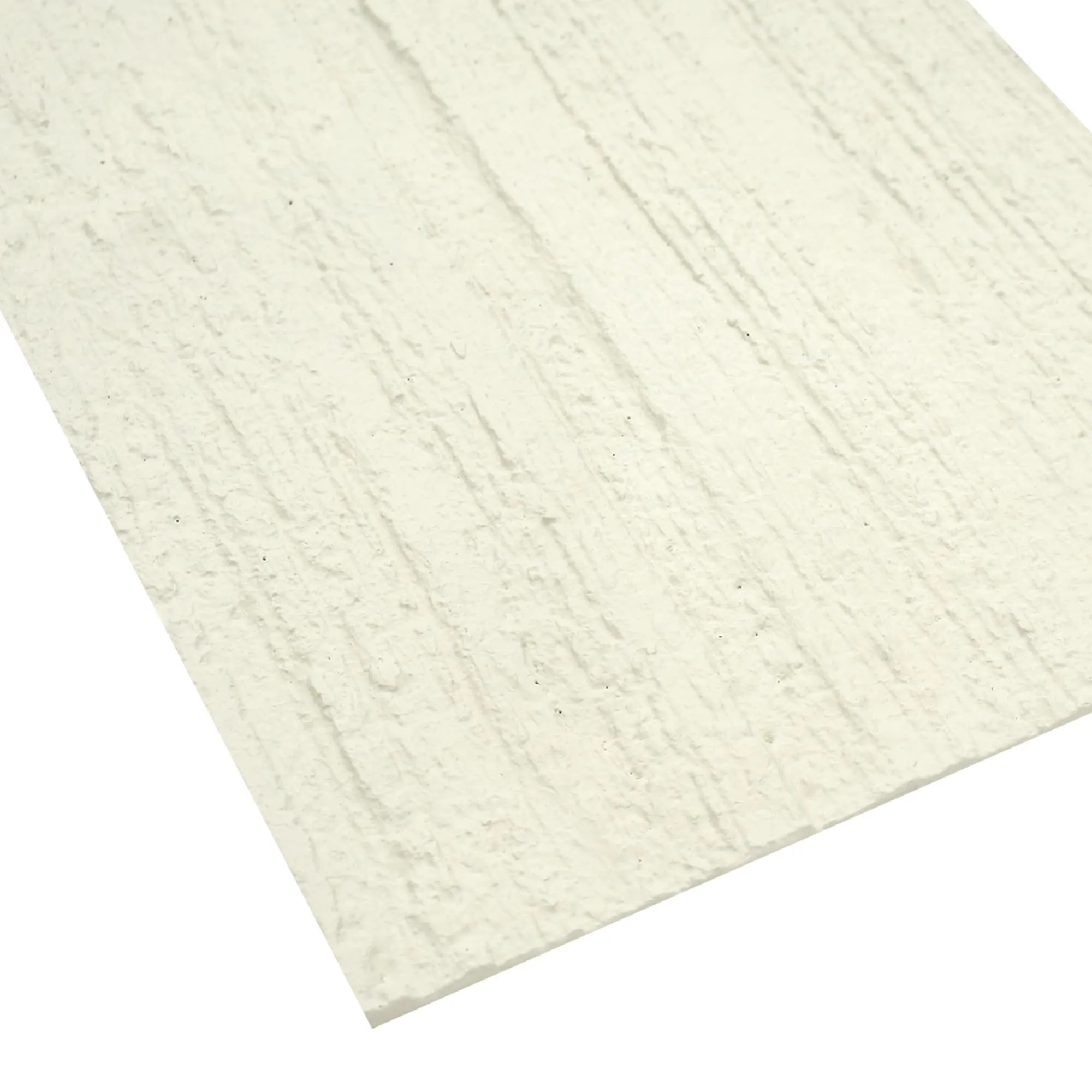
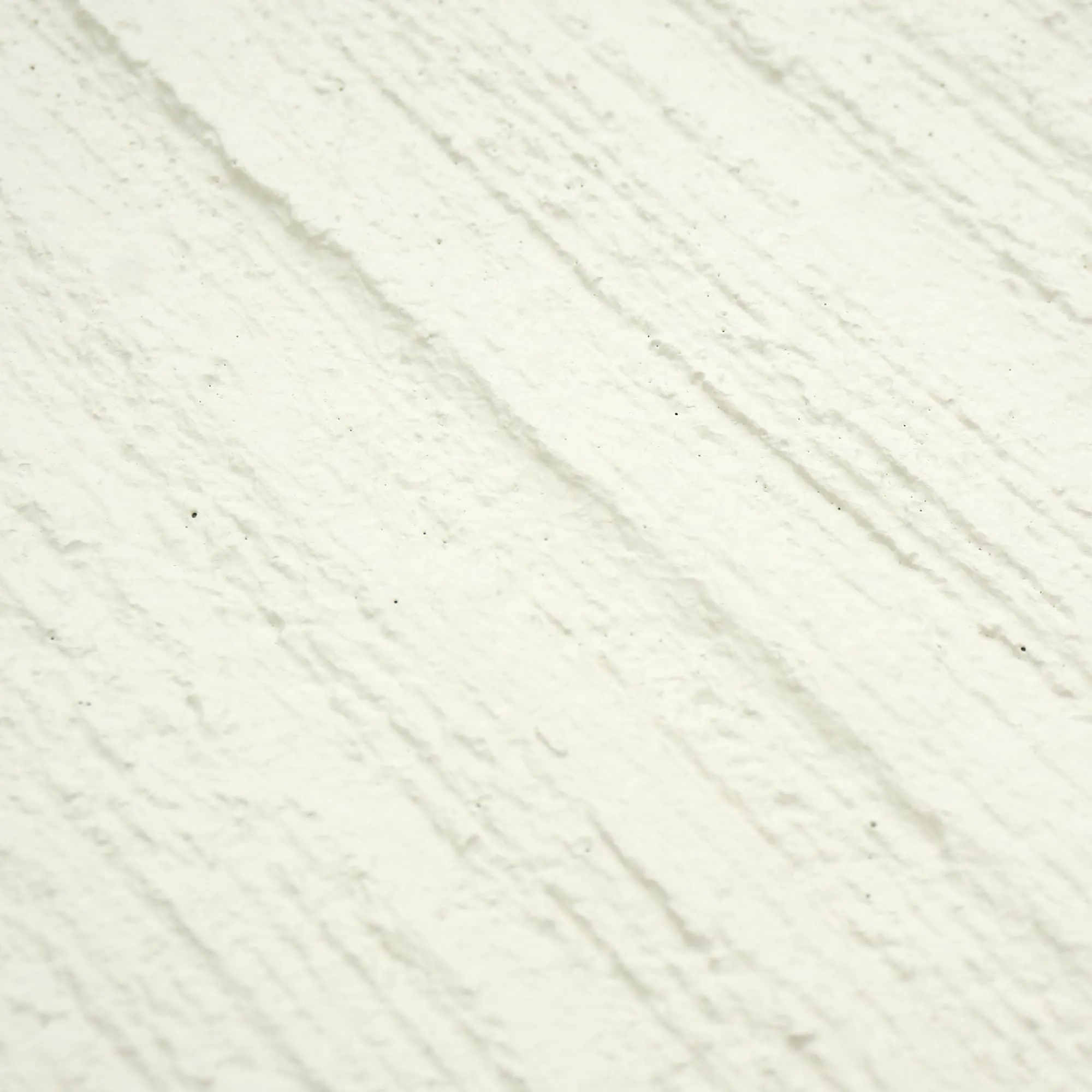
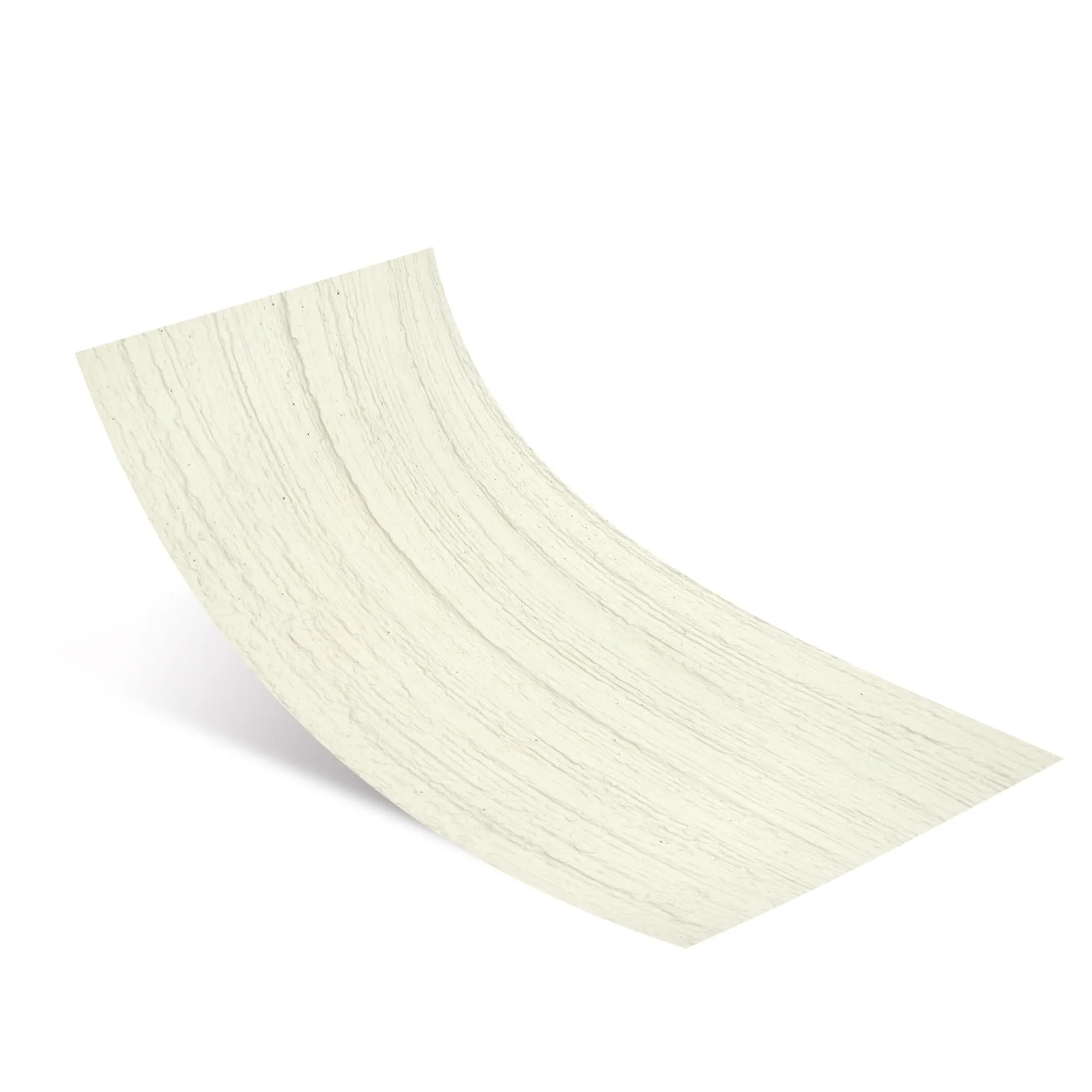
MCM materials are crafted from natural minerals and inorganic powders, modified and sintered at low temperatures. This process results in a material that is incredibly flexible, durable, and remarkably lightweight, all while maintaining the aesthetic appeal and tactile feel of natural stone, wood, or other textures. Gobi Panels leverage this technology to create large-format, ultra-thin, and resilient facade panels. They are a game-changer for
architectural interior and exterior wall decoration
.
"Gobi Panel, as part of our MCM Big Slab Board Series, isn't just another material; it's a commitment to innovation. We're delivering a product that offers unparalleled design freedom, significant weight reduction, and superior environmental performance for the most ambitious projects."
The Core Comparison: Weight and Structural Impact
Analyzing the Weight of Each Material
This is where the rubber meets the road. While ACPs are indeed lighter than many traditional materials, Gobi Panels take lightness to a whole new level.
-
Standard ACPs:
As mentioned, a typical 4mm ACP weighs approximately 5.5 to 8 kg/sqm.
-
Gobi Panels (MCM Big Slab Boards):
These panels, even in larger formats, can weigh as little as 3-6 kg/sqm for a 2.5-3mm thickness. The precise weight varies depending on the specific finish and composition, but consistently, they are significantly lighter than ACPs of comparable surface area coverage.
This difference, perhaps seemingly small on a per-square-meter basis, becomes monumental when scaled up to a high-rise building with thousands, or tens of thousands, of square meters of facade.
What Does This Weight Difference Mean for High-Rises?
Let's put this into perspective. Imagine a 50-story building with a facade area of 20,000 square meters.
-
Using ACPs (e.g., 6 kg/sqm average):
The total facade weight would be around 120,000 kg (120 metric tons).
-
Using Gobi Panels (e.g., 4 kg/sqm average):
The total facade weight would be around 80,000 kg (80 metric tons).
That's a staggering difference of 40 metric tons! This isn't just about saving a few kilos; it's about potentially reducing the overall dead load of the building by a substantial amount.
The implications of such a weight reduction are profound:
-
Foundation Design:
Lighter buildings require less robust foundations. This can translate into smaller concrete footings, reduced excavation, and quicker construction times, all leading to significant cost savings.
-
Structural Steel/Concrete Requirements:
With less load to support, the internal steel framework or concrete columns and beams can be designed with less material, further cutting costs and embodied carbon.
-
Logistics and Installation:
Lighter panels mean fewer crane lifts, smaller lifting equipment, and easier manual handling by crews, especially in complex, high-altitude installations. This directly impacts project timelines and safety.
-
Seismic Resilience:
In areas prone to earthquakes, a lighter building facade significantly reduces the inertial forces acting on the structure during ground motion. This can be a life-saving difference and often translates to less damage and quicker recovery post-quake.
Beyond Weight: A Holistic Comparison for High-Rises
Aesthetics and Design Flexibility
Architects are constantly pushing boundaries, and the facade is often the most expressive part of a high-rise.
-
ACPs:
Offer a smooth, modern aesthetic with a wide range of colors and metallic finishes. They are excellent for creating sleek, flat surfaces and sharp angles.
-
Gobi Panels (MCM):
Excel in mimicking natural textures. Imagine a high-rise clad in panels that look and feel like authentic granite, travertine, or even weathered wood, but without the weight or maintenance of these natural materials. This opens up entirely new design possibilities, allowing for sophisticated, organic aesthetics that were previously impractical for tall buildings. Our
customizable building solutions
allow architects to bring their boldest visions to life.
Durability and Performance
High-rise facades face extreme weather conditions, from intense UV radiation to strong winds and temperature fluctuations.
-
ACPs:
Generally durable, resistant to weathering, and maintain color stability. However, the core material can be a concern regarding fire safety (especially PE cores), and they can be susceptible to denting or delamination if improperly installed or impacted.
-
Gobi Panels (MCM):
Highly durable, UV-resistant, and exhibit excellent resistance to impact, abrasion, and freeze-thaw cycles. Their unique composition makes them inherently fire-resistant (Class A fire rating), a critical safety advantage for high-rises. They are also highly stable, resisting deformation even in extreme temperature shifts.
Sustainability and Environmental Impact
With growing awareness of climate change, the environmental footprint of building materials is a key consideration. COLORIA GROUP is committed to
green building materials
.
-
ACPs:
While aluminum is recyclable, the composite nature (aluminum + plastic core) can make recycling challenging and energy-intensive. Production also involves significant energy consumption.
-
Gobi Panels (MCM):
Are a truly green alternative. They are made from natural mineral powders, use low-temperature firing during production (significantly less energy than ceramics or traditional stone), and are often produced with recycled content. They are also fully recyclable at the end of their life cycle, contributing to a circular economy in construction. Their minimal weight also reduces transportation-related carbon emissions.
Installation and Maintenance
Ease of installation and long-term maintenance impact project costs and longevity.
-
ACPs:
Can be cut, routed, and folded to create precise cassette systems. Installation generally involves a sub-frame system.
-
Gobi Panels (MCM):
Extremely flexible and easy to cut on-site, reducing waste and allowing for precise fitting. Their light weight significantly eases handling and reduces installation time. Maintenance is also straightforward, typically requiring only routine cleaning. Their inherent durability means less frequent need for repairs or replacement.
A Detailed Comparison Table: Gobi Panel vs. ACPs for High-Rises
|
Feature
|
Gobi Panel (COLORIA GROUP's MCM)
|
Aluminum Composite Panels (ACPs)
|
|
Average Weight (per sqm)
|
Gobi Panel (COLORIA GROUP's MCM)">
3-6 kg (for 2.5-3mm thickness)
|
5.5-8 kg (for 4mm thickness)
|
|
Weight Advantage for High-Rises
|
Gobi Panel (COLORIA GROUP's MCM)">
Significantly lighter; reduces dead load by 20-50% compared to ACPs, leading to substantial structural savings.
|
Relatively lightweight compared to traditional materials, but heavier than MCM.
|
|
Aesthetic Variety
|
Gobi Panel (COLORIA GROUP's MCM)">
Exceptional realism for natural stone, wood, brick, concrete textures. Rich, tactile finishes. Custom patterns and 3D effects possible.
|
Smooth, metallic, solid colors, and some patterned finishes. Modern, sleek appearance.
|
|
Fire Safety Rating
|
Gobi Panel (COLORIA GROUP's MCM)">
Generally Class A (non-combustible), superior fire performance critical for high-rises.
|
Varies; PE core ACPs are flammable. FR core ACPs offer better resistance but are still composite.
|
|
Flexibility & Formability
|
Gobi Panel (COLORIA GROUP's MCM)">
Highly flexible, can be curved and shaped to fit complex architectural designs. Good for nuanced facades.
|
Can be routed and folded into cassettes, but limited in complex curvature without special fabrication.
|
|
Environmental Impact
|
Gobi Panel (COLORIA GROUP's MCM)">
Low energy consumption in production, made from natural minerals, recyclable, reduces transportation carbon due to lightness. Eco-friendly.
|
Aluminum is recyclable, but composite nature can make core recycling difficult. Higher embodied energy than MCM.
|
|
Durability & Longevity
|
Gobi Panel (COLORIA GROUP's MCM)">
Excellent resistance to UV, weathering, impact, abrasion, freeze-thaw. Long lifespan with minimal degradation.
|
Good resistance to weathering; can be prone to denting and potential delamination over very long periods or with poor quality control.
|
|
Installation Ease
|
Gobi Panel (COLORIA GROUP's MCM)">
Lightweight, easy to cut and handle on-site, faster installation, reduced labor and equipment costs.
|
Relatively straightforward with proper tools and skilled labor, but heavier than MCM.
|
|
Maintenance
|
Gobi Panel (COLORIA GROUP's MCM)">
Low maintenance, simple cleaning. Resilient surface reduces need for frequent repairs.
|
Low maintenance, simple cleaning. Damage can require panel replacement.
|
|
Cost Implications (Overall Project)
|
Gobi Panel (COLORIA GROUP's MCM)">
Initial material cost might be comparable or slightly higher than standard ACPs, but significant savings in structural design, foundation, installation labor, and long-term maintenance lead to lower total cost of ownership for high-rises.
|
Often seen as a cost-effective cladding solution initially. However, structural and safety considerations for high-rises might increase overall project costs compared to MCM.
|
COLORIA GROUP's Commitment: More Than Just Panels
At COLORIA GROUP, we don't just sell panels; we offer a comprehensive approach to building materials. As a dedicated
one-stop solution provider
, our expertise extends far beyond the product itself.
Global Presence & Local Expertise
With a global footprint and a strong presence, particularly with agents in Saudi Arabia, we bring decades of industry experience to every project. We understand the nuances of different markets and regulatory requirements.
Tailored Solutions
Every building is unique, especially high-rises. Our team works closely with architects, designers, and developers to provide customized solutions, from material selection to technical support, ensuring the perfect fit for your vision.
Innovation at Core
Our MCM series, including
Gobi Panel,
MCM Project Board Series, and even
MCM 3D Printing Series, is born from a continuous drive for innovation. We are constantly researching and developing new materials and applications to push the boundaries of what's possible in construction.
Sustainable Future
We believe in building for a better tomorrow. Our commitment to
green building materials
is unwavering, with MCM products leading the way in energy efficiency, resource conservation, and reduced environmental impact throughout their lifecycle.
Real-World Impact: Why Gobi Panel is the Future
The advantages of
Gobi Panel (
MCM Big Slab Board Series) in high-rise construction are not just theoretical; they translate directly into tangible benefits for project stakeholders:
-
For Developers:
Reduced structural costs, faster project completion, and enhanced market appeal through unique, sustainable facades. The long-term durability and low maintenance of MCM also contribute to lower operational costs, making the building more attractive to potential tenants or buyers.
-
For Architects:
Unprecedented design freedom. The ability to specify large, lightweight panels that emulate natural materials or feature custom 3D textures unlocks new creative possibilities for iconic high-rise designs. The flexibility of MCM allows for complex geometries and dynamic facades.
-
For Contractors:
Easier and safer installation. The reduced weight of Gobi Panels simplifies logistics, requiring less heavy machinery and fewer personnel for handling, particularly at great heights. This directly impacts safety records and project timelines.
-
For Building Owners:
A high-performance, aesthetically pleasing, and safe building that stands the test of time. The superior fire rating and resistance to extreme weather ensure longevity and peace of mind.
-
For the Environment:
A significant step towards sustainable construction. By choosing
green building materials
like Gobi Panel, projects contribute to reducing carbon footprints, conserving resources, and promoting healthier indoor and outdoor environments.
Case Study Snippet: High-Rise Project in the Middle East
Imagine a bustling urban center, where a new high-rise stands tall. Initially, ACPs were considered for the facade due to their perceived lightness. However, after engaging with COLORIA GROUP, the project team explored Gobi Panels. The transition resulted in a 30% reduction in facade dead load, allowing for a redesign of the foundation system that saved millions in concrete and steel. Furthermore, the architect was able to achieve a stunning, textured natural stone look that would have been impossible with traditional ACPs or prohibitively expensive and heavy with actual stone. The installation was quicker, and the project achieved a higher green building certification due to the MCM material's sustainable properties. This wasn't just about weight; it was about smart, integrated solutions.
The Verdict: Gobi Panel Takes the Lead
So, which is lighter for high-rises,
Gobi Panel or Aluminum Composite Panels? The answer is clear:
Gobi Panel, COLORIA GROUP's innovative MCM material, holds a significant advantage in terms of weight. This weight difference isn't merely a statistic; it's a catalyst for more efficient, sustainable, and architecturally ambitious high-rise construction.
While ACPs have served the industry well, the demands of modern high-rise development—particularly the emphasis on structural efficiency, fire safety, and environmental stewardship—are shifting. Materials like
Gobi Panel offer a compelling alternative that not only meets but often exceeds these new benchmarks.
As a global
one-stop solution provider
, COLORIA GROUP is proud to offer the
MCM Big Slab Board Series, including products like
Gobi Panel, as a testament to our commitment to innovation. We're not just providing building materials; we're enabling architects and developers to build the future, one lightweight, beautiful, and sustainable panel at a time. For your next high-rise project, consider the transformative power of
Gobi Panel – where less weight means more possibilities.