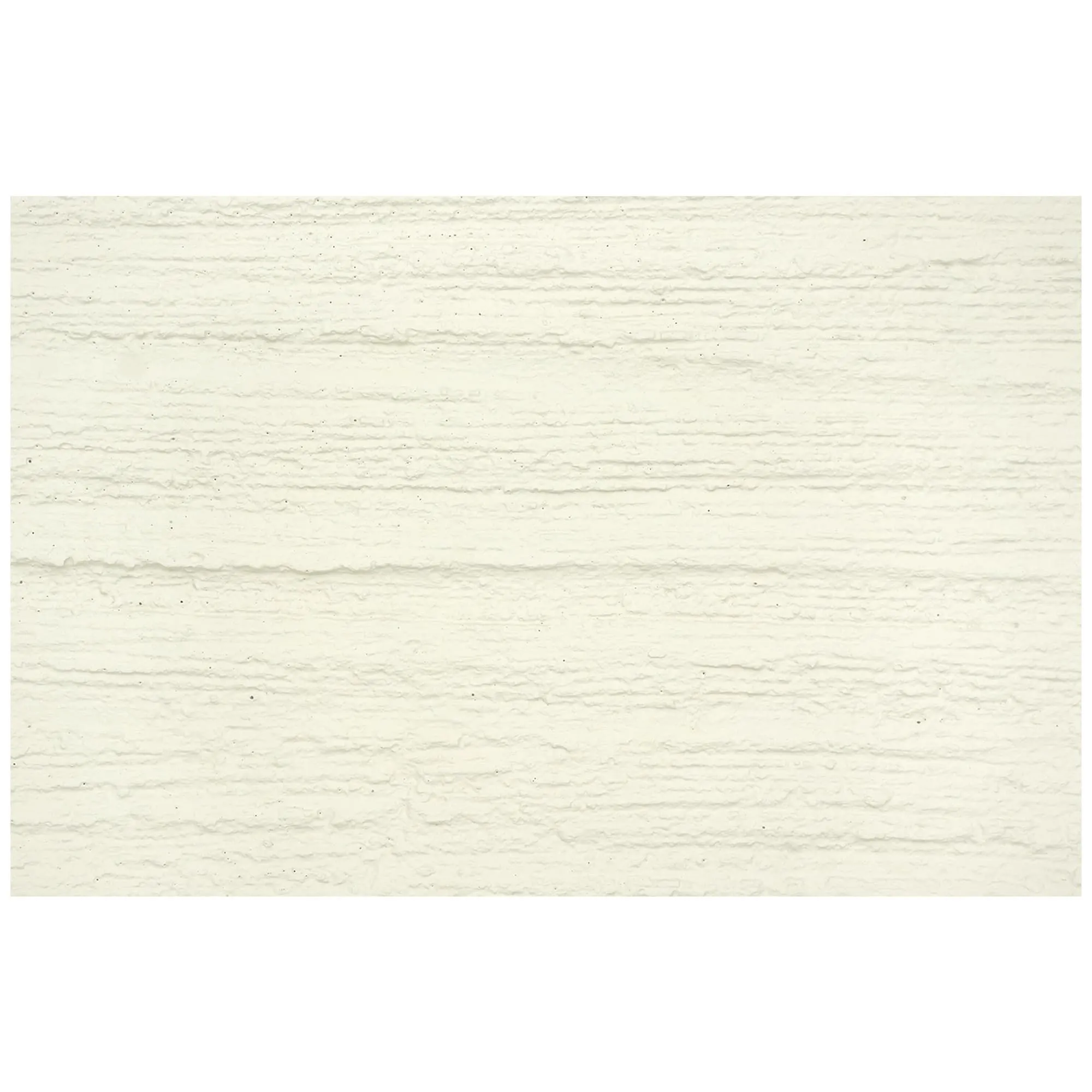
When you're planning an exterior wall project, whether it's for a cozy home or a sprawling commercial complex, one of the biggest questions that pops up is: "What material should I use?" And more importantly, "Which one will give me the best bang for my buck in the long run?" For years, ceramic tiles have been a go-to choice, known for their durability and aesthetic appeal. But in today's world, with rapid advancements in material science and a growing emphasis on sustainability and innovation, new contenders are emerging. One such game-changer gaining significant traction is
Gobi Panel, an advanced
MCM (Modified Cementitious Material)
product, brought to you by COLORIA GROUP.
This article isn't just about listing pros and cons; it's a deep dive into the true cost-effectiveness of these two prominent choices for your
exterior wall decoration
needs. We'll look beyond the initial purchase price and consider everything from installation complexities and long-term maintenance to environmental impact and design flexibility. As a dedicated
one-stop solution provider
, COLORIA GROUP understands the intricate balance between quality, performance, and budget. So, let's peel back the layers and discover which material truly offers a superior investment for your building's facade.
Understanding the Contenders: Gobi Panel (MCM) and Ceramic Tiles
Before we pit them against each other, it's crucial to understand what each material brings to the table. This foundational knowledge will help us appreciate the nuances of our cost-effectiveness comparison.
What is Gobi Panel (MCM)? A Revolutionary Approach
Gobi Panel represents the cutting edge of building materials. As an
MCM (Modified Cementitious Material)
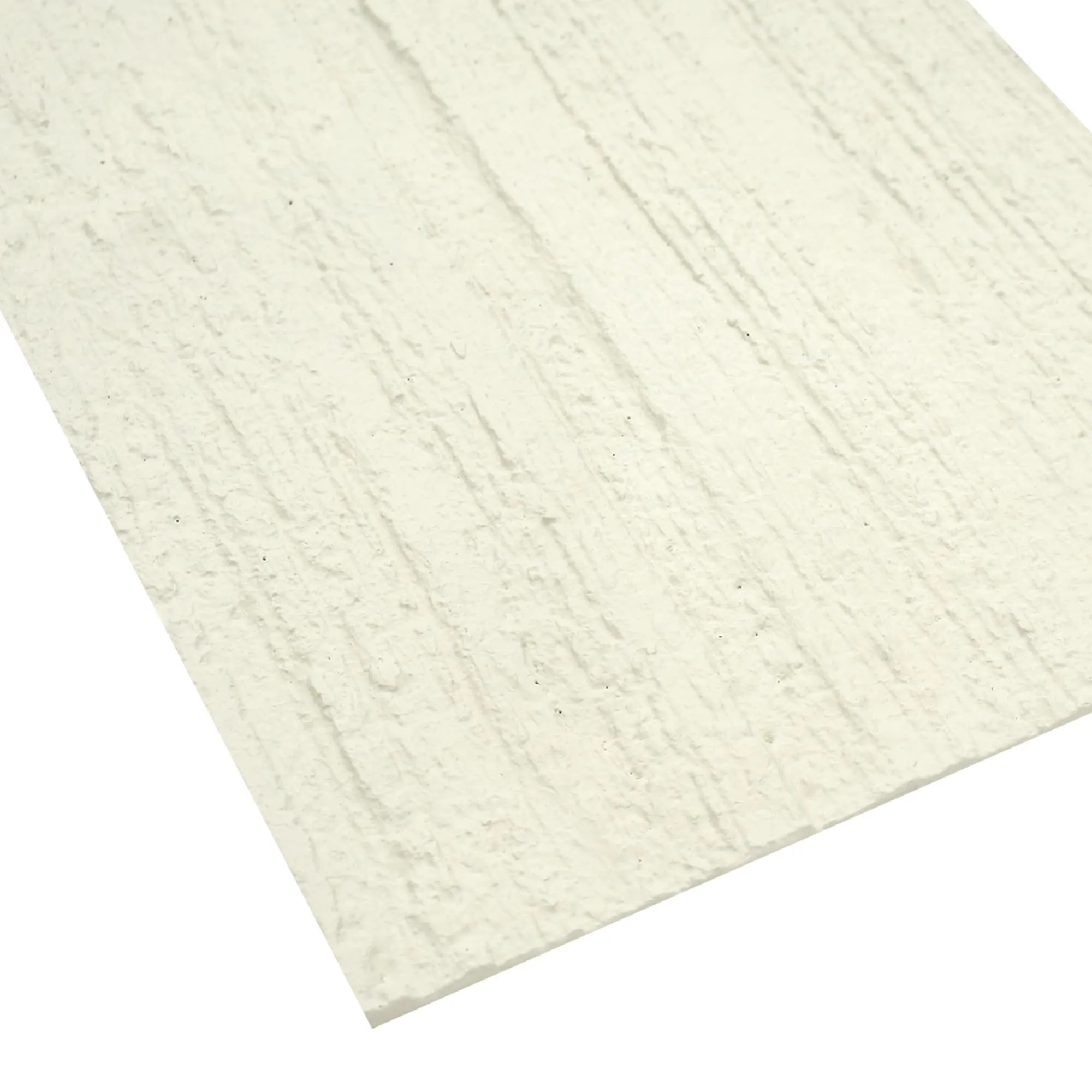
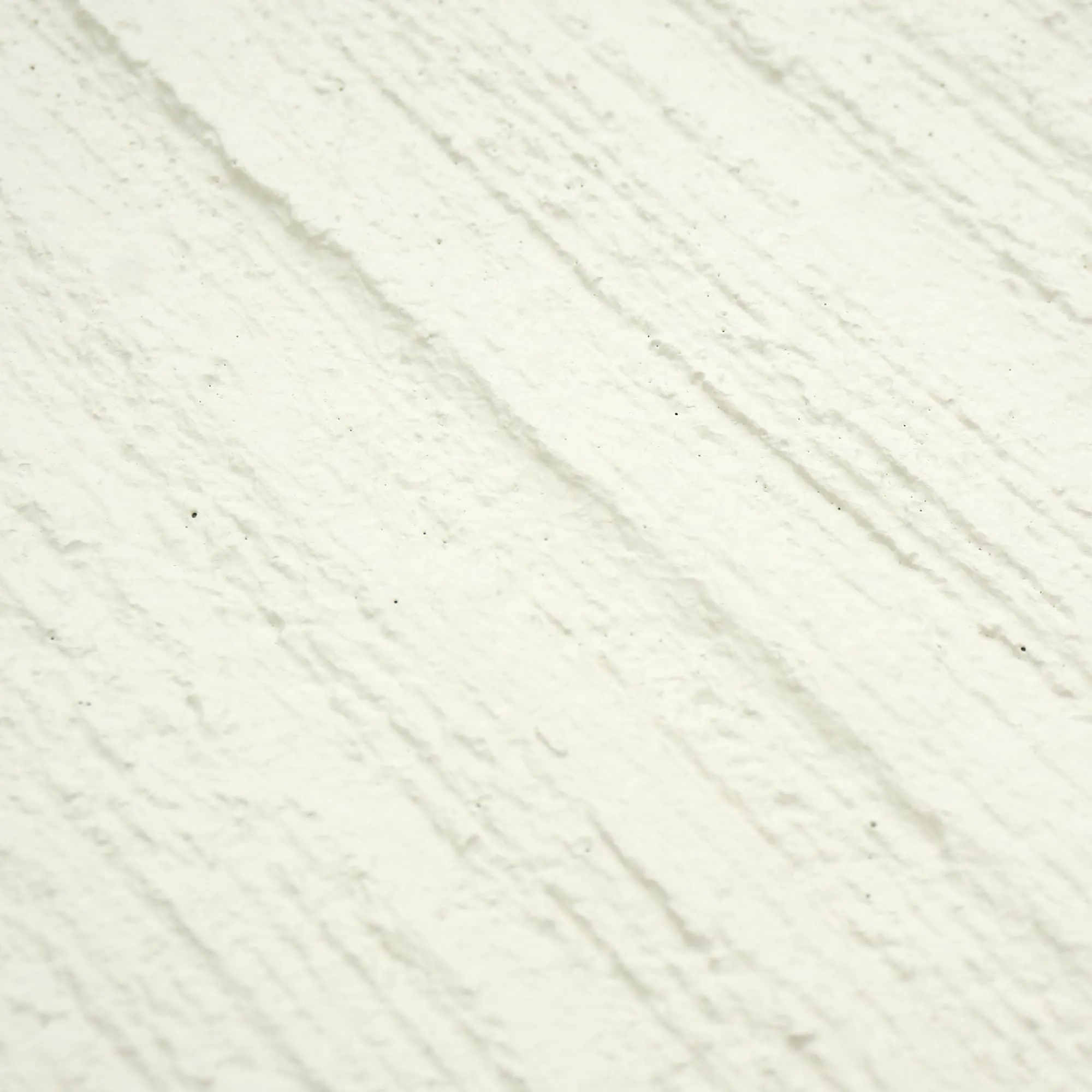
, it's not a traditional tile, nor is it a simple plaster. Instead, it's an innovative composite material crafted from inorganic minerals, natural aggregates, and a small percentage of polymeric binders. The result is a highly flexible, incredibly durable, and remarkably versatile material that can mimic the look and feel of various natural substances like stone, wood, brick, and even metal, all while being significantly lighter and more adaptable.
COLORIA GROUP's
Gobi Panel comes in various forms, including the popular
MCM Big Slab Board Series
and
MCM Project Board Series
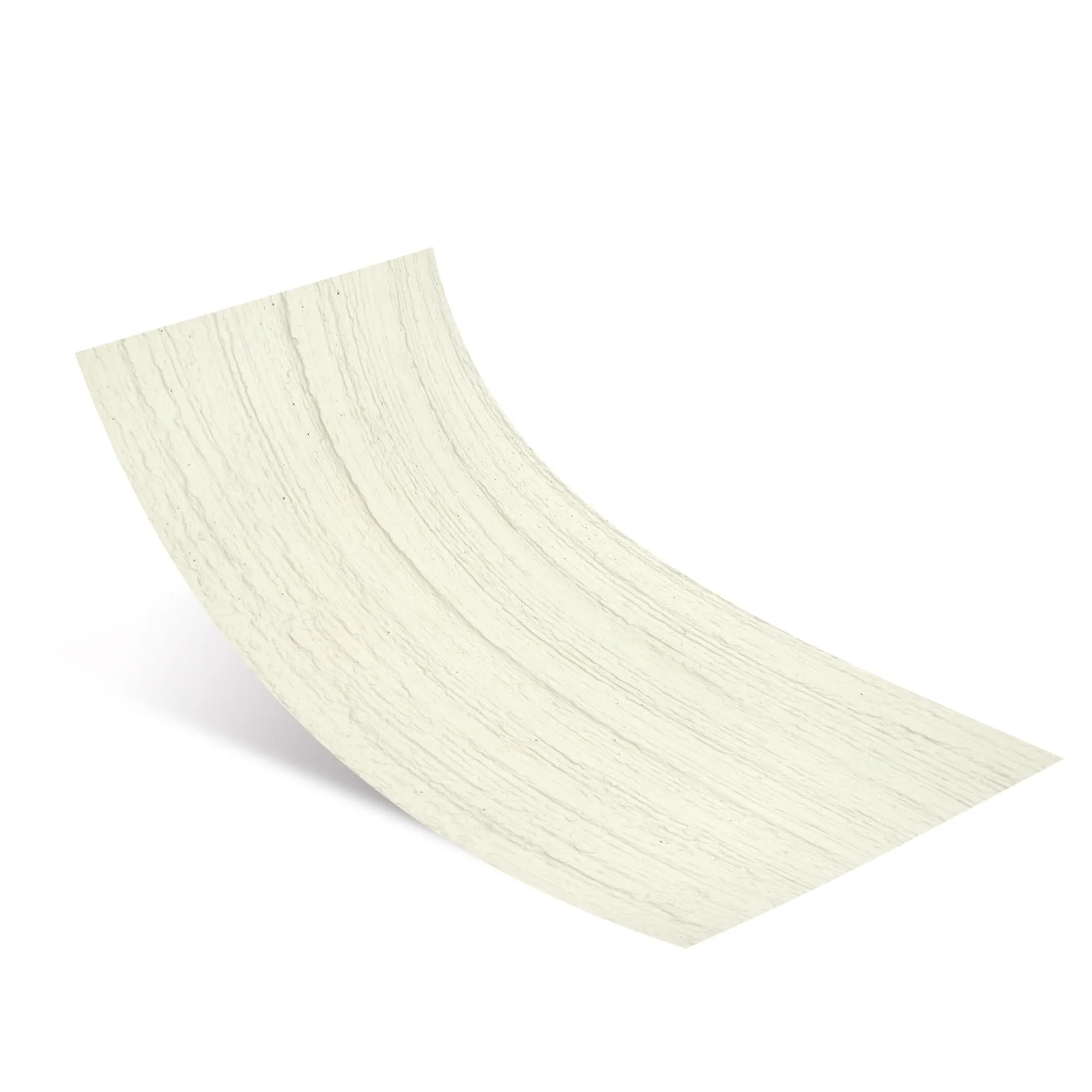
, tailored for different architectural scales and demands. What sets MCM apart is its manufacturing process. It uses a low-temperature baking and curing method, which drastically reduces energy consumption compared to traditional ceramic firing. This process also contributes to its inherent flexibility, making it less prone to cracking from building movement or temperature fluctuations. The materials are often sourced locally, minimizing transportation costs and carbon footprint, aligning perfectly with modern sustainability goals.
Furthermore, MCM materials like
Gobi Panel are designed with sustainability at their core. They are generally composed of recycled or natural raw materials, are free from harmful chemicals, and are fully recyclable at the end of their life cycle. This commitment to being
green and environmentally friendly
isn't just a buzzword; it's a fundamental aspect of their engineering, offering tangible benefits for both the planet and the occupants of the building. Their composition makes them breathable, helping regulate internal temperatures and potentially reducing HVAC loads.
What are Ceramic Tiles? The Traditional Standard
Ceramic tiles, on the other hand, are a long-established building material. They are typically made from clay, feldspar, quartz, and other natural materials, mixed with water and fired at extremely high temperatures in a kiln. This high-temperature firing process gives them their characteristic hardness, density, and resistance to water and abrasion. For centuries, ceramic tiles have adorned the facades of buildings worldwide, valued for their robustness and a wide array of designs and finishes.
Their composition makes them non-porous (especially glazed varieties), offering excellent protection against moisture penetration. They are also known for their color stability, resisting fading even under prolonged exposure to sunlight. However, the manufacturing process for ceramic tiles is energy-intensive, requiring high temperatures and substantial resources. While durable, their inherent rigidity can be a drawback, making them susceptible to cracking under stress from building settlement or thermal expansion and contraction, which are common challenges in exterior applications.
The Cost-Effectiveness Showdown: Gobi Panel vs. Ceramic Tiles
Now, let's get down to the nitty-gritty: cost-effectiveness. This isn't just about the price tag on the material. It encompasses a holistic view of expenses, savings, and value over the entire lifespan of the building facade.
1. Material Cost & Purchase Price
At first glance, the per-square-foot price of
Gobi Panel might sometimes appear comparable to or slightly higher than standard ceramic tiles, especially for basic tile options. However, this initial comparison can be misleading.
Gobi Panel:
The cost of
Gobi Panel varies depending on the specific series (e.g.,
MCM Big Slab Board Series
vs.
MCM Project Board Series
), the complexity of the design, and the level of
customization
involved. For finishes that mimic high-end natural stone or unique textures,
Gobi Panel often provides a more affordable alternative to the genuine article. Its larger slab formats can also reduce the number of individual pieces needed, potentially impacting per-unit cost efficiency for large projects. When considering premium aesthetic finishes,
Gobi Panel frequently offers a significant cost advantage.
Ceramic Tiles:
The price range for ceramic tiles is vast, from very inexpensive standard options to high-end, intricately designed artisanal tiles. For basic, mass-produced ceramic tiles, the initial material cost might seem lower. However, if you're aiming for a specific look, such as large format tiles, porcelain tiles with complex patterns, or those designed to withstand extreme weather, the price can quickly escalate, sometimes surpassing that of advanced MCM materials. Moreover, the weight of ceramic tiles often translates to higher shipping costs, particularly for projects requiring materials to be transported over long distances, which can add a hidden layer to the initial purchase price.
Verdict on Material Cost:
While basic ceramic tiles might offer a lower entry point, for projects demanding specific aesthetic qualities, large formats, or enhanced performance,
Gobi Panel often presents a more competitive and value-driven initial material cost. Its flexibility in mimicking expensive natural materials at a fraction of the cost makes it a compelling choice for projects with ambitious design goals but constrained budgets.
2. Installation Costs and Time
Installation is where the true cost-effectiveness of an exterior facade material often becomes apparent. Labor is a significant expense in any construction project, and materials that simplify and speed up installation can lead to substantial savings.
Gobi Panel:
This is a major advantage for MCM materials.
Gobi Panel is incredibly lightweight – often 1/6th to 1/10th the weight of traditional ceramic tiles or natural stone. This lightness translates directly into reduced labor requirements for handling and lifting. Installers can typically work faster, cover more area in a day, and require fewer heavy-duty tools or support structures. Its flexibility also means it can be applied directly over existing surfaces in many cases, eliminating the need for extensive substrate preparation or removal of old materials, thereby saving both time and demolition costs. The application process, often involving a specialized adhesive, is relatively straightforward and less prone to errors compared to tile setting. Additionally, the ease of cutting and shaping
Gobi Panel on-site minimizes waste and simplifies complex architectural details, further streamlining the installation process. Its large formats, such as those in the
MCM Big Slab Board Series
, mean fewer joints and quicker coverage for vast exterior surfaces.
Ceramic Tiles:
Installing ceramic tiles, especially for exterior applications, is a labor-intensive process. Their weight necessitates robust handling, and their rigidity means precise cutting and meticulous leveling are crucial. Each tile needs to be individually set with mortar or adhesive, ensuring proper grout lines and uniform adhesion to prevent cracking or detachment. This process is time-consuming and requires skilled labor, driving up labor costs significantly. Furthermore, the preparation of the substrate must be impeccable to ensure proper bonding and longevity. Any irregularities in the wall surface will require extensive patching or leveling before tile installation can begin. For large-format ceramic tiles, specialized lifting equipment and more installers might be needed, further increasing the overall installation expenditure and project timeline.
Verdict on Installation:
Gobi Panel almost universally wins in this category. The reduced weight, flexibility, and simplified installation process lead to significantly lower labor costs and faster project completion times. This translates into considerable savings that often outweigh any minor difference in initial material cost.
3. Structural Impact and Building Costs
The weight of your chosen facade material has a direct impact on the structural requirements of the building, which in turn affects overall construction costs.
Gobi Panel:
Due to its extremely light weight,
Gobi Panel places minimal stress on the building's structural frame. This means that for new constructions, you might be able to reduce the size or complexity of the foundational and structural elements, leading to savings in concrete, steel, and labor. For renovation projects, it's often possible to apply
Gobi Panel without needing to reinforce the existing structure, avoiding costly and disruptive structural upgrades. This lightweight advantage is particularly beneficial for high-rise buildings where every kilogram added to the facade translates to immense structural load at the base.
Ceramic Tiles:
The considerable weight of ceramic tiles, especially thicker or larger formats, necessitates a more robust structural design. This can mean thicker foundations, stronger beams, and more substantial load-bearing walls, all of which add to the material and labor costs of the primary structure. In renovation scenarios, applying heavy ceramic tiles might require expensive structural assessments and potentially significant reinforcement work, which can derail a project's budget and timeline. The dead load applied by ceramic tiles must be carefully calculated and accommodated, often increasing the overall expense of the entire building envelope.
Verdict on Structural Impact:
Gobi Panel offers a clear advantage here. Its lightness significantly reduces the structural burden on the building, potentially leading to substantial savings in foundational and structural engineering costs, especially for new builds and extensive renovations.
4. Maintenance and Longevity
The long-term cost of a facade material isn't just about how much it costs to put up, but how much it costs to keep looking good and performing well over its lifespan.
Gobi Panel:
MCM materials are designed for durability and low maintenance. They are inherently resistant to fading, UV damage, and extreme weather conditions. The flexible nature of
Gobi Panel means it's far less susceptible to cracking from thermal expansion, contraction, or minor building movements, which are common causes of damage in rigid facade materials. Cleaning is typically straightforward, often requiring just water and mild detergent. The material is also hydrophobic to some extent, resisting water absorption and preventing mold or mildew growth. Its color is integrated into the material itself, ensuring long-lasting vibrancy without the need for frequent repainting or recoating. Any potential damage, while rare, is often easier and more cost-effective to repair due to the material's workability and uniform composition. COLORIA GROUP, as a
one-stop solution provider
, also offers guidance and products for long-term care, ensuring your investment is protected.
Ceramic Tiles:
While durable, ceramic tiles do have specific maintenance requirements and vulnerabilities. Grout lines, a necessary component of tile installation, are often the weakest point. They can crack, degrade, and become susceptible to mold, mildew, and efflorescence, requiring regular cleaning, re-grouting, or sealing. Individual tiles can crack or detach due to building movement, improper installation, or impact. Replacing a single cracked or detached tile can be a complex and costly affair, often requiring specialized tools and skills to carefully remove the damaged tile without affecting surrounding ones. Over time, the aesthetics of ceramic tiles can be affected by dirt accumulation in grout lines or chipping, which can necessitate extensive cleaning or partial replacement to maintain the facade's appearance. The high-gloss finish of some ceramic tiles can also show scratches or imperfections more readily over time.
Verdict on Maintenance:
Gobi Panel generally offers lower long-term maintenance costs. Its flexibility, inherent resistance to common facade issues, and seamless appearance (due to fewer grout lines) minimize the need for costly repairs and intensive upkeep, making it a more economical choice over the building's lifecycle.
5. Energy Efficiency and Environmental Impact
In an era focused on sustainability, the environmental footprint and energy performance of building materials are critical aspects of cost-effectiveness, impacting both utility bills and regulatory compliance.
Gobi Panel:
This is where MCM truly shines. Its manufacturing process is significantly less energy-intensive than that of ceramic tiles, using lower temperatures and fewer resources.
Gobi Panel itself is often made from recycled materials and natural minerals, making it a highly
green and environmentally friendly
product. It is breathable and can contribute to better thermal regulation of the building. While not an insulator in itself, its properties can complement insulation systems, helping to reduce energy consumption for heating and cooling. The reduced weight also means lower energy consumption during transportation. Furthermore, its long lifespan and low maintenance requirements reduce the need for frequent replacements, minimizing waste. At the end of its life, MCM is often recyclable, furthering its eco-credentials.
Ceramic Tiles:
The production of ceramic tiles is energy-intensive due to the high-temperature kilns required for firing. This process consumes substantial amounts of fossil fuels and can release greenhouse gases. While made from natural materials, the extraction of these raw materials can have an environmental impact. Their rigidity doesn't contribute significantly to thermal regulation, and in some cases, certain types of ceramic can absorb and radiate heat, potentially increasing cooling loads in hot climates if not properly integrated with insulation. Although durable, damaged ceramic tiles often end up in landfills, as recycling options can be limited and costly.
Verdict on Energy & Environment:
Gobi Panel is the clear winner in terms of environmental impact and potential contributions to building energy efficiency. Its sustainable manufacturing, material composition, and contribution to reduced lifecycle costs position it as a superior choice for environmentally conscious projects and for meeting green building certifications. This translates into indirect cost savings through reduced energy bills and potential eligibility for environmental incentives.
6. Design Flexibility and Customization
The ability of a material to adapt to diverse architectural visions without significantly increasing costs is a crucial factor, especially for projects aiming for unique aesthetics.
Gobi Panel:
Design flexibility is a core strength of MCM.
Gobi Panel can be molded and textured to replicate virtually any natural material – from the rugged beauty of natural stone to the warmth of timber, the sleekness of metal, or the rustic charm of brick. This versatility means architects and designers have immense freedom to achieve their desired aesthetic without being constrained by the limitations or high costs of traditional materials. Furthermore,
Gobi Panel offers incredible
customization
options in terms of color, texture, and size, including the large formats of the
MCM Big Slab Board Series
. This allows for bespoke designs that truly stand out, often at a fraction of the cost of fabricating such custom elements from conventional materials. Its ability to be cut and shaped easily on-site further enhances design adaptability for complex facades or challenging architectural curves.
Ceramic Tiles:
Ceramic tiles offer a wide range of colors, patterns, and sizes. However, they are inherently rigid and cannot be easily molded or shaped into complex forms. Achieving custom textures or specific natural material replicas can be very expensive, often requiring specialized production runs. While large format tiles exist, they still adhere to a rigid, planar form. For truly unique or curved designs, ceramic tiles can present significant limitations, often requiring complex and costly cutting, mosaic work, or compromises in the original design vision. The grout lines, while sometimes a design element, can also be a visual limitation for seamless aesthetic aspirations.
Verdict on Design Flexibility:
Gobi Panel offers unparalleled design flexibility and
customization
options. It empowers architects and designers to realize ambitious visions without incurring exorbitant costs, making high-end aesthetics accessible for a wider range of projects.
7. Repair and Replacement Costs
Accidents happen, and materials can get damaged. The ease and cost of repairing or replacing a section of the facade can significantly impact long-term cost-effectiveness.
Gobi Panel:
If a section of
Gobi Panel were to be damaged, repair is often straightforward. Smaller imperfections can sometimes be blended with specialized repair kits. For larger damages, individual panels can be removed and replaced relatively easily due to their lightweight nature and adhesive-based application. Since the color and texture are consistent throughout the material, a new panel will seamlessly integrate with the existing facade. The material's flexibility also reduces the likelihood of widespread cracking from a localized impact, often containing damage to a smaller area.
Ceramic Tiles:
Replacing a single ceramic tile is notoriously difficult. It requires careful chiseling out of the old tile and grout without damaging adjacent tiles or the substrate. The process is slow, requires precision, and can be quite messy. Finding an exact match for an older tile, especially years down the line, can also be challenging or impossible, leading to aesthetic discrepancies. If water has penetrated behind the cracked tile, further damage to the substrate may have occurred, leading to more extensive and costly repairs.
Verdict on Repair:
Gobi Panel offers a more manageable and cost-effective approach to repairs and replacements, minimizing disruption and ensuring the aesthetic integrity of the facade can be restored with greater ease.
Comprehensive Cost-Effectiveness Comparison Table
To summarize our detailed analysis, here's a comparative table highlighting key aspects of cost-effectiveness for
Gobi Panel and Ceramic Tiles for
exterior wall decoration
.
|
Factor
|
Gobi Panel (MCM by COLORIA GROUP)
|
Ceramic Tiles
|
|
Initial Material Cost
|
Competitive, especially for high-end aesthetics or large formats. Offers value for customized designs.
|
Varies greatly; basic options can be cheaper, but premium/large formats can be expensive.
|
|
Installation Cost & Time
|
Significantly lower
due to lightweight, flexibility, and simplified application. Faster project completion.
|
Higher
due to weight, rigidity, need for skilled labor, and meticulous setting. Longer installation time.
|
|
Structural Impact
|
Minimal load on building structure. Can reduce foundation/frame costs in new builds; often no reinforcement needed in renovations.
|
Significant load requiring robust structural design, potentially increasing foundation/frame costs and requiring renovation reinforcement.
|
|
Long-Term Maintenance
|
Very low.
Resistant to cracking, fading, and easy to clean. Fewer grout issues.
|
Moderate to high. Grout deterioration, cracking, and detachment are common issues requiring periodic maintenance and repairs.
|
|
Energy Efficiency & Environment
|
High.
Low energy manufacturing,
green and environmentally friendly
materials, contributes to thermal regulation, often recyclable.
|
Lower. High energy manufacturing, limited thermal contribution, disposal can contribute to landfill waste.
|
|
Design Flexibility
|
Exceptional.
Replicates various materials, extensive
customization
in color, texture, size. Suitable for complex curves.
|
Good range of colors/patterns, but limited by rigidity and planar forms. Custom textures/shapes are costly.
|
|
Repair & Replacement
|
Easier and more cost-effective to repair or replace individual panels without disrupting adjacent areas.
|
Difficult, time-consuming, and potentially costly to replace individual tiles, often leading to aesthetic mismatches.
|
|
Overall Lifecycle Cost
|
Generally lower
due to savings in installation, structural design, maintenance, and energy.
|
Often higher due to elevated installation, potential structural upgrades, and ongoing maintenance/repair expenses.
|
Beyond the Numbers: Other Considerations for Your Project
While cost-effectiveness is paramount, there are other qualitative aspects that contribute to the overall value proposition of a facade material.
Aesthetics and Brand Image
The exterior of your building is its public face, a statement about its purpose and character.
Gobi Panel, with its ability to replicate sophisticated natural materials and offer extensive
customization
, allows for a truly unique and high-end aesthetic that can significantly enhance a building's brand image and perceived value. Imagine a commercial building with the stately appearance of natural stone, achieved with the flexibility and cost-effectiveness of MCM. Or a residential complex with the warm, inviting look of timber, without the associated maintenance headaches. The seamless finish and vast design options ensure that your
exterior wall decoration
can be as ambitious and distinctive as your vision. For COLORIA GROUP, our
Gobi Panel is not just a material; it's a medium for architectural expression that balances beauty with performance.
Project Timeline and Risk Management
Time is money in construction. The faster installation of
Gobi Panel translates directly into shorter project timelines, which can be critical for commercial ventures or for minimizing disruption in occupied areas. Furthermore, the inherent flexibility and lighter weight of
Gobi Panel reduce many common construction risks. Less heavy lifting means fewer on-site injuries. Less rigid material means fewer cracks from building settlement. Simpler installation reduces the chances of costly rework due to application errors. As a
one-stop solution provider
, COLORIA GROUP aims to simplify the entire procurement and installation process, reducing the complexities and risks associated with traditional facade materials. This integrated approach ensures a smoother project flow from concept to completion.
Future Trends and Building Codes
The global construction industry is moving towards more sustainable, energy-efficient, and resilient building practices. Materials like MCM are perfectly aligned with these future trends and increasingly stringent building codes. Investing in a
green and environmentally friendly
material like
Gobi Panel not only showcases your commitment to sustainability but also future-proofs your investment against evolving regulations and market demands for eco-conscious buildings. Its breathability and non-toxic composition contribute to healthier indoor environments, a growing concern for both residential and commercial property owners. Ceramic tiles, while timeless in some aspects, may struggle to meet the rising expectations for sustainable manufacturing and end-of-life considerations without significant innovation in their production processes.
Thermal Bridging and Insulation
When considering
exterior wall decoration
, it's essential to think about the building's thermal envelope. While neither
Gobi Panel nor ceramic tiles are primary insulators, their interaction with insulation systems is important.
Gobi Panel, being a thinner and lighter material, can be more easily integrated into advanced rain screen systems or over external insulation, minimizing thermal bridging and enhancing the overall thermal performance of the wall assembly. Its breathability also allows for moisture management within the wall, which is crucial for long-term durability and preventing issues like condensation and mold. Ceramic tiles, being denser and often requiring a more rigid attachment, can sometimes present challenges in creating a truly continuous thermal barrier without careful detailing, and their material properties don't inherently contribute to thermal regulation as effectively.
Acoustic Performance
While often overlooked, the acoustic performance of a facade material can contribute to the overall comfort and value of a building.
Gobi Panel, with its composition, can offer some degree of sound dampening, contributing to a quieter interior environment. This can be particularly beneficial for buildings located near busy roads, industrial areas, or airports. While ceramic tiles are dense and can block some sound, their rigidity might also reflect sound rather than absorb it, and their installation methods might not always optimize for acoustic benefits. This nuanced difference can play a role in the ultimate satisfaction of building occupants and, by extension, the building's long-term value.
Conclusion: Making the Smart Choice for Your Exterior Walls
The choice between
Gobi Panel and ceramic tiles for your
exterior wall decoration
is not a simple one. Both have their merits. Ceramic tiles have a proven track record, offering a traditional aesthetic and robust protection. However, when we look at the comprehensive picture of cost-effectiveness – encompassing initial material cost, installation expenses, structural implications, long-term maintenance, environmental impact, and design flexibility –
Gobi Panel emerges as the frontrunner.
Gobi Panel, an
MCM (Modified Cementitious Material)
from COLORIA GROUP, offers a compelling blend of innovation, sustainability, and economic advantage. Its lightweight nature drastically reduces installation time and labor costs, while its flexibility minimizes repair needs and extends lifespan. The extensive
customization
options empower designers to achieve stunning, unique facades that enhance a building's value and appeal, all while being a
green and environmentally friendly
choice.
As a
one-stop solution provider
, COLORIA GROUP is committed to delivering not just materials, but comprehensive facade solutions that meet the diverse needs of modern architecture. We believe that true cost-effectiveness is about more than just the lowest bid; it's about superior performance, lasting beauty, minimal hassle, and a positive impact, all delivered within your budget. For your next project, consider the long-term benefits and innovative edge that
Gobi Panel can bring. It's an investment that pays dividends, not just in aesthetics, but in enduring value and peace of mind.
Choose Gobi Panel for a smarter, more sustainable, and cost-effective exterior facade solution!