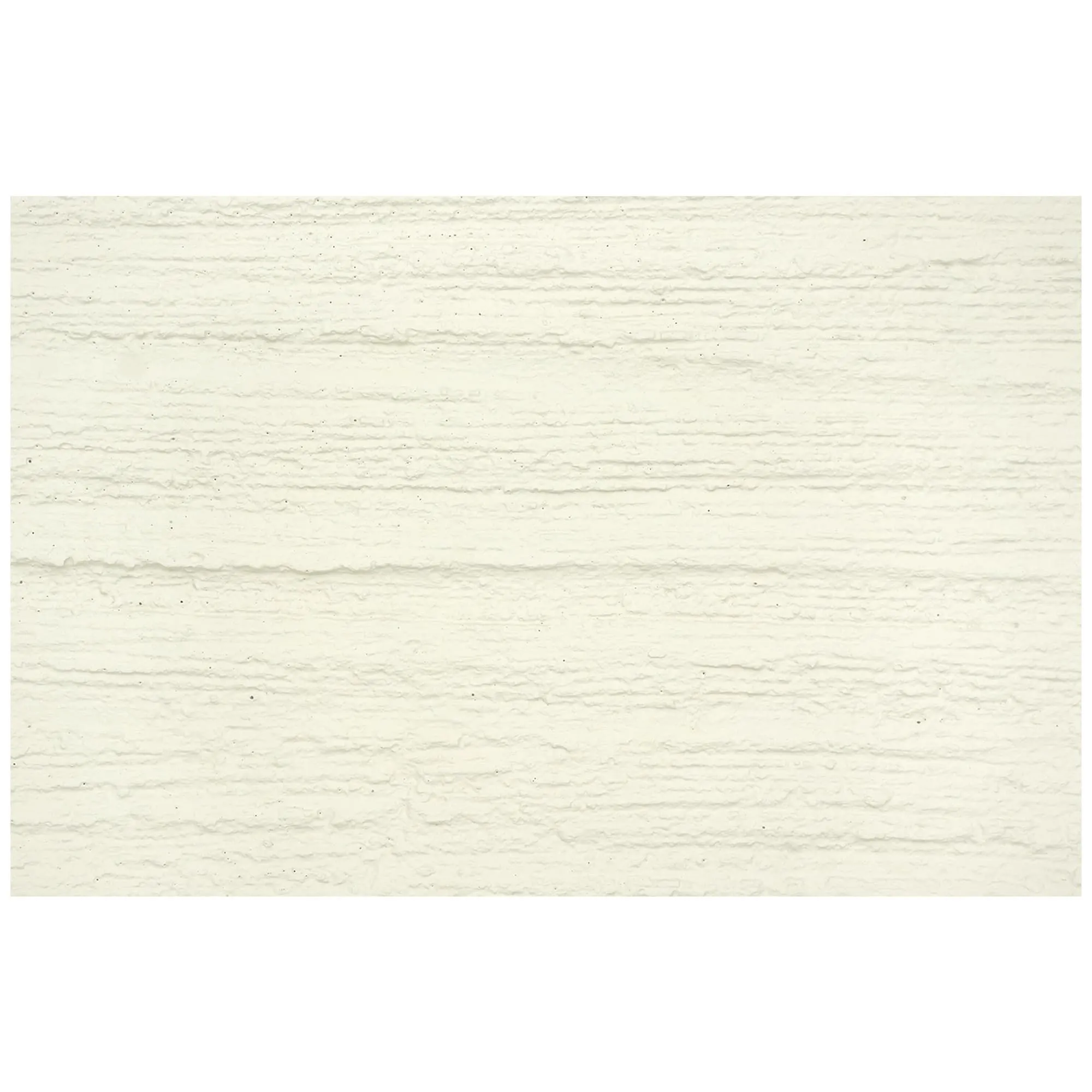
In the dynamic world of commercial architecture, selecting the right facade material is more than just an aesthetic choice; it's a critical decision that profoundly impacts a building's energy performance, operational costs, and environmental footprint. As a dedicated
one-stop solution provider
in architectural materials, COLORIA GROUP constantly explores and innovates to offer superior options. Today, we're diving deep into a comparison that's becoming increasingly relevant: Gobi Panel – a prime example from our
MCM Big Slab Board Series
– versus the ubiquitous glass curtain wall system. Our focus? Energy efficiency in commercial buildings, a topic that resonates across the
global market
, from bustling metropolises to the rapidly developing urban centers, like those in Saudi Arabia where our agents are actively supporting projects.
For decades, glass curtain walls have been the go-to for many commercial skyscrapers, celebrated for their sleek appearance, panoramic views, and ability to maximize natural light. However, their well-documented challenges in thermal performance and solar gain have pushed architects and developers to seek more
sustainable building materials
. This is where COLORIA GROUP's advanced MCM (Modified Cementitious Material) products, particularly our Gobi Panel, step onto the stage, offering a compelling alternative that doesn't just meet but often exceeds modern energy efficiency demands.
Understanding the Facade's Role in Energy Efficiency
The building facade acts as the primary interface between the indoor and outdoor environments. Its performance dictates how much heat enters or leaves the building, directly influencing the load on HVAC (heating, ventilation, and air conditioning) systems. An inefficient facade leads to higher energy consumption, increased operational costs, and a larger carbon footprint. Conversely, a high-performance facade minimizes energy transfer, creating a stable, comfortable indoor climate with reduced reliance on mechanical systems. This isn't just about saving money; it's about creating healthier, more productive indoor environments and contributing to broader sustainability goals.
Key Metrics for Energy Performance
-
U-Value (Thermal Transmittance):
This measures how well a building element prevents heat from passing through it. A lower U-value indicates better insulation and less heat transfer.
-
Solar Heat Gain Coefficient (SHGC):
This represents the fraction of solar radiation admitted through a window or facade component. A lower SHGC means less solar heat gain, which is crucial in hot climates to reduce cooling loads.
-
Thermal Mass:
The ability of a material to absorb and store heat energy. Materials with high thermal mass can help stabilize indoor temperatures by delaying heat transfer, crucial for both heating and cooling.
-
Air Infiltration/Exfiltration:
Uncontrolled air leakage through cracks and gaps in the facade can significantly impact energy performance, allowing conditioned air to escape and unconditioned air to enter.
-
Lifecycle Assessment (LCA):
Evaluating the environmental impact of a material from raw material extraction to disposal, including embodied energy.
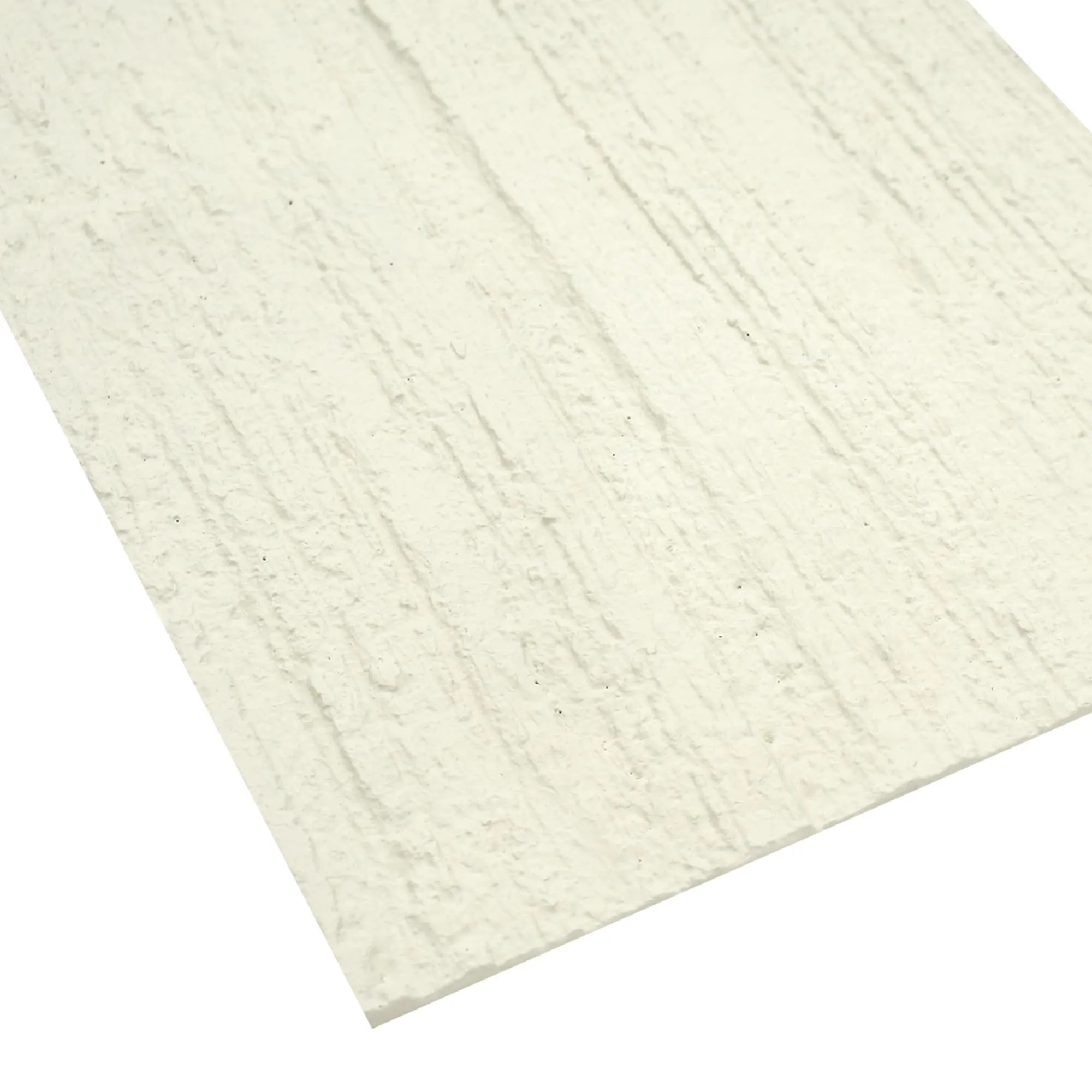
Glass Curtain Walls: The Transparent Challenge
Glass curtain walls offer undeniable aesthetic appeal and views, fostering a connection with the outside world. However, their inherent properties present significant energy efficiency hurdles:
-
High U-Values:
Even with modern double or triple glazing, the U-value of a typical glass curtain wall is generally much higher (i.e., worse insulation) than an opaque insulated wall assembly. Heat can easily pass through the glass, leading to significant heat loss in cold climates and heat gain in warm climates.
-
Solar Heat Gain:
While low-emissivity (Low-E) coatings can reduce SHGC, glass fundamentally allows solar radiation to penetrate. This often leads to overheating of interior spaces, particularly on south and west-facing facades, necessitating higher air conditioning loads.
-
Lack of Thermal Mass:
Glass has very little thermal mass. It heats up and cools down quickly, offering minimal buffering against external temperature fluctuations. This means indoor temperatures are highly susceptible to outdoor changes.
-
Glare and UV Exposure:
Excessive daylight can cause glare, requiring blinds or shades that then block views and natural light. UV radiation can also lead to material degradation inside the building.
-
Condensation Issues:
Single-pane glass, and even some double-pane systems, can be prone to condensation on interior surfaces in humid conditions, leading to moisture problems and potential mold growth.
-
Embodied Energy:
The production of glass, especially high-performance variants, can be energy-intensive, contributing to a higher embodied carbon footprint.
To mitigate these issues, glass curtain walls often require extensive supplementary systems like external shading devices, high-performance coatings, and robust HVAC systems, all of which add to initial costs and ongoing maintenance.
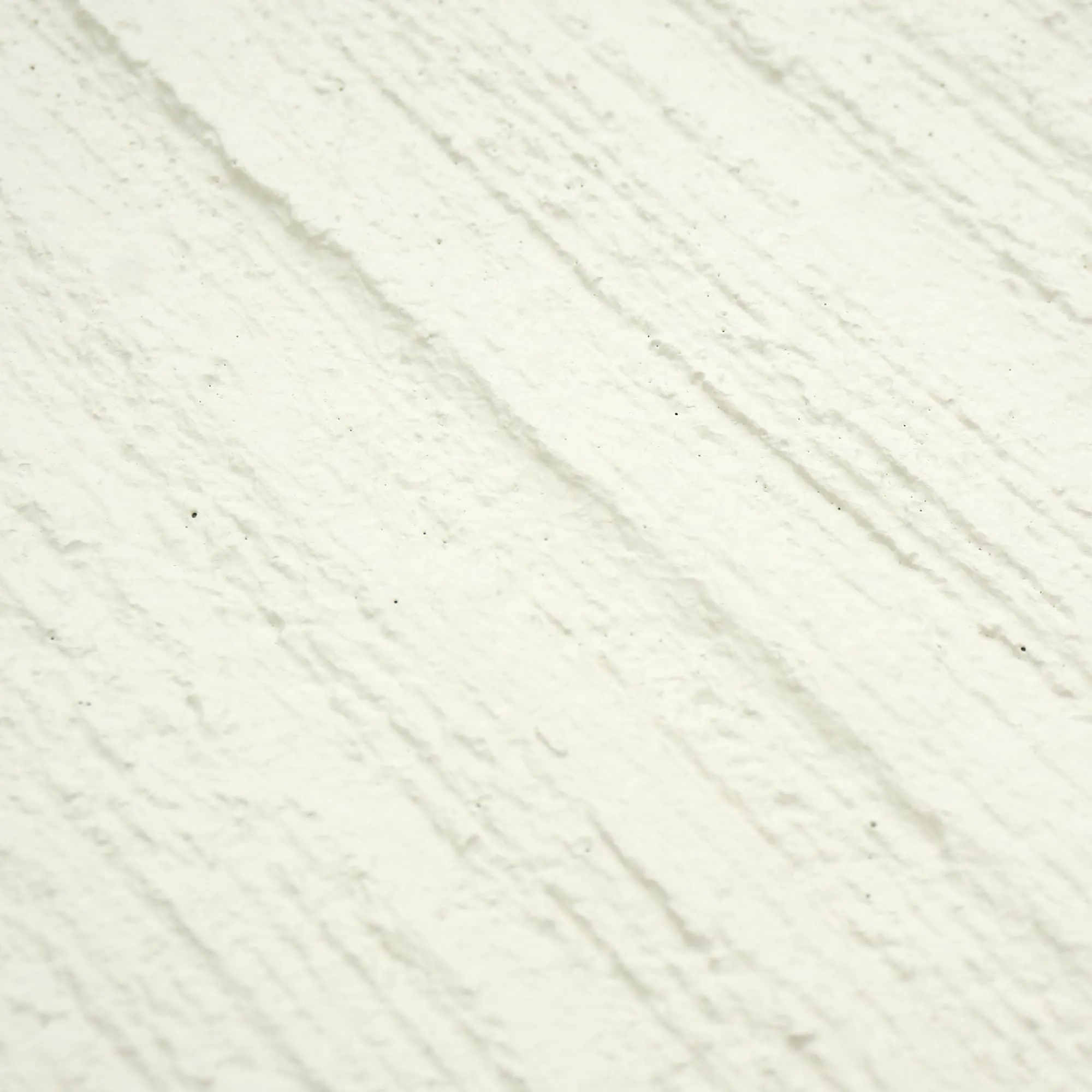
COLORIA GROUP's Gobi Panel, part of our innovative
MCM Big Slab Board Series
, offers a refreshing paradigm shift. As a
Modified Cementitious Material
, it redefines what's possible in facade design, focusing on performance, sustainability, and aesthetic flexibility.
-
Superior Insulation (Low U-Value):
Unlike glass, Gobi Panels are inherently opaque and can be integrated into highly insulated wall assemblies. This significantly reduces heat transfer, leading to excellent U-values. The material's composition allows for a continuous insulation layer behind it, virtually eliminating thermal bridging. This translates directly into lower heating and cooling demands for the building.
-
Minimal Solar Heat Gain:
Being opaque, Gobi Panels block direct solar radiation, effectively mitigating solar heat gain. This is a massive advantage in hot climates, as it drastically reduces the cooling load, allowing for smaller, more efficient HVAC systems.
-
Effective Thermal Mass:
While MCM itself is a relatively lightweight material, its integration into a solid, well-insulated wall system contributes positively to the building's overall thermal mass. This helps to absorb and release heat gradually, smoothing out internal temperature fluctuations and reducing peak loads on HVAC.
-
Excellent Air Tightness:
When properly installed, MCM panel systems create a highly airtight envelope. This minimizes uncontrolled air leakage, preventing the loss of conditioned air and infiltration of unconditioned air, a crucial factor in achieving optimal energy performance.
-
Environmental Friendliness and Embodied Energy:
Our MCM products are celebrated for their green and eco-friendly characteristics. They utilize natural raw materials, require less energy in production compared to many traditional facade materials, and generate minimal waste. This lower embodied energy significantly reduces the overall environmental impact of the building. This aligns perfectly with the growing demand for
sustainable building materials
.
-
Durability and Low Maintenance:
Gobi Panels are engineered for extreme durability, resisting weathering, UV degradation, and impacts. This longevity means fewer replacements and less maintenance, further reducing lifecycle costs and environmental impact associated with repairs and waste.
-
Design Flexibility and
Customization
:
While not transparent, MCM offers unparalleled design flexibility. Its ability to mimic various textures – from natural stone to wood or metal – combined with an extensive palette of colors, allows for incredible architectural
customization
. This means you don't sacrifice aesthetics for performance; you achieve both. Our
MCM Project Board Series
also exemplifies this versatility, catering to diverse project needs.
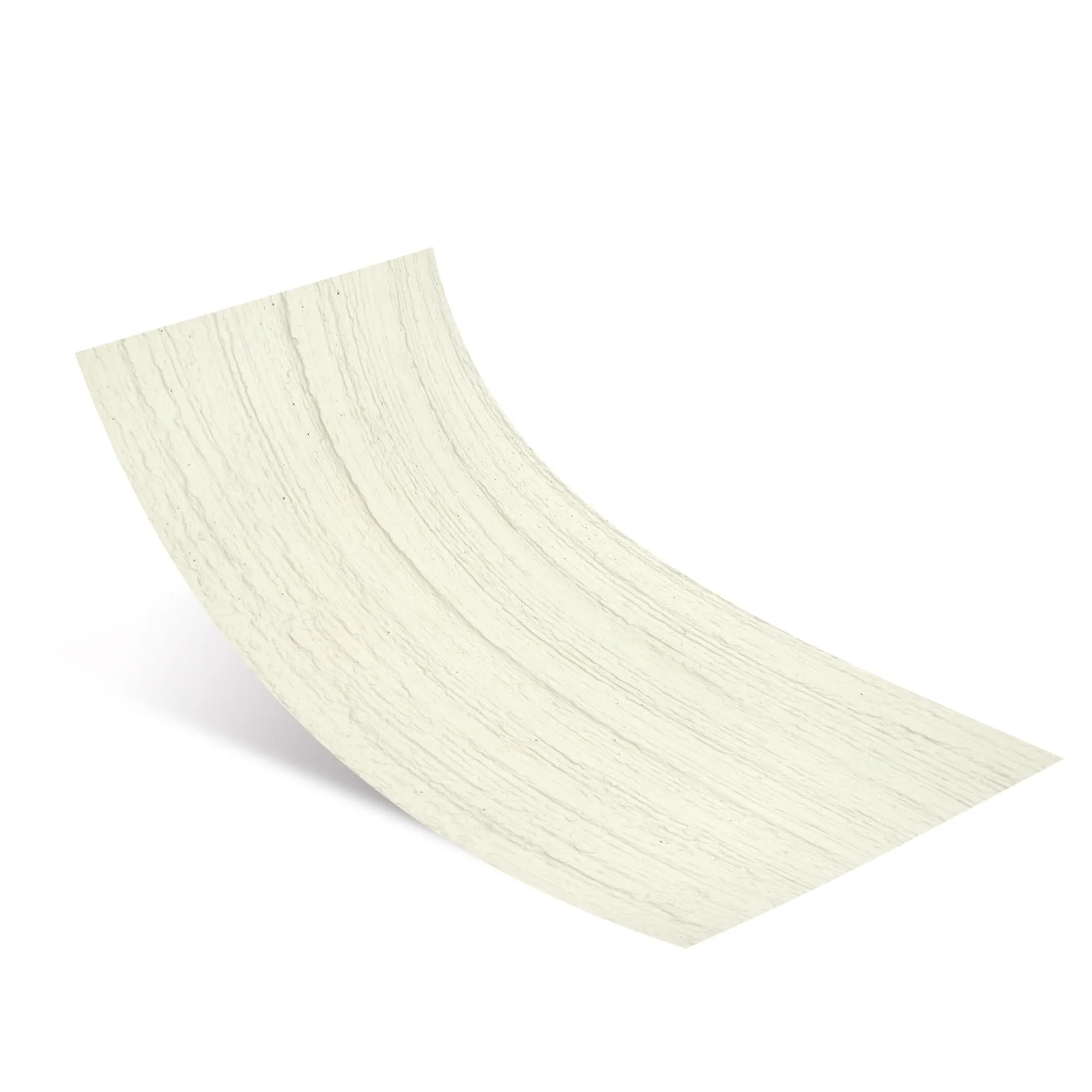
Detailed Comparison: Energy Efficiency Metrics
Let's break down the energy performance aspects in a more direct comparison.
Thermal Transmittance (U-Value)
*
Glass Curtain Walls:
Typically, a high-performance double-glazed unit with an argon fill and Low-E coating might achieve a U-value in the range of 1.5 - 2.0 W/(m²·K). Triple glazing can bring this down further, but at a higher cost and weight, often to around 0.8 - 1.2 W/(m²·K).
*
Gobi Panel (MCM Integrated Wall):
When integrated into a well-designed wall assembly with continuous insulation, a wall featuring our Gobi Panels can easily achieve U-values of 0.2 - 0.3 W/(m²·K) or even lower. This is a dramatic difference, indicating significantly superior insulating performance. The opaque nature of MCM panels allows for the installation of substantial insulation layers, creating a highly effective thermal barrier. This massive improvement in insulation directly reduces the energy required to maintain comfortable indoor temperatures, slashing heating and cooling costs.
Solar Heat Gain Coefficient (SHGC)
*
Glass Curtain Walls:
Low-E coatings can reduce SHGC to 0.2 - 0.4. However, even with these, significant solar energy still penetrates the building envelope. This necessitates continuous air conditioning during sunny periods, especially in areas with high solar exposure.
*
Gobi Panel (MCM):
As an opaque material, Gobi Panel essentially has an SHGC of 0 for the panel itself (excluding windows, which would be integrated separately). It effectively blocks solar radiation, preventing it from entering the building. This drastically minimizes solar heat gain, making it an ideal choice for facades facing direct sunlight, particularly in hot climates where cooling loads are dominant. The reduction in solar gain can lead to substantial savings in air conditioning energy and even allow for smaller, less expensive HVAC systems.
Air Infiltration
*
Glass Curtain Walls:
The complex nature of curtain wall systems, with numerous joints between glass panels and framing elements, often presents challenges in achieving perfect airtightness. Even minor deficiencies in sealing can lead to considerable air leakage, undermining overall energy efficiency. Thermal cycling and building movement can further exacerbate these issues over time.
*
Gobi Panel (MCM):
When applied as part of a well-engineered facade system, MCM panels contribute to a highly airtight building envelope. The installation techniques and seamless finishes achievable with our
MCM Big Slab Board Series
and
MCM Project Board Series
minimize gaps and joints, ensuring that conditioned air stays inside and unconditioned air stays outside. This controlled environment dramatically reduces energy waste associated with air leakage and improves indoor air quality.
Thermal Bridging
*
Glass Curtain Walls:
The metal framing systems used in glass curtain walls are often highly conductive, creating thermal bridges where heat can easily bypass the insulating glass units. These bridges can significantly reduce the overall thermal performance of the facade, leading to localized cold spots and increased heat transfer.
*
Gobi Panel (MCM):
Facade systems utilizing Gobi Panels are typically designed to minimize or eliminate thermal bridging. The opaque nature of the wall allows for continuous insulation layers that envelop the structural elements, creating a homogeneous thermal barrier. The attachment systems for MCM panels are often designed to be thermally broken, further preventing heat from escaping or entering through the framing components.
Moisture Management and Durability
*
Glass Curtain Walls:
While modern glass systems incorporate sophisticated drainage, issues can arise from sealant degradation, improper installation, or extreme weather, leading to moisture penetration and potential damage to interior finishes or mold growth. The constant exposure to UV can degrade sealants over time, requiring periodic maintenance.
*
Gobi Panel (MCM):
Our MCM materials, including
MCM Flexible Stone
, are inherently resistant to moisture, UV, and harsh weather conditions. They do not rot, corrode, or degrade under typical environmental stressors. The systems are designed for robust moisture management, often incorporating rainscreen principles that allow any incidental moisture to drain away harmlessly. This superior durability contributes to a longer lifespan for the facade, reducing maintenance needs and lifecycle costs, which indirectly contributes to energy efficiency by avoiding the energy expenditure of frequent repairs or replacements.
Lifecycle Cost Analysis: Beyond the Initial Price Tag
When evaluating facade materials, it's crucial to look beyond the upfront installation costs and consider the total lifecycle costs.
-
Energy Consumption:
As detailed above, buildings clad with high-performance MCM facades will incur significantly lower heating and cooling costs over their lifespan compared to those with glass curtain walls, especially in regions with extreme temperatures like parts of the
global market
where COLORIA GROUP operates. This is perhaps the single largest operational cost saving.
-
Maintenance and Repair:
Glass curtain walls often require specialized cleaning, regular inspection of sealants, and potential replacement of damaged panes due to impact or thermal stress. MCM panels, known for their robustness and minimal degradation, typically demand less frequent and less intensive maintenance. Our
MCM Flexible Stone
, for example, retains its aesthetic and structural integrity for decades with minimal intervention.
-
System Longevity:
The expected lifespan of an MCM facade system is comparable to or even exceeds that of well-maintained glass curtain walls, without the same level of material degradation (e.g., seal failure) over time. This reduces the need for expensive facade overhauls or replacements.
-
HVAC System Sizing:
A building with a high-performance MCM facade can often be designed with smaller, more efficient HVAC systems due to the reduced heating and cooling loads. This represents a significant upfront cost saving in mechanical equipment and ongoing energy savings from operating smaller systems.
Environmental Impact and Sustainability Credentials
In an era where environmental responsibility is paramount, the choice of facade material carries significant weight for commercial
residential and commercial projects
.
-
Embodied Energy:
The manufacturing process for our MCM products is designed to be low-carbon. They use abundant, natural raw materials and require less energy for production compared to the high temperatures needed for glass manufacturing. This results in a lower embodied energy footprint.
-
Waste Reduction:
MCM is incredibly durable, meaning less material waste over the building's lifecycle. Furthermore, the lightweight nature of MCM translates to reduced transportation energy.
-
Recyclability:
While not universally standardized, efforts are being made to explore the recyclability of MCM components, further enhancing its end-of-life sustainability.
-
Contribution to Green Building Certifications:
Utilizing MCM products like Gobi Panel can significantly contribute to achieving various green building certifications (e.g., LEED, BREEAM) by improving energy performance, using
sustainable building materials
, and enhancing indoor environmental quality.
Case Study: Climate Considerations for the
Global Market
Let's consider two contrasting climate zones: a hot, arid region (like Saudi Arabia, a key market for us) and a temperate region with distinct heating and cooling seasons.
Scenario 1: Hot, Arid Climate (e.g., Riyadh, Saudi Arabia)
In Riyadh, where temperatures can soar above 45°C (113°F) for extended periods, cooling loads are dominant.
-
Glass Curtain Walls:
Would face immense solar heat gain, even with advanced coatings. This translates to enormous air conditioning demand, leading to exorbitant energy bills and the need for oversized HVAC systems. Glare would also be a constant issue, requiring internal shading.
-
Gobi Panel (MCM):
With its superior insulation and complete blocking of direct solar radiation, Gobi Panel would dramatically reduce cooling loads. The stable internal temperatures would lower energy consumption significantly. The material's durability would also stand up well to the intense UV radiation and temperature swings characteristic of the desert climate, ensuring longevity and minimal maintenance. This makes it an ideal choice for
residential and commercial projects
in such regions.
Scenario 2: Temperate Climate (e.g., Frankfurt, Germany)
In Frankfurt, there are cold winters and warm summers, requiring both heating and cooling.
-
Glass Curtain Walls:
Would suffer from significant heat loss in winter due to higher U-values, leading to increased heating costs. In summer, solar gain would still be a concern, adding to cooling loads.
-
Gobi Panel (MCM):
Its excellent U-value would drastically reduce heat loss in winter, keeping heating costs down. In summer, it would effectively mitigate solar gain, lowering cooling demands. The thermal mass contribution would also help smooth out diurnal temperature swings, providing year-round comfort with optimized energy use.
These scenarios underscore the universal energy efficiency advantages of COLORIA GROUP's MCM facade solutions across diverse climatic conditions, solidifying their position as truly
sustainable building materials
for the
global market
.
Aesthetic Versatility and
Customization
: Blending Form and Function
While energy efficiency is paramount, aesthetics remain a key driver in architectural design. This is where COLORIA GROUP's Gobi Panel and other MCM solutions truly shine, offering a level of
customization
that few other high-performance materials can match.
-
Mimicking Natural Materials:
MCM technology allows us to replicate the exact look and feel of natural stone, wood, brick, or even metals, with incredible fidelity. This means architects can achieve the desired aesthetic without inheriting the thermal or weight penalties associated with the natural materials. Imagine a commercial building with the stately appearance of granite but with the lightweight, flexible, and energy-efficient properties of MCM. This is where our
MCM Flexible Stone
product truly excels.
-
Color and Texture Range:
The color palette is virtually limitless, and textures can be created to any specification. This level of control enables architects to realize unique visions, ensuring that each
residential and commercial project
has a distinctive and sophisticated facade that reflects its brand or purpose.
-
Panel Size and Shape:
Our
MCM Big Slab Board Series
offers large format panels, reducing visible joints and creating a sleek, monolithic appearance. Our
MCM Project Board Series
provides various sizes and thicknesses tailored to specific engineering and design requirements. This versatility allows for innovative patterns, intricate detailing, and dynamic facade compositions that would be complex or impossible with traditional materials. The ability to create large, seamless surfaces is particularly beneficial for modern commercial buildings seeking a clean, contemporary look.
-
3D Elements and Sculptural Design:
With our
MCM 3D Printing Series
, we push the boundaries of facade design even further. This technology allows for the creation of intricate three-dimensional patterns, textures, and even sculptural elements directly onto the panel surfaces. This capability opens up new avenues for artistic expression and allows architects to design facades that are not only high-performing but also visually captivating and unique, adding depth and character that a flat glass surface simply cannot.
The ability to offer such extensive
customization
without compromising on energy performance is a cornerstone of COLORIA GROUP's philosophy as a
one-stop solution provider
. We believe that sustainable design should never limit creative expression, but rather inspire innovative and beautiful solutions.
Installation and Construction Efficiency
The benefits of Gobi Panel and other MCM products extend beyond performance and aesthetics to the construction phase itself.
-
Lightweight Nature:
MCM materials are significantly lighter than traditional stone or concrete panels. This reduces structural load on the building, potentially leading to savings in foundation and structural steel costs. It also makes installation easier, faster, and safer, requiring less heavy machinery and fewer personnel.
-
Flexible and Easy to Cut:
The inherent flexibility and ease of cutting MCM materials on-site simplify complex installations, minimize waste, and allow for precise fitting around architectural details or irregularities. This is particularly advantageous for projects requiring intricate designs or retrofitting existing structures.
-
Reduced Construction Time:
The prefabrication capabilities of MCM panels, combined with their ease of handling and installation, can significantly accelerate the construction schedule of the facade. Faster construction translates to reduced labor costs, earlier project completion, and quicker occupancy for commercial buildings, providing a tangible economic benefit.
-
Minimized Site Disruption:
Due to less reliance on wet trades and extensive on-site fabrication, MCM installations typically generate less noise, dust, and waste compared to traditional construction methods, leading to a cleaner and more organized construction site.
Future-Proofing Commercial Buildings
Investing in a facade material like COLORIA GROUP's Gobi Panel is an investment in the future of commercial buildings. With increasingly stringent energy codes and a growing emphasis on sustainability, buildings constructed today need to be prepared for tomorrow's demands.
-
Meeting Evolving Regulations:
MCM facades are inherently designed to meet and exceed current energy performance standards, offering a buffer against future regulatory changes that will undoubtedly demand even greater efficiency.
-
Increased Property Value:
Energy-efficient buildings command higher rental rates and sale prices. Their lower operating costs and superior indoor environmental quality are attractive to tenants and investors alike.
-
Corporate Social Responsibility (CSR):
For many corporations, demonstrating a commitment to sustainability through their building choices is a vital part of their brand image and CSR initiatives. Choosing
sustainable building materials
like MCM aligns perfectly with these goals.
-
Adaptability and Modernization:
The flexible nature and customizable aesthetics of MCM ensure that facades can be refreshed or adapted over time without needing a complete overhaul, allowing buildings to maintain a contemporary appearance and functionality throughout their lifespan. This adaptability is key for long-term urban planning and the evolution of our cities.
Summary Table: Gobi Panel vs. Glass Curtain Walls
To provide a clear overview, here's a summary of the key energy efficiency comparison points:
|
Feature
|
Gobi Panel (MCM Big Slab Board Series)
|
Glass Curtain Walls
|
|
U-Value (Thermal Insulation)
|
Gobi Panel (MCM Big Slab Board Series)">
Excellent (typically 0.2-0.3 W/(m²·K) for wall assembly). Minimizes heat transfer.
|
Moderate to Poor (typically 0.8-2.0 W/(m²·K)). Significant heat transfer.
|
|
Solar Heat Gain Coefficient (SHGC)
|
Gobi Panel (MCM Big Slab Board Series)">
Effectively zero for opaque areas. Blocks direct solar radiation.
|
Moderate (0.2-0.4 with Low-E coatings). Allows substantial solar heat gain.
|
|
Air Infiltration
|
Gobi Panel (MCM Big Slab Board Series)">
Very low, contributes to an airtight envelope.
|
Potentially moderate to high, challenging to seal perfectly.
|
|
Thermal Mass Contribution
|
Gobi Panel (MCM Big Slab Board Series)">
Positive, helps regulate indoor temperatures.
|
Negligible, offers little buffering against temperature swings.
|
|
Embodied Energy
|
Gobi Panel (MCM Big Slab Board Series)">
Lower due to natural raw materials and efficient production.
|
Higher, energy-intensive manufacturing process.
|
|
Cooling Load Reduction
|
Gobi Panel (MCM Big Slab Board Series)">
Significant, especially in hot climates.
|
Limited, often necessitates high cooling capacity.
|
|
Heating Load Reduction
|
Gobi Panel (MCM Big Slab Board Series)">
Significant, especially in cold climates.
|
Limited, higher heat loss.
|
|
Maintenance & Longevity
|
Gobi Panel (MCM Big Slab Board Series)">
Low maintenance, high durability, excellent long-term performance.
|
Higher maintenance (cleaning, sealant checks), potential for degradation.
|
|
Aesthetic Flexibility
|
Gobi Panel (MCM Big Slab Board Series)">
High, extensive
customization
in texture, color, and form (including 3D).
|
Primarily transparent, with limited customization beyond tint/coatings.
|
In conclusion, while glass curtain walls continue to hold a place in modern architecture for specific applications where transparency is the overriding priority, the clear winner in terms of overall energy efficiency for commercial buildings is COLORIA GROUP's Gobi Panel, representing the cutting edge of our
MCM Big Slab Board Series
. Its superior thermal performance, minimal solar heat gain, enhanced air tightness, and positive environmental impact make it a truly
sustainable building material
. By choosing Gobi Panel and other advanced MCM products, architects and developers can create buildings that are not only visually stunning and highly customizable but also dramatically reduce operational costs, contribute positively to the environment, and provide a comfortable, efficient interior environment for occupants across the
global market
. COLORIA GROUP is proud to be your
one-stop solution provider
, helping you build a greener, more energy-efficient future.