
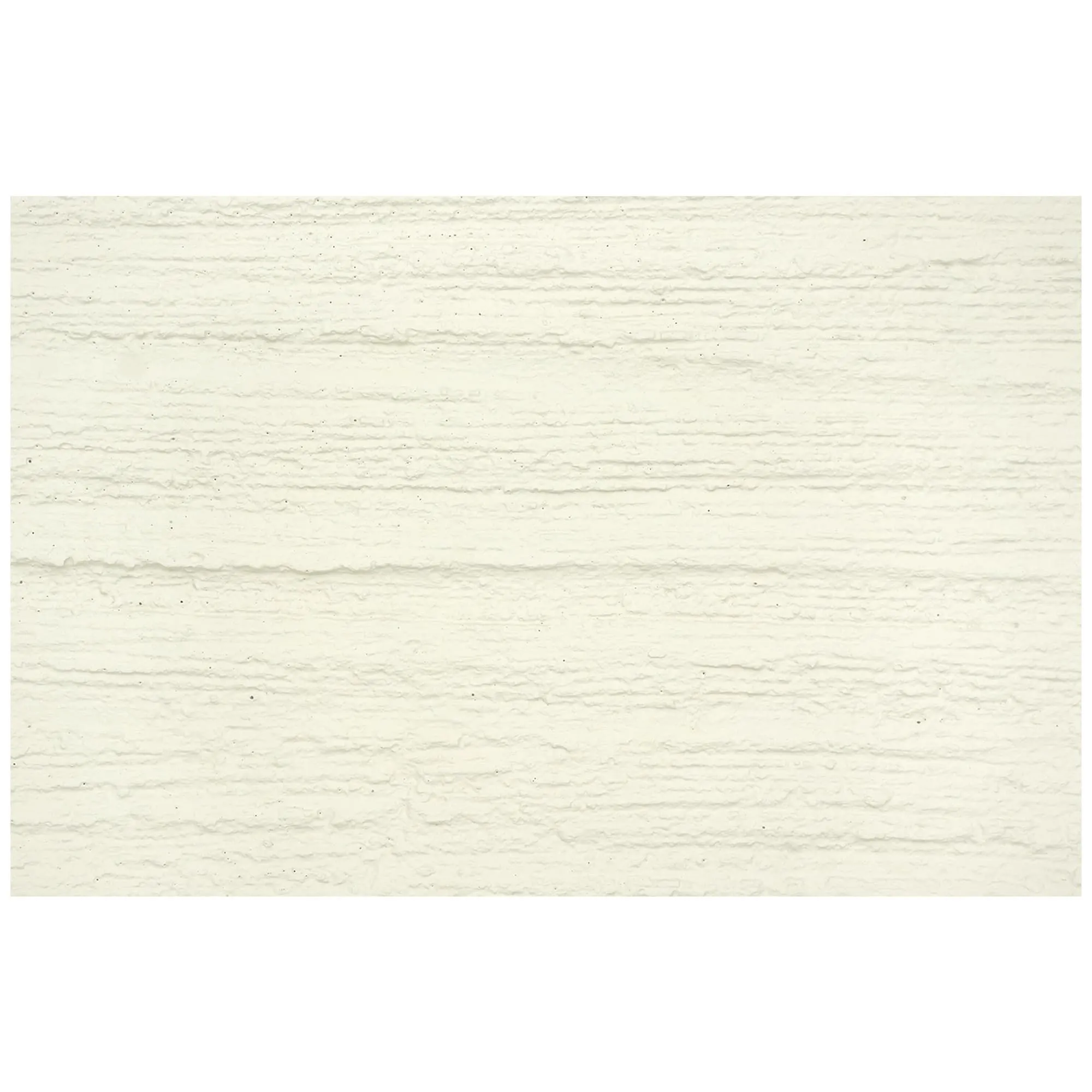
In the realm of modern architecture and construction, selecting the right materials is paramount, especially when facing extreme environmental conditions. For projects located in the demanding landscapes of desert regions, such as those across the Middle East, the choices made can profoundly impact a building's longevity, aesthetic appeal, and overall performance. At COLORIA GROUP, we understand these challenges intimately. As a dedicated one-stop solution provider for architectural materials, we've spent decades perfecting offerings that stand the test of time, heat, and sand. Today, we delve into a crucial comparison: our advanced Gobi Panel solutions, powered by MCM (Modified Cementitious Material) technology, versus traditional natural stone, specifically evaluating their durability in harsh desert environments.
The allure of natural stone is undeniable. Its timeless beauty, inherent variations, and sense of grandeur have captivated builders and designers for millennia. However, beauty alone is often insufficient when battling the relentless forces of a desert climate. Extreme temperature fluctuations, intense UV radiation, abrasive sandstorms, and the scarcity of water pose unique challenges that many traditional materials struggle to overcome without significant maintenance or eventual degradation. This is where innovation, like our MCM-based Gobi Panels, steps in to offer a robust, sustainable, and equally stunning alternative.
Before we pit these two contenders against each other, it's essential to fully grasp the environmental stressors at play in a desert. These aren't just minor inconveniences; they are factors that can dramatically shorten the lifespan of building materials, leading to costly repairs, compromised structural integrity, and diminished aesthetic value.
Any material chosen for desert applications must demonstrate superior resistance to these combined forces, maintaining its structural integrity and visual appeal over decades, not just years.
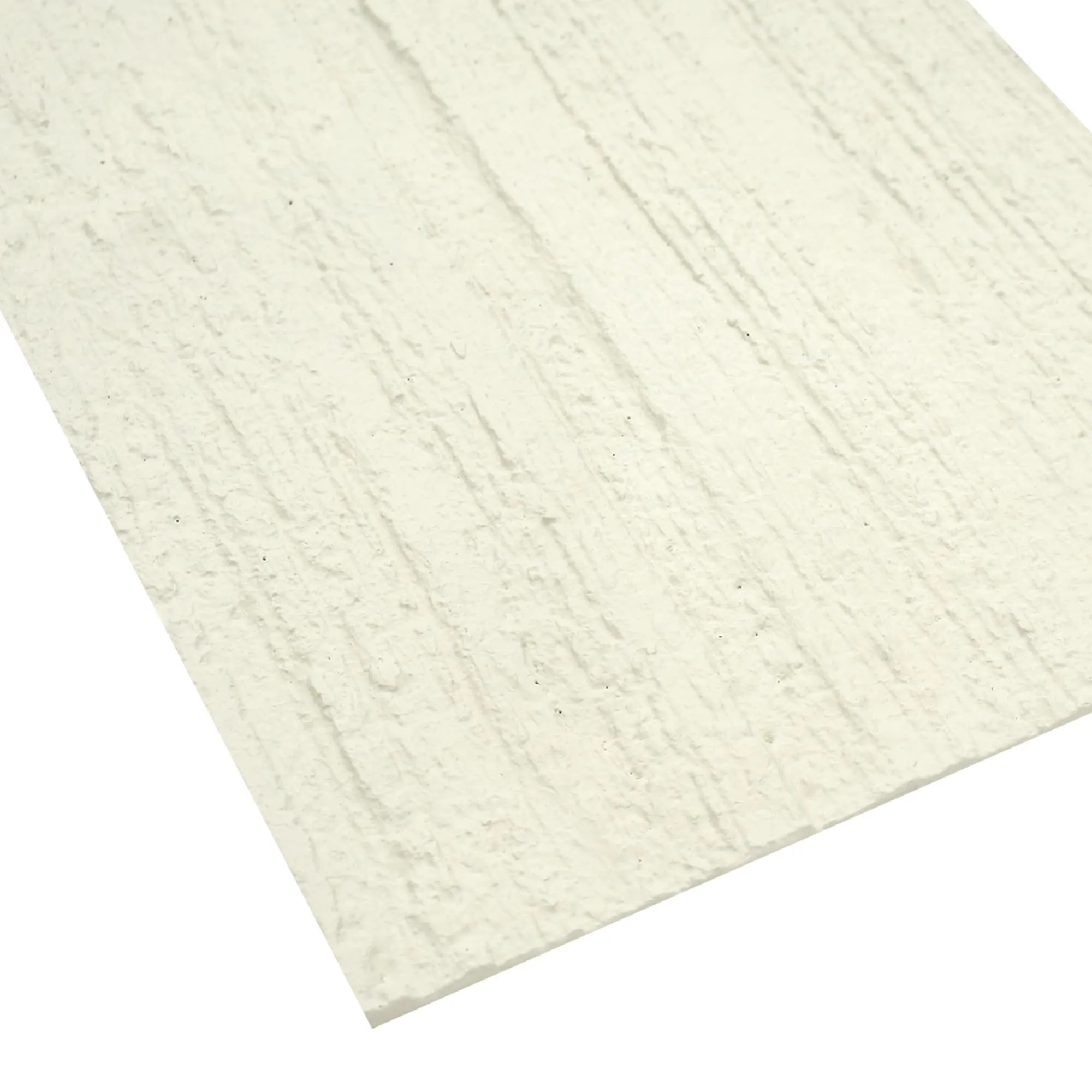
Natural stone, encompassing granites, marbles, limestones, sandstones, and slates, has a rich history in construction. Its appeal lies in its authenticity, unique patterns, and perceived robustness. When considering its performance in desert conditions, several factors come into play.
However, the 'natural' aspect of stone also introduces vulnerabilities in extreme environments:
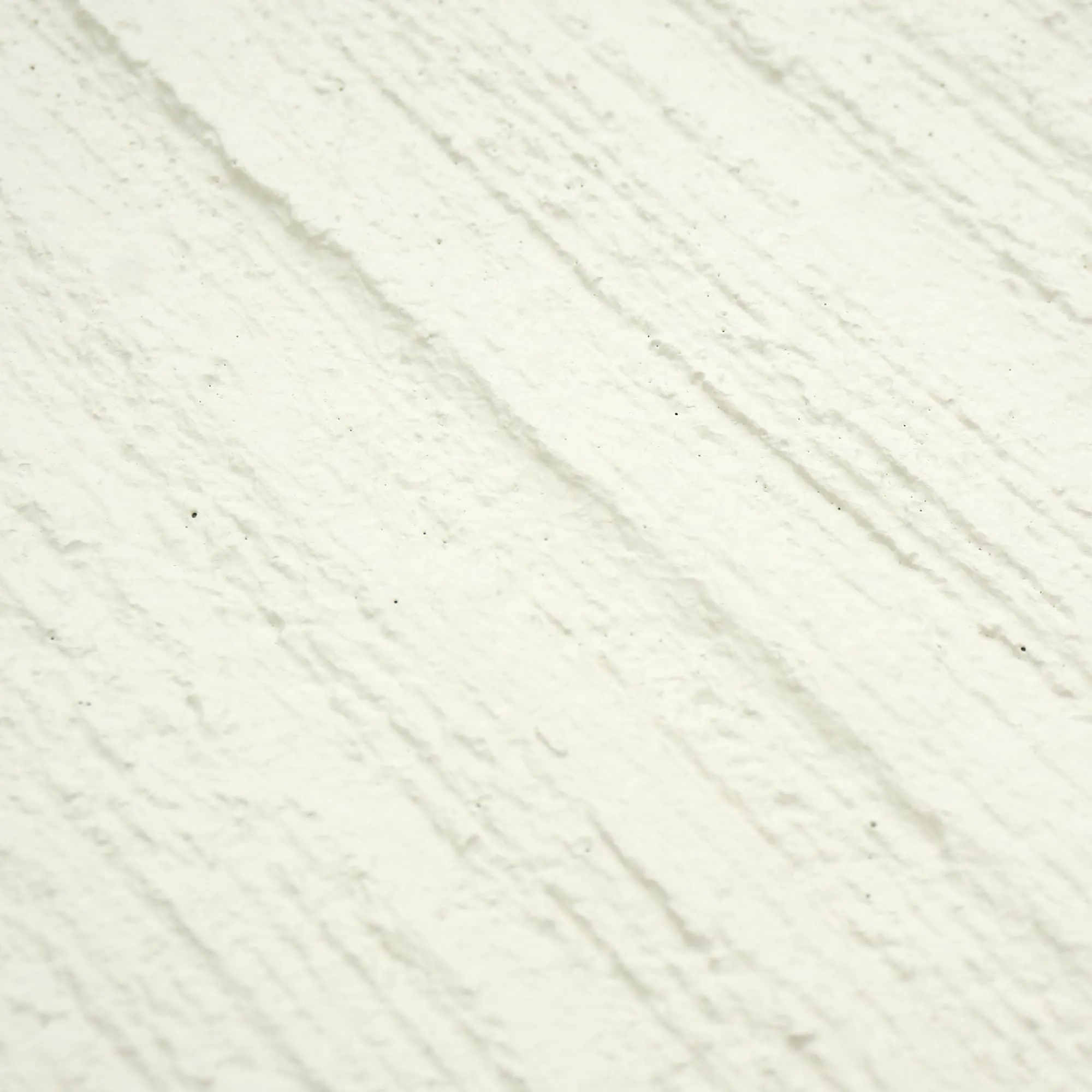
At COLORIA GROUP, our Gobi Panel solutions represent the pinnacle of modern architectural material innovation, leveraging advanced MCM (Modified Cementitious Material) technology. Our MCM products, including the MCM Big Slab Board Series , MCM Project Board Series , MCM 3D Printing Series , and MCM Flexible Stone , are engineered specifically to overcome the limitations of traditional materials while offering unprecedented design flexibility and performance.
What exactly is MCM? It's a revolutionary composite material primarily made from natural mineral powders, quartz sand, cement, and other inorganic binders, modified with polymers and additives. Through a specialized manufacturing process, these materials are transformed into thin, lightweight, yet incredibly durable panels that mimic the look and feel of natural stone, wood, brick, or leather, but with superior functional properties. Our Gobi Panel offerings are a testament to this technology's potential, especially for desert architecture.
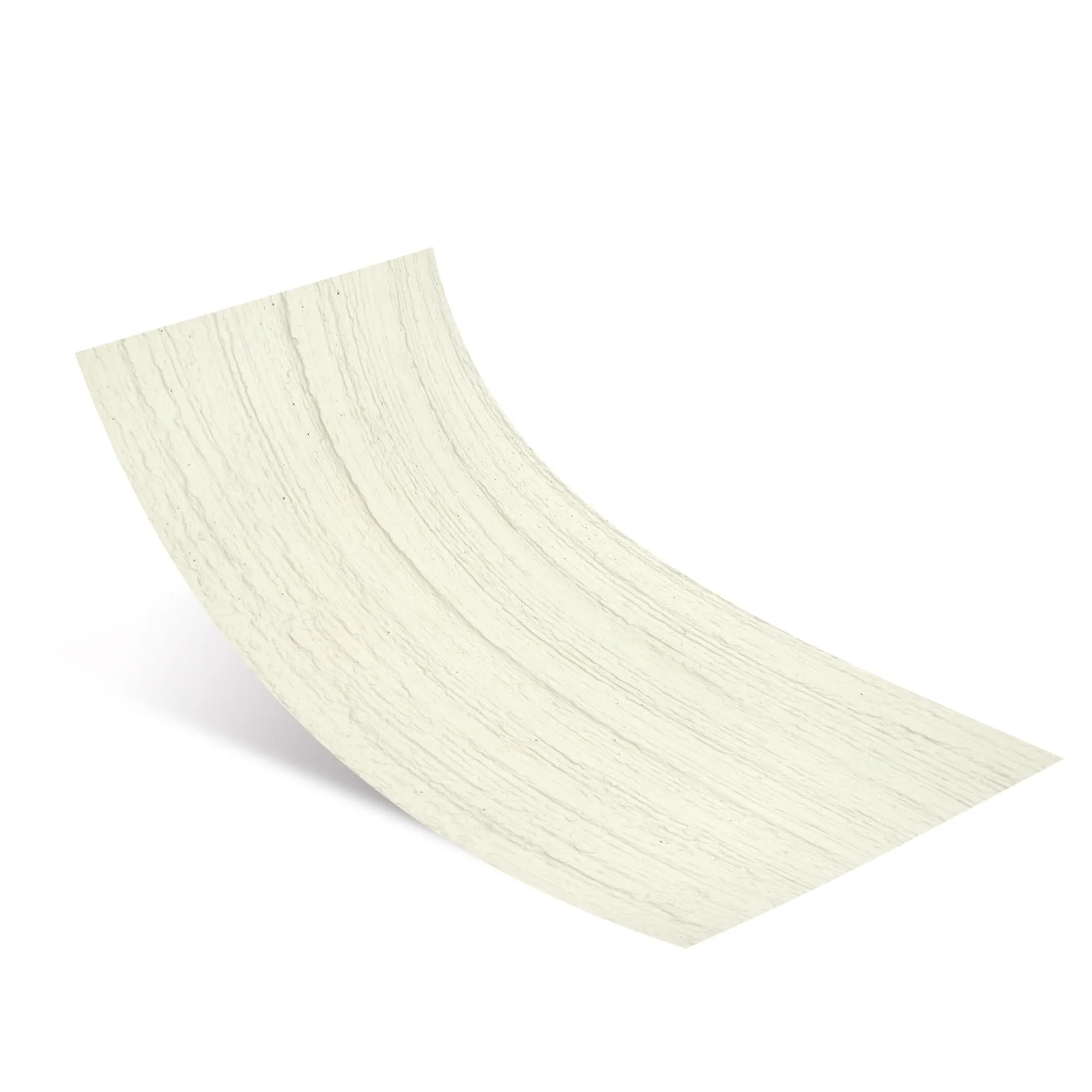
Let's consolidate the key durability aspects in a direct comparison to highlight where each material excels or falls short in the harsh desert environment.
| Feature/Challenge | Natural Stone (General) | Gobi Panel (COLORIA MCM) |
|---|---|---|
| Thermal Shock/Cycling | High risk of cracking, spalling, and joint failure due to rigidity and differential expansion of minerals. Requires careful installation and joint design. | Excellent resistance. Engineered flexibility and stable composition minimize stress from expansion/contraction, ensuring long-term integrity. |
| UV Radiation Resistance | Varies greatly by stone type. Some types can fade, discolor, or degrade over time. Iron-rich stones are prone to oxidation. | Superior resistance. High-performance pigments and UV stabilizers ensure long-lasting color stability and material integrity under intense sun. |
| Sand Abrasion Resistance | Softer stones (marble, sandstone) are highly susceptible to erosion, leading to dulling and pitting. Even hard stones can show wear. | High resistance. Dense, uniform surface is engineered to withstand abrasive wind-blown sand, maintaining aesthetic finish. |
| Water Absorption & Salt Attack | Many stones are porous, allowing water and dissolved salts to penetrate, causing efflorescence, staining, and internal crystallization damage. Requires regular sealing. | Very low porosity. Highly resistant to water penetration and salt attack, preventing efflorescence, staining, and structural damage from salt crystallization. |
| Weight & Structural Impact | Heavy, requiring significant structural reinforcement, increasing foundation costs and complicating installation. | Extremely lightweight, significantly reducing structural load, simplifying installation, and cutting transportation costs. |
| Maintenance Requirements | Often requires regular sealing, specialized cleaning to remove dust/stains, and monitoring for cracks or spalling. | Low maintenance. Easy to clean, stain-resistant surface, and no need for sealing, reducing ongoing operational costs. |
| Installation Complexity | Requires skilled masons, specialized cutting tools, and robust anchoring systems. Slow and labor-intensive. | Easier and faster installation due to lightweight nature, custom sizing, and simplified fixing systems. Reduces labor time and costs. |
| Environmental Footprint | High impact from quarrying, heavy transportation, and waste generation. Energy-intensive. | Low impact. Made from natural, recycled materials; energy-efficient production; minimal waste; reduced transport emissions. Supports green building. |
| Design Flexibility | Limited by natural stone shapes, sizes, and inherent variations. Can be costly for bespoke cuts. | Virtually unlimited. Can mimic any material, custom colors, textures, and even 3D patterns (MCM 3D Printing Series), allowing for unique designs. |
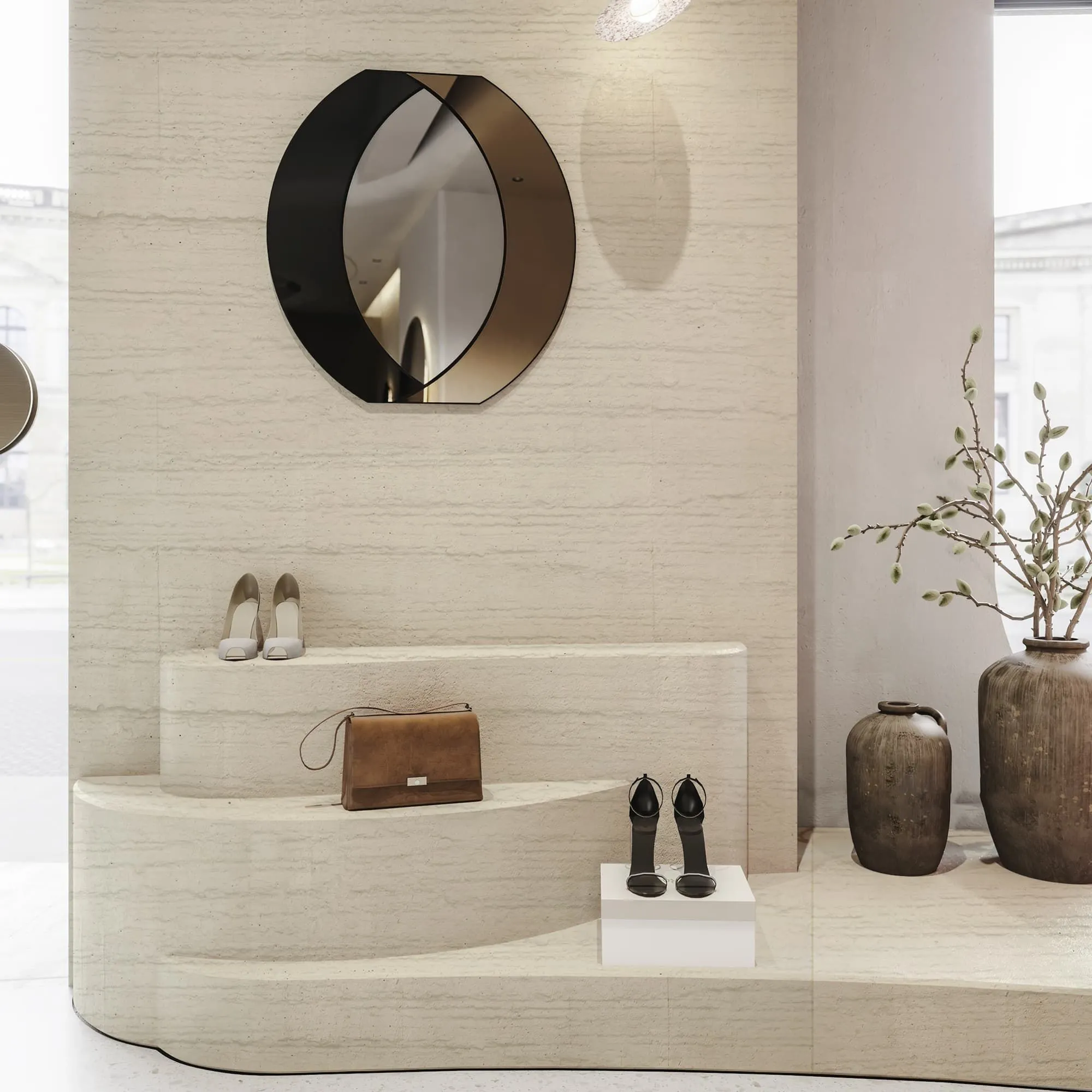
Our commitment to delivering superior architectural materials is not just theoretical. COLORIA GROUP has decades of industry experience, and our deep understanding of various markets, particularly in Saudi Arabia , where we have established (agency), allows us to provide tailored solutions. We've seen firsthand the relentless conditions buildings face in this region – from the scorching sun of Riyadh to the coastal humidity near Jeddah, and the vast open deserts.
The demand for materials that offer both aesthetic excellence and uncompromising durability in such environments is constant. Traditional solutions often falter, leading to high maintenance costs and premature replacement. Our MCM Gobi Panel products are specifically designed to address these challenges head-on. Whether it's for large-scale commercial developments needing our MCM Project Board Series , or bespoke residential villas seeking the unique textures of our MCM Flexible Stone , we provide solutions that are engineered for the local climate.
Our extensive track record and presence in Saudi Arabia mean we are not just selling products; we are offering a partnership. From initial design consultation to material selection and logistical support, our goal as a one-stop solution provider is to ensure that every project benefits from the most suitable, durable, and sustainable materials available. We understand the nuances of local building codes, installation practices, and the critical importance of timely delivery in large-scale developments.
The ability of MCM to mimic the luxurious appearance of natural stone, without inheriting its vulnerabilities, is a game-changer for architects and developers in this region. Imagine a facade that exudes the grandeur of marble or granite but is immune to UV fading, resistant to sand erosion, and never requires expensive sealing. This is the promise of COLORIA GROUP's Gobi Panel solutions.
While durability is often the primary concern in harsh desert climates, the advantages of Gobi Panel solutions extend far beyond mere resilience. The holistic benefits contribute to better project outcomes, greater sustainability, and enhanced design freedom.
In the relentless crucible of desert environments, the choice between Gobi Panel (MCM) and natural stone is not merely aesthetic; it is a critical decision impacting a project's long-term viability, cost-effectiveness, and sustainability. While natural stone offers undeniable beauty and a connection to tradition, its inherent vulnerabilities to thermal cycling, UV radiation, sand abrasion, and salt attack often make it a challenging and high-maintenance option for desert projects.
COLORIA GROUP's Gobi Panel solutions, powered by innovative MCM (Modified Cementitious Material) technology, emerge as the clear leader in durability and performance for these challenging conditions. Their engineered resilience against extreme temperatures, UV rays, sand, and moisture, coupled with their lightweight, design flexibility, and green environmental protection credentials, positions them as the superior choice for modern desert architecture.
As a dedicated one-stop solution provider with a strong presence in global markets, particularly in Saudi Arabia , COLORIA GROUP is committed to empowering architects, developers, and builders with materials that not only meet but exceed the demands of the most extreme environments. We offer more than just products; we provide expertise, customization , and a partnership aimed at delivering iconic, enduring structures. Choose Gobi Panel for a future where architectural beauty and performance truly converge, even in the heart of the desert.
Ready to explore how COLORIA GROUP's MCM Gobi Panels can transform your next project?
Discover Our SolutionsRecommend Products












