
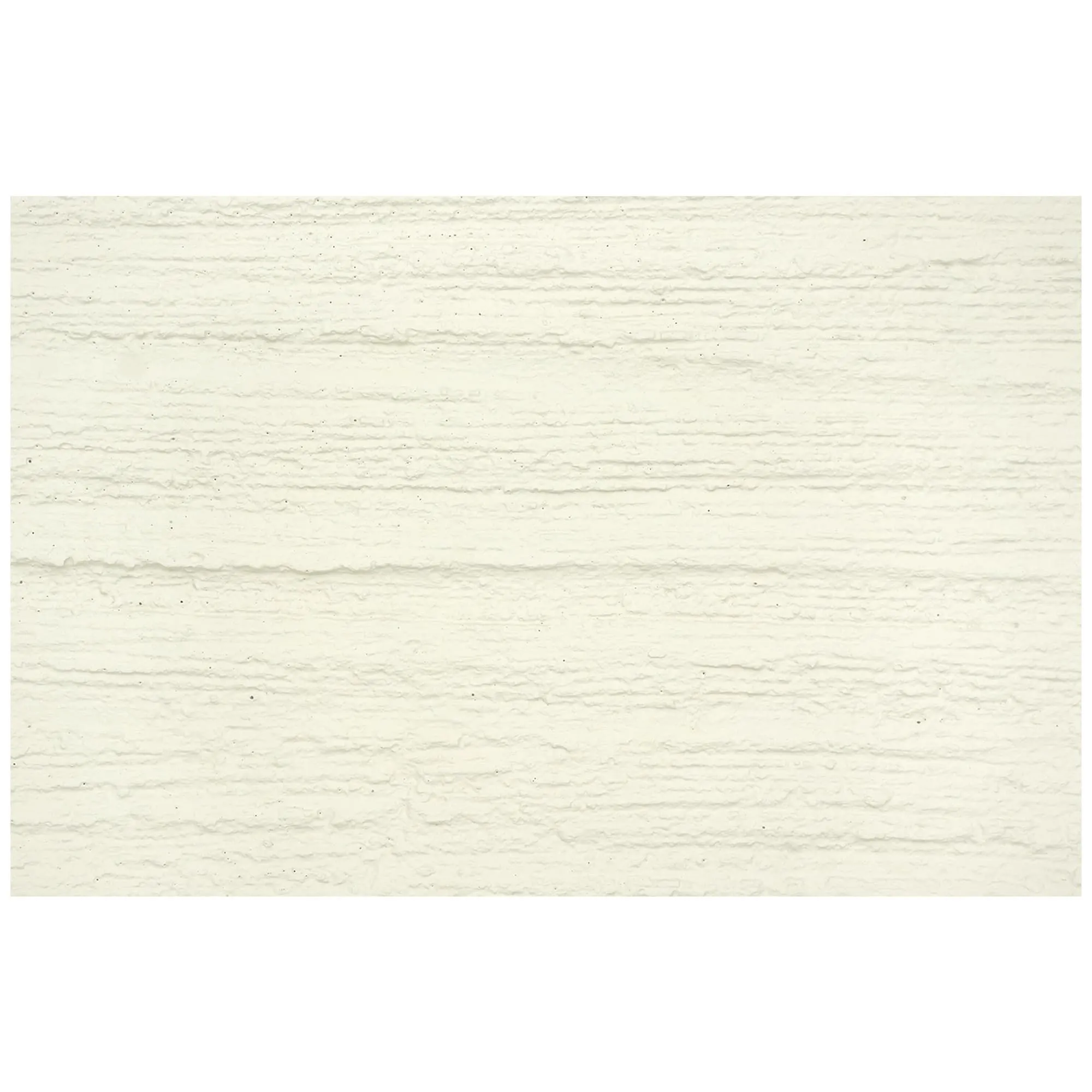
In today's rapidly evolving construction and design landscape, the choices we make regarding building materials have far-reaching consequences, not just for the immediate project but for the planet as a whole. As a one-stop solution provider in the architectural materials domain, COLORIA GROUP recognizes the critical importance of sustainability. We are constantly pushing the boundaries of innovation, exemplified by our flagship Modified Cementitious Material (MCM) series, which we proudly brand as Gobi Panel for this discussion. This advanced material stands in stark contrast to more traditional options, particularly PVC panels, especially when scrutinizing their environmental footprint. This comprehensive exploration delves deep into the eco-friendliness of Gobi Panel versus PVC panels, aiming to provide a clear, evidence-based understanding for architects, designers, developers, and homeowners who are committed to sustainable construction practices.
The global push towards sustainability isn't just a trend; it's a fundamental shift in how industries operate, driven by increasing environmental awareness, stringent regulations, and a growing consumer demand for products that don't harm the earth. Within the vast realm of building materials , this translates into a heightened focus on material sourcing, manufacturing processes, product longevity, and end-of-life disposal. Our Gobi Panel, a testament to COLORIA GROUP's commitment to innovation and ecological responsibility, offers a compelling alternative to materials like PVC, which, despite its widespread use, carries significant environmental baggage.
Before we dive into the direct comparison, it's essential to establish a framework for evaluating the environmental impact of any material. This involves looking at its entire life cycle, from cradle to grave.
Each stage presents opportunities for either mitigating or exacerbating environmental harm. A truly eco-friendly building material minimizes negative impacts across all these phases.
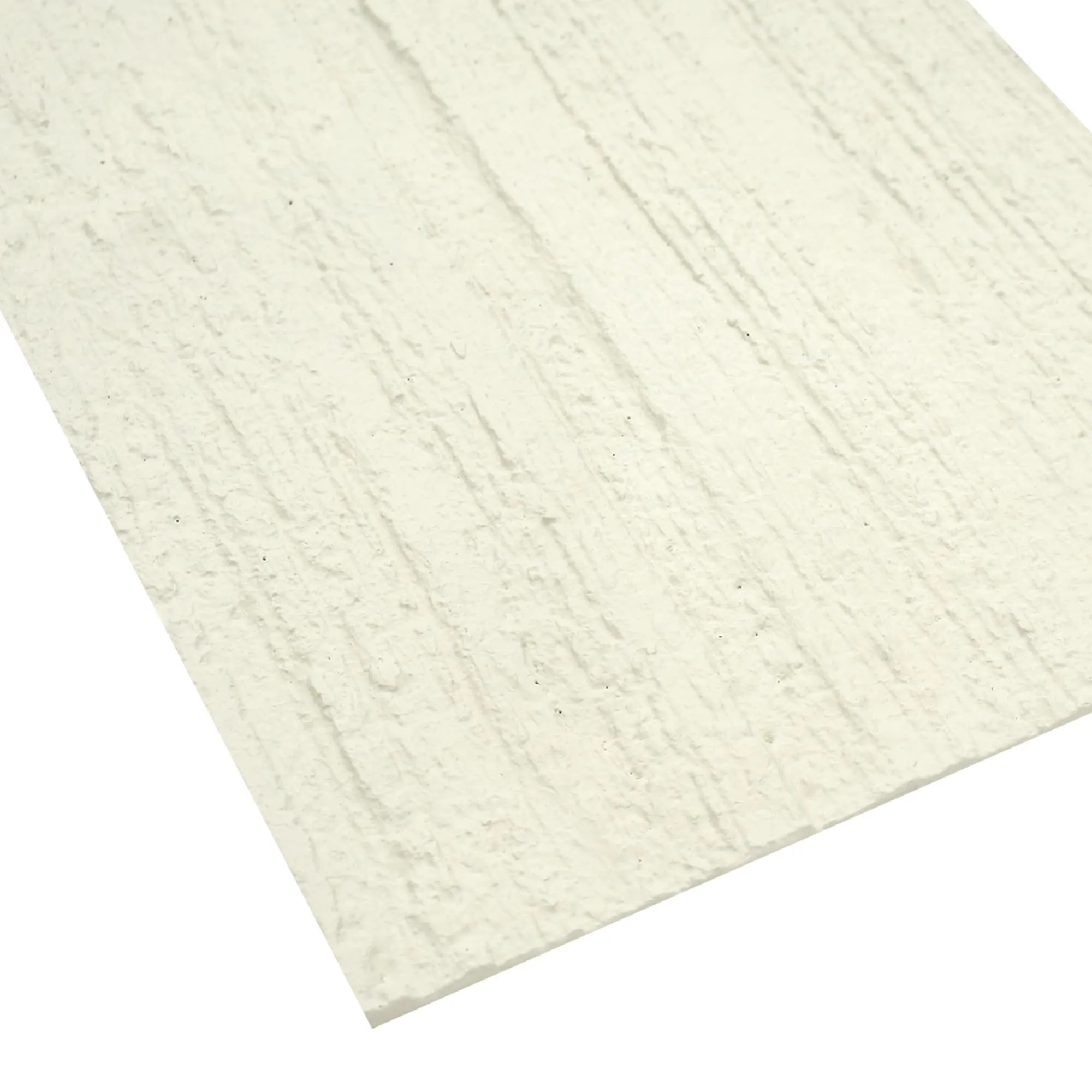
Our Gobi Panel, representing COLORIA GROUP's advanced Modified Cementitious Material (MCM) technology, is fundamentally designed with environmental stewardship at its core. It's not just a product; it's a philosophy translated into tangible architectural solutions.
The core strength of Gobi Panel's eco-friendliness begins with its composition. It's primarily made from natural, inorganic minerals and aggregates, including clay, sand, mineral powder, and cement, which are readily available and abundant. Crucially, these materials undergo a low-temperature modification process, giving them unique properties.
The production of Gobi Panel is a marvel of energy efficiency and minimal environmental impact. This is where the "Modified" in MCM truly shines from an ecological perspective.
A truly sustainable material is one that lasts. The longer a material performs its function, the less frequently it needs to be replaced, thereby reducing the environmental impact associated with new production and disposal. Gobi Panel excels in durability.
Indoor air quality is paramount for human health and comfort. Materials that off-gas harmful chemicals can severely compromise this.
What happens to a material when its useful life is over is a critical aspect of its overall eco-friendliness.
Beyond its environmental credentials, Gobi Panel offers unparalleled versatility in design, enabling truly custom architectural solutions for both interior and exterior decoration . This aesthetic appeal, combined with its eco-friendliness, makes it a superior choice. Our range includes:
This variety ensures that sustainability doesn't come at the cost of design freedom or aesthetic quality. In fact, it enhances it, allowing designers to create stunning, bespoke finishes that are also kind to the planet.
Polyvinyl Chloride (PVC) panels have been a popular choice in construction for decades due to their low cost, water resistance, and ease of installation. However, a deeper look into their life cycle reveals a significant environmental burden that cannot be ignored in the age of sustainable development.
The fundamental issue with PVC's eco-friendliness begins with its raw materials.
The production of PVC is a complex chemical process with several environmental hotspots.
This is a major area of concern for PVC panels, particularly regarding indoor applications.
While PVC is often touted for its durability, this needs to be assessed in context.
This is arguably the most significant environmental hurdle for PVC.
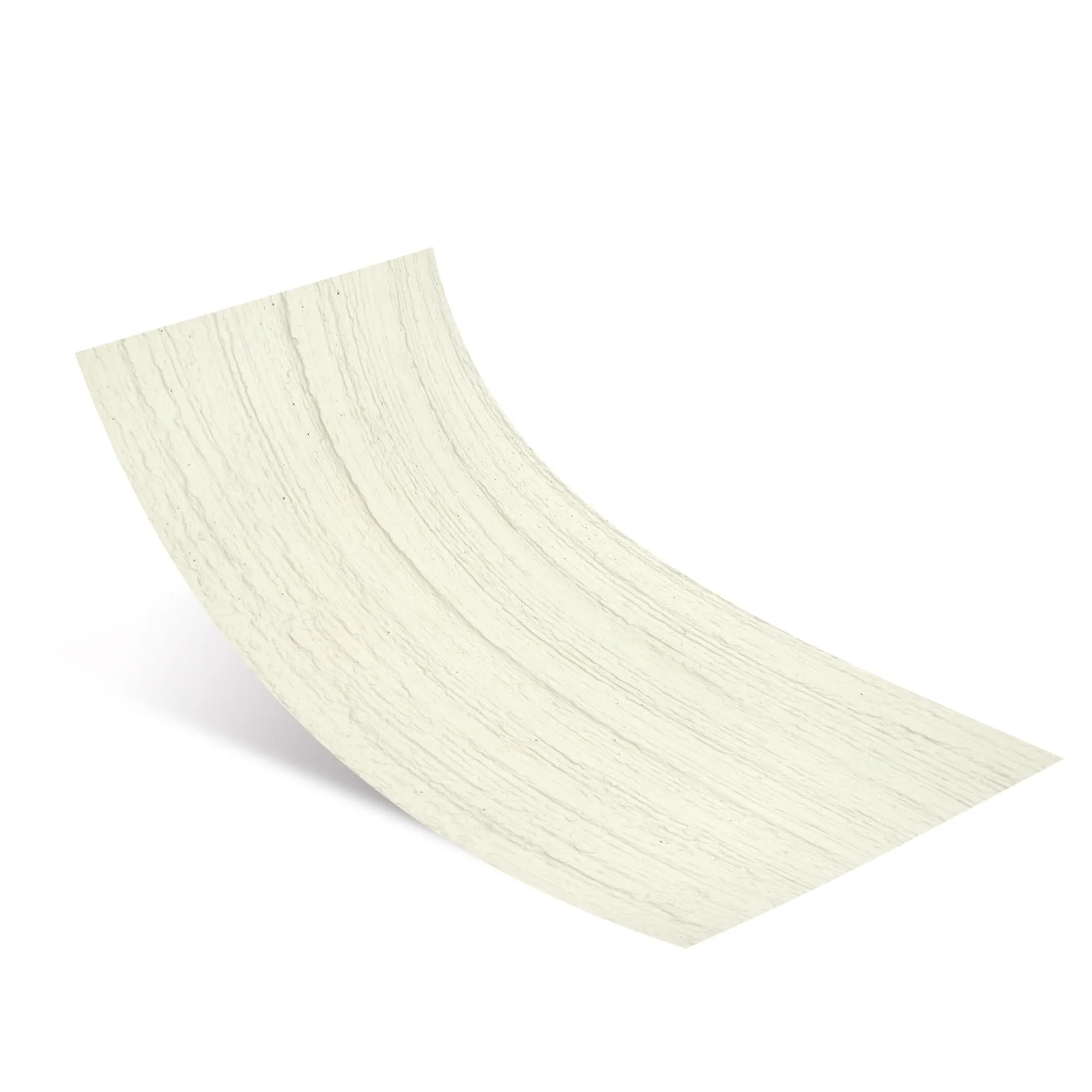
Let's consolidate the key environmental differences in a clear comparison. This table highlights why COLORIA GROUP's Gobi Panel offers a demonstrably more eco-friendly building material choice.
| Feature | Gobi Panel (MCM by COLORIA GROUP) | PVC Panels |
|---|---|---|
| Primary Raw Materials | Natural inorganic minerals (clay, sand, mineral powder, cement). Abundant, earth-derived. | Petroleum (approx. 43%) and Chlorine (approx. 57%). Finite fossil fuels. |
| Manufacturing Energy | Very low-temperature curing process; significantly reduced energy consumption and CO2 emissions. | High energy consumption for VCM synthesis and polymerization; significant CO2 emissions. |
| Manufacturing Emissions | Minimal air and water pollution; no toxic byproducts. | Potential for toxic emissions (e.g., dioxins, furans) and hazardous waste from chemical processes. |
| VOC & Health Impact | Zero VOCs, formaldehyde, heavy metals; promotes excellent indoor air quality. Safe and healthy. | Can off-gas VOCs and plasticizers (e.g., phthalates); potential for indoor air pollution and health concerns. Releases highly toxic fumes in fire. |
| Durability & Longevity | Excellent resistance to weathering, UV, impact. Long lifespan (decades), low maintenance. Contributes to sustainable construction by reducing replacement cycles. | Can degrade, become brittle, or discolor with UV exposure over time. May require earlier replacement. |
| End-of-Life Disposal | Recyclable as aggregate; non-toxic if landfilled; biodegradable back to natural elements. Supports circular economy. | Difficult to recycle; persists in landfills for centuries, potentially leaching chemicals. Incineration can release highly toxic dioxins. Contributes to microplastic pollution. |
| Aesthetic & Customization | High design flexibility, offering diverse textures, colors, and forms (Big Slab, Project Board, 3D Printing, Flexible Stone). Enables truly custom architectural solutions for interior and exterior decoration . | Good aesthetic range, but often limited in mimicking natural textures compared to MCM. May have a more 'plastic' look and feel. |
| Overall Environmental Footprint | Significantly lower across its entire lifecycle due to natural inputs, efficient production, durability, and benign end-of-life. A true eco-friendly building material . | Higher environmental burden due to fossil fuel dependence, toxic manufacturing, health risks, and difficult disposal. |
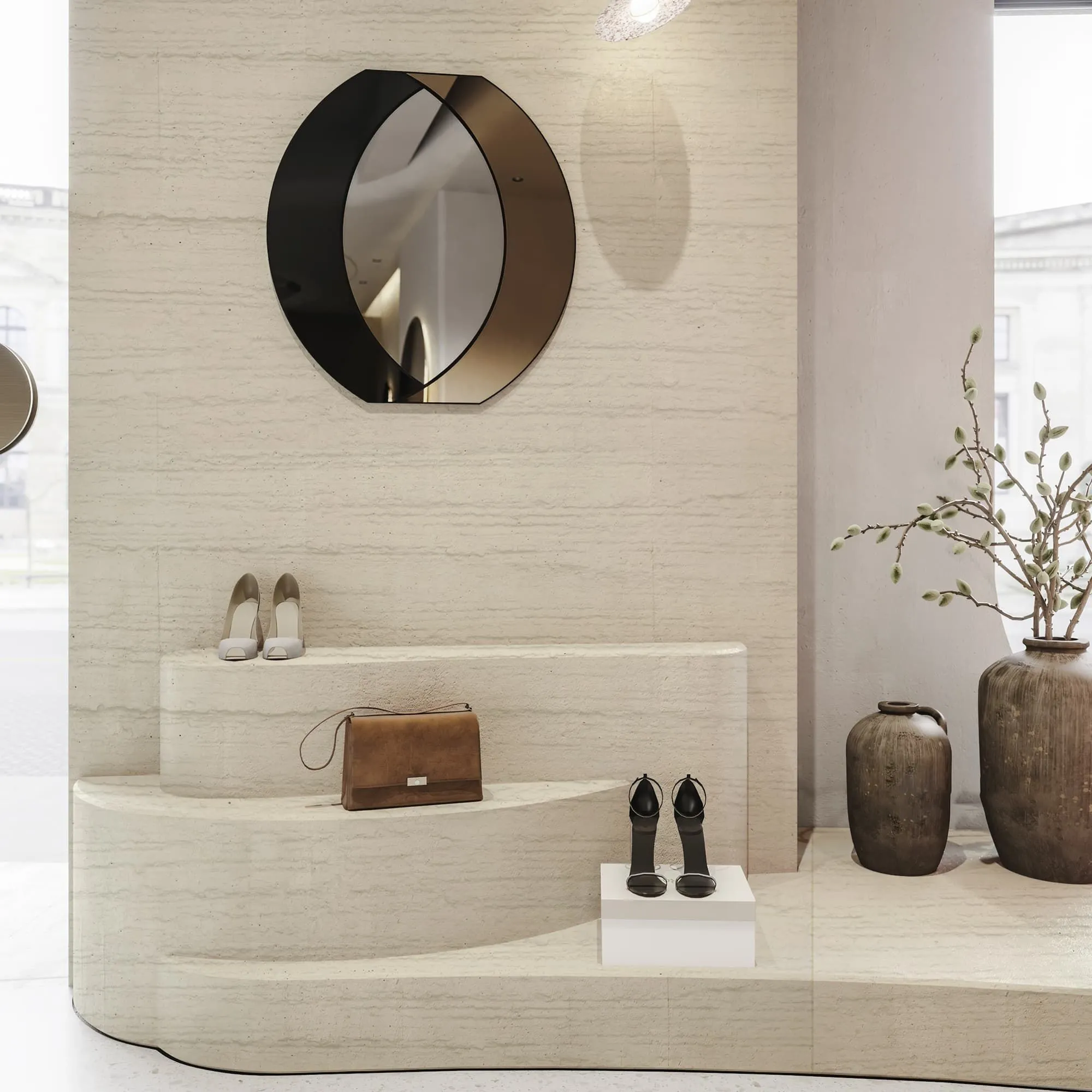
The comparison clearly demonstrates that while PVC panels offer certain functional benefits at a low upfront cost, their long-term environmental and health implications are substantial. In an era where every decision in sustainable construction counts, choosing materials with a positive environmental profile is no longer a luxury but a necessity.
COLORIA GROUP's Gobi Panel, our innovative Modified Cementitious Material (MCM) , represents a paradigm shift. It embodies the principles of sustainability by minimizing resource depletion, reducing energy consumption, eliminating toxic emissions, ensuring occupant health, and offering a responsible end-of-life solution. Our expertise, honed over decades in the industry, allows us to provide a comprehensive, one-stop solution provider approach to meet the diverse needs of both residential and commercial projects, globally, including our strong presence in Saudi Arabia. We are not just selling a product; we are offering a commitment to a healthier planet and more sustainable built environments.
Why choose Gobi Panel for your next project?
As we move forward, the demand for eco-friendly building materials will only intensify. Architects, developers, and homeowners are increasingly seeking products that align with their values of environmental responsibility without compromising on performance or aesthetics. Gobi Panel is perfectly positioned to meet this demand, offering a superior alternative that excels in both form and function, while significantly reducing the ecological impact of construction. Our goal at COLORIA GROUP is to empower our clients to make choices that are good for their projects and great for the planet, delivering exceptional custom architectural solutions that redefine modern building.
The decision between Gobi Panel and PVC panels extends beyond mere cost or immediate functionality. It's a decision about the legacy we leave, the health of our occupants, and the sustainability of our planet. By choosing Gobi Panel, you are not just selecting a high-performance material; you are investing in a future where beautiful, durable, and environmentally responsible building materials are the standard, not the exception. COLORIA GROUP stands ready to assist you in making that crucial, positive impact with our innovative MCM solutions for interior and exterior decoration .
The pursuit of sustainable development within the construction sector necessitates a fundamental re-evaluation of every component that constitutes a building. From the foundational elements to the intricate details of interior and exterior decoration , the ripple effect of each material choice is profound. With Gobi Panel, COLORIA GROUP offers a material that doesn't just meet standards but sets new benchmarks for what is possible in sustainable construction . Our commitment as a one-stop solution provider extends to ensuring that every product, particularly our Modified Cementitious Material (MCM) range, contributes positively to the environmental ledger. This isn't merely about avoiding harm; it's about actively fostering regeneration and resilience within the built environment.
The dialogue around building materials needs to shift from a purely performance- and cost-driven conversation to one that integrates ecological integrity as a core metric. PVC, despite its versatility, represents an older paradigm where convenience often overshadowed comprehensive environmental impact. Its reliance on fossil fuels, the energy-intensive and potentially polluting manufacturing processes, the use of contentious additives like phthalates, and its problematic end-of-life scenario collectively paint a picture of a material that is increasingly out of step with contemporary environmental ethics. Conversely, Gobi Panel, as a prime example of advanced Modified Cementitious Material (MCM) technology, is a testament to how innovation can align seamlessly with environmental responsibility.
Consider the energy story: the vast difference in energy consumption between the high-temperature firing of traditional materials or the chemical synthesis of plastics and the low-temperature curing of MCM is not just a statistical anomaly; it represents tons of CO2 emissions avoided. This alone makes a compelling case for Gobi Panel as a cornerstone of sustainable construction . Moreover, its mineral composition ensures that it is inherently non-toxic, providing peace of mind for both the construction workers handling it and the inhabitants living or working within spaces adorned with it. The absence of VOCs means no lingering chemical odors, no compromise on indoor air quality, and no contribution to sick building syndrome – a crucial factor for health-conscious design.
The long-term economic and environmental benefits of Gobi Panel also warrant emphasis. A material that boasts exceptional durability and requires minimal maintenance over its lifespan dramatically reduces the total cost of ownership and its environmental footprint. Think of the resources saved by not having to replace or intensively maintain exterior cladding for decades. This longevity, coupled with its recyclability into new aggregates, creates a closed-loop system that is far more desirable than the linear 'take-make-dispose' model often associated with synthetic materials like PVC. For COLORIA GROUP, providing these eco-friendly building materials is a core part of our mission as a one-stop solution provider .
Furthermore, the aesthetic versatility of Gobi Panel unlocks new possibilities for designers and architects seeking to create truly unique and inspiring spaces. Whether it's the sleek sophistication of our Big Slab Board Series, the functional elegance of the Project Board Series, the artistic expression facilitated by the 3D Printing Series, or the natural allure of Flexible Stone, COLORIA GROUP's MCM products provide a palette that is both beautiful and ethical. These custom architectural solutions mean that designers do not have to choose between design ambition and environmental conscience; they can have both. This flexibility makes Gobi Panel suitable for a vast array of applications in interior and exterior decoration , from high-rise facades to intricate interior feature walls.
Our global reach, underscored by our presence in regions like Saudi Arabia, signifies COLORIA GROUP's commitment to bringing these advanced building materials to diverse markets. The principles of sustainable construction are universal, and the demand for superior, environmentally responsible alternatives is growing everywhere. As architects and developers increasingly prioritize green certifications and seek to reduce their projects' embodied carbon, Gobi Panel stands out as a material that unequivocally supports these goals.
In conclusion, the decision to opt for Gobi Panel over PVC panels is a clear step towards a more sustainable and healthier built environment. It represents an investment in superior performance, enhanced aesthetic value, and, most importantly, ecological responsibility. COLORIA GROUP is proud to lead this charge with our Modified Cementitious Material (MCM) technology, offering not just a product, but a sustainable future for the construction industry. As your trusted one-stop solution provider , we are dedicated to supporting your vision with innovative, eco-friendly building materials that truly make a difference for both residential and commercial projects globally. The choice for better eco-friendliness is clear: it's Gobi Panel.
Recommend Products












