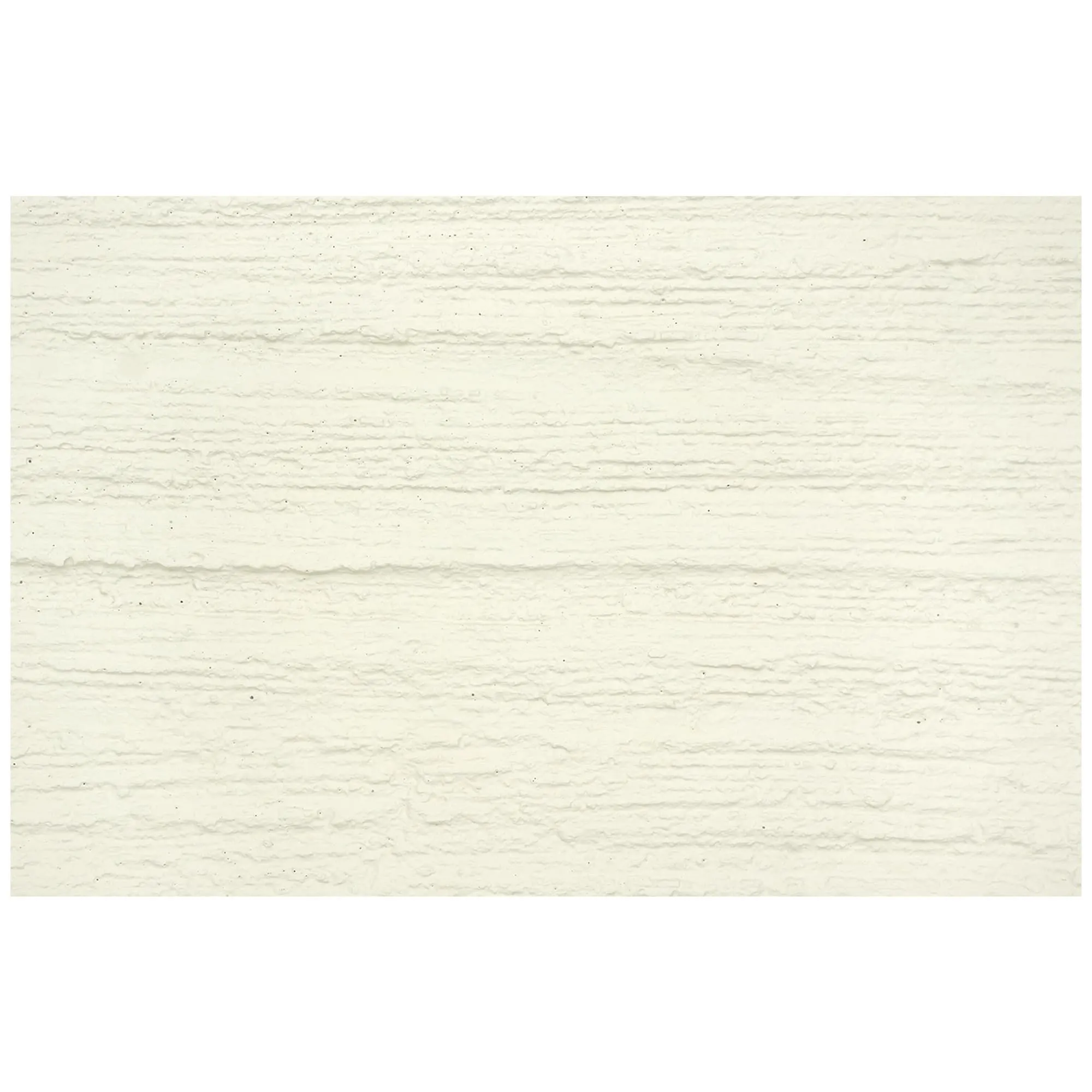
When you're diving into the world of interior design and construction, choosing the right materials is absolutely crucial. It's not just about aesthetics; it's about durability, functionality, environmental impact, and ultimately, the long-term value of your project. Today, we're going to put two popular contenders head-to-head: Gobi Panel, a fantastic option from our MCM (Modified Cementitious Material) series, and traditional Quartz Surfaces. Both have their strong suits, and understanding their pros and cons can make all the difference for your residential or commercial space.
Understanding the Contenders: Gobi Panel (MCM) and Quartz Surfaces
Before we pit them against each other, let's get a good grasp of what each material brings to the table.
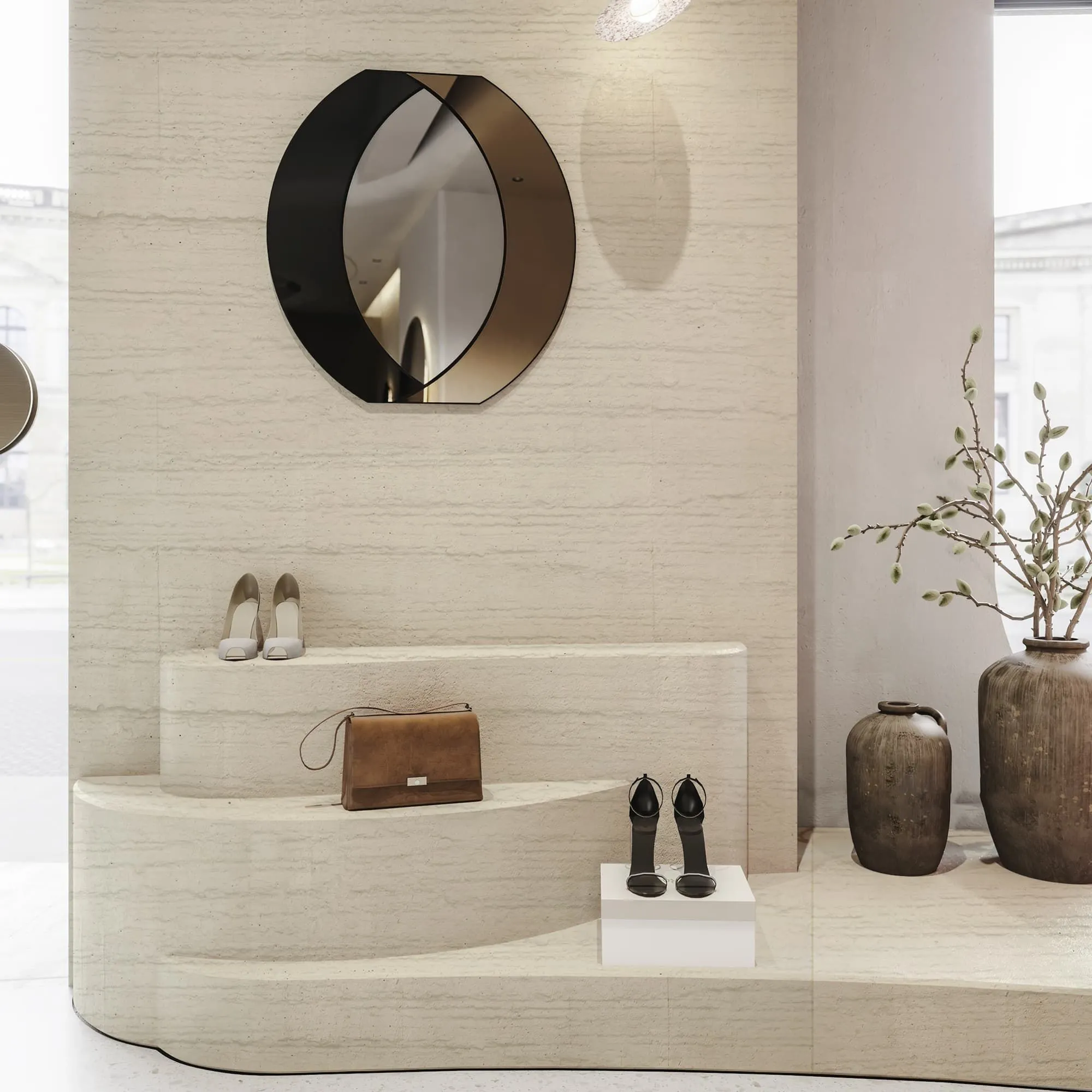
Gobi Panel is a standout product within COLORIA GROUP's innovative MCM series. If you're wondering what MCM actually is, it stands for Modified Cementitious Material. Think of it as a revolutionary new category of building material. It's essentially a blend of natural mineral powders, plant fibers, and other aggregates, modified through a special low-temperature forming process. The result? A remarkably flexible, lightweight, and incredibly durable material that can mimic the look and feel of natural stone, wood, brick, and even concrete, without the drawbacks of traditional materials. Our
MCM Big Slab Board Series
and
MCM Project Board Series
are prime examples of how versatile this material can be for a range of applications, from stunning feature walls to comprehensive facade solutions.
COLORIA GROUP prides itself on being a
one-stop solution provider
, and our MCM products, including Gobi Panel, are at the core of our commitment to offering high-quality interior and exterior finishing materials. We're all about providing innovative solutions that are not only beautiful but also sustainable.
What are Quartz Surfaces?
Quartz surfaces, often referred to as engineered stone, are a composite material made up of crushed quartz (typically 90-95%) mixed with resins, polymers, and pigments. This mixture is then compacted under intense pressure and heat to create a hard, non-porous slab. Quartz is highly regarded for its consistency in color and pattern, and its inherent durability. It's a popular choice for countertops, backsplashes, and sometimes even flooring, largely because of its reputation for being low-maintenance and robust.
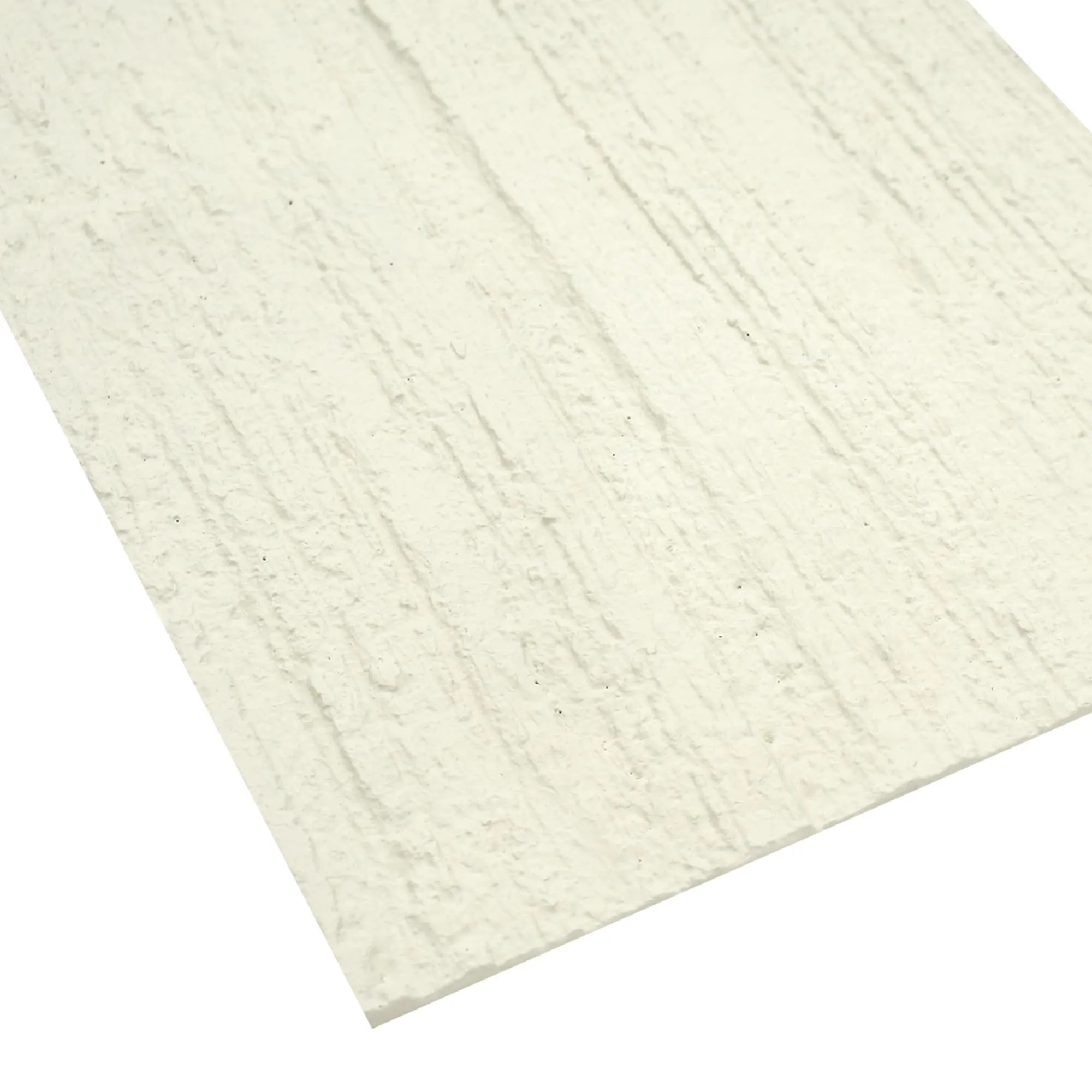
Gobi Panel (MCM) - The Bright Side and the Not-So-Bright Side
-
Unmatched Flexibility and Versatility:
This is where MCM truly shines. Its inherent flexibility allows it to be applied to curved surfaces, making complex architectural designs much easier and more cost-effective to achieve. You're not limited to flat, rigid installations, opening up a world of creative possibilities for feature walls, columns, and bespoke designs.
-
Lightweight Nature:
Compared to natural stone or concrete, MCM is significantly lighter. This translates to lower shipping costs, easier handling during installation, and reduced structural load on the building. For large-scale projects or renovations, this can be a massive advantage, simplifying logistics and accelerating project timelines.
-
Exceptional Durability and Longevity:
Don't let its flexibility fool you; Gobi Panel is incredibly tough. It's resistant to impact, scratches, and wear, making it suitable for high-traffic areas. Its robust composition ensures it stands the test of time, maintaining its aesthetic appeal for years.
-
Eco-Friendly and Sustainable:
This is a big win for Gobi Panel. Made primarily from natural mineral powders and recycled materials, and produced using a low-energy, low-carbon process, it's a genuinely
green building material
. It also doesn't contain harmful VOCs (Volatile Organic Compounds), contributing to better indoor air quality. For projects aiming for LEED certification or simply wanting to reduce their environmental footprint, MCM is an ideal choice.
-
Customization Galore:
The manufacturing process of MCM allows for extensive customization in terms of color, texture, and pattern. Whether you want the rustic charm of stone, the warmth of wood, or a unique contemporary finish, Gobi Panel can be tailored to meet specific design visions. Our
MCM 3D Printing Series
further pushes the boundaries of personalized design, offering intricate textures and bespoke aesthetics.
-
Breathability and Moisture Regulation:
MCM materials are breathable, allowing walls to "exhale." This helps regulate moisture within the building structure, reducing the risk of mold and mildew growth, and contributing to a healthier indoor environment.
-
Easy Installation:
Because it's lightweight and flexible, Gobi Panel can be installed relatively quickly and with less specialized equipment compared to heavy, rigid materials. This can lead to significant savings in labor costs and project duration.
-
Cost-Effectiveness:
While initial costs can vary, the overall project cost often favors MCM due to lower material weight, reduced shipping expenses, faster installation, and long-term durability that minimizes maintenance needs.
-
Perception vs. Reality:
As a relatively newer material category compared to centuries-old stone or wood, some clients or contractors might initially be unfamiliar with MCM. This can sometimes lead to a preference for more "traditional" materials due to a lack of understanding of MCM's advanced properties. Education is key here!
-
Limited Heat Resistance (Compared to Quartz for Countertops):
While durable for wall applications, if considered for very high-heat surfaces like kitchen countertops where hot pans are frequently placed directly, its heat resistance might be slightly less than some specific quartz formulations. However, for general interior wall and surface applications, this is rarely an issue.
-
Niche Manufacturing Expertise:
Producing high-quality MCM requires specialized technology and expertise, which is precisely what COLORIA GROUP brings to the table. However, not all manufacturers can achieve the same level of quality and consistency. Choosing a reputable supplier like us is paramount.
Quartz Surfaces - The Bright Side and the Not-So-Bright Side
Pros of Quartz Surfaces
-
Extreme Durability:
Quartz is incredibly hard and scratch-resistant, making it a very robust surface material. It holds up exceptionally well to daily wear and tear.
-
Non-Porous and Hygienic:
One of quartz's biggest advantages is its non-porous nature. This means it doesn't absorb liquids or stains easily, and it resists the growth of bacteria, mold, and mildew. It's a very hygienic choice, especially for kitchen and bathroom countertops.
-
Low Maintenance:
Because it's non-porous, quartz never needs sealing, unlike natural stone. Cleaning is usually a simple wipe-down with soap and water, making it a very low-hassle material.
-
Consistent Appearance:
Since it's engineered, quartz offers a high degree of consistency in color, pattern, and finish. This can be beneficial for achieving a uniform look across a large area or when matching existing elements.
-
Wide Range of Colors and Patterns:
Manufacturers can add various pigments and even small flecks of other materials during the production process, resulting in a vast array of colors and patterns, including those that mimic natural stone.
-
Heat Resistance (Good for Countertops):
Quartz can generally withstand moderate heat without damage, although extreme, sudden temperature changes or prolonged exposure to very hot items can cause thermal shock.
Cons of Quartz Surfaces
-
Lack of Flexibility:
Quartz is a rigid material. It cannot be bent or molded, which limits its application to flat surfaces and restricts creative design options. Installations on curved walls or intricate architectural features are not possible with quartz.
-
Weight:
Quartz slabs are quite heavy. This can increase shipping costs, require more robust structural support, and make installation more labor-intensive and potentially more expensive.
-
Cost:
While prices vary, quartz can be a relatively expensive material, especially for higher-end designs or custom fabrication.
-
Seam Visibility:
While efforts are made to minimize them, seams are often visible in larger quartz installations, especially in lighter colors.
-
Environmental Impact:
The production of quartz surfaces can be energy-intensive, involving the mining of quartz, resin production (often petroleum-based), and complex manufacturing processes. While durable, its lifecycle impact can be higher compared to more sustainable options.
-
UV Sensitivity (for some formulations):
Some quartz formulations can yellow or fade over time if exposed to direct, prolonged sunlight, making them less ideal for exterior applications or interior spaces with very strong, direct UV exposure.
-
Repair Limitations:
While very durable, if a quartz surface does get a significant chip or crack, repairs can be challenging and sometimes noticeable.
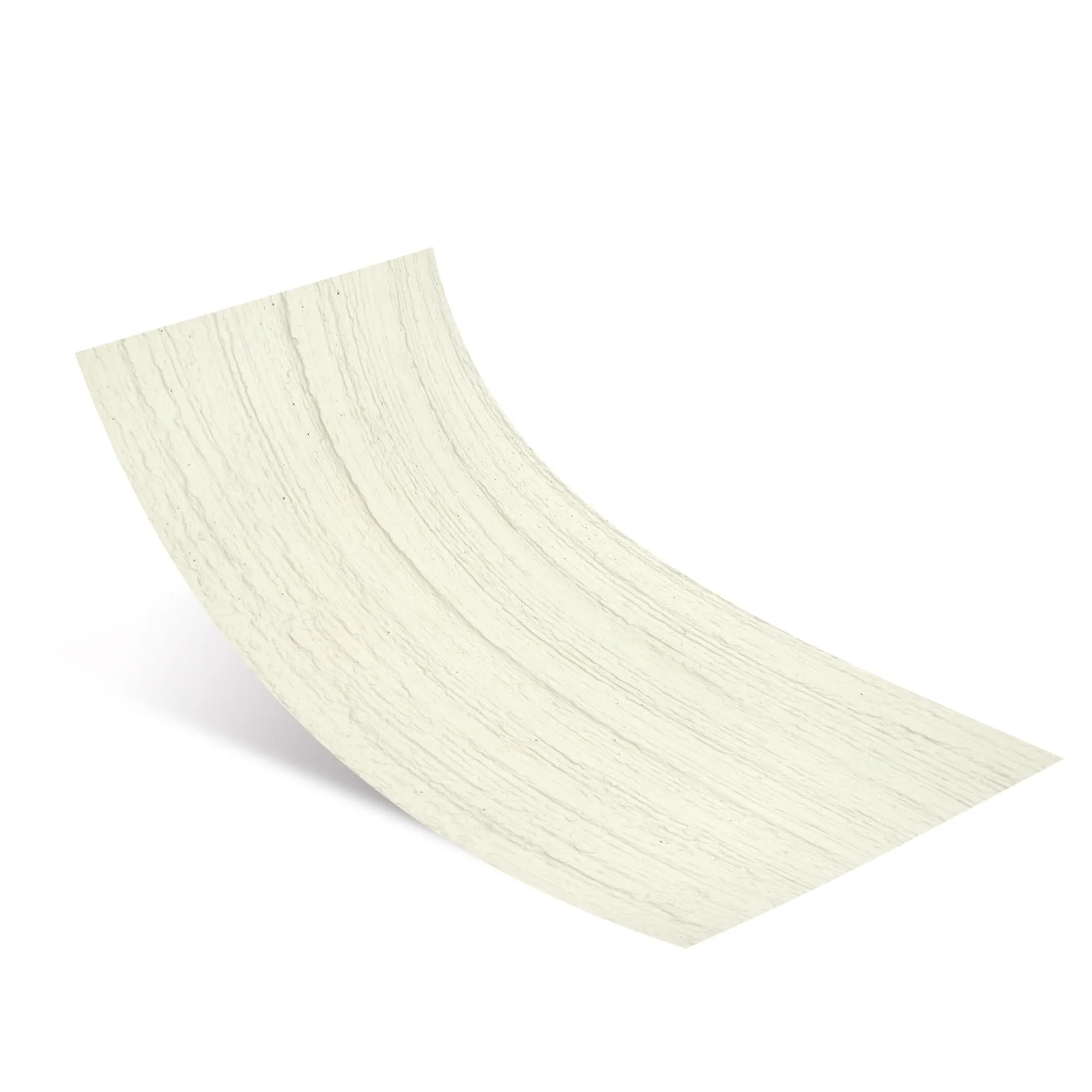
Gobi Panel vs. Quartz Surfaces: A Comparative Glance for Interior Applications
To make things clearer, let's look at a side-by-side comparison focusing on key aspects relevant to interior design and construction.
|
Feature
|
Gobi Panel (MCM)
|
Quartz Surfaces
|
|
Material Composition
|
Modified Cementitious Material (natural mineral powders, plant fibers, aggregates).
Eco-friendly production.
|
Crushed Quartz (90-95%), resins, polymers, pigments.
Engineered composite.
|
|
Flexibility & Formability
|
Highly flexible
; can be bent and applied to curved surfaces. Ideal for complex designs.
|
Rigid; limited to flat surfaces. Not suitable for curves or intricate shapes.
|
|
Weight
|
Lightweight, reducing structural load and installation complexity.
|
Heavy, requires substantial support and skilled installation.
|
|
Aesthetic Versatility
|
Extremely versatile; mimics various natural materials (stone, wood, brick) with
customization
in texture and color, including 3D effects.
|
Wide range of consistent colors and patterns; can mimic natural stone. Limited in texture and three-dimensional expression.
|
|
Durability
|
High resistance to impact, scratches, and wear. Breathable and long-lasting.
|
Very high scratch and impact resistance. Highly durable for heavy use.
|
|
Environmental Impact
|
Eco-friendly
, made from natural and recycled materials, low energy consumption in production, no VOCs.
|
Production can be energy-intensive; uses petroleum-based resins; environmental impact varies by manufacturer.
|
|
Maintenance
|
Generally low maintenance; easy to clean. No sealing required.
|
Very low maintenance; non-porous, never needs sealing. Easy to clean.
|
|
Installation
|
Easier and faster due to lightweight and flexibility; less labor-intensive.
|
More challenging and labor-intensive due to weight and rigidity; requires precise fabrication.
|
|
Typical Applications
|
Interior/exterior walls, facades, feature walls, columns, ceilings, bespoke furniture cladding.
|
Kitchen countertops, bathroom vanities, backsplashes, flat flooring.
|
|
Breathability
|
Breathable, helping with moisture regulation and healthier indoor air.
|
Non-breathable, seals the surface completely.
|
|
Cost (Overall Project)
|
Often more cost-effective due to lower material weight, shipping, and installation costs, plus long-term durability.
|
Higher initial material and installation costs, especially for complex designs.
|
When to Choose Gobi Panel (MCM) and When to Opt for Quartz
The decision ultimately boils down to the specific requirements of your project and your design aspirations.
-
You prioritize sustainability and environmental responsibility.
Gobi Panel is a truly green choice.
-
Your design involves curved surfaces, intricate textures, or unique 3D elements.
Its flexibility and customization options are unparalleled.
-
You need a lightweight solution
to reduce structural load or simplify logistics.
-
You are looking for a versatile material
that can be applied across various interior surfaces, from walls to ceilings, and even some furniture cladding.
-
You want a durable, long-lasting finish
that contributes to a healthier indoor environment through breathability.
-
You're aiming for cost-efficiency
through reduced shipping and installation labor, without compromising on aesthetic appeal or durability.
-
You value custom design possibilities
, allowing your project to truly stand out.
Choose Quartz Surfaces if:
-
Your primary need is for a highly durable, non-porous countertop or vanity surface
in kitchens and bathrooms.
-
You require consistent color and pattern uniformity
across flat surfaces.
-
You prefer a material with a very established market presence
and a long track record in specific applications like kitchen counters.
-
Ease of cleaning and minimal sealing requirements
are your top priorities for high-use horizontal surfaces.
The COLORIA GROUP Advantage: Innovating with MCM
At COLORIA GROUP, our focus on MCM technology, particularly products like Gobi Panel, stems from our commitment to providing cutting-edge, sustainable, and versatile building materials. We've seen firsthand how these materials transform spaces, offering designers and architects unprecedented freedom while adhering to the highest standards of quality and environmental stewardship. Our expertise, honed over decades in the industry and with a strong presence in global markets including Saudi Arabia, ensures that you receive not just a product, but a comprehensive solution.
We are more than just a supplier; we are your partner in building exceptional spaces. Whether it's the robustness of our MCM Big Slab Board Series for expansive interior walls or the artistic potential of our MCM 3D Printing Series for unique architectural details, we're here to support your vision from concept to completion.
Conclusion: Making the Right Choice for Your Space
Both Gobi Panel (MCM) and Quartz Surfaces are excellent materials, each with its own niche where it performs exceptionally. Quartz has cemented its place as a go-to for countertops due to its incredible hardness and non-porous nature. However, for interior wall cladding, decorative panels, and architectural features where
customization
, flexibility, sustainability, and aesthetic diversity are paramount, Gobi Panel from COLORIA GROUP's MCM series emerges as the superior choice.
It's about making an informed decision that aligns with your project's specific needs, design goals, budget, and environmental values. We believe that once you experience the versatility and benefits of Gobi Panel and our broader MCM product range, you'll understand why it's quickly becoming the material of choice for forward-thinking residential and commercial projects around the globe. Explore the possibilities with COLORIA GROUP and let's build something extraordinary together.