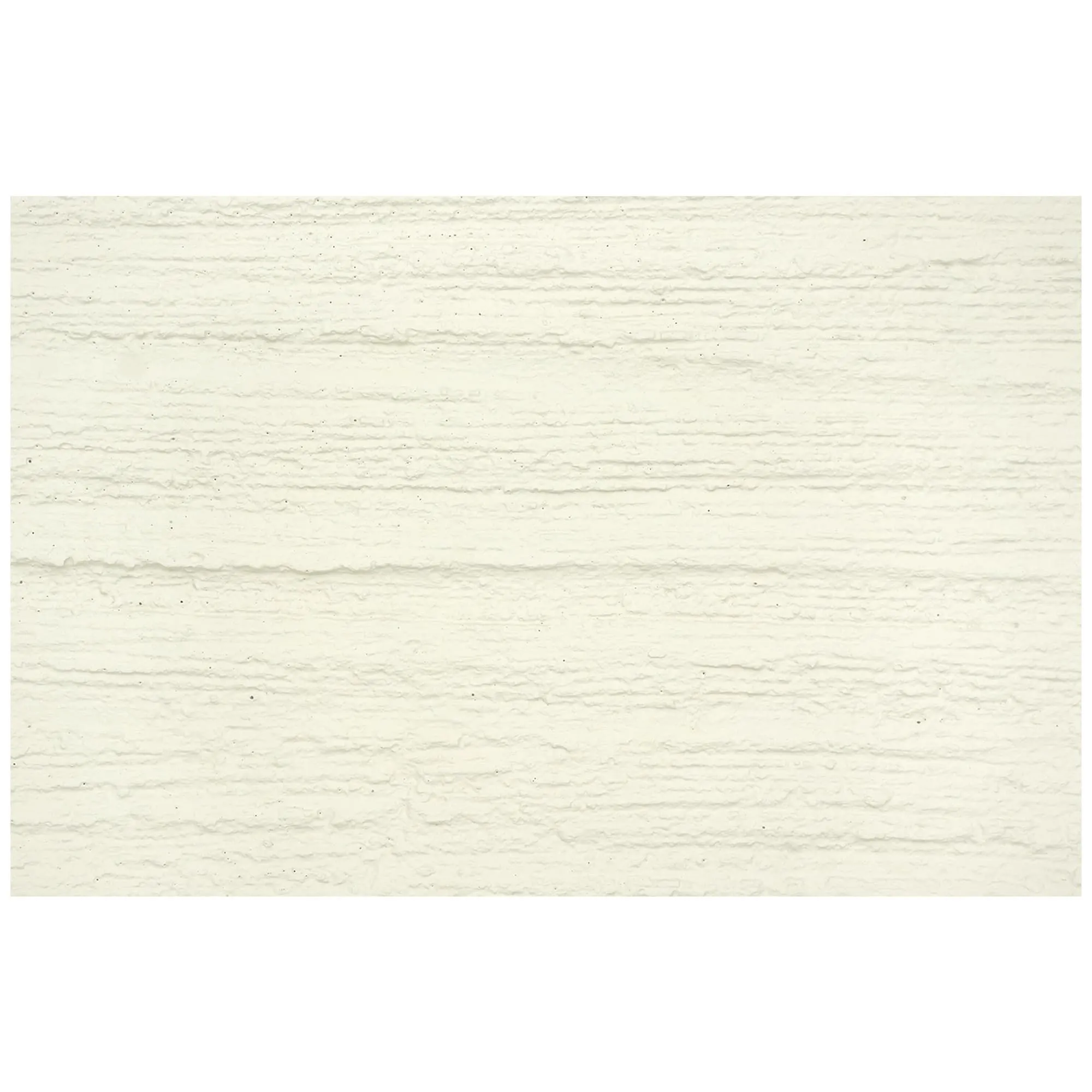
When it comes to building exteriors, durability and aesthetic appeal are often at the top of a project manager's or homeowner's priority list. No one wants to see their beautiful facade marred by unsightly cracks just a few years after installation. Crack resistance isn't just about looks; it speaks volumes about a material's longevity, its ability to protect the underlying structure from moisture intrusion, and ultimately, its long-term value. Today, we're diving deep into a head-to-head battle: traditional stucco versus
COLORIA GROUP
's innovative
Gobi Panel
. Our goal is to uncover which of these popular exterior cladding options truly offers superior resistance to cracking, and why that matters for your next residential or commercial project.
For decades, stucco has been a go-to choice for its classic look and versatility. It's a tried-and-true material with a rich history. However, with advancements in material science and construction technology, new contenders have emerged, promising enhanced performance and sustainability. This is where
COLORIA GROUP
, as a premier **one-stop solution provider** in architectural materials, steps in with our cutting-edge **MCM (Modified Cementitious Material)** series. We're particularly excited about our
Gobi Panel
, a flagship product designed to redefine expectations for exterior finishes.
Cracks in an exterior facade can stem from a multitude of factors: thermal expansion and contraction, building movement, moisture changes, improper installation, or even seismic activity. Understanding the root causes is crucial to evaluating how effectively a material can withstand these stresses. In this comprehensive comparison, we'll scrutinize the inherent properties of both stucco and
Gobi Panel
, their installation processes, maintenance requirements, and their long-term performance in various environmental conditions, ultimately determining which is the champion of crack resistance.
Understanding Stucco: The Traditional Choice
What Exactly is Stucco?
Stucco is a classic building material made from cement, sand, lime, and water. It's applied in layers over a wall, typically a lath base, to create a hard, durable, and decorative finish. Historically, stucco has been valued for its aesthetic versatility, allowing for a wide range of textures and colors, from smooth, contemporary finishes to rough, rustic appearances.
How Stucco Works (and Where It Can Fail)
The strength of traditional stucco comes from its cementitious composition, which hardens into a rigid shell. However, this rigidity is also its Achilles' heel when it comes to crack resistance. Here's why:
-
Shrinkage Cracks:
As stucco dries and cures, it naturally shrinks. This shrinkage, if not properly controlled with expansion joints or adequate curing time, can lead to fine hairline cracks. These are often superficial but can worsen over time.
-
Thermal Expansion and Contraction:
Buildings, and all materials within them, expand when heated and contract when cooled. Stucco, being a relatively brittle material, doesn't handle these constant cycles of expansion and contraction very well. Stress accumulates, eventually leading to cracks, especially in areas with significant temperature fluctuations.
-
Building Movement:
All buildings settle and move, albeit imperceptibly to the eye. This movement can put stress on rigid exterior finishes like stucco, causing them to crack, particularly around windows, doors, and corners where stress concentrations are highest.
-
Moisture Management:
While stucco is generally weather-resistant, improper detailing or moisture intrusion can weaken its integrity. Freeze-thaw cycles can exacerbate existing cracks, leading to spalling or larger damage.
-
Substrate Issues:
The stability of the underlying substrate is paramount. If the substrate moves or settles unevenly, the stucco applied over it will likely crack.
-
Installation Quality:
Stucco application is an art form. Inadequate mixing, improper curing, applying layers too thick or too thin, or rushing the process can significantly compromise its crack resistance. Without skilled craftsmen, even the best materials can fail.
The Stucco Dilemma:
While traditional stucco offers timeless aesthetics and a robust protective layer, its inherent rigidity and sensitivity to environmental stresses make it prone to cracking over its lifespan, often requiring regular maintenance and repairs to preserve its integrity and appearance.
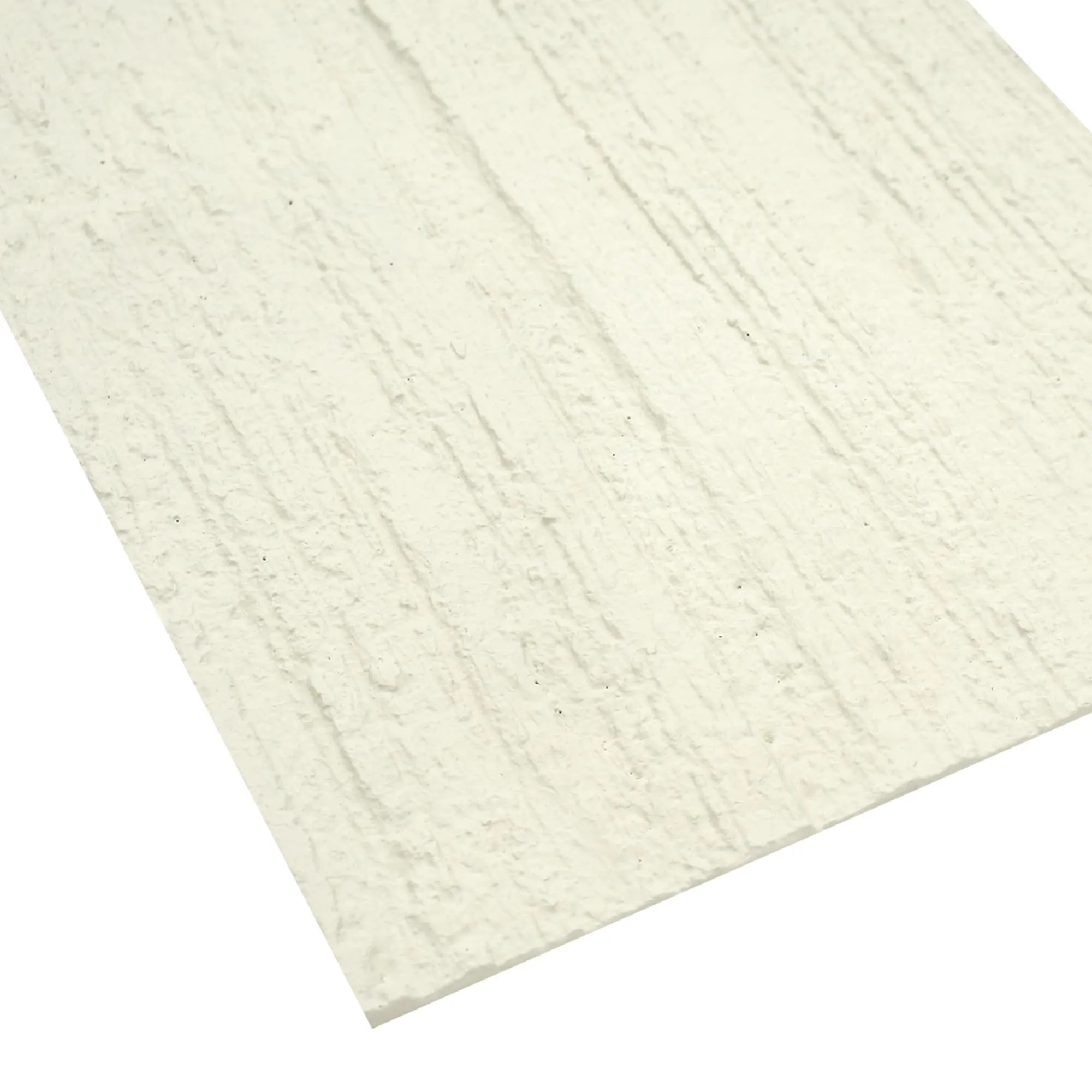
Introducing Gobi Panel: The Modern MCM Solution
What Makes Gobi Panel Different?
Gobi Panel
is a revolutionary product within
COLORIA GROUP
's **MCM (Modified Cementitious Material)** series. Unlike traditional stucco, which is a site-mixed, rigid application,
Gobi Panel
is a pre-manufactured, highly engineered panel. Our MCM technology incorporates a proprietary blend of minerals, polymers, and other additives, resulting in a material that retains the aesthetic appeal of cement-based finishes but with vastly improved flexibility and performance characteristics.
Gobi Panel
comes in various forms, including our
MCM Big Slab Board Series
and
MCM Project Board Series
, tailored for both grand architectural statements and large-scale engineering demands. It's designed specifically for demanding applications like building interior and exterior wall decoration, where durability and a pristine appearance are non-negotiable.
The Science Behind Gobi Panel's Superior Crack Resistance
The core innovation behind
Gobi Panel
lies in its modified cementitious composition, which addresses the very weaknesses inherent in traditional stucco. Here's how it achieves superior crack resistance:
-
Enhanced Flexibility:
This is the game-changer. Our MCM material is inherently more flexible than traditional cement. It can absorb stresses from thermal expansion/contraction and minor building movements without fracturing. Think of it less like brittle ceramic and more like a tough, slightly pliable plastic, but with the look and feel of stone or concrete. This flexibility drastically reduces the likelihood of shrinkage cracks and stress-induced cracking.
-
Pre-manufactured Quality Control:
Unlike stucco, which is mixed and applied on-site,
Gobi Panel
is manufactured in a controlled factory environment. This ensures consistent material composition, curing conditions, and overall quality, eliminating many of the variables that lead to stucco failures. Each panel meets stringent quality standards before it even reaches your project site.
-
Lightweight Design:
Gobi Panel
is significantly lighter than traditional stone or concrete panels, and even some thicker stucco applications. This reduces the load on the building structure and minimizes stress on the facade itself, contributing to overall stability and reducing the potential for cracks from structural strain.
-
Superior Adhesion and Impact Resistance:
The unique polymer blend in MCMs provides excellent adhesion to various substrates. Furthermore, its engineered composition gives it superior impact resistance compared to brittle stucco, meaning it's less likely to crack from accidental bumps or daily wear and tear.
-
Waterproof and Breathable Properties:
While traditional stucco can be susceptible to moisture damage if not perfectly installed,
Gobi Panel
is engineered for optimal moisture management. It is designed to be highly water-resistant yet breathable, preventing moisture entrapment that can lead to deterioration and crack propagation.
-
Thermal Stability:
The composition of
Gobi Panel
allows it to maintain greater stability across temperature fluctuations, reducing the internal stresses that cause thermal cracking in more rigid materials. This is particularly crucial in regions experiencing extreme heat or cold.
-
Customization Without Compromise:
One of the key advantages of
Gobi Panel
, and our entire MCM series, is its ability for **customization**. We can produce panels in a vast array of colors, textures, and even recreate the appearance of natural stone, brick, or wood, but with the superior performance of MCM. This means you don't have to sacrifice aesthetic vision for crack resistance.
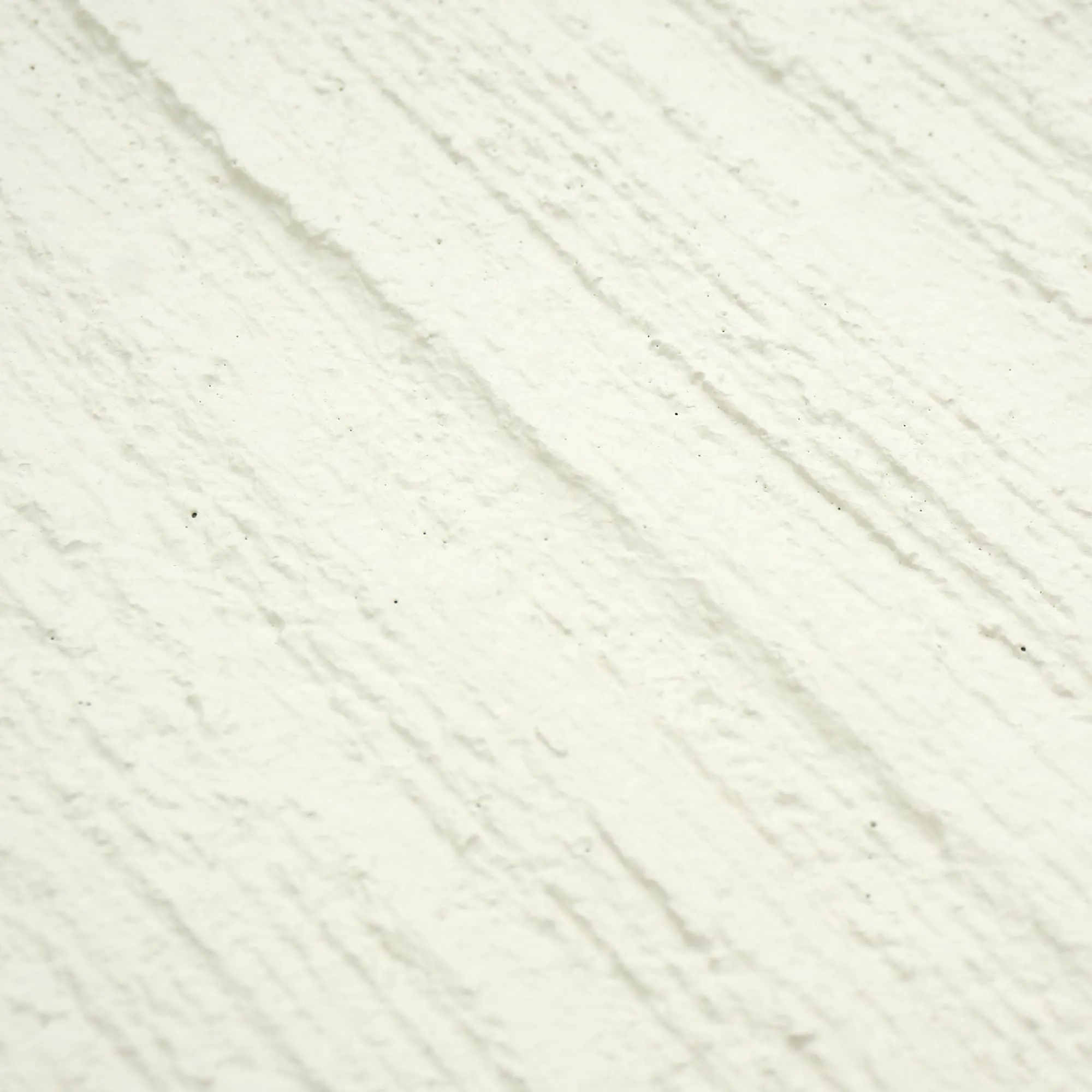
Head-to-Head: Gobi Panel vs. Stucco on Crack Resistance Factors
Let's put these two materials side-by-side on the specific factors that influence crack formation:
1. Material Composition and Flexibility
-
Stucco:
Primarily cement-based, resulting in a rigid, brittle material. It has very limited flexural strength, meaning it can't bend much before breaking. Cracks often initiate from internal stresses due to drying shrinkage or external forces.
-
Gobi Panel
:
An advanced **MCM (Modified Cementitious Material)**. The modification involves polymers and other additives that impart significant flexibility and elasticity. It can absorb kinetic energy and accommodate movement without cracking, making it far more forgiving than stucco.
2. Thermal Cycling Resilience
-
Stucco:
Highly susceptible to thermal cracking. The material expands and contracts at a different rate than the underlying structure, creating shear forces that lead to cracks, especially at stress points like window corners. Severe temperature swings, common in many climates, accelerate this degradation.
-
Gobi Panel
:
Engineered with improved thermal stability. Its flexible nature allows it to better manage differential expansion and contraction, distributing stress more effectively across the panel rather than concentrating it at weak points. This significantly enhances its performance in extreme hot or cold environments, common in regions like **Saudi Arabia** where temperature variations can be significant.
3. Building Movement and Settlement
-
Stucco:
Minor building settlement or seismic activity can easily cause stucco to crack. Its monolithic application means stress is transferred directly across large areas, and if movement occurs, the entire rigid surface can fracture.
-
Gobi Panel
:
As pre-fabricated panels, they are installed with appropriate jointing systems that further allow for building movement. The inherent flexibility of the MCM material, combined with precise installation techniques for each
MCM Project Board Series
, means it can accommodate a greater degree of structural movement without developing cracks.
4. Installation Process and Quality Control
-
Stucco:
Relies heavily on the skill of the applicator, site conditions, and proper curing. Inconsistent mixing, inadequate hydration, or rushing the drying process can all lead to internal stresses and cracking. Quality control is localized and variable.
-
Gobi Panel
:
Manufactured under strict quality control standards in a factory. This guarantees consistent material properties for every
MCM Big Slab Board Series
. Installation involves trained professionals applying adhesive and fixing panels, a process that is less prone to the human error associated with on-site mixing and layering of stucco. This reduces installation-related cracking significantly.
5. Impact Resistance
-
Stucco:
Can be brittle and is susceptible to impact damage from hail, thrown objects, or accidental contact. Even minor impacts can chip or crack the surface, creating entry points for moisture and further degradation.
-
Gobi Panel
:
Due to its polymer-modified composition,
Gobi Panel
exhibits higher impact resistance. It's designed to absorb energy more effectively, making it less prone to cracking or chipping from localized impacts. This robust nature contributes to a longer-lasting, blemish-free facade.
"Cracks are not just aesthetic flaws; they are pathways for moisture, leading to structural damage and costly repairs. Choosing a crack-resistant material upfront is an investment in your building's future."
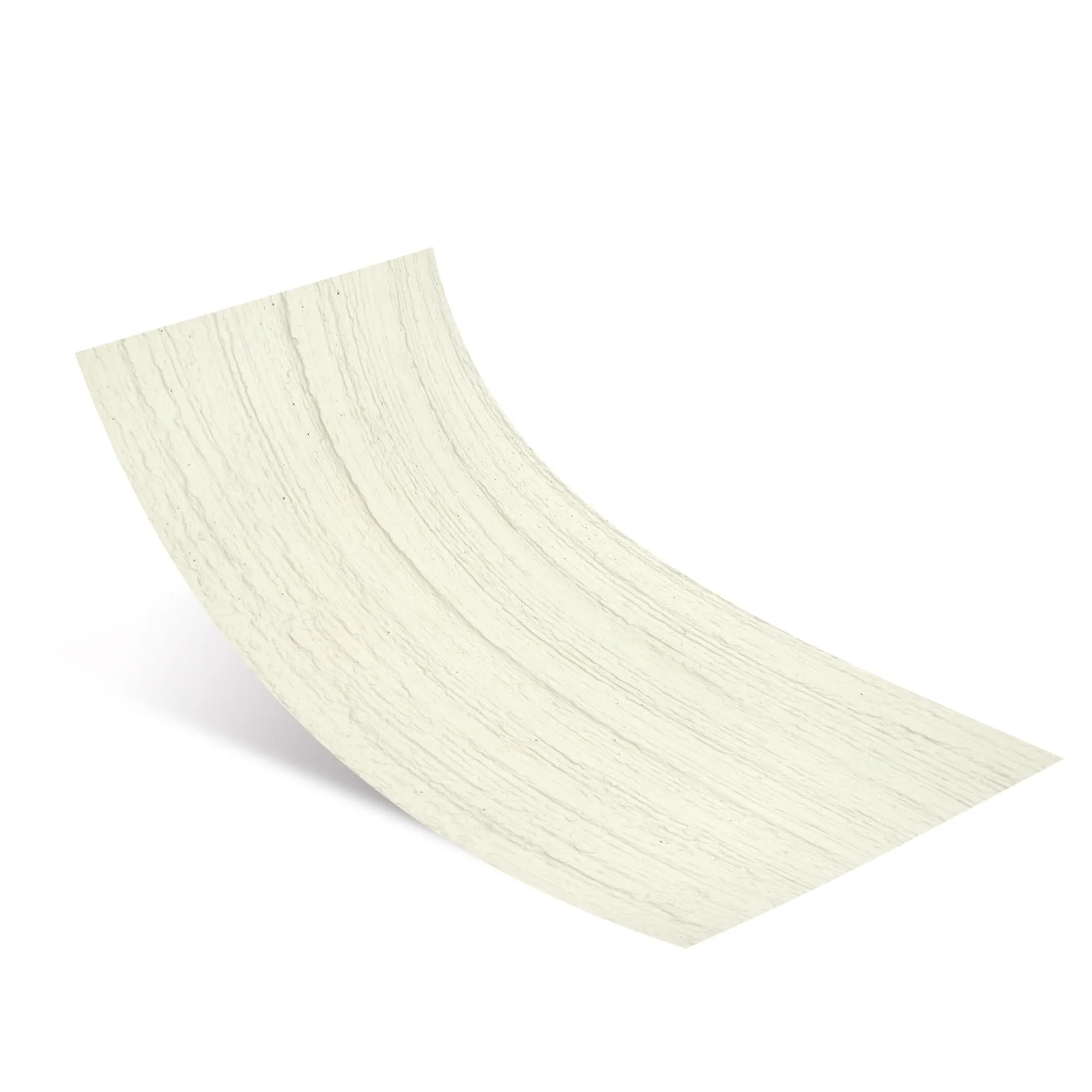
Long-Term Performance and Maintenance
Stucco's Long-Term Challenges
While stucco can last for decades, its longevity is often punctuated by periods of repair. Homeowners and building managers frequently face:
-
Patching Hairline Cracks:
A common ritual, often requiring matching colors that may have faded differently over time.
-
Repairing Larger Cracks:
More significant cracks demand professional attention, sometimes involving cutting out sections and re-applying, which can be expensive and disruptive.
-
Repainting/Resurfacing:
To maintain aesthetics and protect against moisture, stucco often needs repainting or resurfacing every 5-10 years, depending on climate and exposure.
-
Moisture Damage:
If cracks allow water infiltration, it can lead to rot in underlying sheathing or framing, mold growth, and eventually structural compromise, requiring extensive and costly remediation.
Gobi Panel's Low-Maintenance Longevity
Gobi Panel
, by design, offers a drastically reduced maintenance burden, primarily because its inherent crack resistance prevents many of the issues stucco faces:
-
Minimal Cracking:
The flexible and durable nature of
Gobi Panel
means cracks are a rare occurrence, virtually eliminating the need for crack patching.
-
Color Stability:
Our MCM products use high-quality pigments and are manufactured to resist UV degradation, meaning their color remains vibrant and consistent for a much longer period, reducing the need for frequent repainting.
-
Water-Tight Integrity:
With its advanced material properties and precise panel installation,
Gobi Panel
provides an excellent barrier against moisture, safeguarding the building's structural integrity and preventing mold and rot issues.
-
Durability:
Designed for long-term performance,
Gobi Panel
is built to withstand harsh environmental conditions, providing a facade that looks good and performs well for decades with minimal intervention.
Environmental Considerations: Stucco vs. Gobi Panel
Beyond performance, the environmental footprint of building materials is increasingly important.
COLORIA GROUP
is deeply committed to **green and environmentally friendly** solutions, and this is reflected in our MCM series.
Stucco's Environmental Profile
-
Energy Intensive Production:
Cement production, a primary component of stucco, is known for its high energy consumption and significant CO2 emissions.
-
Waste:
On-site mixing can lead to material waste. Repairs and demolition also generate waste.
-
Durability Issues:
Frequent repairs and shorter aesthetic lifespans can lead to more material consumption over the building's life.
-
Lower Embodied Energy:
Gobi Panel
, as an MCM, generally has a lower embodied energy compared to traditional cement-heavy products or natural stone due to its composition and manufacturing process.
-
Reduced Raw Material Consumption:
By using reconstituted materials and efficient production, our MCM panels minimize the depletion of virgin resources.
-
Reduced Waste:
Being factory-produced panels, installation waste is significantly reduced compared to site-mixed materials. Furthermore, the longevity and minimal need for replacement reduce overall waste generation over the building's lifecycle.
-
Durability & Longevity:
The superior crack resistance and overall durability of
Gobi Panel
mean a longer service life, reducing the frequency of replacement and the associated environmental impact. This aligns perfectly with sustainable building practices.
-
Recyclability:
Many MCM materials are designed with end-of-life considerations, offering potential for recycling and re-use.
COLORIA GROUP
is not just about innovative products; we are about responsible innovation. Our commitment to **green and environmentally friendly** materials ensures that you're not just building beautifully, but also building sustainably.
A Comprehensive Comparison: Stucco vs. Gobi Panel
Here's a snapshot of how these two materials stack up:
|
Feature
|
Traditional Stucco
|
Gobi Panel
(MCM)
|
|
Crack Resistance
|
Moderate to Low (Prone to shrinkage, thermal, and movement cracks)
|
Excellent (High flexibility, engineered for stress absorption)
|
|
Material Composition
|
Cement, sand, lime, water (rigid)
|
Modified Cementitious Material (MCM) with polymers and minerals (flexible)
|
|
Installation Method
|
On-site mixing and layering (skill-dependent)
|
Pre-fabricated panels, adhesive/mechanical fixing (consistent quality)
|
|
Thermal Movement
|
Poor tolerance, prone to thermal cracking
|
High tolerance, flexible to accommodate expansion/contraction
|
|
Building Movement
|
Susceptible to cracking from minor settlement
|
Accommodates movement due to flexibility and jointing systems
|
|
Maintenance Needs
|
Frequent crack patching, repainting, potential moisture repairs
|
Very low; minimal cracking, long-lasting color, excellent moisture barrier
|
|
Impact Resistance
|
Moderate to Low (can chip or crack easily)
|
High (engineered to absorb impacts)
|
|
Aesthetic Versatility
|
Good (various textures, colors)
|
Excellent (**Customization** in texture, color, realistic stone/brick finishes)
|
|
Environmental Footprint
|
Higher embodied energy, more site waste, potential for more frequent replacement
|
Lower embodied energy, reduced waste, long lifespan, supports **green and environmentally friendly** building
|
|
Typical Lifespan (Aesthetic)
|
10-20 years before significant repairs/refresh needed
|
30+ years with minimal intervention
|
|
Cost Implications
|
Lower initial cost, higher long-term maintenance costs
|
Potentially higher initial cost, significantly lower long-term maintenance costs and higher ROI
|
The
COLORIA GROUP
Advantage: More Than Just a Product
Choosing
Gobi Panel
means choosing a superior product backed by a superior company.
COLORIA GROUP
is not merely a material supplier; we pride ourselves on being an **one-stop solution provider** for all your architectural material needs. Our extensive experience, spanning decades in the industry, allows us to offer comprehensive support for projects of any scale.
Global Reach, Local Expertise
Our business isn't limited by borders. We operate on a global scale, bringing our advanced MCM technology to projects worldwide. A prime example of our strategic presence is our established agency in **Saudi Arabia**. This local presence allows us to understand specific regional challenges, climatic demands, and cultural aesthetics, ensuring that our solutions, including
Gobi Panel
, are not just technically sound but also perfectly suited to the local context. Whether it's the extreme heat of the desert or the need for durable, low-maintenance facades in bustling urban centers, our team is equipped to deliver.
Beyond Products: A Full-Service Partnership
When you partner with
COLORIA GROUP
, you gain access to:
-
Expert Consultation:
Our team of specialists can guide you through material selection, ensuring the right MCM product for your specific project requirements, be it our
MCM Big Slab Board Series
,
MCM Project Board Series
, or even our innovative
MCM 3D Printing Series
.
-
Customization Services:
We excel in **customization**, offering bespoke solutions in color, texture, and finish to bring your architectural vision to life without compromising performance. Imagine achieving the look of natural stone with the flexibility and durability of
Gobi Panel
– it's entirely possible. Our
MCM Flexible Stone
series is a testament to this capability.
-
Technical Support:
From design integration to installation guidance, we provide unparalleled technical support to ensure flawless execution and optimal performance of our products.
-
Supply Chain Efficiency:
Leveraging our global network, we ensure timely and efficient delivery of materials, crucial for keeping your project on schedule and budget.
The Verdict: Gobi Panel Takes the Crown for Crack Resistance
In the direct comparison of crack resistance, the evidence overwhelmingly points to
Gobi Panel
, and by extension,
COLORIA GROUP
's entire **MCM (Modified Cementitious Material)** series, as the superior choice over traditional stucco. While stucco holds a place in history for its aesthetic appeal, its inherent rigidity makes it perpetually vulnerable to the stresses that lead to cracking – shrinkage, thermal expansion, building movement, and impacts.
Gobi Panel
, born from advanced material science and precision manufacturing, systematically addresses these vulnerabilities. Its enhanced flexibility, pre-fabricated quality, thermal stability, and superior impact resistance make it exceptionally resilient to the forces that cause stucco to fail. This translates directly into a facade that maintains its pristine appearance longer, requires significantly less maintenance, and provides superior protection for the building below.
Choosing
Gobi Panel
is an investment not just in beauty, but in lasting performance, reduced long-term costs, and peace of mind. It's a choice that aligns with modern building demands for durability, sustainability (being **green and environmentally friendly**), and design flexibility through **customization**. With
COLORIA GROUP
as your **one-stop solution provider**, you're not just getting a product; you're gaining a partner dedicated to the success and longevity of your architectural endeavors, whether you're building a high-rise in **Saudi Arabia** or a bespoke residence anywhere in the world.
Future-proof your building's exterior with the innovation and reliability of
Gobi Panel
. Say goodbye to the endless cycle of crack repair and embrace a facade that truly stands the test of time.