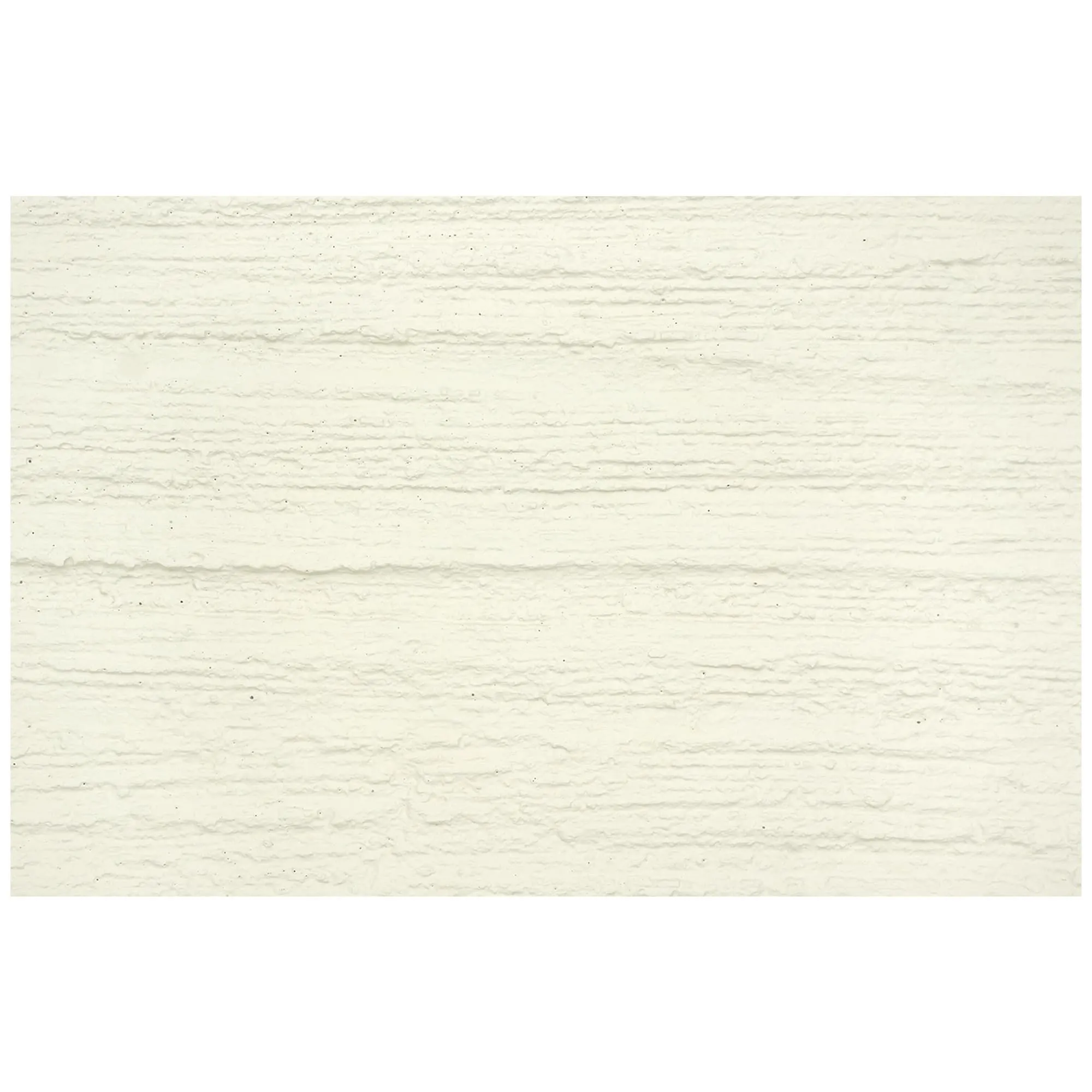
When you're designing or renovating a building, especially its facade, the material choices can feel overwhelming. It's not just about how something looks; it's about how it performs, how long it lasts, and what it costs in the long run. Today, we're diving deep into a head-to-head comparison between two popular facade options: traditional Terracotta and COLORIA GROUP's innovative Gobi Panel, which is our signature
Modified Cementitious Material (MCM)
. We want to help you understand the nuances, so you can make an informed decision that truly elevates your project.
At COLORIA GROUP, we pride ourselves on being a
one-stop solution provider
for all your architectural material needs, offering high-quality interior and exterior finishes for both residential and commercial projects globally. Our expertise, honed over decades, allows us to bring you cutting-edge materials like Gobi Panel, designed to meet the modern demands of aesthetics, sustainability, and performance.
Understanding the Contenders: Gobi Panel (MCM) vs. Terracotta
First, let's get a clearer picture of what we're talking about.
What is Terracotta?
Terracotta, which literally means "baked earth," is an ancient material that has been used in architecture for centuries. It's essentially clay-based ceramic, typically unglazed, and fired at high temperatures. Think of those beautiful, rustic buildings with warm, earthy tones – that's often Terracotta. It's known for its natural beauty, durability, and ability to withstand various climates, making it a timeless choice for facades, roofing, and decorative elements.
What is Gobi Panel (COLORIA GROUP's MCM)?
Our Gobi Panel is a groundbreaking
Modified Cementitious Material (MCM)
. This isn't your grandma's cement! It's an advanced composite material made from a blend of natural mineral powders, plant fibers, and other additives, all modified using proprietary technology. The result is a lightweight, flexible, and highly durable material that can mimic the look and feel of various natural substances like stone, wood, and even concrete, without the inherent drawbacks of those materials. Our MCM
large-format panels
and
flexible stone
series are particularly popular for exterior applications. It's a game-changer for those seeking both innovation and environmental responsibility.
Aesthetic Appeal: Beauty in the Eye of the Beholder?
Let's be honest, for many projects, the visual impact of a facade is paramount. How do these two materials stack up in terms of making a building stand out?
Terracotta: The Classic Charm
-
Natural Warmth:
Terracotta offers a distinct, earthy aesthetic with a range of warm reds, oranges, and browns. Its natural variations in color and texture can create a very organic, inviting look.
-
Timeless Elegance:
It has a historical charm that can evoke a sense of tradition and permanence. For projects aiming for a classic, Mediterranean, or even industrial-chic vibe, Terracotta is often a go-to.
-
Form and Shadow:
Terracotta panels and rain screens often come with specific profiles that create interesting shadow lines, adding depth and articulation to the facade.
-
Limited Color Palette:
While beautiful, the color range of natural Terracotta is inherently limited by the clay's natural composition and firing process. Custom colors are possible but often involve glazing, which changes the material's character.
Gobi Panel (MCM): The Modern Chameleon
-
Unparalleled Versatility:
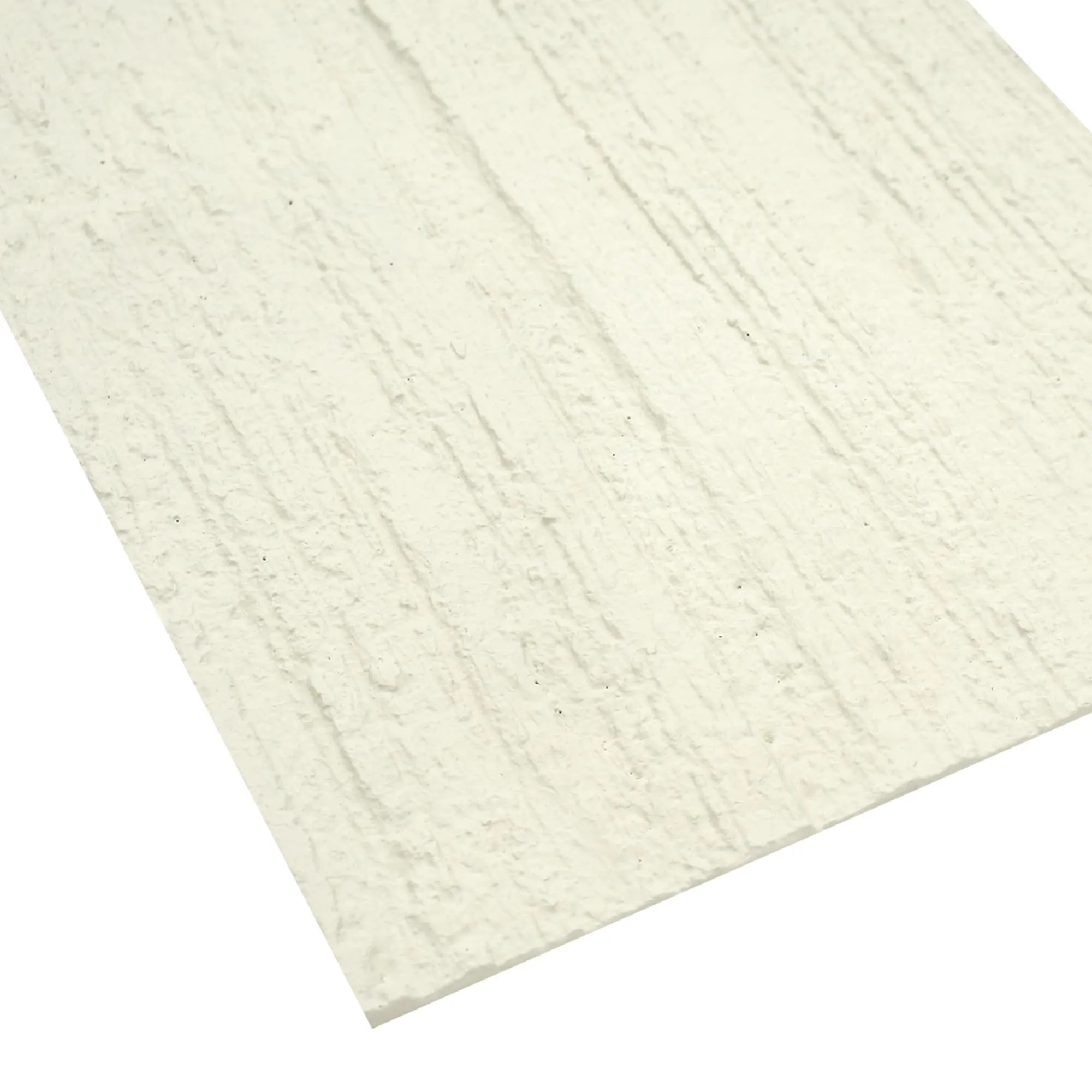
This is where Gobi Panel truly shines. Thanks to its innovative composition, it can be manufactured to replicate almost any natural material – think realistic stone textures, varied wood grains, sleek concrete finishes, or even unique patterns and colors that don't exist in nature. The flexibility extends to our
MCM 3D Printing Series
, opening up incredible possibilities.
-
Color and Texture Freedom:
With Gobi Panel, designers have virtually unlimited options. Want a specific shade of blue with a sandstone texture? No problem. A minimalist gray with a polished concrete look in massive
large-format panels
? Absolutely. This level of
customization
is a huge advantage for modern architectural visions.
-
Sleek and Seamless:
Our MCM panels can be produced in very large formats, leading to fewer joints and a more continuous, modern aesthetic, particularly appealing for contemporary designs that favor clean lines.
-
Consistency:
Unlike natural materials, Gobi Panel offers consistent color and texture across batches, ensuring a uniform look for large projects, something that can be a challenge with Terracotta.
Functional Performance: Beyond Just Good Looks
A building's facade is its skin, protecting it from the elements and contributing to its overall performance. Aesthetics are crucial, but durability, maintenance, and structural considerations are just as vital.
Durability and Longevity
-
Terracotta:
Highly durable and resistant to weathering, UV radiation, and fire. It's a robust material that, when properly installed and maintained, can last for centuries. However, it can be brittle and susceptible to impact damage if not handled carefully, and significant thermal shock can lead to cracking. Its porosity can also be an issue in freeze-thaw cycles if not properly sealed or glazed.
-
Gobi Panel (MCM):
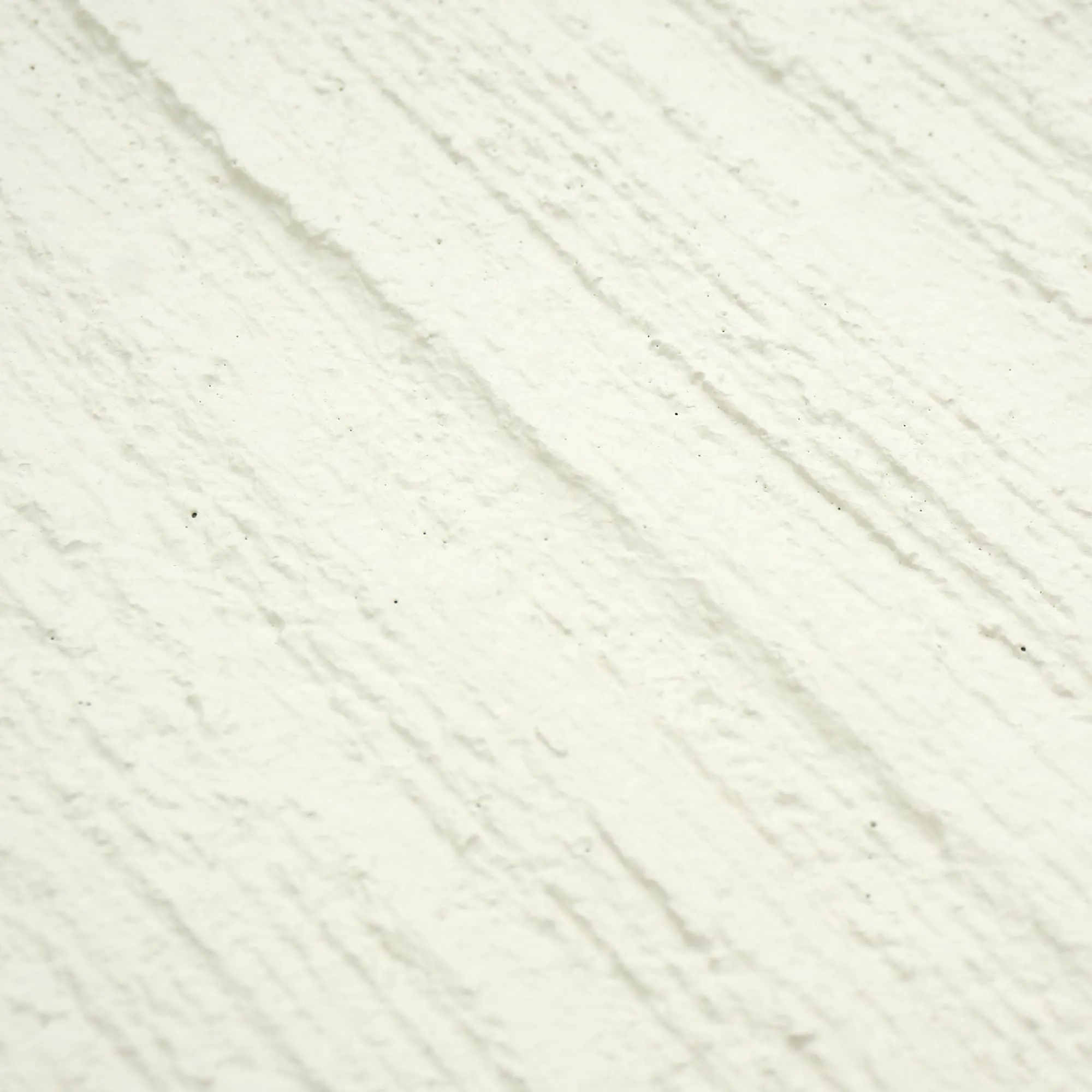
Engineered for extreme durability. Our MCM is incredibly tough, resistant to impact, abrasion, UV fading, and extreme temperature fluctuations. Its flexibility also gives it an advantage over brittle materials, making it less prone to cracking from minor structural movements or impacts. It's waterproof and highly resistant to fungi, algae, and insect infestation. Our extensive testing ensures it withstands harsh environments, making it ideal for various global applications, including regions like Saudi Arabia where we have a strong presence.
Weight and Structural Impact
-
Terracotta:
Generally a heavy material. While individual panels might be manageable, the cumulative weight of a large Terracotta facade requires significant structural support. This can add complexity and cost to the building's foundation and framework, especially for taller structures or renovations.
-
Gobi Panel (MCM):
A clear winner here. One of the standout features of our
Modified Cementitious Material
is its incredibly light weight. This dramatically reduces the load on the building's structure, often allowing for lighter framing, simpler foundations, and easier, faster installation. For renovation projects, it can often be applied over existing facades without requiring extensive structural upgrades, saving both time and money.
Installation and Maintenance
-
Terracotta:
Installation can be labor-intensive and requires skilled craftsmen. The brittle nature of the material means careful handling, and precise alignment is crucial for an aesthetically pleasing outcome. Maintenance typically involves cleaning to prevent dirt buildup and checking for cracks or spalling, especially in areas with freeze-thaw cycles. Unglazed Terracotta may require periodic sealing to maintain its integrity and color.
-
Gobi Panel (MCM):
Designed for ease of installation. Its light weight and flexibility simplify handling and reduce installation time. Our panels can be cut, shaped, and adhered or mechanically fastened to various substrates with relative ease. This makes it a more efficient choice for large-scale projects. In terms of maintenance, Gobi Panel is remarkably low-fuss. It's inherently resistant to stains, fading, and weathering, usually requiring nothing more than occasional washing with water and a mild detergent to keep it looking pristine. This low maintenance significantly reduces long-term operational costs for building owners.
Sustainability and Environmental Impact
In today's world, the
eco-friendly
credentials of building materials are more important than ever. Both materials have aspects worth considering.
-
Terracotta:
Made from abundant natural clay, a renewable resource. However, its production involves firing at very high temperatures, which is an energy-intensive process, contributing to a significant carbon footprint. While it's durable, the quarrying of clay and the firing process are environmental considerations.
-
Gobi Panel (MCM):
This is where COLORIA GROUP truly walks the talk on being
eco-friendly
. Our Modified Cementitious Material is produced with significantly lower energy consumption compared to traditional ceramics or stone. It uses natural mineral powders and plant fibers, often incorporating recycled content. Its lightweight nature also translates to reduced transportation costs and associated emissions. Furthermore, its long lifespan and low maintenance requirements minimize the need for replacement and resource consumption over time, making it a genuinely sustainable choice for modern architecture. We are committed to developing materials that not only perform exceptionally but also respect our planet.
Cost Considerations: Initial vs. Lifetime
-
Terracotta:
Initial material cost can be moderate to high, depending on the type, finish, and complexity of the panels. Installation costs are often higher due to the weight, brittleness, and specialized labor required. Long-term maintenance, including potential sealing and repairs, can add to the lifetime cost.
-
Gobi Panel (MCM):
The initial material cost for our Gobi Panel is highly competitive, especially when considering its versatility and performance. Crucially, the lower installation costs due to its lightweight and ease of handling, combined with minimal maintenance requirements, result in a significantly lower total lifetime cost for the building owner. This makes it an economically savvy choice for a wide range of projects. Our ability to offer a
one-stop solution provider
approach often means we can optimize costs across the entire project lifecycle.
Design Flexibility and Customization: Shaping Your Vision
Architects and designers constantly push boundaries, seeking materials that can bring their unique visions to life. How do these two materials support creative freedom?
Terracotta's Design Language
-
Traditional Forms:
Terracotta often excels in traditional forms – louvers, baguettes, and panel systems that emphasize its natural origins and classic appeal. Its inherent characteristics lend themselves well to repetitive patterns and modular designs.
-
Texture from Profile:
The texture and visual interest often come from the profile of the Terracotta unit and how light interacts with it. Glazing can introduce different colors and sheens, but the base material's visual identity remains strong.
-
Size Limitations:
Due to the firing process and material properties, Terracotta panels have practical size limitations. This means more joints and a different scale of facade articulation compared to truly
large-format panels
.
Gobi Panel (MCM)'s Infinite Possibilities
-
Truly Customized Aesthetics:
As a
Modified Cementitious Material
, Gobi Panel offers unparalleled
customization
. We can replicate virtually any texture – rough stone, smooth concrete, weathered wood, even metallic sheens – and integrate it with any color. This opens up a world of possibilities for designers who aren't limited by natural material constraints. Our
MCM 3D Printing Series
takes this a step further, allowing for complex geometries and intricate patterns directly integrated into the panel itself.
-
Flexible Shapes and Sizes:
Beyond just surface appearance, Gobi Panels can be produced in extremely
large-format panels
, minimizing joints for a sleek, monolithic look. But it's not just about large slabs; our
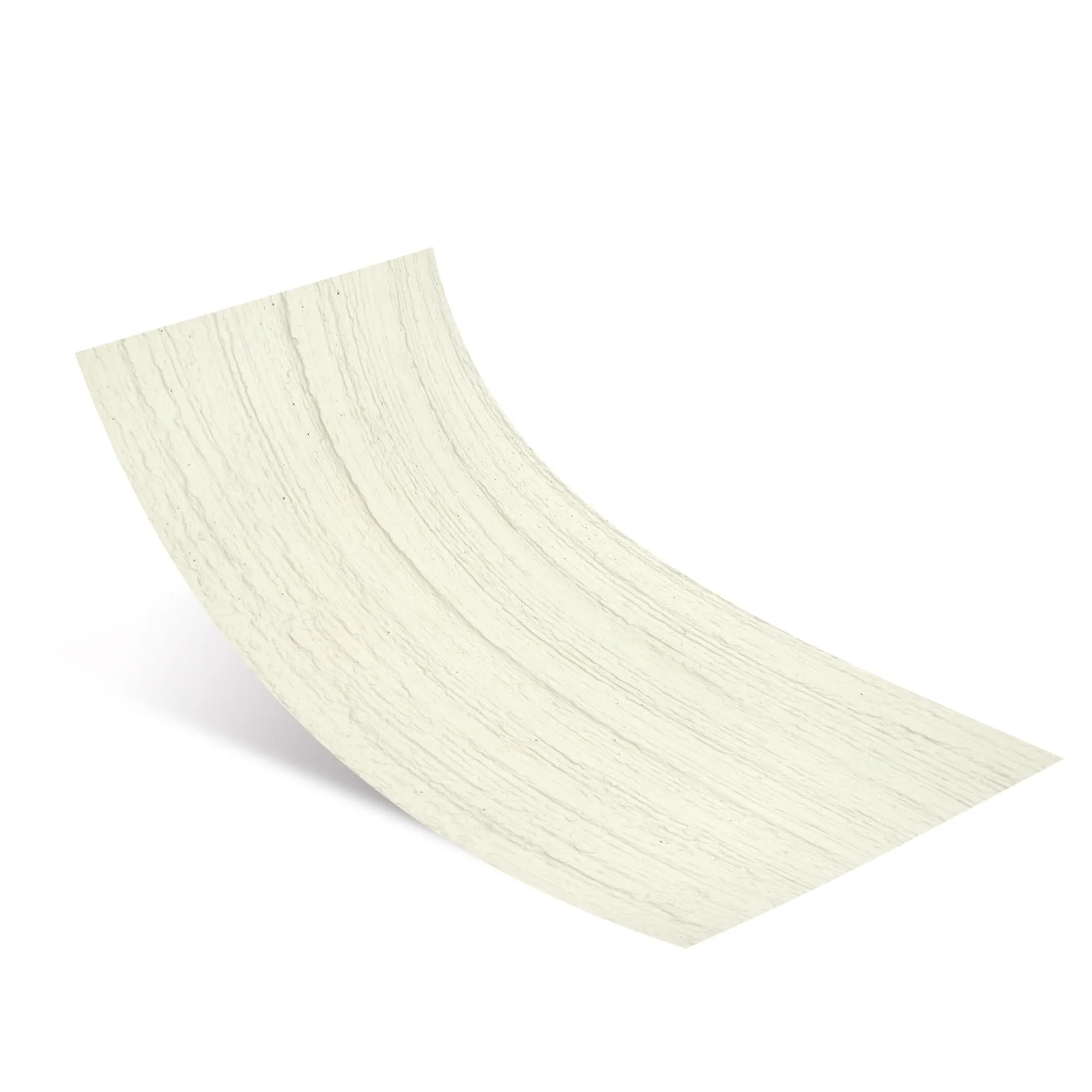
flexible stone
series even allows for curved applications, letting architecture truly flow and embrace organic forms, something very challenging with traditional Terracotta.
-
Consistent Quality for Complex Designs:
When you're pushing design boundaries, consistency is key. Gobi Panel provides uniform quality, color, and texture across all panels, ensuring that your ambitious design is executed flawlessly.
-
Integrated Solutions:
As a
one-stop solution provider
, COLORIA GROUP doesn't just offer the material; we can work with designers from concept to completion, ensuring the material fully supports the architectural vision.
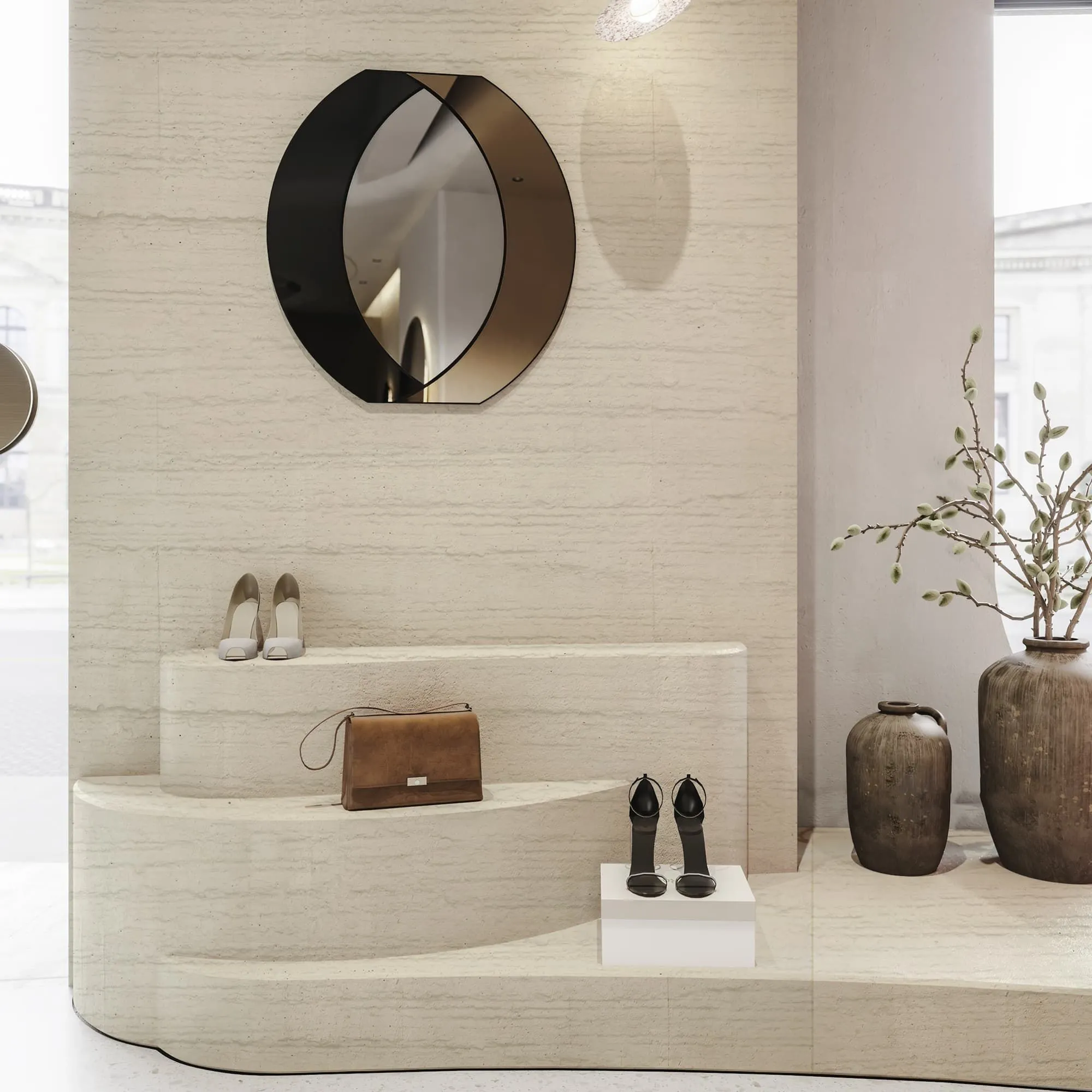
Comparative Overview: Gobi Panel (MCM) vs. Terracotta
|
Feature
|
Terracotta
|
Gobi Panel (COLORIA GROUP's MCM)
|
|
Aesthetic Range
|
Earthy tones, natural variations, classic, rustic look. Limited color palette unless glazed.
|
Unlimited colors, textures (stone, wood, concrete, custom), sleek modern to intricate traditional. High degree of
customization
.
|
|
Durability
|
Good resistance to weathering and UV. Can be brittle, susceptible to impact damage and thermal shock cracking. Porosity can be an issue.
|
Excellent resistance to impact, abrasion, UV, extreme temperatures. Flexible, less prone to cracking. Waterproof, resistant to biological growth. Engineered for high performance.
|
|
Weight
|
Heavy. Requires significant structural support, higher shipping costs.
|
Extremely lightweight. Reduces structural load, simplifies installation, lowers shipping costs.
|
|
Installation
|
Labor-intensive, requires skilled craftsmen, careful handling due to brittleness. Slower installation.
|
Easier, faster installation. Can be cut and shaped on-site. Reduces labor time and costs. Suitable for
large-format panels
.
|
|
Maintenance
|
Requires periodic cleaning, checking for cracks/spalling, potential sealing. Can be higher in certain climates.
|
Very low maintenance. Resistant to stains, fading, and weathering. Simple cleaning with water/mild detergent.
|
|
Sustainability
|
Natural resource (clay). High energy consumption in firing process.
|
Eco-friendly
production with lower energy consumption. Utilizes natural minerals and plant fibers. Lightweight reduces transport emissions. Long lifespan.
|
|
Cost (Lifetime)
|
Moderate to high initial material, higher installation, ongoing maintenance can add to lifetime cost.
|
Competitive initial material, significantly lower installation and maintenance costs. Excellent value proposition. As a
one-stop solution provider
, COLORIA GROUP optimizes project costs.
|
|
Flexibility (Shapes/Sizes)
|
Limited by material properties and firing process. Primarily planar or specific profiles.
|
High flexibility. Available in
large-format panels
,
flexible stone
series for curved surfaces, and
MCM 3D Printing Series
for intricate designs.
|
Why COLORIA GROUP's Gobi Panel Might Be Your Next Facade Solution
In conclusion, while Terracotta holds a revered place in architectural history with its undeniable charm and proven durability over centuries, the demands of modern architecture – for greater design freedom, enhanced performance, sustainability, and cost-efficiency – often point towards innovative solutions.
COLORIA GROUP's Gobi Panel, our advanced
Modified Cementitious Material
, represents the pinnacle of these modern demands. It's not just a material; it's a versatile platform for architectural expression.
-
Unleash Your Creativity:
With infinite
customization
in color, texture, and form, including our
large-format panels
and
flexible stone
, Gobi Panel empowers architects and designers to realize even the most ambitious visions without compromise. From mimicking natural elements to creating truly unique, contemporary finishes, the possibilities are boundless.
-
Superior Performance, Less Hassle:
Its lightweight nature simplifies structural requirements and speeds up installation, while its robust durability ensures resistance against the harshest elements. The minimal maintenance needed translates directly into long-term savings and peace of mind for building owners.
-
Commitment to the Planet:
As an
eco-friendly
material, Gobi Panel significantly reduces environmental impact throughout its lifecycle, aligning with global sustainability goals and green building certifications.
-
A Partner You Can Trust:
At COLORIA GROUP, we're not just selling products; we're offering comprehensive support as a
one-stop solution provider
. With decades of industry experience and a global reach, including strong ties in Saudi Arabia, we ensure that you receive not only high-quality materials but also expert guidance and tailored solutions for your residential or commercial project.
Choosing a facade material is a long-term investment in your building's identity and performance. While Terracotta will always have its place, for those seeking a material that combines classic beauty with modern innovation, outstanding functional benefits, and a strong commitment to sustainability, COLORIA GROUP's Gobi Panel stands out as the intelligent, forward-thinking choice for facades of tomorrow.
Let's build something extraordinary together.