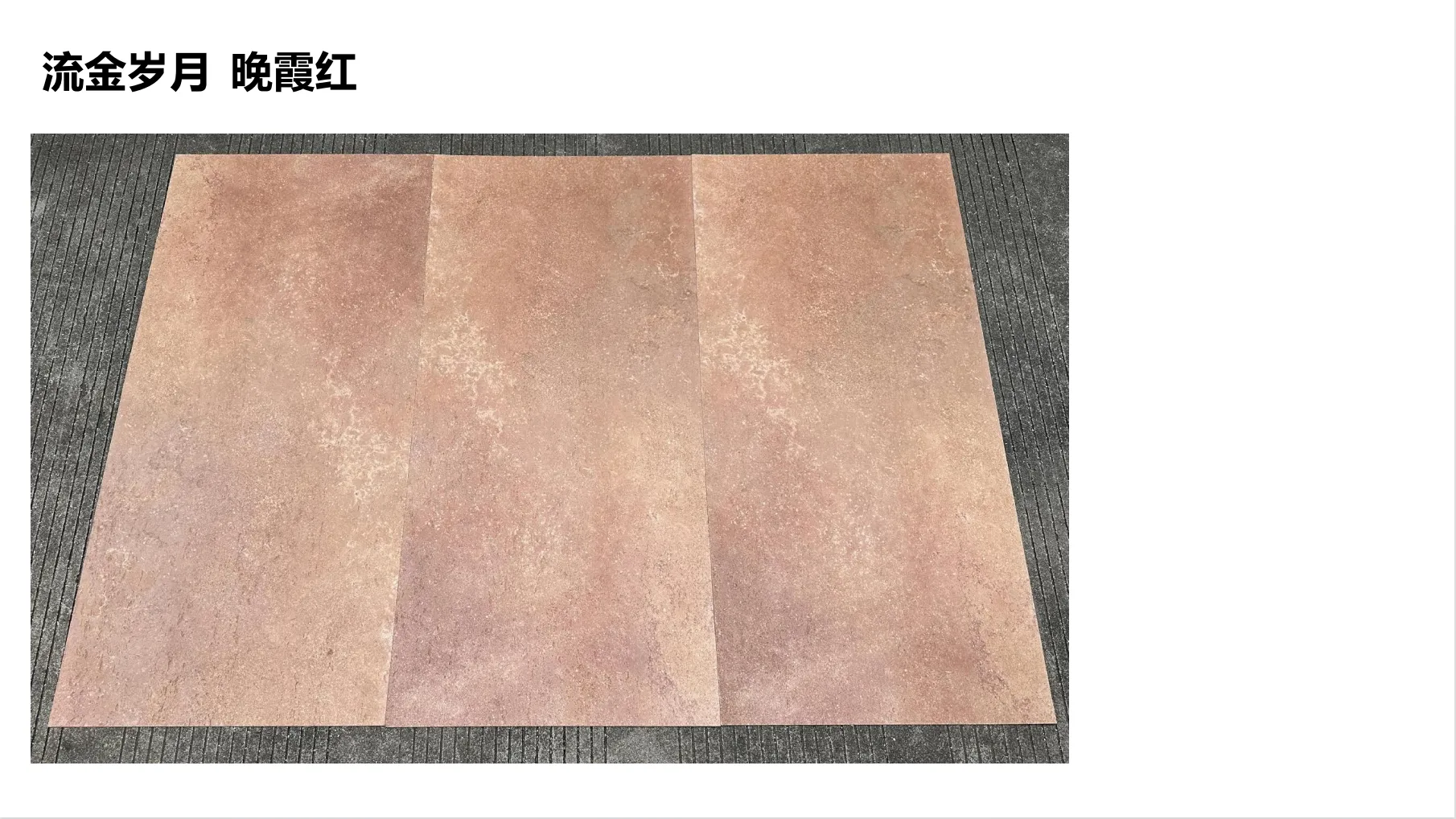
COLORIA's reach isn't just about shipping materials—it's about speaking the language of local design, and real photos are the translator. Take the
Middle East
, where bold, sunlit spaces demand materials that can stand up to harsh climates while exuding luxury. When a developer in Riyadh was designing a beachfront villa, they'd considered 10 different stone options—until they saw COLORIA's real photo of
lunar peak silvery
in a Dubai rooftop lounge. The photo, taken at golden hour, showed the stone's silvery surface reflecting the Arabian Gulf, its metallic flecks mimicking the sparkle of the waves. "It wasn't just a roof," the developer later said. "It was a conversation between the house and the sea." That photo didn't just sell a stone; it sold a vision of harmony with the landscape—a value deeply rooted in Middle Eastern design.
Head east to
Japan
, where minimalism and texture reign supreme. A homeowner in Kyoto was struggling to find a wall material for their tea room—something that felt organic but not overwhelming. They'd dismissed
rammed earth board (matcha green)
at first, thinking it might be too rustic. Then they saw COLORIA's real photo: a close-up of the board in a Kyoto machiya (traditional wooden townhouse), where its soft, earthy green hue blended with tatami mats and shoji screens, the texture catching the diffused light like morning dew on grass. "It wasn't just a color," they said. "It was the feeling of stepping into a forest at dawn." In Japan, where "wabi-sabi" (the beauty of imperfection) is cherished, the photo's honesty—showing every subtle variation in the earth's texture—was more persuasive than any polished render.
Over in
Europe
, where history and modernity dance daily, real photos help materials feel like part of the narrative. A restaurant owner in Barcelona wanted to blend the city's Gothic architecture with a contemporary vibe for their new tapas bar. They found their answer in COLORIA's real photo of
weaving (khaki)
panels used as a divider in a Madrid bistro. The photo, taken from a corner table, showed the panels casting soft, woven shadows on the terracotta-tiled floor, their khaki tone echoing the warm hues of Barcelona's historic streets. "It felt like bringing a piece of the city's soul indoors," the owner said. "Not a replica, but a dialogue."
These stories aren't outliers—they're the norm. COLORIA's real photos don't just show materials; they show how materials
belong
in a culture, a climate, and a way of life. They turn strangers into collaborators, and collaborators into family.