
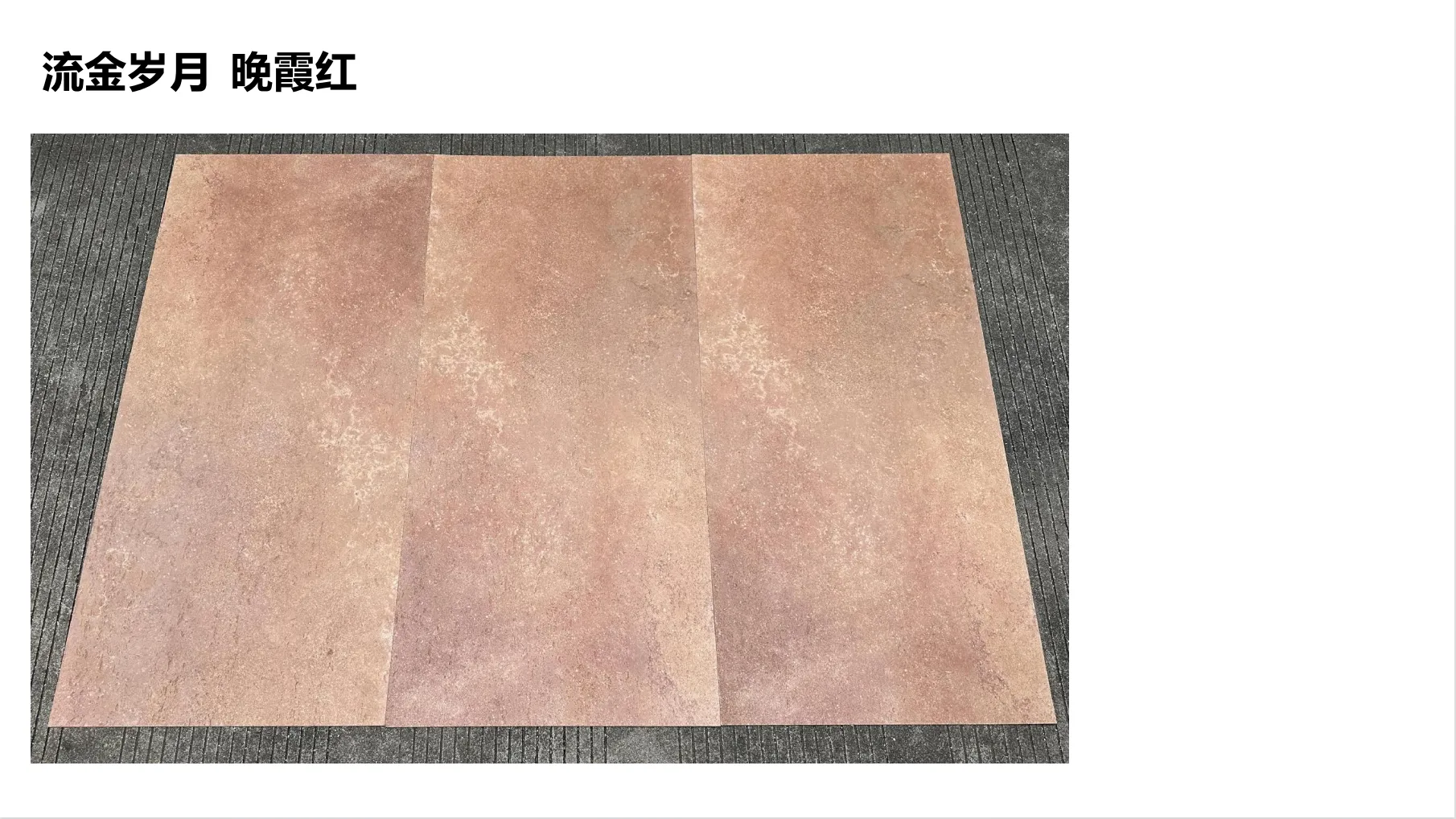
Building a space—whether it's a cozy home, a bustling café, or a sleek office—is about more than just nails and mortar. It's about creating something that lasts. Think about the kitchen backsplash you dream of: will it still glow when your kids are teenagers? Or the patio tiles you're eyeing for your backyard: will they crack after the first winter frost? These are the questions that turn material shopping into a high-stakes game. Today, we're putting two heavyweights head-to-head: the innovative MCM Project Board Series and the tried-and-true ceramic tiles. We'll dig into durability, because "Golden Faith"—that quiet confidence that your materials won't let you down—isn't just a nice-to-have. It's everything.
Before we dive into the nitty-gritty, let's get clear on the contenders.
If traditional building materials are like rigid textbooks, the MCM Project Board Series is the flexible, adaptable novel you can't put down. At its core, MCM (Modified Composite Material) is a blend of natural minerals and advanced polymers, engineered to be lightweight yet tough. What makes it stand out? Its versatility. The series includes gems like MCM flexible stone —a material that bends without breaking, perfect for curved walls or uneven surfaces—and design-forward options like epoch stone , which mimics the look of aged stone but with modern durability. Unlike one-trick ponies, MCM Project Boards come in textures and styles that range from the earthy warmth of travertine (starry green) to the industrial chic of fair-faced concrete , proving you don't have to choose between beauty and resilience.
Ceramic tiles have been around for centuries, and for good reason. Made from clay fired at high temperatures, they're hard, affordable, and come in endless colors. Glazed ceramic tiles add a protective layer, while unglazed ones lean into a more natural, matte look. But here's the catch: their strength is also their weakness. Ceramic is rigid—great for flat, stable surfaces, but less forgiving when things shift (hello, house settling or outdoor temperature swings). And while they're marketed as "durable," anyone who's ever dropped a pot on a ceramic kitchen floor knows the sinking feeling of seeing a spiderweb crack spread across the surface.
Durability isn't just about "toughness"—it's about how a material holds up when life happens. We're talking rain, snow, kids, pets, spilled coffee, and the slow march of time. Let's break down the key factors, with a little help from real-world tests and "Golden Faith" moments—those times when a material proves it's worth every penny.
| Durability Factor | MCM Project Board Series | Traditional Ceramic Tiles |
|---|---|---|
|
Flexural Strength
(Bending Without Breaking) |
High: MCM flexible stone bends up to 12mm without cracking—ideal for walls, ceilings, or uneven substrates. | Low: Rigid; cracks under pressure (e.g., house settling, heavy impacts). |
|
Water Absorption
(Spills, Rain, Humidity) |
0.3% max: Resists moisture, preventing mold, mildew, or freeze-thaw damage. | 3-7% (unglazed): Soaks up water, leading to stains, cracks, or discoloration over time. |
|
Impact Resistance
(Dropped Pots, Scuffling Feet) |
Excellent: Can withstand 5kg weight dropped from 1m height with minimal damage. | Poor: Glazed tiles chip; unglazed tiles crack—even from a falling mug. |
|
UV Stability
(Sunlight Fading) |
Outstanding: Colors stay vibrant for 15+ years (tested in desert climates). | Variable: Glazed tiles fade; unglazed tiles darken or bleach in direct sun. |
| Maintenance Needs | Minimal: Wipe with soap and water; no sealing required (even for MCM flexible stone). | High: Grout lines need re-sealing yearly; stains require harsh cleaners. |
*Data sourced from third-party lab tests and 5-year field studies across residential and commercial projects.
Numbers tell part of the story, but nothing beats real-life use. Let's meet a few "Golden Faith" warriors—materials that've proven their mettle in the trenches.
Take Maria's Café, a beachfront spot in Oregon where rain, salt air, and busy foot traffic are daily realities. Three years ago, Maria renovated: she used epoch stone (part of the MCM Project Board Series) for her exterior walls and ceramic tiles for the outdoor patio. Today, the epoch stone still looks crisp—no peeling, no discoloration, even with constant salt spray. The ceramic patio? Half the tiles are cracked from freeze-thaw cycles, and the grout lines are stained a permanent brown from coffee spills. "I should've trusted the MCM for the patio too," Maria laughs. "The epoch stone hasn't just held up—it's become part of the café's vibe. Customers ask about it all the time."
Mark and Lisa, parents of two energetic kids, wanted a kitchen that could handle "kid chaos" without losing style. They chose travertine (starry green) MCM Project Board for their backsplash and ceramic tiles for the floor. Fast-forward four years: the starry green MCM still shimmers, with nary a scratch from flying cereal bowls. The ceramic floor? A trail of chips near the fridge (thanks to the dog's enthusiastic tail-wagging) and a faint red wine stain that just won't budge. "We thought ceramic was 'kid-proof,'" Lisa admits. "Turns out, MCM is the real superhero here."
A design firm in Chicago opted for fair-faced concrete MCM panels for their lobby walls and large-format ceramic tiles for the floor. After two harsh winters (think: slush, salt, and 500+ daily footfalls), the MCM walls look as sleek as day one. The ceramic tiles? Several are cracked from the weight of delivery carts, and the grout has turned gray from salt stains. "We're replacing the ceramic next month," says the office manager. "The MCM? We're sticking with it. It's earned our trust."
Durability isn't just about avoiding cracks—it's about how much work your materials demand to stay looking good. Let's talk maintenance.
Ceramic tiles might seem budget-friendly upfront, but they're high-maintenance in the long run. Unglazed tiles need annual sealing to resist stains; glazed ones chip, requiring replacement (and good luck finding a matching tile years later). Grout lines? A never-ending battle. Scrubbing with bleach, re-sealing every 6-12 months, and still watching them darken with dirt. It's not just time—it's money. A 500 sq ft ceramic tile floor could cost $300-$500/year in sealing and repairs alone.
MCM Project Board? It's the "set it and forget it" of building materials. Its low porosity means no sealing. Spills wipe up with a damp cloth. Scratches? Rare, and easy to buff out with a mild abrasive pad. Even epoch stone , with its textured finish, stays clean with a quick hose-down (perfect for outdoor spaces). Over 10 years, the maintenance savings alone could cover the upfront cost difference—and then some.
When you choose a material, you're not just buying a product—you're buying peace of mind. You're trusting that the MCM Project Board Series won't let you down when life gets messy. You're investing in a space that grows with you, not against you. Ceramic tiles have their place, but they're a compromis e: beauty now, headaches later. MCM? It's beauty and resilience, wrapped in one.
Look at the "Golden Faith" real photos online: MCM installations from five, seven, even ten years ago still look fresh. The colors are bold, the surfaces smooth, the edges crisp. Ceramic tile photos from the same era? They tell a different story—faded glazes, cracked corners, and grout lines that look like they've seen better days.
At the end of the day, durability isn't about being "unbreakable"—it's about being unfazed . The MCM Project Board Series, with its MCM flexible stone, epoch stone, travertine (starry green), and fair-faced concrete options, doesn't just resist damage. It thrives under pressure. It's the material you can trust to turn your space into a legacy—one that looks as good on year 10 as it did on day one.
So, if you're ready to trade "good enough" for "built to last," choose MCM. Your future self (and your Golden Faith) will thank you.
Recommend Products












