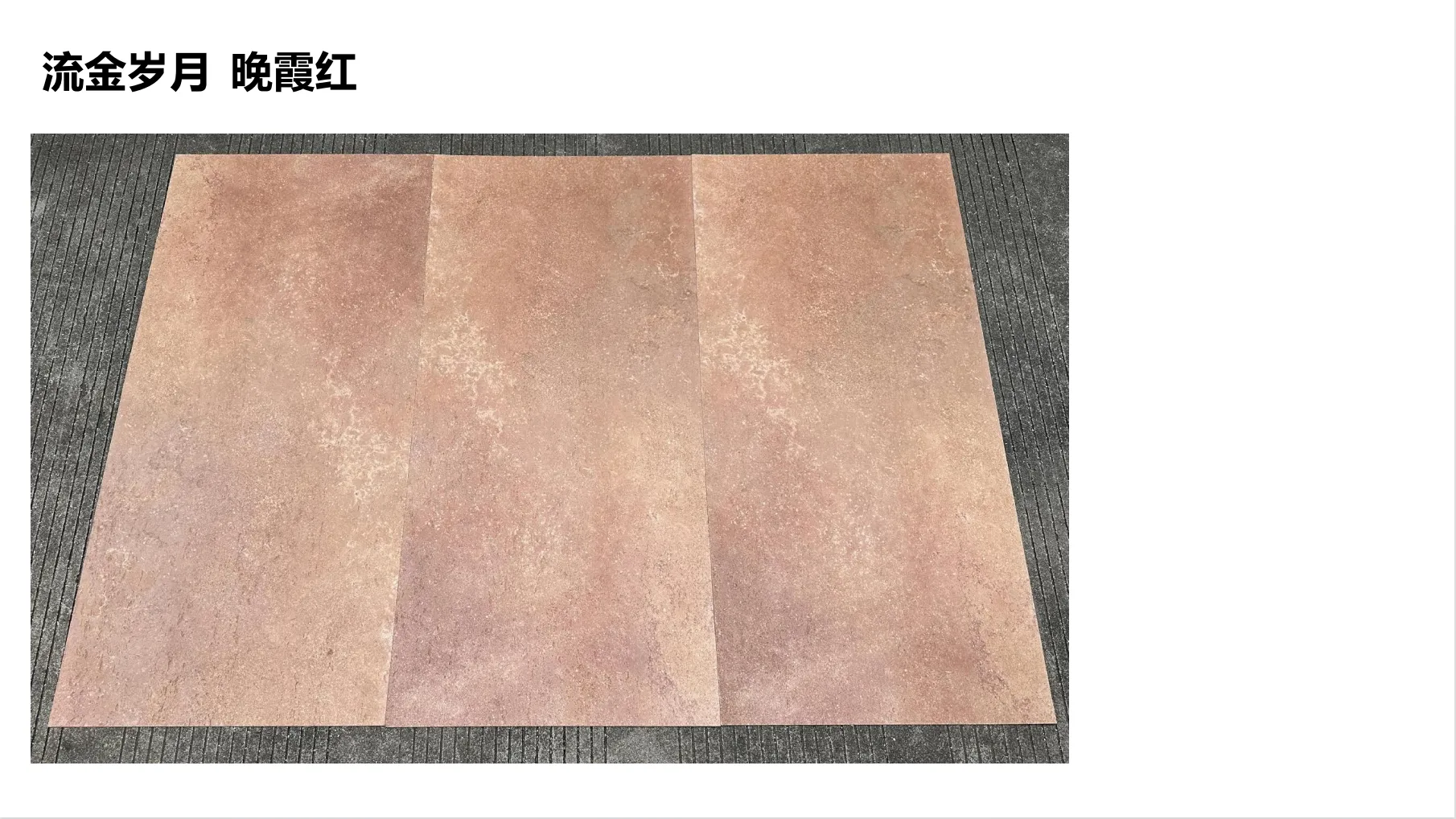
MCM, or Modified Composite Material, is a blend of natural minerals, polymers, and fibers that's engineered to be lightweight, durable, and highly customizable. Think of it as the best of both worlds: the look and texture of natural materials, with the performance of modern composites. And at the heart of its appeal for historic projects is
MCM flexible stone—a variant designed to mimic the appearance of stone, marble, or even aged wood, but with a flexibility that makes installation a breeze. Unlike rigid natural stone slabs,
MCM flexible stone can bend slightly, conforming to the uneven surfaces often found on historic buildings. This flexibility reduces the risk of cracking during installation, a common issue with traditional materials that can't adapt to the "imperfections" of old structures.
But what really sets
MCM flexible stone apart is its weight—or lack thereof. Traditional natural stone can weigh upwards of 150 kg per square meter;
MCM flexible stone, by contrast, clocks in at just 8-12 kg per square meter. For historic buildings with aging foundations, this is a game-changer. Lighter cladding means less stress on the structure, reducing the risk of cracks, shifting, or even collapse. It also simplifies installation: no need for heavy machinery or reinforced supports. Teams can handle the panels manually, minimizing disruption to the building's interior and surrounding area—a critical consideration when working on sites with delicate features or busy urban locations.
The table above tells a clear story:
MCM flexible stone outperforms traditional materials in weight, installation speed, and customization—all while offering comparable durability with far less upkeep. But for historic renovations, there's another piece of the puzzle: aesthetics. A building from 1850 shouldn't look like it's wrapped in a modern material, even if that material is functional. This is where
Golden Faith Real Photos comes into play.