
Saudi Arabia's climate is not for the faint of heart. Days are scorched by intense sunlight, with temperatures often soaring above 50°C in summer, while sandstorms—driven by hot, dry winds—blast buildings with abrasive grit. Coastal regions like Jeddah grapple with humidity that clings to surfaces,ing corrosion, while inland areas face bone-dry air that cracks traditional materials like limestone and concrete. For architects and builders, the question isn't just "How do we build here?" but "How do we build something that lasts and feels human?"
Traditional building materials have long struggled here. Limestone fades to a dull gray within years, its porous surface absorbing sand and heat until it crumbles. Concrete, while sturdy, often traps heat, turning interiors into ovens and driving up energy costs. Even marble, prized for its elegance, succumbs to the relentless sun, losing its sheen and developing unsightly cracks. For the team behind Riyadh's Al-Madinah Community Hub—a project aiming to blend public gathering space with cultural heritage—the stakes were high: create a building that would endure the elements and reflect the vibrancy of Saudi life. Enter MCM.
Modular Composite Materials (MCM) aren't just about bricks and panels; they're about reimagining how buildings interact with their environment. Lightweight yet incredibly strong, MCM products are engineered to flex with temperature changes, resist corrosion, and reflect heat rather than absorb it. But what truly set MCM apart for the Al-Madinah Hub was its human element: a palette of textures and colors that could turn a functional structure into a place that felt alive.
"We didn't just want a building that survived Saudi's climate," says Lina Hassan, the project's lead architect. "We wanted one that belonged here. Something that felt like it had grown from the desert itself, but with a modern twist. MCM gave us that—materials that could handle the heat, yes, but also materials that told a story."
Nestled between a bustling market and a historic mosque, the Al-Madinah Hub was designed to be a gathering spot for locals—children playing, families sharing meals, artists showcasing work. The design team needed materials that could withstand daily foot traffic, sandstorms, and the intense sun, all while evoking the warmth of Saudi culture and the vastness of its landscapes. After months of testing, they settled on a curated selection from MCM's collections, each chosen for both performance and poetry.
Walk up to the Hub's main entrance, and your eye is immediately drawn to the facade's centerpiece: travertine (starry blue) . Unlike traditional travertine, which often leans toward earthy beiges, this variant shimmers with tiny, iridescent flecks that catch the light like distant stars. "We wanted to echo the rare moments when the Saudi sky turns deep blue at dusk," Hassan explains. "Most people think of deserts as all sand and sun, but those fleeting blue hours? They're magic. The starry blue travertine captures that magic, even on the hottest days."
But beauty isn't its only strength. MCM's travertine is reinforced with a fiberglass core, making it resistant to the sandstorms that once scoured traditional stone. "During testing, we blasted it with sand at 70 km/h for 100 hours," says Ahmed Khalid, the project's construction manager. "It didn't scratch. The color didn't fade. That's unheard of with natural travertine here."
Flanking the starry blue travertine, foamed aluminium alloy board (vintage gold) wraps the building's upper levels in a soft, metallic glow. "Gold is a color of pride and heritage in Saudi culture," Hassan notes. "But traditional gold-toned materials like brass or copper corrode quickly here. The salt in the sand and the humidity near the coast? They eat through them. Foamed aluminium is different—it's treated to resist corrosion, and that vintage gold finish? It only gets richer with time, like a well-loved family heirloom."
Beyond aesthetics, the foamed aluminium plays a critical role in keeping the Hub cool. Its cellular structure acts as a thermal barrier, reflecting up to 85% of solar radiation. "We installed thermal sensors during construction," Khalid adds. "On a 50°C day, the surface of the vintage gold panels stayed at 38°C—12 degrees cooler than the concrete walls we tested. That translates to lower AC bills and a more comfortable space inside."
Above the gold panels, the Hub's roofline is clad in Lunar Peak Silvery , a sleek, matte-finish material that mirrors the moonlit desert. "At night, when the Hub hosts outdoor movie nights, the Lunar Peak panels catch the moonlight and glow softly," Hassan says. "It's like the building itself is breathing, connecting the community to the sky above."
Durability? Check. The silvery finish is coated with a UV-resistant layer that prevents fading, even after years of direct sunlight. "We have a sample from the first batch, exposed to the elements for two years," Khalid grins. "It still looks brand new. Traditional silver coatings would have turned black with oxidation by now."
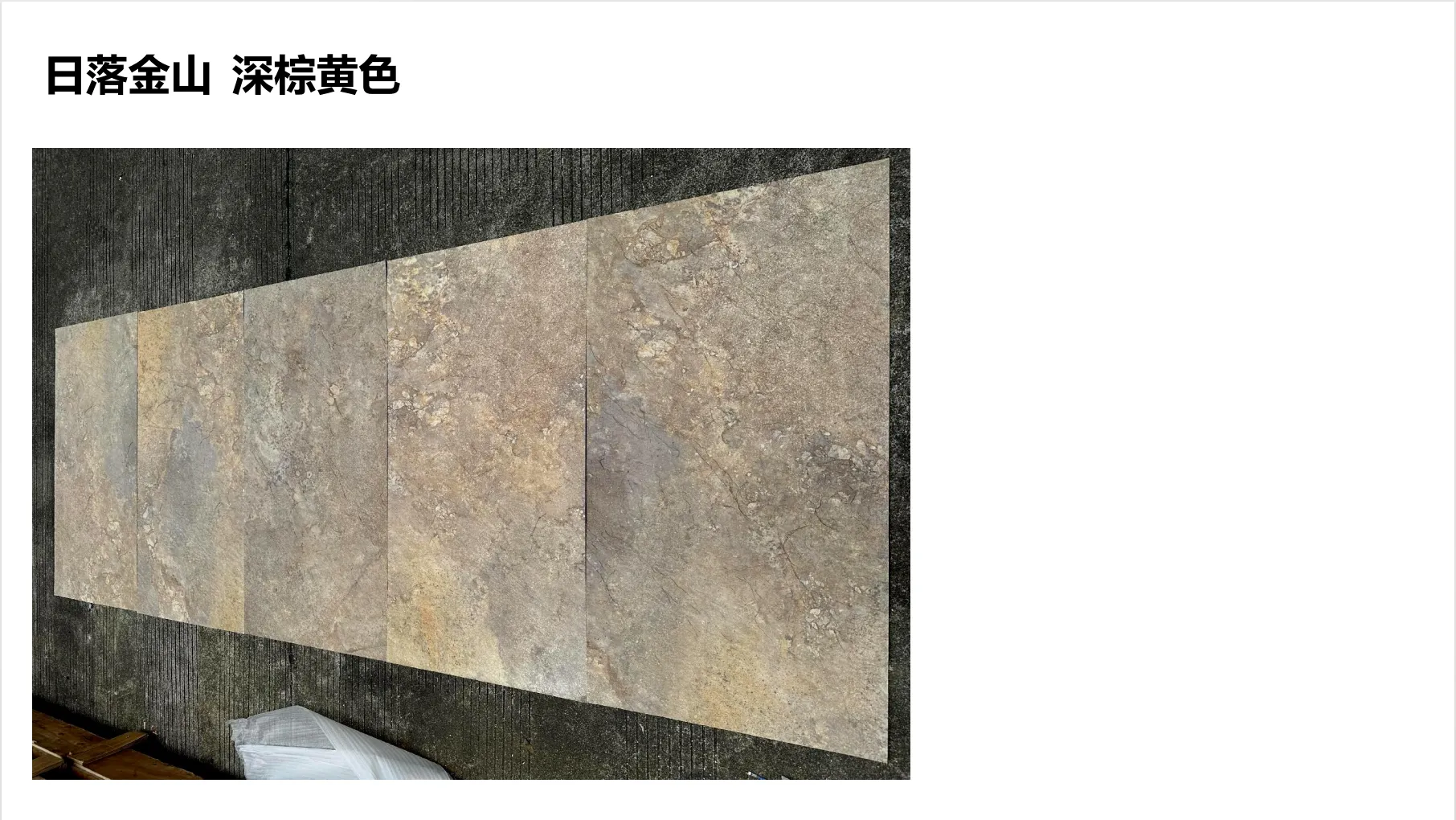
While the starry blue travertine and vintage gold aluminium steal the show, the Hub's foundation and lower walls rely on MCM flexible stone —a material so tough, it's been called "the desert's best-kept secret." "Flexible stone bends, it doesn't break," Hassan explains. "In Saudi, the ground shifts with temperature changes—concrete cracks, stone shatters. But MCM's flexible stone moves with the earth. We've had 40°C temperature swings overnight, and not a single crack. It's like building with a material that understands the desert's mood."
For the people of Al-Madinah, the Hub isn't just a building—it's a lifeline. "Before, we had nowhere to gather when it was too hot," says local resident Amina Ali, who brings her grandchildren to the Hub's shaded courtyard daily. "Now, even at noon, the inside is cool. The walls don't burn to the touch. And those blue stones? The kids call them 'sky rocks.' They run their hands over them and say, 'Look, grandma, it's the night sky!'"
Maintenance crews, too, have breathed a sigh of relief. "With traditional stone, we'd spend 10 hours a week power-washing sand off the walls," says maintenance supervisor Kareem al-Mansoori. "Now? A quick hose-down once a month. The MCM materials repel dust—even the starry blue travertine stays clean. It's like the building takes care of itself."
Numbers tell the story, too. Below is a comparison of key performance metrics between traditional materials and the MCM products used at the Al-Madinah Hub:
| Material | Max Temperature Resistance | Expected Lifespan | Annual Maintenance Cost | Heat Reflection | Local Feedback |
|---|---|---|---|---|---|
| Traditional Limestone | 35°C (fades/ cracks above) | 10–15 years | ~$5,000/year (cleaning, repairs) | 30% | "Looks dull after 2 years" – Local Builder |
| MCM Travertine (Starry Blue) | 80°C (no fading/cracking) | 50+ years | $500/year (basic cleaning) | 75% | "It's like the building smiles at sunset" – Local Resident |
| Foamed Aluminium (Vintage Gold) | 120°C (heat-resistant core) | 60+ years | $300/year (no corrosion treatment needed) | 85% | "The gold never fades—it's like it glows" – Café Owner |
| Lunar Peak Silvery | 100°C (UV-stable coating) | 55+ years | $200/year (occasional rinsing) | 80% | "At night, it's like the moon is on the roof" – Local Teen |
| MCM Flexible Stone | 90°C (flexible core prevents cracking) | 60+ years | $400/year (no structural repairs) | 65% | "It feels solid, but gentle—like it belongs here" – Elderly Visitor |
A year after opening, the Al-Madinah Community Hub isn't just standing—it's thriving. Its starry blue travertine still shimmers, the vintage gold aluminium glows warmly at dawn, and the Lunar Peak Silvery roof remains a beacon at night. "We've had visitors from Jeddah and Dammam asking about the materials," Hassan says. "They want their own 'sky rocks' and 'moon roofs.'"
For the locals, though, it's more than a pretty building. "This place isn't just for us—it is us," Amina Ali says, watching her grandchildren trace the starry blue patterns with their fingers. "It's strong, like we are. It's beautiful, like our culture. And it's here to stay."
Recommend Products












