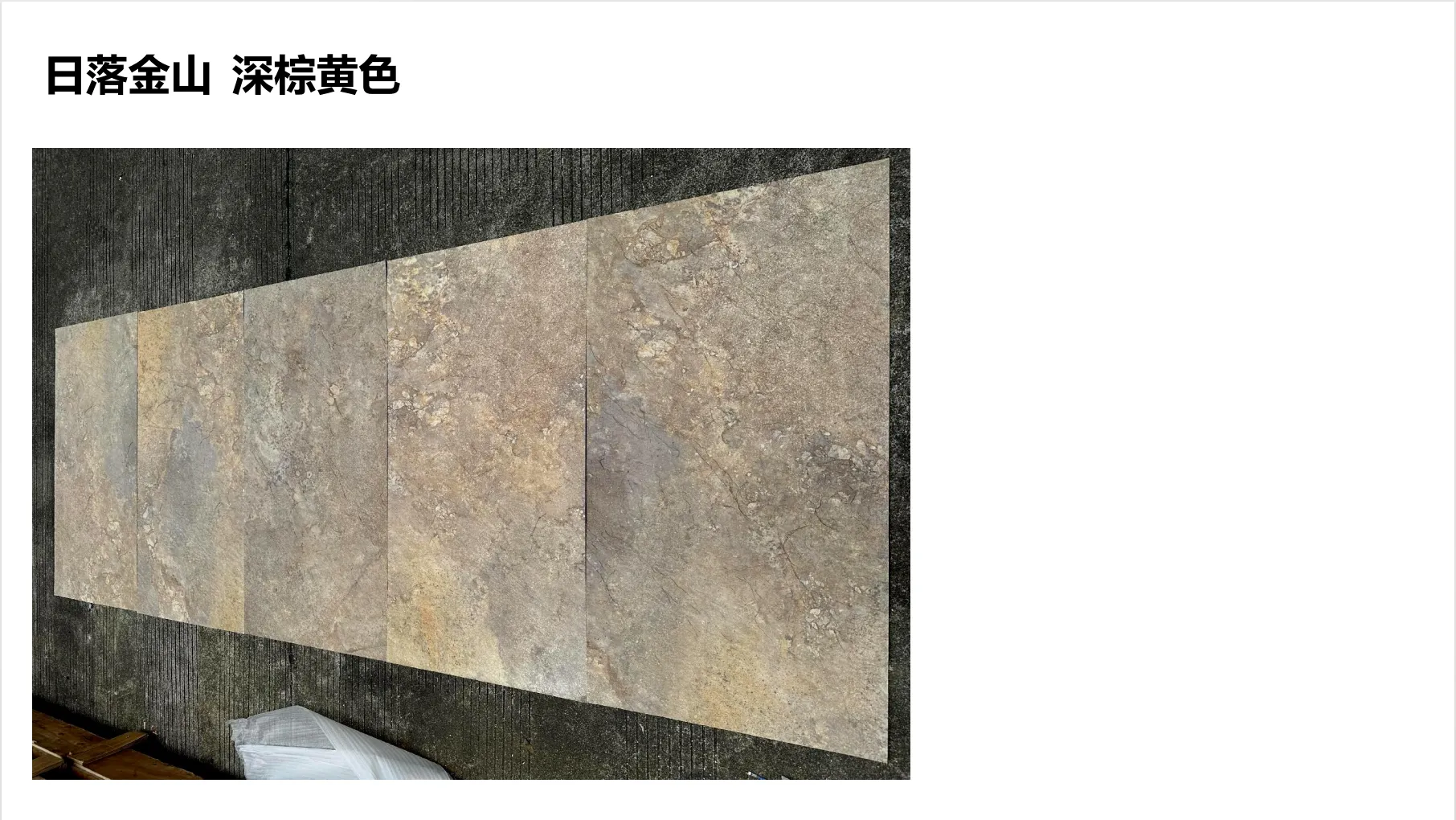
There's a magic hour each evening when the sun dips low, painting the sky in strokes of amber and gold. During these moments, buildings stop being just structures—they become canvases. The way a home or office catches that golden light can turn a ordinary street into something unforgettable. For decades, traditional brick has been the go-to for that "warm exterior" feel, but in recent years, MCM (Modified Composite Material) has stepped into the spotlight, offering a new chapter in how we experience architectural warmth. Let's walk through this journey of light, texture, and emotion—comparing the timeless charm of brick with the innovative allure of MCM, and why those golden sunset real photos might just look a little different depending on the material.
The Language of Warmth: Why Exterior Tones Matter
Warmth in architecture isn't just about color—it's about connection. A building that glows softly at sunset feels inviting, like a friend waving hello after a long day. Think of the last time you passed a house with a brick facade at dusk: the reds and browns seem to deepen, the mortar lines cast gentle shadows, and suddenly, you're imagining the stories inside. That's the power of warm exterior tones—they evoke emotion. But what if there was a way to amplify that emotion, to make the building not just reflect the sunset, but dance with it? That's where MCM comes in.
Brick has earned its reputation honestly. For centuries, it's been the backbone of neighborhoods, a symbol of durability and tradition. Its rough, porous surface traps light in a way that feels organic—no two bricks are exactly alike, so each sunset interaction is slightly unique. But brick has boundaries. Its rigidity limits design possibilities, and its weight can restrict architectural ambition. MCM, on the other hand, is like a chameleon with a heart. Engineered to be lightweight and flexible, it can mimic the texture of stone, wood, or even brick, but with a twist: it's designed to interact with light in ways traditional materials can't. Take
MCM Flexible Stone
, for example—it bends to follow curved walls, creating seamless surfaces that catch the sunset from every angle, no mortar gaps to break the flow.
Brick: The Classic Storyteller
Let's start with the veteran: brick. There's a reason it's been used for millennia. Brick is history you can touch. Each weathered brick, with its nicks and discoloration, tells a story of rain, wind, and time. When the golden hour hits, brick comes alive. The iron oxides in its composition react to the warm light, turning from deep red to soft terracotta, as if the building itself is blushing. In older neighborhoods, rows of brick homes create a rhythm—each one slightly different, but together, they sing in harmony at sunset.
But brick isn't without its limitations. Imagine a homeowner wanting a curved facade to embrace the sunset views—brick requires careful engineering to bend, often resulting in visible seams that disrupt the light flow. Or a business aiming for a modern, sleek look with warm undertones: brick's texture is charming, but it can feel heavy, weighing down contemporary designs. And maintenance? Over time, mortar cracks, letting in moisture that dulls the brick's ability to reflect light. Yet, for many, these imperfections are part of the charm. "Brick isn't perfect," says Maria, a Chicago-based architect who specializes in historic restorations. "But that's why I love it. At sunset, those flaws catch the light like freckles on a loved one's face—they make the building feel human."
MCM: The Modern Day Alchemist
Now, meet MCM—the new kid on the block that's redefining what "warmth" means in architecture. MCM isn't a single material; it's a family of composites designed to be lightweight, durable, and infinitely customizable. What makes it special? It's engineered to interact with light intentionally. Take
Travertine (Starry Orange)
, a popular MCM option. Its surface is dotted with tiny, reflective flecks that mimic stars—during golden hour, those flecks catch the sunset, turning the facade into a galaxy of warm light. It's not just a flat color; it's a conversation between the building and the sky.
Then there's
Lunar Peak Golden
, another MCM standout. With its metallic undertones, it doesn't just reflect light—it amplifies it. Imagine a commercial building with a Lunar Peak Golden exterior: as the sun sets, the material shimmers like liquid gold, turning the structure into a beacon. And because MCM is flexible, it can wrap around curves, climb uneven surfaces, and even mimic organic shapes—like the undulating waves of a
wave panel
that seems to ripple with the sunset's movement. "MCM lets us design buildings that
respond
to light," explains Raj, a California-based designer who used MCM for a coastal home project. "My client wanted their home to feel like it's part of the sunset, not just next to it. With MCM Flexible Stone, we curved the exterior to follow the sun's path, and used Travertine (Starry Orange) for the cladding. Now, every evening, the house glows from within—like it's storing that golden light."
But MCM isn't just about aesthetics. Its durability is a game-changer. Unlike brick, MCM resists moisture, fading, and cracking, so that warm glow stays vibrant for decades. And because it's lightweight, it reduces structural stress, opening up possibilities for taller, more intricate designs. Take
fair-faced concrete
, a MCM variant with a smooth, minimalist finish. At first glance, it might seem cold, but when paired with warm-toned MCM accents like Lunar Peak Golden, it creates a striking contrast—cool concrete grounding the building, while the golden accents dance in the sunset. It's modernity with a heart.
Side by Side: How Brick and MCM Dance with Golden Light
To truly understand the difference, let's put them side by side. Below is a breakdown of how brick and MCM materials like MCM Flexible Stone, Travertine (Starry Orange), and Lunar Peak Golden interact with golden sunset light, and what that means for the people who live and work in these spaces.
|
Aspect
|
Traditional Brick
|
MCM (e.g., Travertine Starry Orange, Lunar Peak Golden)
|
|
Texture & Light Play
|
Porous, uneven surface creates a soft, diffused glow. Mortar lines cast thin shadows, adding depth but sometimes breaking the flow.
|
Engineered textures—from starry flecks to metallic sheens—reflect light in dynamic ways. Seamless installation means uninterrupted light flow, creating a "glowing" effect.
|
|
Design Flexibility
|
Best for straight lines and classic shapes. Curves or custom designs often result in visible seams that disrupt light reflection.
|
Flexible and moldable, adapting to curves, waves, and unique architectural forms. Can mimic natural materials or create entirely new textures.
|
|
Emotional Impact
|
Evokes nostalgia and comfort—feels like "home" or "history." The imperfection adds warmth but can feel heavy in modern settings.
|
Feels innovative and alive—like the building is evolving with the light. The precision and sparkle create a sense of wonder and modern elegance.
|
|
Long-Term Glow
|
Prone to fading, staining, and mortar wear over time, which dulls light reflection. Requires regular maintenance to keep its warm tone.
|
Resistant to fading, moisture, and wear. Engineered pigments and finishes retain their ability to catch light for decades with minimal upkeep.
|
Real Stories: Sunset Moments with Brick and MCM
The Historic Brick Home:
Sarah, a teacher in Boston, lives in a 1920s brick row house. "Every sunset, I sit on my porch and watch the light hit the brick. It's like the house is breathing—some days, it's a deep, earthy red; other days, it's almost pink. My grandmother grew up here, so when I see that glow, I feel connected to her. But last year, we had to repoint the mortar, and it was expensive. The contractor said brick needs love to keep shining."
The MCM Coastal Retreat:
Mark, a retired photographer in Malibu, built his home with MCM Flexible Stone and Travertine (Starry Orange) cladding. "I've spent my life chasing light, so my house had to be a part of that. At sunset, the Starry Orange panels come alive—those little flecks look like embers. And because the MCM wraps around the curved walls, the light flows without any breaks. My neighbor has a brick house, and don't get me wrong, it's beautiful, but mine? It feels like the sunset is
in
the walls, not just on them."
Beyond Aesthetics: The Practical Heart of Warm Tones
Warm exteriors aren't just about looking good—they impact how we live. Studies show that buildings with warm, light-reflective exteriors can boost mood and even energy levels. Think about walking into a neighborhood where the buildings glow softly at dusk versus one where they feel cold and dark. The first feels safe, welcoming; the second, isolating. MCM's ability to amplify golden light isn't just a design choice—it's a quality-of-life choice.
Sustainability plays a role too. MCM's lightweight nature reduces transportation and installation energy, while its durability means less frequent replacement. Brick, while recyclable, has a higher carbon footprint due to firing processes. For eco-conscious homeowners and businesses, MCM offers a way to have both warmth and responsibility. "We chose
foamed aluminium alloy board (vintage gold)
for our office exterior," says Priya, sustainability director at a tech firm in Seattle. "It's got that warm, metallic glow at sunset, but it's also 100% recyclable and requires no painting. We're not just building for today's sunset—we're building for all the sunsets to come."
Choosing Your Canvas: Brick or MCM?
At the end of the day, the choice between brick and MCM isn't about which is "better"—it's about which speaks to you. If you crave history, imperfection, and that unbreakable link to the past, brick will wrap you in its familiar warmth. But if you dream of a building that dances with the sunset, adapts to your vision, and stays vibrant for years, MCM might be your storyteller.
Those golden sunset real photos? They're more than just pretty pictures. They're snapshots of how we connect with our environment. Whether it's the rough charm of brick or the innovative glow of MCM, the goal is the same: to create buildings that don't just stand in the light, but
celebrate
it. So next time you watch the sun set, take a moment to look at the buildings around you. Which ones make your heart skip a beat? That's the material that matters.