
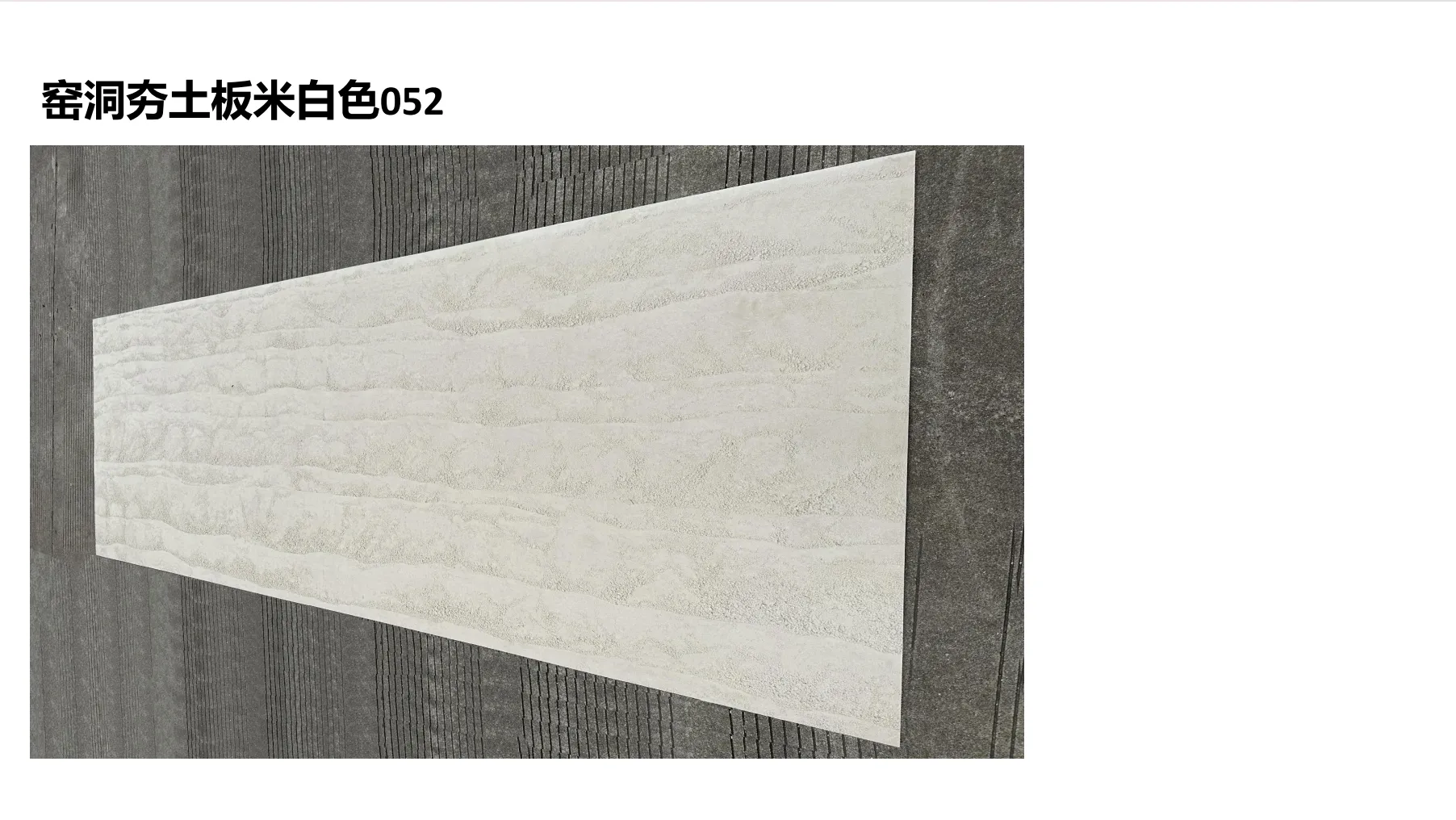
Walk through any modern city, and you'll notice a quiet revolution in architecture—buildings that don't just serve a function, but tell a story through texture and color. Among these, gradient color rammed earth boards have emerged as quiet heroes, blending the warmth of natural materials with the precision of contemporary design. Their appeal lies in those soft transitions—from sandy beige to muted terracotta, or cool gray to earthy green—that mimic the way light shifts over a landscape. But here's the catch: beauty that fades is beauty lost. For architects, designers, and homeowners alike, the fear of vibrant hues turning dull, of once-striking exteriors blending into the background, is all too real. That's where the true measure of a material lies—not just in its initial charm, but in how it holds onto that charm, year after year.
Color fading isn't just an aesthetic issue—it's a betrayal of trust. Imagine investing in a building's exterior, handpicking a gradient rammed earth board for its ability to turn a plain wall into a canvas of natural color, only to watch it fade to a washed-out shadow of its former self within a few years. Sunlight, rain, pollution, and even temperature swings wage a constant battle against building materials, breaking down pigments and weakening structural integrity. Traditional materials often surrender quickly: natural stones like travertine (starry green), for example, are beloved for their unique veining, but their porous surface absorbs moisture and UV rays, leading to discoloration. Metal panels, such as foamed aluminium alloy board (vintage silver), might resist corrosion, but their finish can oxidize, losing that signature luster. For gradient materials, the stakes are higher—fading disrupts the delicate color transition, turning harmony into chaos.
The impact goes beyond looks. Faded exteriors signal neglect, even if the building is well-maintained. They force costly repairs or replacements, strain client relationships, and undermine the vision of the designer. In public spaces, a faded facade can dim community pride; in commercial settings, it can deter customers. For homeowners, it's the disappointment of seeing a dream home lose its sparkle. So, what if there was a material that didn't just promise gradient beauty, but kept that promise—standing firm against the elements, year in and year out?
Gradient color rammed earth boards, particularly those in MCM's innovative lineup, aren't just another building material—they're a reimagining of durability. At their core is a blend of natural earth and advanced modified composite materials (MCM), engineered to address the very weaknesses that plague traditional options. Unlike raw rammed earth, which is prone to cracking and water damage, MCM's gradient boards undergo a precision manufacturing process that compresses and binds materials, creating a dense, non-porous surface. This isn't just about strength; it's about protecting the color at a molecular level.
The secret lies in how the pigments are integrated. Instead of being applied as a topcoat (which chips or fades first), color is mixed directly into the composite matrix. This means every layer of the board holds the gradient's hue, so even if the surface weathers slightly, the color remains consistent. Add to that UV-resistant additives and a protective seal that repels water and pollutants, and you have a material built to outlast the elements. It's a thoughtful approach—one that respects the artistry of gradient design by ensuring the colors don't just look alive, but stay alive.
Claims of durability are easy to make; proving them is another story. MCM's gradient color rammed earth boards have undergone rigorous testing to measure their colorfastness, from accelerated UV exposure to simulated rain and temperature cycles. The results? A material that doesn't just meet industry standards, but sets new ones. To put this in perspective, let's compare it to two popular alternatives: travertine (starry green), a natural stone prized for its organic texture, and foamed aluminium alloy board (vintage silver), a sleek metal option. The table below breaks down key metrics that affect long-term color retention:
| Material | UV Resistance (1-5 Scale, 5=Highest) | Water Absorption Rate (%) | Color Retention After 5 Years (%) | Maintenance Requirement |
|---|---|---|---|---|
| Gradient Rammed Earth Board (MCM) | 4.8 | 0.3 | 95 | Annual gentle cleaning; no sealing needed |
| Travertine (Starry Green) | 3.2 | 3.5 | 72 | Sealing every 1-2 years; regular stain removal |
| Foamed Aluminium Alloy Board (Vintage Silver) | 4.0 | 0.1 | 85 | Occasional polishing to prevent oxidation; scratch-prone |
The data speaks for itself. Gradient rammed earth boards outperform travertine in UV resistance and water absorption, two of the biggest culprits behind fading. While foamed aluminium comes close in water resistance, its color retention still lags behind—metallic finishes are prone to dulling over time, even with maintenance. For gradient designs, that 95% color retention after five years is a game-changer. It means the soft transition from beige to terracotta on a home's facade will still look intentional, not muddled. It means the gray-to-green gradient on a community center won't become a patchwork of faded tones. This isn't just durability—it's reliability.
Numbers tell part of the story, but real-world examples tell the rest. Take the case of a boutique hotel in Arizona, where the architects chose MCM's gradient rammed earth boards for the exterior. The desert sun is relentless there—100+ degree days, intense UV radiation, and monsoon rains that test even the toughest materials. Five years later, the hotel's facade still turns heads. The gradient, which shifts from warm sand to deep amber, hasn't blurred; the colors remain as vivid as the day they were installed. Guests often comment on how the building "glows" at sunset, a testament to the board's ability to reflect light without losing its hue. For the hotel owner, it's more than aesthetics—it's a marketing advantage. A building that looks new year after year attracts repeat visitors and positive reviews.
Another example: a residential development in the Pacific Northwest, where rain and humidity are constant. Builders opted for gradient rammed earth boards in cool gray-to-blue tones, aiming to complement the region's lush landscapes. Traditional wood or stone would have warped or discolored quickly in that climate, but after six years, the homes' exteriors show no signs of fading. Homeowners report minimal upkeep—just an annual hose-down to remove dirt—and the gradients still flow smoothly, enhancing curb appeal and property values. These stories aren't anomalies; they're the result of a material designed to thrive in the real world, not just the controlled environment of a lab.
It's easy to see why gradient rammed earth boards stand out when compared to other options. Natural stones like travertine (starry green) have their charm—there's nothing like the uniqueness of quarried stone—but their porosity and maintenance needs make them a risky choice for gradient colors. Even with sealing, they absorb moisture, which leads to mold, staining, and faded pigments. Metal panels, such as foamed aluminium alloy board (vintage gold), offer a modern look but lack the organic warmth of earth-based materials. Plus, their finishes can scratch or peel, and metallic gradients often require precise installation to avoid uneven fading.
Then there's cost. While some natural stones or high-end metals may have a lower upfront price, the long-term expenses add up: sealing, repairs, replacements. Gradient rammed earth boards, with their minimal maintenance and 50+ year lifespan, offer better value over time. They also align with sustainable building practices—MCM's manufacturing process reduces waste, and the boards are recyclable at the end of their life. For architects and builders, this means not just a beautiful material, but a responsible one.
For architects, choosing materials is about more than specs—it's about trust. You trust that the products you select will bring your vision to life, that they'll perform as promised, and that they'll make your clients happy for years to come. Gradient color rammed earth boards from MCM offer that trust in spades. They eliminate the anxiety of "will this fade?" and let designers focus on creativity. Whether you're designing a public library that needs to inspire for decades or a private home that should feel like a lifelong sanctuary, these boards deliver consistency.
Contractors, too, appreciate the practical benefits. The boards are lightweight and easy to install, reducing labor time. Their durability means fewer callbacks and punch-list items. And when clients ask, "How long will this last?" you can answer with confidence: "Long enough to outlive the trends." That peace of mind is invaluable—it turns projects into partnerships, and clients into advocates.
Gradient color rammed earth boards aren't just a building material—they're a promise. A promise that beauty doesn't have to be temporary, that color can endure, and that the spaces we design can remain as vibrant as the day they were built. In a world where so much feels disposable, they stand as a reminder of what's possible when innovation meets artistry. For architects, builders, and homeowners who refuse to compromise on aesthetics or durability, gradient rammed earth is more than a choice—it's a statement: that the buildings we create deserve to be seen, admired, and cherished, not just today, but for generations to come.
Recommend Products












