
High-rise buildings are more than just steel and concrete—they're vertical cities, where every detail tells a story. From the lobby's grandeur to the exterior's skyline presence, the materials chosen shape not only how these buildings look but how they live . For architects and builders, the challenge is always the same: balancing aesthetics with safety, especially when it comes to exterior cladding. Enter gradient color rammed earth board—a material that feels like a bridge between nature's artistry and modern engineering. It's not just about adding color to the skyline; it's about redefining what high-rise exteriors can be: safe, sustainable, and stunningly unique.
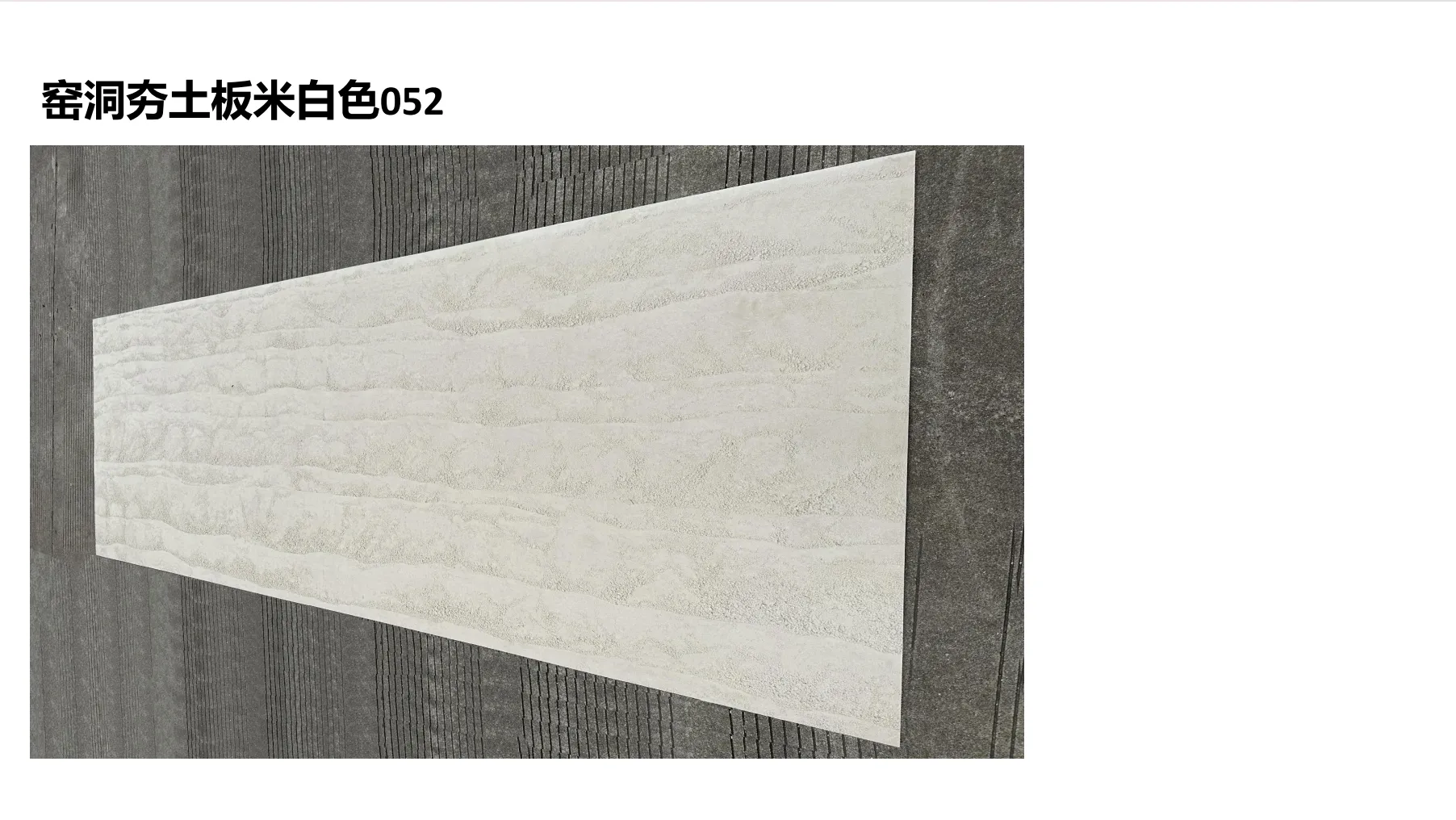
Let's start with the basics. Rammed earth itself is an ancient technique—compressing layers of soil, clay, and aggregates into solid blocks. But gradient color rammed earth board? That's where tradition meets innovation. Imagine taking that raw, earthy texture and infusing it with a seamless blend of hues: soft beiges fading into warm terracottas, or cool grays melting into subtle greens (like the popular rammed earth board(matcha green), which feels like a whisper of a forest in the city). The gradient effect isn't just paint slapped on top; it's mixed into the material itself, so the colors flow naturally, like sunlight through a canyon or shadows shifting at dusk.
What makes this material stand out in high-rises? Unlike flat, uniform cladding that can make tall buildings feel cold or monotonous, gradient rammed earth adds depth. It catches the light differently throughout the day—warm gold at sunrise, soft blue-gray at twilight—turning the building into a dynamic part of the skyline. And because it's part of the broader family of lightweight flexible stone sheets, it's designed to be both durable and easy to work with, even on the 50th floor.
For high-rises, "pretty" isn't enough. Exterior materials need to stand up to hurricane-force winds, driving rain, extreme temperatures, and even fire. Gradient color rammed earth board checks all these boxes—and then some. Let's break down the safety benefits that make it a favorite among structural engineers and safety inspectors alike.
One of the biggest risks with high-rise cladding is weight. Traditional materials like natural stone or thick concrete panels can add hundreds of pounds per square meter, straining the building's structure over time. Gradient rammed earth board, though, is surprisingly lightweight—thanks in part to modern manufacturing techniques that borrow from MCM flexible stone technology. It's dense enough to resist impacts (think flying debris in a storm) but light enough that installing it doesn't require heavy machinery or overloading the building's frame. This balance is a game-changer: it reduces construction time and lowers the risk of structural fatigue, a critical factor for buildings that need to stand tall for decades.
Fire safety is non-negotiable in high-rises. The good news? Rammed earth, by its nature, is fire-resistant. The compressed earth and mineral binders don't burn or release toxic fumes, and gradient variants are no exception. Most manufacturers test their boards to meet ASTM E119 standards, which measure how long a material can withstand fire before failing. In real-world terms, that means if a fire breaks out on a lower floor, the cladding won't act as fuel—buying precious time for evacuation and fire response. Compare that to vinyl siding or even some wood composites, which can melt or ignite quickly, and the safety advantage is clear.
High-rises sit above the tree line, exposed to harsher weather than low-rise buildings. Wind speeds increase with height, rain hits harder, and UV rays are more intense. Gradient rammed earth board is built to shrug this off. Its dense structure resists water absorption, so it won't swell or crack in heavy rain. The pigments in the gradient are UV-stable, too—no fading or blotching after years in the sun. Even in coastal areas, where salt spray can corrode metal and eat away at concrete, the earthy composition of the board holds steady. It's not just about looking good on day one; it's about looking good 20 years later.
| Material | Weight (per sqm) | Fire Rating (ASTM E119) | Weather Resistance | Color Longevity |
|---|---|---|---|---|
| Traditional Concrete Panels | 150-200 kg | 1-2 hours | Prone to cracking in freeze-thaw cycles | Fades in 5-7 years |
| Natural Stone (e.g., Travertine) | 200-300 kg | 2-3 hours | Porous; may stain with water/ pollutants | Stable, but heavy installation risk |
| Gradient Color Rammed Earth Board | 40-60 kg | 3+ hours | Water-resistant; UV-stable | 15+ years without significant fading |
Even the best materials fail if installed poorly. High-rise installation adds extra challenges: tight spaces, high winds, and the need for precision at dizzying heights. Here's a step-by-step guide to installing gradient color rammed earth board so it looks great and stays secure for the long haul.
Start with the surface. High-rise exteriors are rarely perfectly flat, so use a laser level to check for unevenness. Any bumps or gaps can cause the boards to warp over time, so fill cracks with a high-quality masonry filler and sand down rough spots. Next, measure twice (or three times!). Gradient patterns are meant to flow, so misaligned panels can break the color continuity. Create a detailed layout plan, marking where each board will go—note which end of the gradient starts at the top or bottom to keep the flow consistent.
Also, check the weather. Installing in high winds or rain is a recipe for disaster. Aim for calm days with temperatures between 10°C and 30°C—too cold, and adhesives won't bond; too hot, and they'll dry too fast.
You don't need a construction crew's entire toolbox, but having the right gear makes all the difference:
Step 1: Clean the Surface – Wipe down the exterior wall with a damp cloth to remove dust, dirt, or grease. For older buildings, a mild detergent (avoid harsh chemicals!) can help remove stubborn grime. Let it dry completely before moving on.
Step 2: Apply Adhesive – Spread the adhesive evenly on the back of the rammed earth board using a notched trowel. Aim for a thickness of about 3-4mm—enough to create a strong bond but not so much that it oozes out when pressed. For extra security on high floors, add mechanical fasteners (like screws with color-matched caps) along the edges—this prevents wind from lifting panels over time.
Step 3: Align and Press – Line up the panel with your layout marks, then press firmly from the center outwards to squeeze out air bubbles. Use a spirit level to check that it's straight—even a tiny tilt can throw off the gradient pattern across the building. Hold it in place for 30-60 seconds to let the adhesive set slightly.
Step 4: Seal the Gaps – Once the adhesive is fully cured (check the manufacturer's instructions—usually 24-48 hours), apply sealant along the joints between panels. Smooth it with a wet finger or tool for a clean finish. This step is crucial for keeping water out and preventing mold or mildew.
The best part? Gradient rammed earth board is low-maintenance. Unlike wood that needs staining or natural stone that requires sealing every few years, a simple rinse with a garden hose (no pressure washers—they can erode the surface!) once or twice a year will keep it looking fresh. For stubborn spots, use a soft brush and mild soap. Avoid harsh chemicals like bleach, which can fade the gradient colors over time. With minimal care, that sunset-inspired blend or matcha green hue will stay vibrant for decades.
High-rises are symbols of progress, but they often feel disconnected from nature. Gradient color rammed earth board changes that. It brings the warmth of the earth to the sky, turning cold steel and glass into something that feels alive. Architects love it because it lets them tell a story—of place, of seasons, of harmony between urban and natural. Builders love it because it's reliable; no more worrying about heavy materials causing delays or safety risks. And residents? They love looking up and seeing a building that doesn't just tower —it breathes .
In a world where high-rises often blend into one another, gradient color rammed earth board is a reminder that safety and beauty don't have to be enemies. It's proof that we can build tall without losing touch with what makes spaces feel human: color, texture, and a little bit of magic. So the next time you look up at a high-rise, imagine what it could be—not just a building, but a canvas. And with gradient rammed earth board, that canvas is finally within reach.
Recommend Products












