
Bringing the Art of Earthy Gradients into Modern Spaces
In a world that often feels dominated by cold screens and sleek, impersonal surfaces, 2025 is shaping up to be the year we fall back in love with the warmth of the earth. Interior design trends are shifting toward spaces that feel alive —spaces that tell a story, evoke emotion, and connect us to the natural world outside our windows. And at the forefront of this movement? Gradient color rammed earth boards. These stunning materials aren't just wall coverings or backsplashes; they're canvases where nature's own color palettes come to life, blending hues like sunset over a desert or mist rolling down a mountain. They're tactile, they're timeless, and they're quickly becoming the must-have for designers and homeowners who crave something more than the ordinary.
But what exactly makes gradient color rammed earth boards so special? How do they fit into the broader trends of 2025? And how can you bring their earthy magic into your own space? Let's dive in—and discover why these gradient wonders are more than a trend; they're a revolution in how we think about interior surfaces.
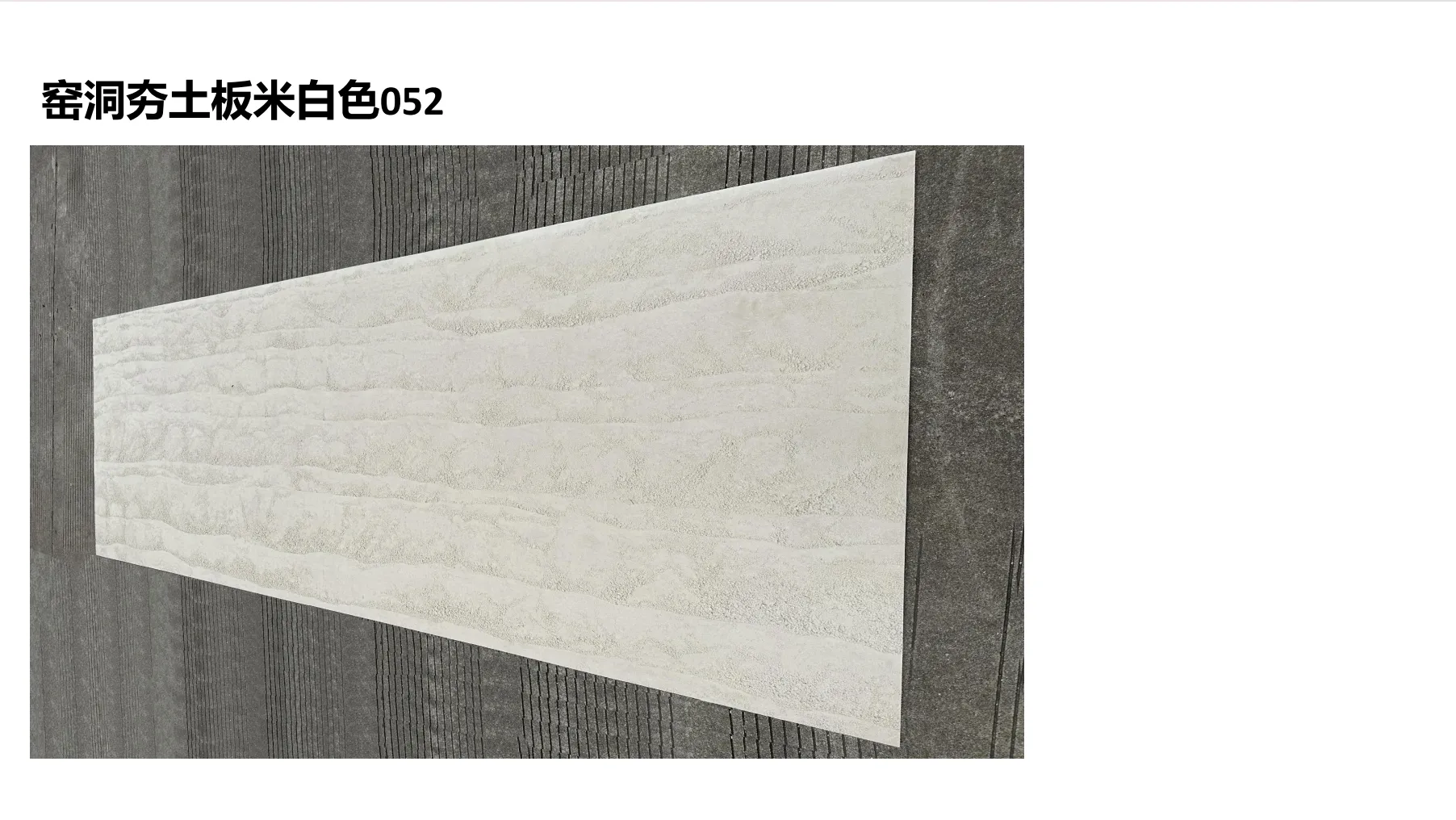
First, let's start with the basics. Rammed earth itself is an ancient building technique—think of the Great Wall of China or the cliff dwellings of the American Southwest—where layers of earth, gravel, and sometimes straw are compacted into solid, durable walls. But gradient color rammed earth boards? They're the modern evolution of that tradition, reimagined for today's design needs. These boards are crafted by layering colored earth pigments (often sourced from natural clays and minerals) with a binding agent, then compressing them into thin, flexible panels. The result? A surface that looks like it was carved from a mountainside, with colors that flow into each other seamlessly—no harsh lines, no abrupt shifts, just the soft, organic gradient of nature itself.
What sets them apart from traditional rammed earth? Thanks to advancements in materials science—often linked to innovations in mcm flexible stone technology—these boards are lighter, more durable, and easier to install than their historic counterparts. They're water-resistant, fire-retardant, and can be cut to fit any space, making them versatile enough for walls, backsplashes, even furniture surfaces. And unlike painted walls or printed wallpapers, the color here runs through the entire board, not just the surface. Scratch it, nick it, and it still looks intentional—like a weathered rock that's only grown more beautiful with time.
So why are gradient color rammed earth boards everywhere in 2025? Let's break down the trends fueling their rise:
After years of pandemic-driven isolation, we're craving spaces that connect us to nature more than ever. Biophilic design—the idea that humans thrive when surrounded by natural elements—has become non-negotiable. Gradient rammed earth boards check every box: their earthy hues (think terracotta to sand, sage green to cream, or rusty red to amber) mimic landscapes we love, while their tactile texture feels like running your hand over river stones. It's not just decor; it's a daily reminder of the world outside, even when we're stuck indoors.
Minimalism isn't going anywhere, but 2025 is all about "warm minimalism"—less stark white, more warmth. Think: replacing cold marble with fair-faced concrete (which has texture but still feels industrial) and pairing it with gradient rammed earth for balance. The result? A space that's calm and uncluttered but never sterile. A gradient wall in a minimalist living room adds just enough color and texture to make the space feel lived-in, not like a museum.
Gone are the days of cookie-cutter interiors. In 2025, we want spaces that reflect us —our travels, our memories, our personalities. Gradient rammed earth boards are endlessly customizable: choose your color palette (a sunset gradient for someone who loves beach vacations, a forest green-to-brown for a hiking enthusiast), adjust the intensity of the gradient, even mix in elements like crushed stone or recycled glass for added texture. It's design as self-expression, and homeowners are eating it up.
Eco-consciousness isn't a trend—it's a movement. Today's consumers want materials that are kind to the planet, and gradient rammed earth boards deliver. Most are made from natural, locally sourced pigments and recycled binders, with minimal carbon footprint in production. They're also long-lasting (we're talking decades, not years), reducing the need for replacements. Compare that to vinyl wallpaper or synthetic paints, which off-gas toxins and end up in landfills, and it's easy to see why sustainability-minded designers are choosing earthy gradients.
The beauty of these boards lies in their versatility. Whether you're redesigning a tiny apartment or a sprawling home, there's a way to make gradient rammed earth work. Here are some ideas to spark your creativity:
Skip the gallery wall and go bold with a gradient accent wall behind your sofa. Imagine a wall that fades from deep terracotta at the bottom to soft sand at the top—pair it with neutral furniture (think beige linen sofas, woven jute rugs) and pops of greenery (monstera, snake plants) for a space that feels like a desert oasis. Or try a cooler palette: sage green blending into misty gray, perfect for a calm, forest-like vibe.
Your bedroom should be a sanctuary, and gradient rammed earth can help set the mood. Use a soft gradient (think blush to ivory or lavender to pale blue) on the wall behind your bed to create a soothing backdrop. Add warm lighting (string lights, table lamps with linen shades) and natural textiles (wool blankets, cotton sheets) to enhance the coziness. Pro tip: Avoid harsh overhead lights—you want the gradient to glow, not look flat.
Kitchens are often all about sleek surfaces, but why not mix things up? A gradient rammed earth backsplash adds warmth to an otherwise utilitarian space. Try a warm palette (amber to gold) behind white cabinetry for a modern-meets-earthy look, or a cool gradient (slate gray to stone) to complement dark wood cabinets. Since the boards are heat and stain-resistant, they'll stand up to splatters and spills—no need to baby them.
We're all spending more time working from home, and dull walls don't do much for productivity. A gradient rammed earth wall behind your desk can spark creativity—think of it as a living mood board. Try a vibrant gradient (rusty red to terracotta) for energy, or a calm one (pale blue to white) for focus. Pair it with a wooden desk, a leather chair, and a few potted succulents, and suddenly, your 9-to-5 feels a little less like work.
Gradient rammed earth boards are stars on their own, but they shine even brighter when paired with the right materials. Here are some winning combinations to try:
| Material Pairing | Why It Works | Best For |
|---|---|---|
| Travertine (Starry Blue) | The cool, celestial blue of starry travertine contrasts beautifully with warm earth gradients, creating a "sky meets earth" vibe. | Living room floors + accent wall |
| Fair-Faced Concrete | Industrial concrete adds edge to soft gradients, balancing warmth with modernity. | Kitchen countertops + backsplash |
| Lunar Peak Golden | The metallic sheen of lunar peak golden complements earthy gradients, adding a touch of luxury without overwhelming. | Fireplace surrounds + accent shelves |
| Wood Grain Board | Wood's natural grain and warmth harmonize with earth gradients, creating a cabin-like coziness. | Bedroom walls + ceiling beams |
Another favorite combo? Gradient rammed earth with mcm flexible stone in neutral tones. MCM (Modified Composite Material) stones are lightweight and durable, making them perfect for floors or countertops. Pair a gradient wall with MCM stone in "limestone (beige)" or "rough granite stone (medium grey)" for a layered, textured look that feels both grounded and modern.
One of the best things about gradient rammed earth boards? They're low-maintenance. Here's how to keep them looking their best for years to come:
Trends come and go, but gradient color rammed earth boards feel different. They're not just a passing fad—they're a return to what matters: connection to nature, sustainability, and spaces that feel like home . In a world that's moving faster than ever, there's something deeply comforting about surrounding ourselves with materials that have been used for centuries, reimagined for today. They're a reminder that beauty doesn't have to be complicated. Sometimes, the most stunning designs are the ones that mimic the world outside—soft, imperfect, and infinitely varied.
So whether you're building a new home, renovating a room, or just looking to add a little warmth to your space, consider gradient color rammed earth boards. They're more than a design choice; they're a way to bring a piece of the earth indoors—one beautiful, flowing gradient at a time.
Recommend Products












