
There's something magical about outdoor kitchens. They're not just places to cook—they're where summer barbecues turn into laughter-filled evenings, where morning coffee tastes better with fresh air, and where the line between "inside" and "outside" blurs into something beautiful. But if you've ever designed or even daydreamed about one, you know the secret to a great outdoor kitchen lies in its surfaces. Countertops, backsplashes, islands—these elements don't just need to look good; they need to stand up to rain, sun, spilled sauce, and the chaos of daily life. Enter gradient color rammed earth board : a material that feels like a love letter to both nature and design, blending durability with a visual charm that turns ordinary outdoor spaces into something extraordinary.
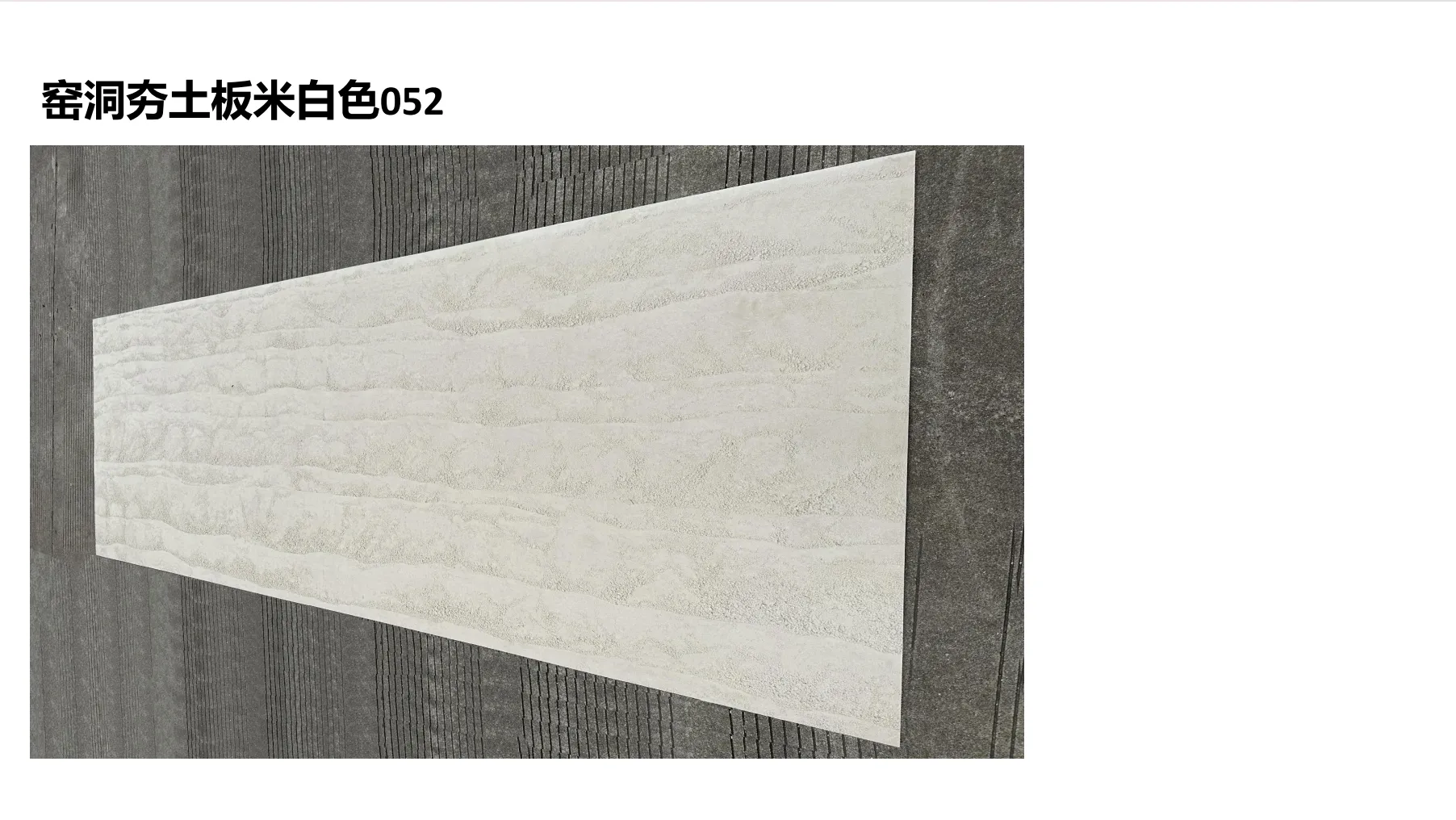
Let's start with the basics. Rammed earth itself is an ancient building technique—think of the adobe homes of the American Southwest or the historic walls of European farmhouses. It's simple: layers of moistened earth (clay, sand, gravel) are compacted into forms, creating dense, sturdy structures that stand the test of time. But gradient color rammed earth board isn't just a throwback. It's ancient wisdom meet modern innovation. Manufacturers take that traditional process and infuse it with precision: natural pigments are mixed into the earth layers, creating soft, flowing color transitions—think warm terracottas melting into sandy beiges, or muted greens blending into gentle grays. The result? A surface that looks like a landscape captured in stone, with no two boards exactly alike.
What really sets it apart, though, is its personality. Unlike granite or uniform concrete, gradient rammed earth has soul. The colors aren't flat—they shift as light changes, so your countertop might glow golden at sunset and soften into pastels at dawn. It's the kind of material that makes you want to reach out and touch it, to trace the subtle lines where one hue meets the next. And because it's made from natural materials (no harsh chemicals here), it feels grounded, like it belongs in the outdoors rather than being "placed" there.
Outdoor kitchens are workhorses. They face scorching sun in summer, freezing rain in winter, and everything in between. So let's talk tough: gradient color rammed earth board is built to last. Thanks to the compaction process, it's dense—denser than many traditional stones—making it resistant to cracks, chips, and scratches. Spill red wine on it? Wipe it up, no stain. Leave a hot pan on the counter? It won't scorch. Even UV rays, which fade so many materials, barely make a dent; the natural pigments are locked deep within the compacted layers, so the colors stay vibrant for years.
I once spoke to a homeowner in Arizona who installed gradient rammed earth countertops five years ago. "We get 110-degree summers here," she told me. "That countertop has seen grill grease, cactus juice, and my kids' art projects (don't ask). It still looks like the day we installed it. No fading, no cracks—just that same warm gradient that makes me smile every time I step outside." That's the kind of durability we're talking about: not just "sturdy enough," but "sturdy enough to become part of your family's story."
Durability is non-negotiable, but let's be honest—we also want our outdoor kitchens to look amazing. Gradient rammed earth board delivers here, too, because it's versatile. Whether your style is rustic, modern, bohemian, or Mediterranean, there's a gradient that fits.
For a cozy, cottage-like vibe, pair gradient color rammed earth board in soft beiges and warm browns with wood grain board accents. The earthy tones of the rammed earth complement the natural texture of wood, creating a space that feels like a countryside retreat. If you lean modern, try a bolder gradient—say, deep grays blending into charcoal—paired with sleek foamed aluminium alloy board (vintage silver) . The contrast between the organic earth and the cool metal is striking, like a gallery wall for your kitchen.
And let's not forget color lovers. Imagine a gradient color rammed earth board with hints of terracotta and amber (think gradient b or gradient c from the collection) paired with travertine (starry orange) backsplash tiles. The warm oranges and golds would make your outdoor kitchen feel like a sunset you can cook in. Or for a serene, coastal look, go with soft blues and grays in the rammed earth, complemented by lime stone(beige) for a beachy, laid-back feel.
Wondering how gradient color rammed earth board compares to other popular outdoor kitchen surfaces? Let's break it down. We've pitted it against three common options to see where it shines:
| Material | Durability | Style | Maintenance | Best For |
|---|---|---|---|---|
| Gradient Color Rammed Earth Board | Excellent: Resists heat, rain, scratches, and UV rays. Lasts 50+ years with minimal care. | Unique: Natural gradients, organic texture, and one-of-a-kind color variations. | Low: Seal once a year; clean with mild soap and water. No special treatments needed. | Homeowners who want durability with personality—no "cookie-cutter" look. |
| Travertine (starry blue) | Good: Heat-resistant but porous—prone to staining if not sealed regularly. | Elegant: Classic, with subtle veining and a timeless appeal. | Moderate: Seal every 6 months; avoid acidic spills (lemon juice, vinegar). | Traditional or Mediterranean-style kitchens where a "natural stone" look is key. |
| Fair-faced concrete | Very Good: Durable and heat-resistant, but can crack if not properly reinforced. | Minimalist: Sleek, modern, and monochromatic (great for contemporary designs). | Moderate: Seal annually; prone to staining if spills sit too long. | Modern, industrial, or minimalist outdoor spaces. |
| Wood grain board | Fair: Susceptible to rot, warping, and insect damage if not treated. | Warm: Inviting, rustic, and perfect for cozy, cabin-like kitchens. | High: Requires annual staining/sealing; needs to be covered in harsh weather. | Rustic or farmhouse-style kitchens where warmth is prioritized over low maintenance. |
The takeaway? Gradient color rammed earth board hits that sweet spot: it's as durable as concrete, as stylish as travertine, and lower-maintenance than wood. It's the kind of material that works hard so you don't have to.
Still not sure how to use gradient color rammed earth board ? Let's get creative with a few ideas:
The Desert Oasis: Perfect for dry, sunny climates (looking at you, Arizona and Texas). Use a gradient color rammed earth board in warm terracottas and sand (like historical pathfinders stone but with a gradient twist) for the countertops. Pair it with gobi panel walls (which mimic desert stone) and bamboo mat board cabinet doors. Add string lights and potted cacti, and you've got a kitchen that feels like a desert retreat—minus the cactus needles in your feet.
The Modern Minimalist: Clean lines, bold contrasts. Install a large gradient color rammed earth board island with a deep gray-to-black gradient. Top it with a sleek metal sink and pair it with fair-faced concrete walls. Add foamed aluminium alloy board (vintage gold) accents for a touch of luxury. It's like a high-end restaurant patio, but in your backyard.
The Bohemian Bistro: Color, texture, and personality. Use a vibrant gradient (think gradient c with reds and oranges) for the backsplash, then keep the countertops simple with lime stone(beige) . Add mismatched terracotta tiles, woven rattan chairs, and a hanging herb garden. This kitchen won't just cook meals—it'll host impromptu dance parties (we don't make the rules).
One of the best things about gradient color rammed earth board is how little fuss it needs. Unlike travertine, which demands constant sealing, or wood, which needs to be babied, rammed earth is low-maintenance. Here's the quick guide:
That's it. No special cleaners, no monthly treatments, no stress. Just a surface that keeps up with your life, not the other way around.
At the end of the day, gradient color rammed earth board isn't just about countertops or backsplashes. It's about creating outdoor spaces that feel intentional. It's about choosing materials that don't just last, but mean something—materials that connect you to nature, to history, and to the moments that make life special.
Imagine hosting a family reunion: your aunt spills red wine on the counter, your nephew draws a masterpiece in ketchup, and the sun beats down for hours. With gradient rammed earth, you won't panic. You'll laugh, wipe it up, and know the board will still look great tomorrow. And when the party's over, you'll stand there, holding a glass of wine, and stare at that gradient—those soft, flowing colors—and think, "This is why I love outdoor living."
Outdoor kitchens are investments—in time, in money, and in memories. They deserve surfaces that are as resilient as they are beautiful. Gradient color rammed earth board checks both boxes. It's durable enough to handle life's messes, stylish enough to make your neighbors jealous, and soulful enough to turn your backyard into a place you'll never want to leave.
So whether you're building a new outdoor kitchen or giving your current one a makeover, consider gradient rammed earth. It's not just a material. It's the foundation of a space where stories are cooked, shared, and cherished—one gradient sunset at a time.
Recommend Products












