
There's something inherently magical about a well-designed pool area. It's more than just a place to swim—it's a retreat, a spot where mornings start with the soft glow of sunrise on the water and evenings end with laughter under the stars. But behind that magic lies a critical choice: the materials that shape the space. From the decking underfoot to the walls that frame the view, every surface plays a role in both function and feel. And when it comes to pool areas, few materials have sparked as much excitement lately as gradient color rammed earth board. Let's dive into why this material is becoming a go-to for homeowners and designers alike, especially when water resistance and beauty are non-negotiable.
Pool areas are tough on materials. Think about it: constant exposure to water (both splashes and humidity), heavy foot traffic (wet feet, pool toys dragged across surfaces), harsh UV rays that fade colors, and even the occasional chemical splash from pool treatments. Traditional options often fall short in one way or another. Natural stone, for example, is stunning but can be porous, leading to mold or mildew if not sealed religiously. Wood decking warps over time with moisture, and while concrete is durable, it can feel cold and sterile, lacking the warmth that makes a pool area inviting.
Then there's the aesthetic side. A pool area should feel cohesive with the rest of the landscape, not like an afterthought. Many materials offer either durability or beauty, but rarely both. That's where the search for a better solution begins—and where gradient color rammed earth board enters the conversation.
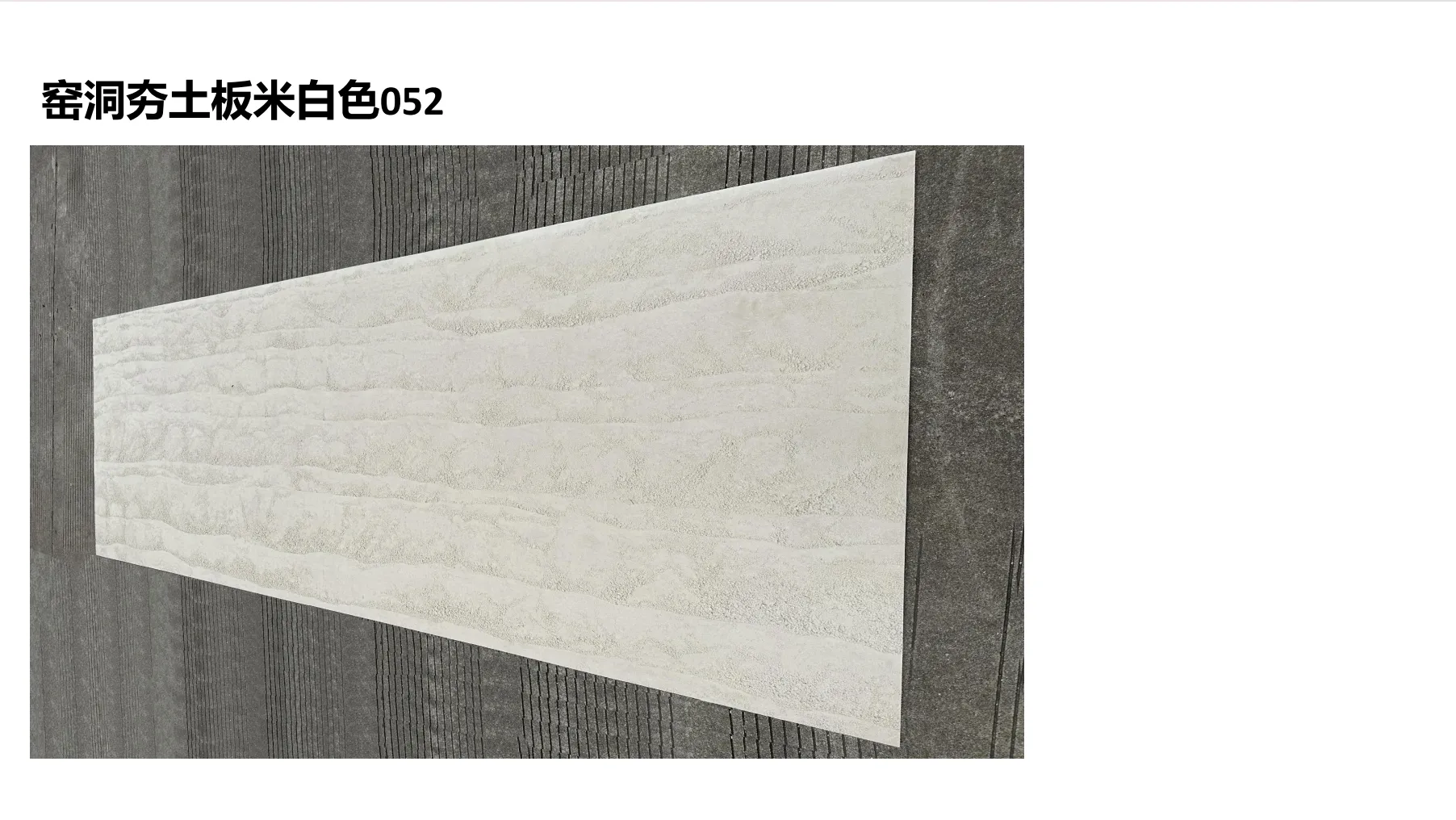
Rammed earth itself isn't new. For centuries, cultures around the world have used this technique—compacting layers of soil, gravel, and binders—to build homes, walls, and structures that stand the test of time. But gradient color rammed earth board takes this ancient wisdom and supercharges it with modern technology. Imagine the earthy texture of traditional rammed earth, but with a seamless blend of colors that shift like a sunset over the horizon. That's the gradient effect: a slow, natural transition from one hue to another, creating depth and visual interest that static materials simply can't match.
At first glance, you might wonder: isn't rammed earth just… dirt? How can it hold up to a pool's wet environment? The secret lies in the modern formulation. Today's gradient color rammed earth boards are made with stabilized soil—mixed with natural binders and additives that reduce porosity. During production, the mixture is compacted under extreme pressure, creating a dense, solid surface that repels water rather than absorbing it. Some manufacturers even add a subtle water-resistant coating (invisible to the eye) that enhances protection without compromising the material's natural texture.
This combination of density and additives means that even after years of splashes, rain, and humidity, the board resists warping, cracking, or developing mold. It's a far cry from the porous, high-maintenance rammed earth of the past—and a game-changer for wet spaces like pool areas.
To truly appreciate gradient color rammed earth board, it helps to see how it measures up against other popular options. Let's break down the pros and cons of a few common choices, from the tried-and-true to the cutting-edge.
| Material | Water Resistance | Durability | Aesthetics | Installation & Maintenance |
|---|---|---|---|---|
| Gradient Color Rammed Earth Board | High (dense compaction + additives) | Excellent (resists cracks, UV fading) | Unique gradient hues, natural texture | Professional installation recommended; low maintenance (occasional hose-down) |
| Fair-Faced Concrete | Medium (porous without sealant; prone to staining) | High (but cracks over time with freeze-thaw cycles) | Minimalist, industrial look (limited color options) | Requires sealing every 1-2 years; stains easily |
| MCM Flexible Stone | Medium-High (waterproof backing, but seams can leak) | Good (lightweight, but prone to scratches) | Variety of stone-like textures; limited color blending | Easy installation (flexible sheets); seams need regular inspection |
| Epoch Stone | Medium (natural stone pores require sealing) | High (but heavy, leading to installation challenges) | Classic stone appearance; static color | Heavy, requires structural support; annual sealing needed |
Take fair-faced concrete, for example. It's durable and affordable, but its porous nature means it soaks up water unless sealed— and even then, it's prone to staining from leaves, dirt, or pool chemicals. MCM flexible stone, a modern favorite, offers the look of stone with less weight, but its seams can be weak points for water intrusion over time. Epoch stone, a traditional natural stone option, is beautiful but heavy and high-maintenance, needing regular sealing to fight moisture.
Then there are accent materials like lunar peak silvery—a sleek, metallic-finish stone often used for trim. While stunning as a decorative touch, it lacks the gradient rammed earth's versatility as a main decking material, as its smooth surface can become slippery when wet. Gradient rammed earth, by contrast, offers both the durability to be a workhorse and the beauty to be a showstopper.
Beyond function, gradient color rammed earth board wins hearts with its aesthetics. Imagine a pool deck that shifts from soft terracotta at the edges to warm amber near the water, mimicking the way sunlight plays on sand. Or a wall that fades from deep sage green to pale mint, blending seamlessly with surrounding foliage. These gradients aren't just pretty—they create a sense of flow, guiding the eye and making the space feel larger and more connected to nature.
Designers love it for another reason: customization. Unlike pre-colored tiles or slabs, gradient rammed earth boards can be tailored to match a home's existing palette or the surrounding landscape. Want to echo the hues of a desert sunset? A gradient of rusty red to golden orange works. Prefer a coastal vibe? Soft blues fading to whites evoke the ocean's edge. It's a material that doesn't just fill space—it tells a story.
Like any quality material, gradient color rammed earth board benefits from professional installation. Because it's denser than some alternatives, proper sub-base preparation is key to preventing shifting or cracking over time. A reputable installer will ensure the ground is level, well-drained, and reinforced if needed—especially important for pool areas where water runoff must be managed.
Maintenance, though, is refreshingly simple. Unlike wood that needs staining or natural stone that requires sealing, gradient rammed earth board typically only needs an occasional rinse with a hose to remove dirt or debris. For tougher stains (think sunscreen or bird droppings), a mild soap and soft brush do the trick. No harsh chemicals, no annual treatments—just a quick clean to keep that gradient glow intact.
Take the example of the Martinez family, who renovated their pool area last year in Arizona. Tired of their old concrete deck (which had faded to a dull gray and developed cracks), they wanted something that could handle the intense sun and monsoon rains while adding warmth to their desert-inspired yard. After considering options like travertine and MCM flexible stone, they stumbled on gradient color rammed earth board in a blend of terracotta and sand.
"We were worried about water resistance at first—Arizona monsoons bring sudden downpours—but the installer explained the compaction process, and we took the plunge," says Mrs. Martinez. "A year later, the deck still looks brand new. No cracks, no mold, and the gradient color hasn't faded a bit, even with the sun beating down. The best part? Guests always comment on how it feels like a luxury resort, not just our backyard."
Let's be honest: quality materials come with a price tag. Gradient color rammed earth board isn't the cheapest option on the market. But for pool areas—where materials take a beating and aesthetics matter just as much as durability—it's an investment that pays off. Think of it this way: a poorly chosen material might need replacement in 5-7 years, costing more in the long run. Gradient rammed earth, with its 20+ year lifespan (and minimal upkeep), ends up being the smarter choice for homeowners who want both beauty and longevity.
It's also worth noting the value it adds to a home. In a competitive real estate market, unique, high-quality features like a gradient rammed earth pool area can set a property apart, appealing to buyers who crave both style and practicality.
At the end of the day, gradient color rammed earth board is more than just a building material. It's a way to infuse a pool area with personality, resilience, and a connection to the natural world. It's for homeowners who refuse to choose between "tough enough" and "beautiful," and for designers who want to create spaces that feel both timeless and fresh.
So, if you're dreaming of a pool area that wows guests, stands up to the elements, and feels like an extension of your home's soul, don't sleep on gradient color rammed earth board. It's not just a solution—it's a statement. And in a space as special as a pool area, that statement is worth making.
Recommend Products












