
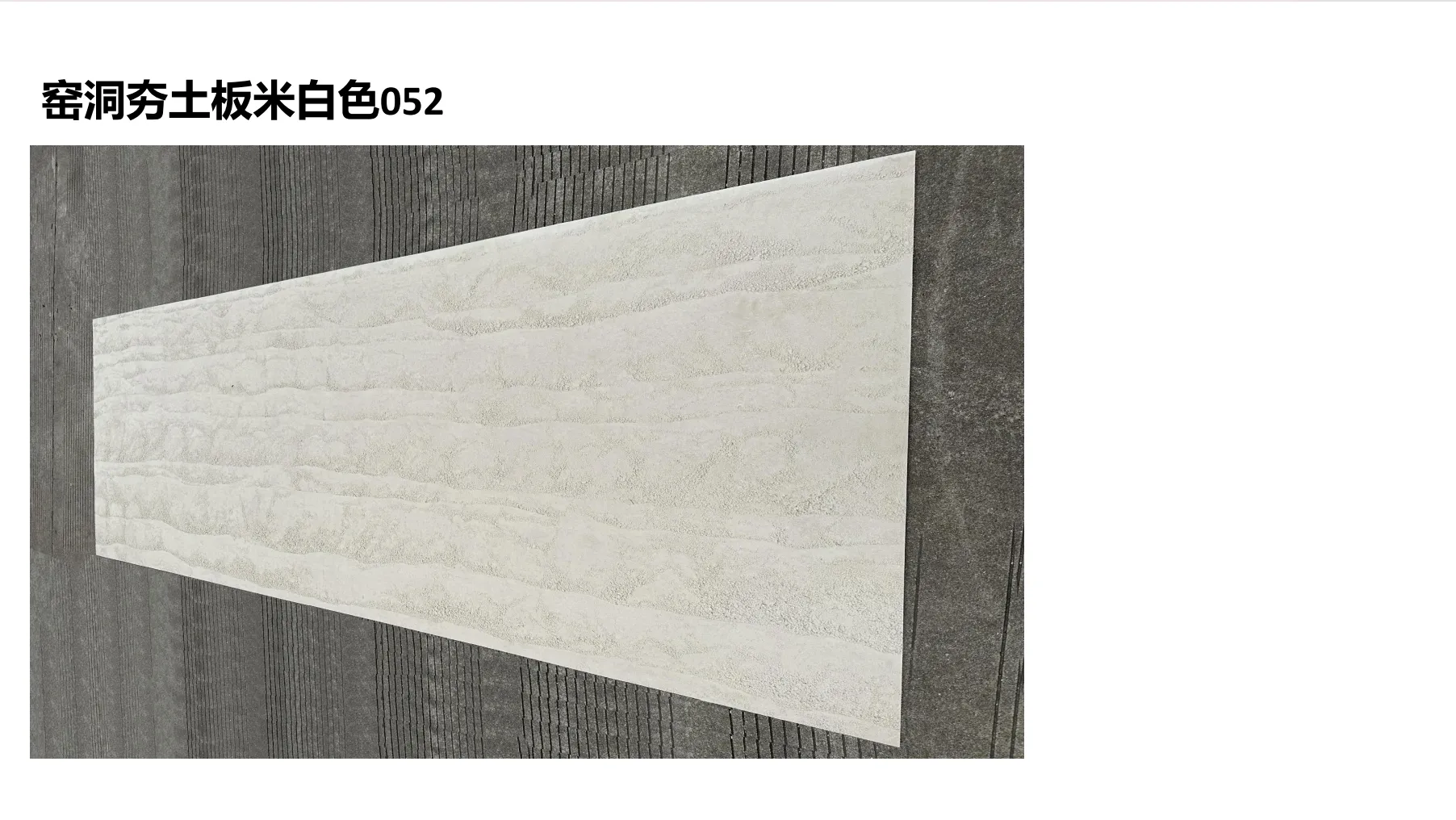
There's something uniquely captivating about gradient color rammed earth boards. The way their hues blend—softly shifting from warm terracotta to muted sage, or from golden sand to deep umber—adds a dynamic, almost living quality to walls and surfaces. Whether you're revamping a home office, designing a feature wall in your living room, or adding character to a commercial space, these boards have a way of turning ordinary spaces into something extraordinary.
But here's the thing: their beauty is only as strong as their installation. A slightly uneven panel or a misaligned gradient can throw off the entire look, turning that "wow" factor into a "what went wrong" moment. That's why we're breaking down everything you need to know to install your gradient color rammed earth boards like a pro—no prior masonry experience required. Let's dive in.
Before you even unbox those stunning gradient boards, a little prep work will save you hours of frustration later. Think of it like baking a cake—you wouldn't skip preheating the oven or measuring ingredients, right? Installation is no different.
Start by getting up close and personal with the wall or surface where the boards will go. Is it smooth, or are there bumps, cracks, or moisture issues? Grab a flashlight and check for hidden flaws—even small dents can cause big problems when laying boards. If you're working with a new build, the substrate might be fair-faced concrete, which is a popular choice for its durability and neutral base—just make sure it's fully cured (at least 28 days) before starting. For existing walls, patch cracks with a high-quality compound and sand them smooth.
Unpack your gradient color rammed earth boards carefully—those corners are surprisingly delicate! Lay them out flat on a clean surface (a tarp or old sheet works) and take a moment to appreciate the gradient flow. Each board should blend seamlessly into the next. Check for chips, cracks, or color inconsistencies—if a board has a blemish right in the middle of a color transition, set it aside for a less visible area (like behind a bookshelf). Also, note the batch numbers—boards from the same batch will have the most consistent gradient, so stick to one batch if possible. Mixing batches? You might end up with a patchy, disjointed look, and trust me, that's not the vibe you want.
Your boards need a clean, stable foundation. Start by clearing the area—move furniture, cover floors with drop cloths, and dust like your sanity depends on it (because, honestly, it kind of does). Dust, dirt, and grease will prevent the adhesive from bonding, so sweep with a stiff brush, then wipe the surface with a damp cloth. Let it dry completely—moisture is the enemy here. If the substrate is uneven, use a level to check for slopes; anything more than 1/8 inch over 4 feet means you'll need to apply a skim coat of mortar to even things out.
You don't need a garage full of fancy equipment, but having the right tools on hand will make installation feel like a breeze. Here's your checklist:
| Tool | Purpose | Pro Tip |
|---|---|---|
| Tape Measure & Carpenter's Pencil | Marking cut lines and board placement | Opt for a 25-foot tape for larger spaces—you'll thank us later. |
| 2-foot & 4-foot Levels | Ensuring boards are straight horizontally and vertically | Use the 4-foot level for long rows and the 2-foot for tight corners. |
| Notched Trowel | Applying adhesive evenly | 1/4-inch notch for walls, 1/2-inch for floors—more adhesive = better bond. |
| Rubber Mallet | Gently tapping boards into place without damaging them | Wrap the mallet head in a cloth to avoid scuffing the gradient finish. |
| Wet Saw or Utility Knife | Cutting boards to size (for corners or edges) | A wet saw gives cleaner cuts for gradient boards—rent one if you don't own it. |
| Grout Float & Sponge | Applying and cleaning grout | Use a float with a rubber edge to press grout deep into joints. |
| Safety Gear | Gloves, goggles, dust mask | Don't skip the mask—cutting rammed earth creates fine dust! |
Now for the fun part—turning those loose boards into a cohesive masterpiece. Follow these steps, and you'll be admiring your handiwork in no time.
"Measure twice, cut once" isn't just a cliché—it's the golden rule of installation. Use your tape measure to mark where each board will go, leaving 1/8 to 1/4 inch for grout lines. If your gradient has a specific direction (e.g., top-to-bottom or left-to-right), draw a light pencil line to guide alignment. For extra precision, snap a chalk line along your marks—this visual guide will keep rows straight, especially critical for horizontal gradient transitions.
Most gradient boards come in standard sizes (e.g., 12x24 inches), but you'll likely need to trim some for corners or outlets. If using a wet saw, set the board face-up and align the cut line with the blade. Go slow—rushing can chip the edges, ruining the gradient's clean look. For small cuts, a sharp utility knife might work, but score the surface first and snap gently. Always cut on a stable surface, and wear goggles to protect your eyes from flying debris.
Choose an adhesive designed for masonry or stone—look for "exterior grade" if installing outdoors, or "interior/exterior" for versatility. Mix it according to the package directions (it should have the consistency of thick peanut butter). Apply it to the substrate in small sections (about 2-3 square feet at a time) using the notched trowel. Hold the trowel at a 45-degree angle and spread the adhesive evenly, then drag the notched edge through it to create ridges—this ensures full contact with the board.
Carefully lower the first board onto the adhesive, aligning it with your chalk line. Gently press it down, then use the rubber mallet to tap it firmly (but not too hard!) to set it in place. Check with your level—both horizontally and vertically—to make sure it's even. If it's off, lift it immediately (before the adhesive sets), scrape off the old adhesive, and try again. Repeat with the next board, using spacers (small plastic wedges) to maintain grout lines. For gradient transitions, pay extra attention to how the colors overlap—you want them to blend like a watercolor painting, not clash.
Once all boards are in place and the adhesive has cured (usually 24-48 hours), it's grout time. Choose a grout color that complements your gradient—neutral tones like off-white or light gray work best, as they let the board colors shine. Mix the grout until smooth, then use the float to press it into the joints at a 45-degree angle, making sure every gap is filled. Let it sit for 15-20 minutes (check the "open time" on the package), then wipe away excess with a damp sponge. Rinse the sponge often to avoid smearing grout on the boards—trust us, dried grout is a nightmare to remove!
Last but never least: sealing. Gradient rammed earth boards are porous, so a sealer will protect against stains, moisture, and fading (sunlight can dull those vibrant hues over time). Opt for a water-based penetrating sealer for interiors or a solvent-based one for exteriors. Apply it with a paintbrush or roller in thin, even coats, following the drying time on the label. Let the final coat cure for 24-72 hours before using the surface—patience here pays off with a finish that lasts.
Even with the steps above, a few extra tricks will take your installation from "good" to "gallery-worthy." Here's what the pros know:
The magic of gradient boards is in their color flow, so take time to align them perfectly. When laying out boards on the floor, arrange them to mimic the final installation—this lets you spot color gaps early. For example, if you're using "rammed earth board(gradient c)" (which shifts from soft pink to lavender) and "rammed earth board(gradient b)" (gold to amber), make sure their edges don't create a harsh line. A small overlap in tones will make the transition feel natural.
Adhesive and grout hate extreme temperatures. Avoid installing in heat waves (over 85°F) or freezing cold (below 50°F). In hot weather, work in the morning when it's cooler, and mist the substrate lightly with water (don't soak it!) to prevent adhesive from drying too fast. In cold weather, keep materials indoors until you're ready to use them—cold adhesive won't bond as well.
Outside corners are vulnerable to chips and dents. Many manufacturers offer corner trim pieces in matching gradients—install them after the main boards are up for a polished look. For inside corners, leave a 1/4-inch gap to allow for expansion (walls shift over time!), then fill it with flexible caulk that matches your grout color.
Oops—we've all been there. Here's how to bounce back from hiccups:
Your hard work deserves to last. With a little care, your gradient boards will stay stunning for years:
Daily cleaning: A soft brush or damp cloth is usually enough. Avoid harsh cleaners (like bleach or abrasive scours) that can strip the sealer or discolor the gradient.
Spills: Wipe them up immediately, especially acidic liquids (juice, wine) that can stain porous surfaces.
Sealer reapplication: Every 2-3 years, check if water beads on the surface—if not, it's time for a fresh coat of sealer. Clean the boards first, then apply as directed.
Installing gradient color rammed earth boards might seem intimidating at first, but with the right prep, tools, and a little patience, you'll be rewarded with a surface that's as durable as it is beautiful. Remember, the key is in the details—taking the time to align the gradient, level each board, and protect the finish will ensure your project looks professional for years to come.
So go ahead—grab your trowel, trust the process, and get ready to step back and admire that stunning gradient wall you built with your own two hands. You've got this.
Recommend Products












