
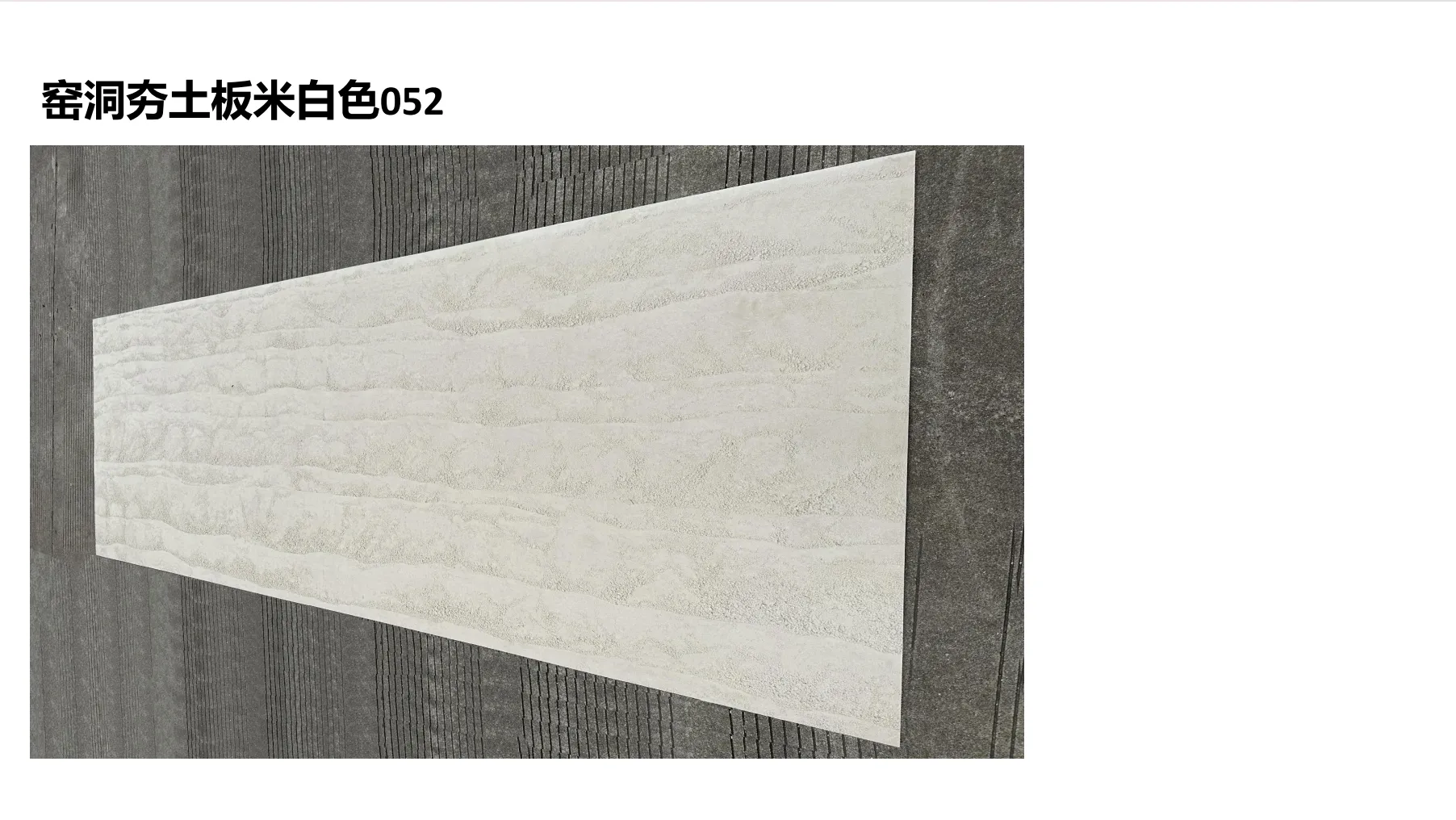
There's something almost magical about a wall clad in gradient color rammed earth board. It's not just a building material—it's a story told in layers of earthy hues, shifting from soft terracotta to warm amber, or maybe from muted sage to deep olive, depending on the design. As someone who's walked through homes and commercial spaces where these boards take center stage, I've seen firsthand how they can turn a plain room into a space that feels alive, grounded, and full of character. But here's the thing about magic: it needs a little care to stick around. Gradient color rammed earth boards, with their porous texture and delicate color gradients, aren't just "set it and forget it" materials. They're more like a living canvas—one that responds to how you treat it, for better or worse.
Maybe you're a homeowner who fell in love with that gradient wall in your living room, the way it catches the morning light and makes the space feel cozy yet expansive. Or perhaps you're a designer who specified these boards for a client's café, drawn to their ability to blend rustic charm with modern minimalism. Either way, you've invested in something special—and you want it to stay special. The good news? With the right maintenance routine, your gradient color rammed earth board can look just as stunning in 10 years as it did on day one. The even better news? It doesn't have to be complicated. In fact, most of what it takes is just paying attention— noticing the little things before they become big problems—and adopting a few simple habits that fit into your regular home care.
In this guide, we're going to dive deep into everything you need to know to keep your gradient color rammed earth board looking fresh, vibrant, and full of that initial "wow" factor. We'll talk about why maintenance matters (spoiler: it's not just about looks), walk through step-by-step care routines for different seasons, troubleshoot common issues like stains or fading, and even touch on how to adapt your approach if you have other natural materials nearby—like the dreamy Travertine (Starry Blue) accent wall in your kitchen or the earthy Rammed Earth Board (Matcha Green) in your outdoor patio. By the end, you'll have a roadmap to not just maintain, but preserve, the beauty of your gradient rammed earth for years to come.
Let's start with the basics: what makes gradient color rammed earth board different from, say, a standard painted wall or even a regular concrete panel? For one, it's a composite material that mimics the look of traditional rammed earth—layers of compressed soil, clay, and natural pigments— but with modern additives that make it lighter, more flexible, and suitable for indoor and outdoor use. The gradient effect is achieved by carefully blending pigments during the manufacturing process, creating subtle transitions between colors that can range from soft pastels to bold, dramatic shifts. This isn't just a surface treatment; the color runs through the material, which is great news for durability (no chipping paint here!) but also means that any damage or discoloration affects the entire depth of the board, not just a top layer.
Then there's the texture. Unlike smooth drywall or polished marble, gradient rammed earth has a porous, slightly rough surface that's full of character. Those tiny pores and ridges are what give it that organic, tactile feel—run your hand over it, and you'll notice the subtle variations, like the grain of a well-loved wooden table. But those pores are also like tiny magnets for dust, dirt, and moisture. Left unchecked, they can trap grime, leading to discoloration over time, or absorb water, which can weaken the material and cause the colors to bleed or fade unevenly. Imagine spilling a glass of red wine on a porous surface versus a non-porous one—the porous one soaks it up, making stains harder to remove. That's exactly what we're up against with gradient rammed earth.
And let's not forget the color itself. The gradient effect is a delicate balance—each shade is mixed to complement the next, creating a cohesive flow. If one section fades more than another, or if a stain discolors a single band of the gradient, the whole harmony is thrown off. I once visited a home where the south-facing gradient wall had been exposed to harsh sunlight for years without protection; the top half had faded to a pale, washed-out version of its original terracotta, while the bottom half (shaded by a sofa) was still rich and warm. It looked like the wall was "bleeding" color, and the homeowner was devastated—what was once a conversation piece had become an eyesore. The worst part? It was preventable with simple UV protection.
But it's not just about avoiding disaster. Proper maintenance also helps your gradient rammed earth board age gracefully. Like a vintage leather jacket or a well-worn book, natural materials often look better with time—if they're cared for. A well-maintained gradient wall will develop a subtle patina, where the colors soften slightly but remain vibrant, and the texture becomes even more inviting. Neglected, though, it'll just look tired: dull, stained, and neglected. The choice is yours.
Okay, so we know why maintenance matters—now let's get into the "how." The good news is that caring for gradient color rammed earth board doesn't require a closet full of specialty tools or a degree in material science. It does, however, require consistency and a gentle touch. Let's break it down into three core pillars: regular cleaning, proactive protection, and addressing issues early.
Think of cleaning your gradient rammed earth board like brushing your teeth: do it regularly, and you prevent bigger problems down the line. The frequency depends on where the board is installed—indoor walls might need a light clean every 2-3 months, while outdoor panels (like that stunning Gradient Color Rammed Earth Board on your patio) could need it monthly, especially if they're exposed to rain, pollen, or nearby trees.
Start with the gentlest method possible: dry dusting. Use a soft, microfiber cloth or a feather duster to wipe away surface dust and cobwebs. Avoid abrasive materials like scouring pads or stiff-bristled brushes—they can scratch the surface and push dirt deeper into the pores. For slightly more stubborn dust (think: the area above your couch where dust bunnies love to hide), a vacuum with a soft brush attachment works wonders. Just be sure to hold the nozzle a few inches away from the wall to avoid suction marks—you want to lift the dust, not press it in.
When it's time for a deeper clean (say, after a party where someone accidentally brushed a greasy hand against the wall, or after a heavy rainstorm outdoors), you'll need a damp cloth and a mild, pH-neutral cleaner. Skip the harsh stuff: no bleach, ammonia, or vinegar, which can strip the pigments or react with the minerals in the board. Instead, opt for a gentle dish soap diluted in warm water (about 1 teaspoon per gallon) or a specialized natural stone cleaner (look for ones labeled "safe for rammed earth" or "pH-neutral"). Test the cleaner on a small, inconspicuous area first—like behind a piece of furniture—to make sure it doesn't discolor the board. Then, dip your microfiber cloth in the solution, wring it out until it's just damp (not wet), and gently wipe the surface in circular motions. Follow up with a clean, dry microfiber cloth to buff away any moisture—remember, standing water is the enemy of porous materials.
For outdoor gradient rammed earth boards, you might also need to tackle mildew or algae, especially in humid climates. In that case, mix a solution of 1 part hydrogen peroxide (3%) to 4 parts water, apply it with a soft brush, let it sit for 5-10 minutes, then rinse thoroughly with a garden hose on a low-pressure setting. Again, test first—hydrogen peroxide is mild, but better safe than sorry.
Cleaning removes the gunk, but sealing prevents it from sticking in the first place. Think of a sealant as a invisible shield that sits on top of the gradient rammed earth board, blocking pores and repelling liquids, dust, and UV rays. Most gradient rammed earth boards come pre-sealed from the manufacturer, but that sealant wears off over time—usually every 2-3 years for indoor use, and 1-2 years for outdoor use (thanks to rain, sun, and temperature fluctuations).
Choosing the right sealant is key. Look for a breathable, water-based penetrating sealer specifically designed for rammed earth or natural stone. Breathable is important because it allows moisture vapor to escape from the board, preventing trapped moisture that can cause mold or efflorescence (those white, powdery deposits that sometimes form on porous materials). Avoid solvent-based sealers, which can darken the colors of the gradient or leave a glossy sheen—most people choose gradient rammed earth for its matte, natural look, and a glossy sealer would ruin that.
Applying the sealer is a straightforward process, but it requires patience. Start by thoroughly cleaning the board (as we discussed earlier) and letting it dry completely—any moisture trapped under the sealer will cause problems later. Then, using a foam brush or a low-nap roller, apply a thin, even coat of sealer, working in small sections (about 2x2 feet at a time). Let it sit for 5-10 minutes, then wipe away any excess with a clean cloth—this prevents puddles or streaks. Wait 24 hours for the first coat to dry, then apply a second coat if recommended by the manufacturer. Avoid applying sealer in direct sunlight or extreme temperatures (below 50°F or above 85°F), as it can cause the sealer to dry too quickly or not adhere properly.
Pro tip: If you have other natural materials nearby, like that Travertine (Starry Blue) backsplash in your kitchen, check if it needs sealing too. Many natural stones and rammed earth products benefit from similar sealers, so you can tackle them in one go. Just be sure to use a sealer that's safe for both—when in doubt, ask the manufacturer or a local stone specialist.
Even with the best cleaning and sealing, life happens. A kid spills juice on the wall, a storm blows debris against your outdoor panel, or a leaky roof drips onto the corner of your gradient board. The key is to act fast—within 24-48 hours of noticing a problem, if possible. The longer you wait, the harder it is to fix.
Let's start with stains. For fresh stains (like coffee, wine, or food), blot—don't rub—the area with a clean, dry cloth to absorb as much liquid as possible. Then, use your mild soap solution (from the cleaning step) to gently wipe the stain. For oil-based stains (like grease or makeup), sprinkle a little baking soda on the area to absorb the oil, let it sit for 10-15 minutes, then vacuum it up and clean with the soap solution. For more stubborn stains, like ink or dye, try a paste of baking soda and water—apply it to the stain, let it dry, then gently brush it off and clean as usual. Avoid using harsh chemicals or scrubbing aggressively, which can damage the surface.
Cracks are another common issue, especially in outdoor gradient rammed earth boards exposed to freeze-thaw cycles. Hairline cracks (less than 1/8 inch wide) are usually cosmetic and can be fixed with a rammed earth repair paste (available at home improvement stores or from the board manufacturer). Clean the crack with a dry brush to remove debris, then apply the paste with a putty knife, smoothing it to match the surrounding texture. Let it dry according to the manufacturer's instructions, then sand lightly if needed and seal the area. Larger cracks (wider than 1/8 inch) might indicate structural issues—if you see those, it's best to consult a professional to rule out problems like water damage or improper installation.
Fading is trickier, as it's often gradual and hard to spot until it's noticeable. To prevent fading, keep indoor gradient boards away from direct sunlight (use curtains or blinds during peak hours) and apply UV-protective sealant to outdoor boards. If fading has already occurred, you might be able to touch up the color with a natural pigment stain (ask the manufacturer for color-matching guidance), but this is a more advanced fix and might require professional help to avoid uneven results.
Just like your garden or your wardrobe, your gradient color rammed earth board's needs change with the seasons. What works in the dry heat of summer might not be enough in the rainy days of spring, and winter's cold and moisture can bring a whole new set of challenges. Let's break down how to adjust your maintenance routine throughout the year, whether your board is indoors or outdoors.
Spring is a beautiful time of year, but it's also a messy one—especially for outdoor gradient rammed earth boards. Pollen coats everything in a fine, yellow dust, rain showers leave water spots, and rising humidity can encourage mildew growth. Start by giving your outdoor boards a thorough cleaning (using the mild soap solution we discussed) to remove pollen and winter grime. For indoor boards, dust more frequently—pollen can drift in through open windows, and those tiny grains can settle into the board's pores if left unchecked.
Humidity is another concern in spring, especially in basements or bathrooms with indoor gradient rammed earth. Run a dehumidifier if the humidity level stays above 60%, as excess moisture can lead to mold or efflorescence. Check around windows and doors for leaks—spring rains can cause water to seep in, and even a small drip can damage your board over time. If you have an outdoor gradient wall near a gutter, make sure the gutter is clean and draining properly to prevent water from pooling at the base of the board.
Summer's harsh sunlight is the biggest threat to gradient color rammed earth, especially for outdoor boards or indoor ones near south-facing windows. UV rays can fade the pigments in the gradient, turning vibrant hues into washed-out versions of themselves. If you have outdoor boards, consider applying a UV-protective sealant (look for one with added zinc oxide or titanium dioxide) before the summer solstice. For indoor boards, use curtains or solar shades during the hottest part of the day (10 a.m. to 4 p.m.) to block direct sunlight.
Heat can also cause the board to dry out, leading to minor cracking or a dull appearance. Indoor boards might benefit from a light misting with distilled water (not tap water, which can leave mineral deposits) if the air is extremely dry (below 30% humidity). Just be sure to wipe away any excess moisture immediately—you don't want to soak the board. Outdoor boards should be cleaned more frequently in summer, as dust and dirt can bake onto the surface in the heat, making them harder to remove later.
Fall is all about preparation. As leaves start to fall, they can collect on outdoor gradient rammed earth boards, trapping moisture and causing stains or mildew. Rake or sweep leaves away regularly, and give the boards a final deep clean before winter sets in—this removes any dirt or debris that could freeze onto the surface. Check the sealant on outdoor boards too—if it's been a year or two since you last applied it, now's a good time to re-seal before the cold weather hits.
Indoor gradient boards might need less frequent cleaning in fall, but it's a good idea to check for drafts around windows and doors. Cold air coming in can cause the board to contract, leading to cracks, while warm, dry indoor air can cause it to dry out. Use weatherstripping to seal drafts, and maintain a consistent indoor temperature (between 65°F and 75°F) to minimize expansion and contraction.
Winter is tough on all building materials, and gradient rammed earth is no exception. Freezing temperatures can cause trapped moisture in the board to expand, leading to cracks, while salt from snowmelt (if you live in an area that uses road salt) can splash onto outdoor boards and cause discoloration. If you have outdoor boards, avoid using salt or de-icers near them—instead, use sand for traction on icy paths. If salt does get on the board, rinse it off with warm water as soon as the temperature rises above freezing to prevent it from drying and staining.
Indoor boards in cold climates can suffer from dry air, which can make the surface brittle. Use a humidifier to keep indoor humidity between 40-50%, and avoid placing space heaters directly in front of the board—excess heat can cause uneven drying and cracking. If you notice any hairline cracks in winter, don't panic—they might close up in spring as the humidity rises. But if they're wider than 1/8 inch, or if they're accompanied by efflorescence (white powdery deposits), it's a sign of excess moisture, and you should investigate the source (like a leaky pipe or poor insulation).
If you're lucky enough to have multiple natural materials in your home—like a Gradient Color Rammed Earth Board in the living room, a Rammed Earth Board (Matcha Green) in the patio, and a Travertine (Starry Blue) accent wall in the bedroom—you might be wondering how their maintenance routines differ. While all these materials share some similarities (they're porous, pigmented, and require gentle care), there are subtle differences in their needs based on their composition and color. To help you keep track, here's a quick comparison table:
| Material Type | Cleaning Frequency | Recommended Sealant | Common Issues | Best Fixes |
|---|---|---|---|---|
| Gradient Color Rammed Earth Board | Indoor: Every 2-3 months; Outdoor: Monthly | Breathable, water-based, UV-protective sealer | Color fading, dust trapping, water spots | Regular dusting, UV protection, prompt stain removal |
| Rammed Earth Board (Matcha Green) | Indoor: Every 3-4 months; Outdoor: Every 6 weeks | Natural stone sealer (pH-neutral, non-yellowing) | Green pigment bleeding, mildew in humid areas | Hydrogen peroxide solution for mildew, avoid harsh cleaners |
| Travertine (Starry Blue) | Indoor: Every 1-2 months (high-traffic areas); Outdoor: Bi-weekly | Penetrating travertine sealer (avoid topical sealers) | Etching from acidic substances (e.g., citrus, vinegar), pitting | Immediate wipe-up of acidic spills, annual professional honing (if outdoor) |
As you can see, while the core principles (gentle cleaning, sealing, prompt attention to issues) apply across the board, each material has its own quirks. The Matcha Green rammed earth, for example, has more vibrant pigments that can bleed if exposed to harsh chemicals, so it needs extra care with cleaners. Travertine (Starry Blue), being a natural stone, is more prone to etching from acidic substances, so you'll want to keep citrus juices or vinegar away from it. The Gradient Color Rammed Earth Board, with its multi-hued layers, is most sensitive to UV fading, making sun protection a top priority.
Even with the best intentions, it's easy to slip into habits that harm your gradient color rammed earth board. Maybe you're in a hurry and grab the first cleaner under the sink, or you think "a little water won't hurt" and leave a damp cloth on the wall. But these small mistakes can add up over time, leading to discoloration, damage, or even permanent staining. Let's go over the most common pitfalls and how to steer clear of them.
Mistake #1: Using Harsh Cleaners or Abrasive Tools – I get it: when you see a stubborn stain, your first instinct might be to grab a heavy-duty cleaner or a scouring pad to "tough it out." But gradient rammed earth is sensitive to acidic or alkaline cleaners (like vinegar, bleach, or ammonia), which can strip the pigments or eat away at the surface. Abrasive tools like steel wool or stiff brushes scratch the board, creating grooves that trap more dirt and make future cleaning harder. Stick to mild soap and soft cloths—patience is better than regret.
Mistake #2: Ignoring Small Issues "Because They're Not That Bad" – That tiny water spot from a rainstorm? The hairline crack near the window? It's easy to think, "I'll deal with it later." But small issues grow into big ones. A water spot can turn into mildew if left in a humid area; a hairline crack can widen in winter as water freezes inside it. Address problems as soon as you notice them—even if it's just a quick wipe with a damp cloth or a dab of repair paste. Your future self will thank you.
Mistake #3: Over-Sealing or Under-Sealing – Sealing is important, but more isn't always better. Applying too many coats of sealer can create a thick, gummy layer that traps moisture or turns yellow over time. On the flip side, forgetting to re-seal leaves your board vulnerable to stains and fading. Follow the manufacturer's guidelines for how many coats to apply and how often to re-seal—usually every 2-3 years for indoor, 1-2 for outdoor. Set a reminder on your calendar if you need to—out of sight, out of mind is the enemy here.
Mistake #4: Letting Water Sit on the Surface – Whether it's a spilled drink, a leaky roof, or a damp cloth left on the wall, standing water is bad news for porous materials like gradient rammed earth. It seeps into the pores, causing discoloration, mildew, or even structural weakening. Wipe up spills immediately, fix leaks promptly, and never hang wet towels or clothes on gradient rammed earth walls (yes, even in the bathroom!).
Mistake #5: Using the Wrong Furniture or Decor – That heavy bookshelf leaning against your gradient wall? The metal lamp with a sharp base sitting directly on the board? Over time, they can scratch or dent the surface. Use furniture pads under heavy items, and place decor on stands or mats to create a buffer between the object and the wall. For outdoor spaces, avoid placing planters directly on gradient rammed earth boards—water from the planter can seep into the board, and soil can stain it. Use a saucer or a raised stand instead.
So far, we've focused on day-to-day and seasonal maintenance, but what about the long haul? If you want your gradient color rammed earth board to still look beautiful 20 or 30 years from now—maybe even become a selling point when you move, or a story you tell your grandkids—you need to think beyond the regular routine. Here are some pro tips for preserving your board for the long term.
Tip #1: Document Its Journey – Take photos of your gradient rammed earth board when it's first installed, and take new photos every year (same lighting, same angle) to track changes. This makes it easier to spot fading, staining, or cracks early, before they become obvious. Note down when you clean, seal, or repair the board in a maintenance journal or a digital document—this creates a history you can reference later, and it's invaluable if you ever sell your home (new owners will appreciate knowing the care the board has received).
Tip #2: Invest in Professional Inspections Every 5-7 Years – Even if you're diligent with maintenance, a professional (like a rammed earth specialist or a natural stone contractor) can spot issues you might miss—like hidden moisture damage, structural stress, or sealant degradation. They can also perform deep cleaning or re-sealing with industrial-grade products that last longer than consumer versions. Think of it like a yearly doctor's visit for your home—preventive care saves money and heartache later.
Tip #3: Protect During Renovations or Moves – If you're doing renovations near your gradient rammed earth board, cover it with a thick, breathable material (like canvas drop cloths) to protect it from dust, paint splatters, or accidental impacts. Use painter's tape (low-tack, removable) to secure the cloths, and avoid plastic sheeting, which traps moisture. During a move, hire professionals who are experienced with natural materials—rammed earth can be damaged by heavy furniture being dragged or dropped against it.
At the end of the day, preserving your gradient color rammed earth board is about more than just keeping it clean—it's about respecting the material, understanding its needs, and treating it with the care it deserves. When you do that, it doesn't just stay beautiful; it becomes a part of your home's story, a testament to the thought and love you put into creating a space that feels uniquely yours.
As we wrap up, I want to leave you with this: maintaining your gradient color rammed earth board isn't just a chore—it's an act of care. Every time you dust it, every time you seal it, every time you stop to wipe up a spill before it stains, you're not just preserving a material—you're preserving a feeling. That feeling of walking into a room and being greeted by a wall that feels warm, alive, and full of personality. That pride in knowing you've created a space that's both beautiful and built to last.
I've seen what happens when people neglect their gradient rammed earth boards—dull colors, stubborn stains, regret. But I've also seen the opposite: homes where the gradient wall is the first thing guests comment on, years after installation. Walls that have weathered storms, hosted family gatherings, and still look as vibrant as the day they were built. The difference? Not luck, but care.
So grab your microfiber cloth, schedule that sealer application, and take a moment to appreciate your gradient color rammed earth board. It's more than just a wall—it's a canvas, a story, and a reflection of the home you've built. With a little love, it will keep telling that story for years to come.
Recommend Products












