
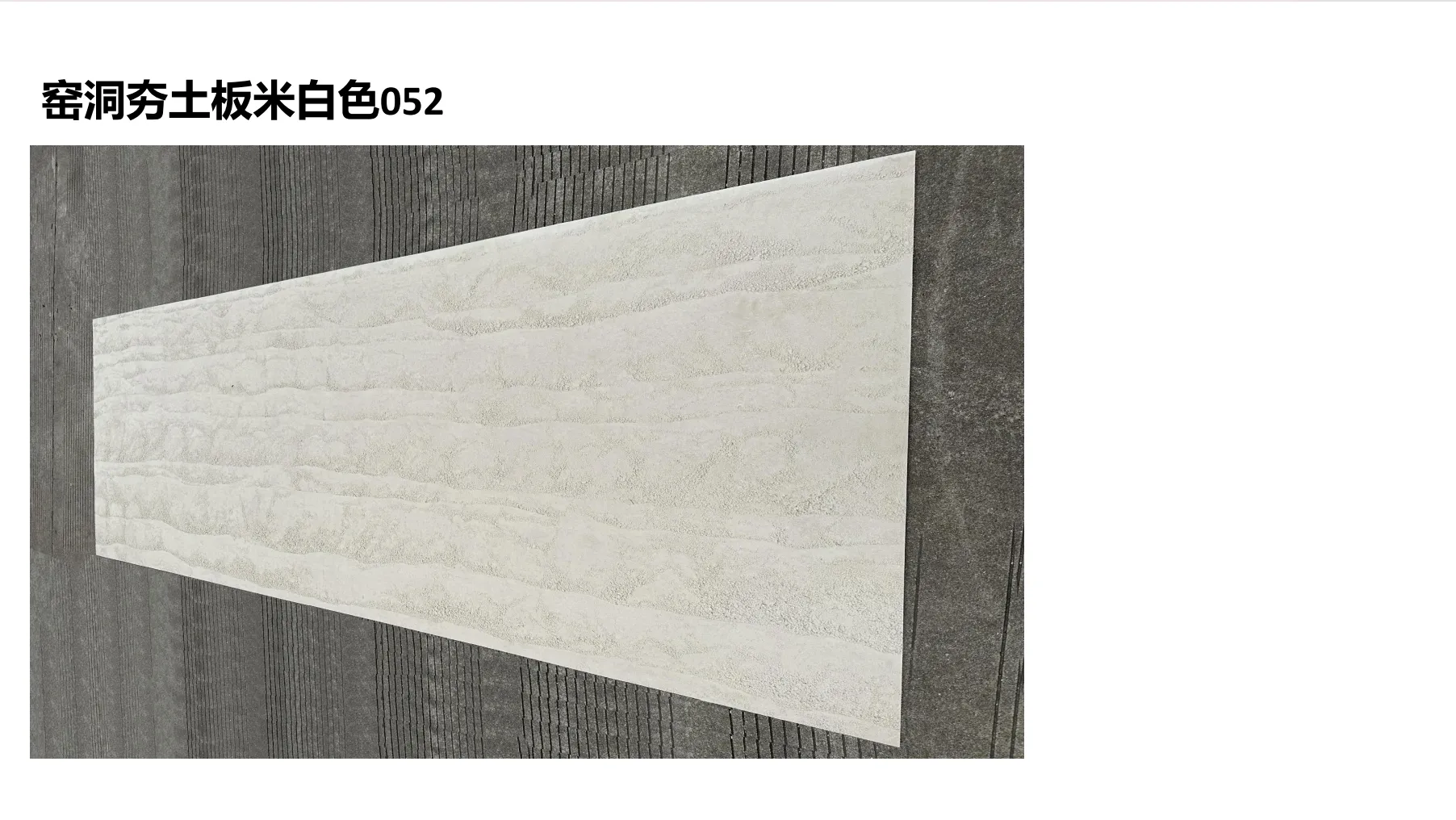
Walls are more than just dividers—they're the silent narrators of our spaces. They hold memories, frame views, and set the mood for every room. So when it comes to choosing materials, why settle for ordinary? Enter gradient color rammed earth board —a material that feels like nature itself took a paintbrush to stone. Swirling hues of terracotta, sand, and clay blend seamlessly, mimicking the layered beauty of desert landscapes or the soft fade of a sunset. But here's the thing: its magic isn't just in the colors. The thickness of these boards plays a starring role too, shaping everything from how your wall stands up to the elements to how it makes you feel when you walk into a room. Let's dive into why thickness matters, the options available, and how to pick the perfect spec for your next project.
First, let's get to know the star of the show. Rammed earth itself is an ancient technique—think of builders packing moist soil, gravel, and clay into forms, letting it dry into solid, durable walls. But gradient color rammed earth board takes that heritage and gives it a modern twist. Instead of uniform earth tones, manufacturers layer different colored aggregates, creating soft transitions between shades. It's like holding a slice of the Grand Canyon in your hands, condensed into a lightweight, easy-to-install panel. And unlike traditional rammed earth, these boards are precast in factories, ensuring consistency while retaining that organic, handcrafted feel.
But why does thickness come into play? Imagine trying to hang a thin sheet of paper on a wall—it flops, right? Now imagine a thick, sturdy canvas—suddenly, it holds shape, demands attention, and feels substantial. Gradient rammed earth boards work the same way. Thickness affects structural strength, insulation, and even the way light plays on those gradient hues. Too thin, and it might feel flimsy; too thick, and it could overpower a small space. Let's break down the options.
Gradient color rammed earth boards typically come in four standard thicknesses, each with its own superpower. Let's walk through them one by one, so you can picture which might fit your project like a glove.
At 50mm thick (about 2 inches), this is the thinnest option—and it's all about making a statement without overwhelming. Think of it as the "art piece" of wall materials. Perfect for interior accent walls: behind a bed, framing a fireplace, or adding texture to a minimalist living room. Since it's lightweight (around 12kg per square meter), it's easy to install and doesn't require heavy-duty structural support. Pair it with lunar peak silvery panels for a modern, high-contrast look, or let the gradient colors stand alone for a warm, earthy vibe. Just keep in mind: 50mm is best for dry, indoor spaces. It's not built to handle heavy rain or extreme temperature swings, so save it for inside where it can shine.
75mm (3 inches) is the sweet spot for many projects. It's thick enough to add substance—your wall will feel solid, not flimsy—yet still lightweight enough for most interior and sheltered exterior uses. Think covered patios, sunrooms, or exterior walls under a deep overhang. The extra thickness boosts insulation too: it helps keep heat in during winter and out in summer, making it a practical choice for climate control. We recently worked on a café in Boulder where the owner used 75mm gradient rammed earth boards in soft terracotta gradients for the exterior seating area. Paired with travertine (starry blue) mosaic accents, the walls not only looked stunning but also kept the space cool on hot afternoons. Pro tip: 75mm is a great middle ground if you're torn between style and functionality.
When you need a wall that can handle the great outdoors, 100mm (4 inches) is your go-to. This thickness is built for durability: wind, rain, snow, even the occasional hailstorm. It's the standard for exterior load-bearing walls in mild to moderate climates, offering excellent structural stability and insulation. Imagine a mountain home with 100mm gradient rammed earth walls in warm, sun-baked tones—paired with historical pathfinders stone at the base, it feels both rugged and refined. At around 24kg per square meter, it's heavier than the thinner options, so you'll need to ensure your framing or foundation can support the weight. But the payoff? A wall that ages like fine wine, with the gradient colors deepening slightly over time as it's exposed to the elements.
At 120mm (4.7 inches), this is the thickest common option—and it means business. Designed for extreme conditions: high winds, heavy snowfall, or areas with dramatic temperature fluctuations (think the Canadian Rockies or the Australian Outback). The extra 20mm over 100mm adds even more insulation and structural rigidity, making it ideal for standalone exterior walls or buildings in remote locations. It's also a favorite for soundproofing—if you live near a busy street or want to turn a home office into a quiet sanctuary, 120mm gradient rammed earth boards will muffle outside noise like a pro. Just be prepared for the weight: around 28kg per square meter. You'll need professional installers and a reinforced foundation, but for spaces that demand resilience, it's worth every millimetre.
Picking a thickness isn't about "better" or "worse"—it's about what works for your space. Here are three key questions to guide you:
Indoors? 50mm or 75mm is probably enough. Exposed to rain, sun, or snow? Go 100mm or 120mm. A covered porch might get away with 75mm, but a standalone garden wall needs the heft of 100mm to stand strong against wind.
In hot, dry areas (like Arizona), 75mm might suffice for exterior walls—insulation is less critical, and the main goal is durability. In cold climates (Minnesota winters), 100mm or 120mm will help keep heating bills low by trapping warmth. Humid regions? Thicker boards (100mm+) also resist moisture better, preventing mold or warping.
Want a sleek, modern look? 50mm accent walls with fair-faced concrete trim feel light and airy. Going for a rustic, cabin-like feel? 100mm gradient rammed earth paired with poly wood board accents adds warmth and texture. Thicker walls also cast softer shadows, enhancing the gradient colors—something to consider if you want the hues to really pop.
| Thickness | Best For | Key Benefits | Considerations |
|---|---|---|---|
| 50mm | Interior accent walls, fireplaces, headboards | Lightweight, easy to install, budget-friendly | Not for exterior or high-moisture areas |
| 75mm | Interior walls, covered exteriors (patios, sunrooms) | Balances style/function, better insulation than 50mm | Check structural support for large areas |
| 100mm | Exterior walls, load-bearing structures, soundproofing | Durable, weather-resistant, excellent insulation | Heavier (needs strong foundation), higher cost |
| 120mm | Extreme climates, remote exteriors, commercial buildings | Maximum durability, superior sound/thermal insulation | Requires professional installation, highest weight |
Let's put this all into context with a real example. Last year, we helped a couple build their dream home in the Colorado Rockies. They wanted a blend of modern design and mountain warmth, with walls that felt connected to the surrounding landscape. For the main living area, they chose gradient color rammed earth board in 75mm thickness—soft gradients of sand and terracotta that echoed the nearby foothills. Since the room had large windows and faced south (plenty of sun), the 75mm thickness provided just enough insulation to keep the space from overheating in summer, without adding unnecessary bulk.
For the exterior, though, they went with 100mm boards. The house sits at 8,000 feet, where winters bring heavy snow and strong winds. The 100mm thickness ensures the walls can withstand the elements, while the gradient colors (deeper browns and rusts) complement the snowy backdrop. They paired the rammed earth with lunar peak black trim for contrast, and the result? A home that feels both cozy and resilient, like it's been part of the mountains for decades.
Once you've picked your thickness, a little prep goes a long way:
At the end of the day, choosing the thickness of your gradient color rammed earth board is about more than measurements. It's about crafting a wall that not only looks beautiful but also works with your space—keeping you warm, safe, and connected to the world outside. Whether you go 50mm for a cozy reading nook or 120mm for a fortress-like exterior, remember: the best walls are the ones that feel like they belong. And with gradient rammed earth, you're not just building a wall—you're bringing a piece of nature's artistry into your home.
So go ahead—dream in gradients. Your walls are waiting to tell their story.
Recommend Products












