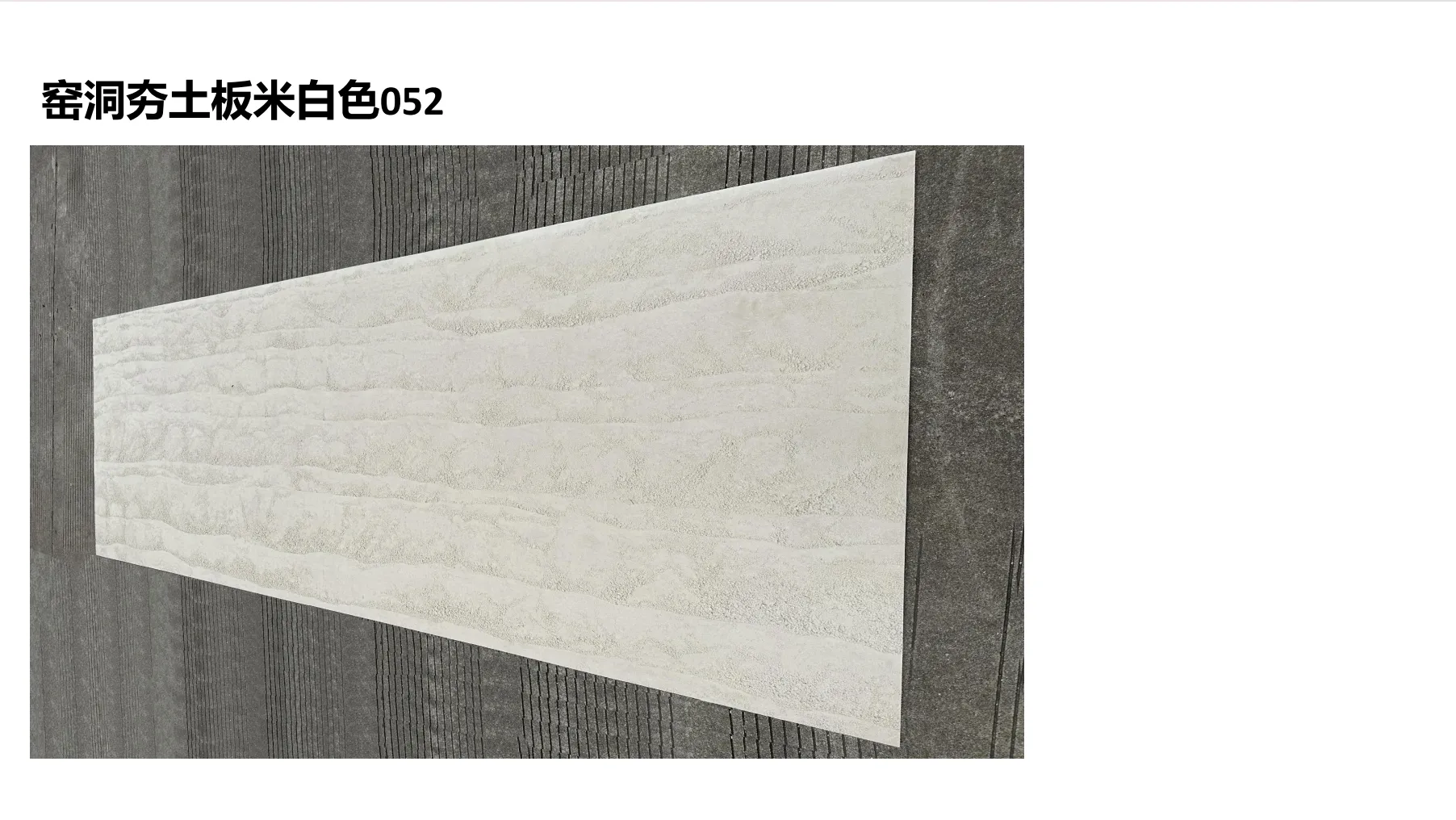
Walk into any thoughtfully designed space—whether it's a cozy café, a sleek office, or a home that feels like a hug—and you'll notice something subtle but powerful: the walls, floors, and surfaces aren't just there to fill space. They breathe life into the room, set the mood, and even tell a story. In today's design world, two materials have been stealing the spotlight for their ability to blend beauty and function:
gradient color rammed earth board
and timeless natural stones like
travertine (starry green)
or
lunar peak silvery
. But how do they stack up when it comes to making your space feel uniquely yours? Let's dive in—no jargon, just real talk about what matters most when choosing materials that shape your daily life.
Aesthetics: When Color and Texture Tell a Story
Let's start with the fun part: how these materials make you
feel
. After all, the best spaces aren't just functional—they evoke emotion.
Take
gradient color rammed earth board
first. Picture this: a wall that shifts from soft terracotta at the bottom to warm sand at the top, blending so seamlessly it looks like a sunset frozen in time. That's the magic of gradient rammed earth. Unlike traditional materials that stick to one solid color, it plays with transitions—think of it as a painter's palette brought to life in stone. It's organic, dynamic, and totally customizable. Want to mimic the hues of a desert dawn? Or the calm of a forest at dusk? The gradient effect lets you tell that story without saying a word.
Now contrast that with natural stone, like
travertine (starry green)
. If gradient rammed earth is a sunset,
travertine is a starry night. Its surface is dotted with tiny, iridescent green flecks that catch the light, like someone sprinkled stardust across the stone. Natural stones have their own kind of poetry—they're products of millions of years of geological luck, each slab unique with veins, pits, and patterns that can't be replicated.
Lunar peak silvery
is another stunner; it shimmers like moonlight on water, with a cool, consistent silver tone that adds elegance without being flashy. But here's the thing: natural stone's beauty is in its consistency. A slab of
lunar peak silvery will always feel "lunar"—predictable in the best way—while gradient rammed earth keeps you on your toes, surprising you with new color nuances as you move around the room.
Texture is where things get tactile. Gradient rammed earth has this earthy, almost handcrafted feel—run your fingers over it, and you'll notice tiny ridges and valleys, a reminder that it's made by compressing layers of earth and pigment. It's warm, grounding, like touching the side of a mountain. Natural stone, on the other hand, varies.
Travertine (starry green) is smooth but porous, with small holes that add character, while something like
fair-faced concrete
(a close cousin to natural stone in texture) has a raw, industrial edge—cool to the touch, with a minimalist vibe that screams modernity.
Practicality: Beyond the Surface—What Matters Day-to-Day
Beauty is important, but let's get real: you need materials that can keep up with life. Kids, pets, rain, spills—your walls and floors have to handle it all. Let's break down the practical stuff.
Durability: Built to Last (or Not?)
Gradient rammed earth board might look soft, but don't let that fool you. It's made by compressing layers of natural earth, sand, and pigments under high pressure, creating a dense, solid material that stands up to the elements. Rain, wind, even the occasional bump from a moving couch? It takes it in stride. Natural stone, though, is a mixed bag.
Travertine (starry green), for example, is porous—meaning it can absorb liquids if you're not careful. Spill a glass of red wine, and if you don't wipe it up fast, you might end up with a permanent stain. That's why most natural stones need sealing every 1-2 years to protect their beauty.
Lunar peak silvery is a bit hardier, but it's still not as forgiving as gradient rammed earth when life gets messy.
Installation: Heavy Lifting vs. Easy Handling
Here's a practical truth: no one wants to spend weekends (or extra money) on complicated installations. Natural stone is heavy—like, "call in the pros with a crane" heavy. A single slab of
travertine can weigh 100+ pounds, which means more labor, more time, and more risk of damage during transport. Gradient rammed earth board, though, is lighter by design. It's often made in thinner panels, so even a couple of people can carry and install it without breaking a sweat. Think of it as the difference between hanging a framed poster vs. a marble sculpture—one's a DIY project, the other needs a team. For homeowners or small businesses watching their budget, that lighter weight translates to big savings on installation costs.
Maintenance: Less Time Cleaning, More Time Living
Let's be honest: the last thing you want is to add "seal stone walls" to your to-do list. Gradient rammed earth board is low-maintenance by nature. A quick wipe with a damp cloth every now and then is all it needs to stay looking fresh. No sealing, no special cleaners, no stress. Natural stone? It's a bit high-maintenance.
Travertine (starry green) needs regular sealing to block moisture, and even then, you have to be careful with acidic cleaners (say goodbye to vinegar for wiping down those walls).
Lunar peak silvery is more resilient, but it can scratch if you drag heavy furniture across it. If you're someone who prefers "set it and forget it" materials, gradient rammed earth might be your new best friend.
Sustainability: Building for the Planet, Too
These days, we're all trying to make choices that don't just work for us, but for the planet. Let's talk green credentials.
Gradient rammed earth board is a sustainability star. It's made from locally sourced earth and natural pigments—no harsh chemicals, no energy-guzzling manufacturing processes. Because it uses materials from the area, it also cuts down on transportation emissions (no shipping stone from halfway around the world). Plus, it's breathable, which helps regulate humidity in your space, reducing the need for energy-hungry AC or heaters. It's like building with the earth, for the earth.
Natural stone, while beautiful, has a bigger environmental footprint. Mining stone requires heavy machinery, which disrupts ecosystems, and transporting it long distances adds to carbon emissions. That said, some natural stones are more eco-friendly than others.
Fair-faced concrete
, for example, uses recycled materials and has a lower carbon footprint than imported
travertine. But overall, gradient rammed earth has a clear edge here for anyone prioritizing green design.
Side-by-Side: The Quick Comparison
|
Feature
|
Gradient Color Rammed Earth Board
|
Natural Stone (e.g., Travertine Starry Green)
|
Natural Stone (e.g., Lunar Peak Silvery)
|
|
Color Variety
|
Dynamic gradients (customizable transitions)
|
Starry green flecks with earthy base
|
Consistent silvery shimmer
|
|
Texture
|
Earthy, handcrafted, tactile ridges
|
Smooth with porous pits and veins
|
Sleek, metallic sheen
|
|
Weight
|
Light (easy to handle/install)
|
Heavy (requires professional installation)
|
Moderate (still heavier than rammed earth)
|
|
Durability
|
Weather-resistant, low porosity
|
Porous (prone to staining without sealing)
|
Harder, but still scratch-prone
|
|
Maintenance
|
Low (wipe clean, no sealing)
|
High (seal every 1-2 years, avoid harsh cleaners)
|
Moderate (occasional sealing)
|
|
Sustainability
|
High (local materials, low carbon footprint)
|
Moderate to low (mining/transport impact)
|
Moderate (depends on sourcing)
|
The Verdict: Which One's Right for You?
At the end of the day, there's no "better" material—only the one that fits your life. If you crave dynamic, customizable beauty, low maintenance, and eco-friendliness,
gradient color rammed earth board
is a no-brainer. It's for the dreamers who want their space to feel alive, like a story unfolding around them.
But if you're obsessed with the timeless elegance of natural stone—those one-of-a-kind patterns that took millions of years to form—then
travertine (starry green)
or
lunar peak silvery
might be worth the extra effort. They're for the traditionalists who value heritage and the quiet luxury of materials with a history.
Whichever you choose, remember: the best materials aren't just about looks. They're about how they make you feel every time you walk through the door. Whether it's the warm glow of a gradient sunset wall or the starry shimmer of natural stone, the right choice will turn your space into more than a building—it'll turn it into a home.