
Walk into any home, and the first thing that wraps around you isn't just the furniture or the light—it's the walls. They're the silent storytellers of a space, setting the mood, holding memories, and even influencing how we feel day in and day out. For decades, plaster has been the quiet workhorse of interior walls, reliable and unassuming. But in recent years, a new contender has stepped into the spotlight: gradient color rammed earth board. Softly blending hues like dawn breaking over a mountain range, or twilight fading into night, these panels promise more than just a surface—they promise an experience. But is this modern material really a better choice than the classic plaster we've grown up with? Let's dive in, not just as homeowners weighing options, but as people who want their walls to feel like an extension of their lives.
Think about the last time you walked into a room that felt "right." Maybe it was a cozy cabin with rough-hewn wood walls, or a sleek apartment with smooth, matte surfaces. Chances are, the walls played a huge role in that feeling. Walls aren't just barriers—they're the backdrop to our mornings, our lazy afternoons, and our late-night conversations. A cold, sterile wall can make a space feel unwelcoming, while a warm, textured one can turn a house into a home. That's why choosing the right material isn't just about aesthetics; it's about creating a space that fits who you are.
Plaster has been doing this for centuries. It's the material of grandmothers' kitchens, with its soft, slightly imperfect finish that hides the years. It's the canvas for family photos, for children's height marks, for the quiet wear and tear of life. But as our lives get busier, and our tastes shift toward materials that feel both natural and innovative, gradient color rammed earth board has emerged as a compelling alternative. It's part of a new wave of building materials—like mcm flexible stone —that blend the durability of modern technology with the organic beauty of natural materials. But how does it stack up against the tried-and-true plaster?
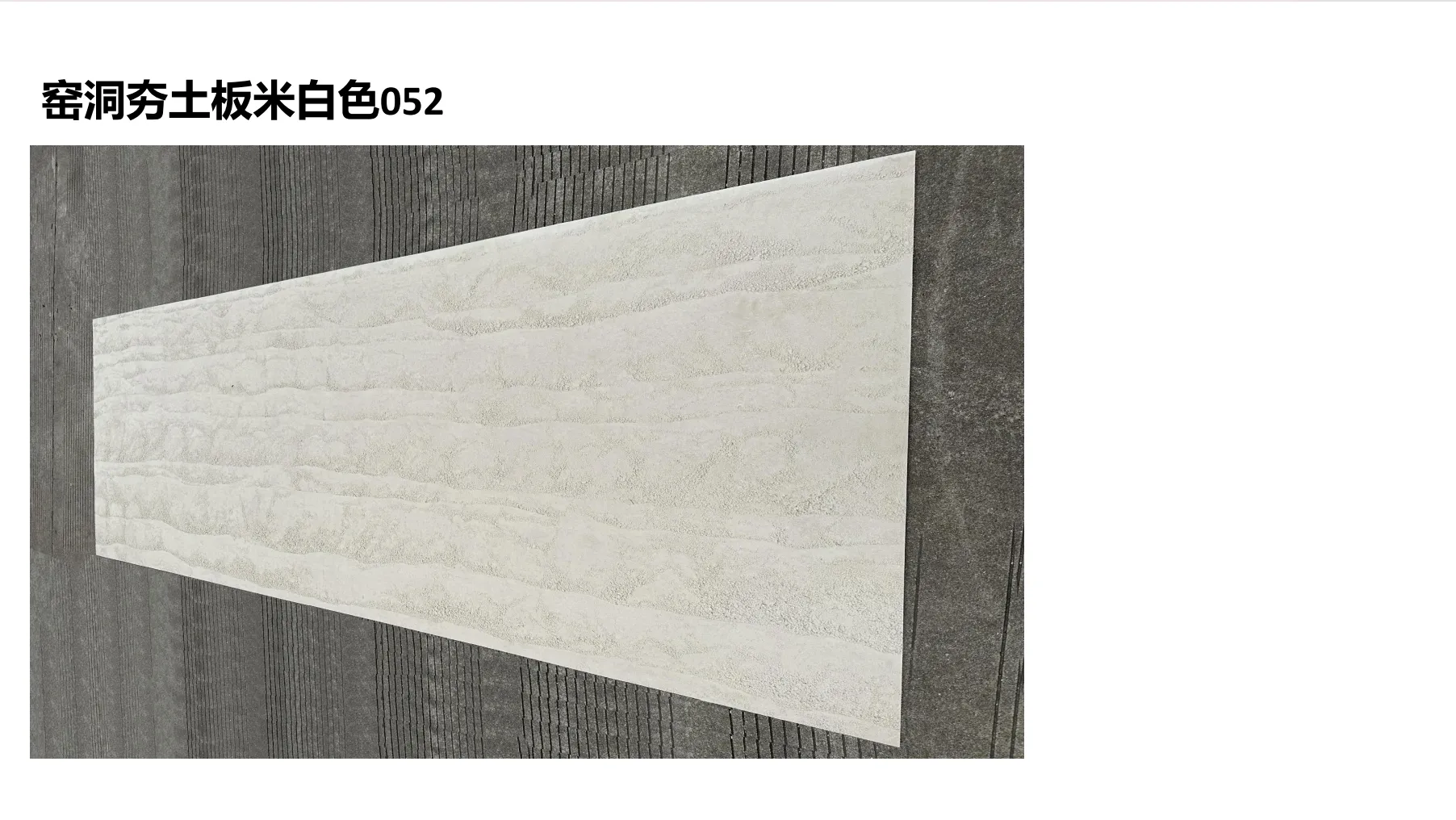
First, let's talk about what gradient color rammed earth board actually is. Imagine taking the earthy texture of traditional rammed earth—compressed layers of soil, sand, and gravel—and infusing it with a gradual shift of color, from soft sage to pale lavender, or warm terracotta to golden wheat. It's a material that feels both ancient and fresh, like bringing a sunset indoors. Unlike uniform paint colors, the gradient isn't just on the surface; it runs through the material, so it won't fade or chip away over time.
One of the things that makes gradient rammed earth board so appealing is its texture. Run your hand over it, and you'll feel the subtle ridges and valleys, the tiny variations that make it feel alive. It's not perfectly smooth, but that's the point. It's a texture that invites touch, that adds depth to a room. Compare that to a flat, painted plaster wall, which can sometimes feel one-dimensional. Gradient rammed earth board also plays beautifully with light. Morning sunlight might bring out the warmer tones, while evening lamplight could emphasize the cooler ones, making the room feel different throughout the day. It's dynamic, like having a living, breathing wall.
Durability is another key factor. Unlike plaster, which can crack over time (especially in areas with humidity or temperature fluctuations), gradient rammed earth board is designed to be tough. It's resistant to moisture, so it won't warp in bathrooms or kitchens, and it's fire-retardant, adding an extra layer of safety. For busy families or anyone who hates dealing with wall repairs, that's a huge relief. No more touching up cracks with spackle, no more worrying about water damage from a leaky window.
These days, many of us are also thinking about the environmental impact of our home choices. Gradient rammed earth board often scores high here. Many manufacturers use recycled materials in the mix, and because it's a prefabricated panel, there's less waste during installation compared to plaster, which requires mixing and applying on-site. Plus, since it's long-lasting, you won't be replacing it every few years, reducing your carbon footprint over time. It's a material that lets you have both beauty and peace of mind—a rare combination in home design.
Now, let's turn to plaster. It's hard to overstate how much plaster has shaped our idea of "home." For generations, it's been the default choice for interior walls, and for good reason. Plaster is made from simple ingredients—gypsum, lime, or cement mixed with water—and applied in layers to create a smooth, even surface. It's affordable, easy to work with, and can be painted any color under the sun. If you want a bright white wall to make a small room feel larger, or a deep navy to add drama to a bedroom, plaster is the blank canvas that makes it possible.
But plaster isn't without its quirks. Anyone who's lived in an older home knows the drill: small cracks appearing near windows, hairline fractures along corners, or patches that never quite match the rest of the wall after a repair. It's not that plaster is "bad"—it's just that it's organic. It moves with the house as the foundation shifts, as temperatures rise and fall. In a way, those imperfections are part of its charm. They tell a story: "This house has been loved, has been lived in." But for some, that story feels more like a hassle than a character trait.
Another downside of plaster is its lack of texture. While you can add texture with techniques like stucco or Venetian plaster, those require skilled labor and can be expensive. For most of us, plaster ends up feeling smooth and, well, plain . Compare that to gradient rammed earth board, which brings texture and color in one, and it's easy to see why some homeowners are making the switch. But plaster does have one big advantage: cost. It's generally cheaper upfront than specialty materials like gradient rammed earth board, which can be a deciding factor for those on a tight budget.
To help you get a clearer picture, let's break down the key differences between gradient color rammed earth board and plaster in a table. Think of this as a cheat sheet for your decision-making process—no jargon, just the facts that matter most to homeowners.
| Feature | Gradient Color Rammed Earth Board | Plaster |
|---|---|---|
| Aesthetics | Gradient color shifts, natural texture, dynamic visual appeal; colors run through the material (no fading). | Smooth, uniform finish; can be painted any color but lacks inherent texture or depth. |
| Texture | Earthy, tactile surface with subtle ridges and variations; invites touch and adds warmth. | Typically smooth; texture requires additional techniques (e.g., stucco) which add cost. |
| Durability | Resistant to cracks, moisture, and fire; long lifespan (15+ years with minimal maintenance). | Prone to cracking over time, especially in humid or unstable environments; may need repairs every 5–10 years. |
| Installation | Prefabricated panels; faster installation (can cover a room in a day); requires professional handling but less on-site mess. | Mixed and applied on-site; slower process (multiple coats, drying time); more dust and cleanup. |
| Sustainability | Often uses recycled materials; minimal waste during installation; long lifespan reduces replacement needs. | Simple, natural ingredients but generates more on-site waste; shorter lifespan means more frequent replacement. |
| Cost | Higher upfront cost (materials + professional installation). | Lower upfront cost; but higher long-term costs due to repairs and repainting. |
| Maintenance | Low maintenance; occasional dusting or wiping with a damp cloth. | Requires regular painting (every 3–5 years); patching cracks and holes as needed. |
At the end of the day, the choice between gradient color rammed earth board and plaster isn't just about pros and cons—it's about what you value most in your home. Let's think about a few scenarios:
Gradient rammed earth board might be the way to go. If you want walls that make a statement without requiring constant upkeep, if you love the idea of a wall that changes subtly with the light, or if you're drawn to natural materials that feel connected to the earth, this could be your match. It's perfect for busy professionals, new homeowners who don't want to deal with repairs, or anyone who wants their space to feel unique and intentional.
Plaster might still be your best bet. If you're restoring an older home and want to preserve its character, if you enjoy painting and changing up your decor frequently, or if you're working with a tight budget, plaster's affordability and versatility are hard to beat. It's also a great choice if you prefer a clean, minimalist look with none of the texture—think modern apartments with crisp white walls and bold art.
Of course, gradient rammed earth board and plaster aren't the only players in the game. There are materials like fair-faced concrete , which offers an industrial, raw aesthetic, or wood grain board , which brings the warmth of wood without the maintenance. And let's not forget specialty stones like travertine (starry green) , with its tiny, shimmering flecks that mimic a starry sky—though these can be pricey and less versatile than gradient rammed earth board. The key is to think about how the material will fit into your daily life. Do you want something that requires zero upkeep? Something that feels "alive" with texture? Something that tells a story of tradition?
At the end of the day, there's no "perfect" wall material—only the one that fits your life. Plaster is the reliable friend who's always there, familiar and comforting. Gradient color rammed earth board is the exciting new acquaintance who challenges you to see your home in a new light. Both have their place, but for those who want walls that feel like more than just a background—walls that have depth, that change with the light, that tell a story of innovation and connection to nature—gradient rammed earth board is hard to ignore.
Imagine coming home after a long day, flipping on the lights, and seeing that soft gradient on your living room wall, shifting from warm amber to soft rose as the evening fades. Imagine running your hand over the textured surface and feeling a connection to the earth, even in the middle of the city. That's the magic of materials like gradient color rammed earth board. They don't just cover walls—they transform them into something that feels alive.
Plaster will always have its charm, and there's a beauty in its simplicity. But as we continue to seek out materials that align with our desire for sustainability, personality, and ease, gradient rammed earth board stands out as a material that doesn't just meet our needs—it exceeds them. It's a reminder that our homes aren't just places to live—they're places to feel . And isn't that what we all want, in the end? Walls that don't just hold up the roof, but hold space for our lives, our memories, and our dreams.
Recommend Products












