
Your home's exterior is more than just a barrier between you and the world—it's the first chapter of its story. It speaks to your style, values, and even your vision for the future. When it comes to choosing an exterior wall coating, the options can feel overwhelming, but two materials stand out for their unique blend of tradition and innovation: Gradient Color Rammed Earth Board and Stucco. In this article, we'll break down what makes each tick, how they compare, and which might be the right fit for your next project.
If traditional rammed earth and modern design had a love child, it would be Gradient Color Rammed Earth Board. This material takes the timeless appeal of earthy, textured walls and elevates it with cutting-edge technology, thanks in part to modified composite material panels that enhance durability and versatility. Unlike its ancient predecessor—think of the thick, monochromatic walls of historic adobe homes—Gradient Color Rammed Earth Board is engineered to be lightweight, flexible, and visually dynamic.
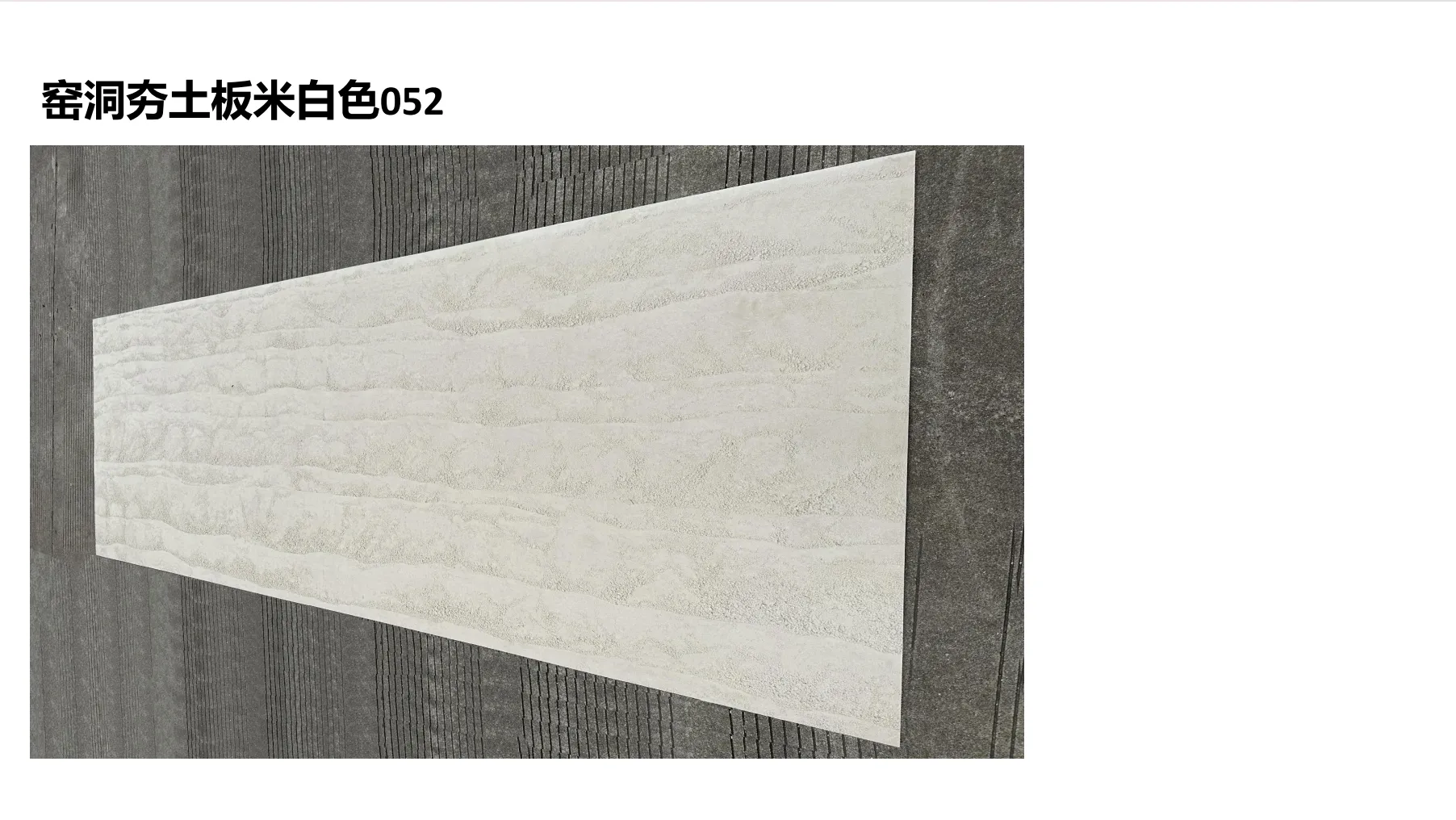
So, how is it made? Imagine layers of natural pigments—soft beiges, warm terracottas, muted greens—carefully mixed with soil, sand, and a binder (often a eco-friendly adhesive). These layers are then compressed under high pressure to form dense, rigid panels. The magic lies in the gradient effect: instead of a single flat color, the panels transition seamlessly from one hue to another, mimicking the way sunlight plays on a hillside at dawn or dusk. Variations like Rammed Earth Board (Gradient C) (think soft claybank fading into warm amber) or Rammed Earth Board (Gradient B) (deep matcha green blending into sandy beige) offer endless possibilities for customization.
Texture is another standout feature. Run your hand over a Gradient Color Rammed Earth Board, and you'll feel the subtle ridges and valleys of compressed earth—raw, organic, and full of character. It's not just a wall; it's a tactile experience, bringing the outdoors in and creating a sense of warmth that's hard to replicate with smoother materials.
Stucco, on the other hand, is the wise elder of exterior coatings—a material with roots stretching back to ancient Greece and Rome. At its core, traditional stucco is a simple mix: Portland cement, sand, lime, and water. Applied in layers (a "scratch coat" to adhere to the wall, a "brown coat" for thickness, and a "finish coat" for texture and color), it dries to form a hard, solid surface that's been protecting homes for centuries.
What does it look like? Classic stucco is often smooth or lightly textured, with a matte finish that ranges from pure white to soft pastels or earthy tones. It's the go-to for Mediterranean-style villas, Spanish missions, and even modern homes aiming for a clean, understated look. Over time, stucco can develop a charming patina—small cracks (known as "checking") that add character, though larger cracks may signal maintenance needs.
In recent years, synthetic stucco (also called EIFS, or Exterior Insulation and Finish System) has gained popularity. This version adds a layer of foam insulation beneath the stucco, boosting energy efficiency. But for purists, nothing beats traditional stucco's simplicity and time-tested performance.
To help you decide which material aligns with your project goals, let's break down their performance in critical areas:
| Feature | Gradient Color Rammed Earth Board | Stucco |
|---|---|---|
| Durability | Highly durable; resistant to cracking, fading, and moisture (thanks to composite reinforcement). Can last 50+ years with minimal maintenance. | Moderate durability; prone to cracking in extreme temperature fluctuations or if the underlying structure shifts. Requires re-sealing every 5–10 years. |
| Aesthetic Range | Vast; gradient color transitions, organic textures, and custom pigment blends (e.g., Gradient B, Gradient C). Mimics natural landscapes like sunsets or desert dunes. | Limited to solid colors or subtle textures. Classic, uniform look; best for traditional or minimalist styles. |
| Installation | Prefabricated panels; lightweight and easy to install with basic tools. Minimal on-site mess; ideal for tight timelines. | Applied wet in layers; requires skilled labor and weather-dependent drying time (avoid rain or freezing temps). Longer installation process. |
| Environmental Impact | Eco-friendly; made with natural materials, low VOC emissions, and often recyclable. Qualifies as a green building material . | Traditional stucco uses cement (high carbon footprint). Synthetic versions may contain non-recyclable foam insulation. |
| Maintenance | Low; occasional washing with mild soap. No sealing required. | Moderate to high; repair cracks promptly, re-seal every 5–10 years, and watch for moisture buildup behind the surface. |
| Cost | Higher upfront cost ($15–$30 per square foot, including materials and labor). | Lower upfront cost ($8–$15 per square foot), but higher long-term maintenance expenses. |
When it comes to curb appeal, Gradient Color Rammed Earth Board and Stucco cater to very different tastes. Let's say you're building a modern home in the desert, where you want to honor the landscape without blending in. Gradient Color Rammed Earth Board, with its sunset-inspired hues (think travertine (starry orange) fading into terracotta), would turn your exterior into a work of art—one that shifts with the light throughout the day. It's bold, organic, and unapologetically unique.
Stucco, by contrast, shines in contexts where tradition or simplicity is key. Picture a historic cottage in Tuscany: white stucco walls, terracotta roof tiles, and window boxes overflowing with geraniums. Stucco here isn't just a coating—it's part of the region's identity, a blank canvas that lets the home's architecture (arched doorways, stone accents) take center stage. It's timeless, reliable, and comforting in its familiarity.
But what if you want something in between? Gradient Color Rammed Earth Board's versatility means it can also play well with classic styles. Imagine a colonial-style home with white trim and a Rammed Earth Board (Gradient B) facade—soft greens and beiges that nod to the surrounding forest. It's a conversation starter, but one that feels grounded in nature.
In an era where sustainability matters more than ever, both materials have their pros and cons—but Gradient Color Rammed Earth Board edges ahead as a green building material . Let's start with its composition: most variants use locally sourced soil and sand, reducing transportation emissions. The binders are often plant-based or low-VOC, meaning fewer harmful chemicals off-gassing into your home. And because it's prefabricated, there's less waste on-site compared to stucco, which often requires mixing excess material that ends up in landfills.
Stucco, on the other hand, relies heavily on cement—a material with a massive carbon footprint (cement production accounts for about 8% of global CO2 emissions). While some manufacturers offer eco-friendly mixes with recycled sand or fly ash, traditional stucco still can't match the earth-friendly credentials of Gradient Color Rammed Earth Board. Plus, stucco's need for regular re-sealing means more chemicals over time (think waterproofing products that may contain toxins), whereas the rammed earth board's durability eliminates that need.
For homeowners aiming for LEED certification or simply wanting to reduce their environmental impact, Gradient Color Rammed Earth Board is a clear winner. It's a material that doesn't just look like the earth—it respects it, too.
At the end of the day, the choice between Gradient Color Rammed Earth Board and Stucco comes down to your priorities. If you value innovation, sustainability, and a one-of-a-kind aesthetic that evolves with the light, Gradient Color Rammed Earth Board is worth the investment. Its durability, low maintenance, and stunning gradient effects make it a standout choice for forward-thinking homeowners.
Stucco, meanwhile, remains a solid option for those who love tradition, simplicity, or need to stick to a tighter budget. It's a classic for a reason—but it requires a willingness to commit to regular upkeep and accept its limitations in terms of color and texture.
Whichever you choose, remember: your home's exterior is an extension of you. It should make you smile every time you pull into the driveway, and stand the test of time for years to come. Whether you go with the earthy gradients of rammed earth or the clean lines of stucco, here's to building something beautiful.
Recommend Products












