
In an era where every building choice echoes through the planet's ecosystems, the materials we wrap our structures in matter more than ever. Architects, builders, and homeowners alike are ditching resource-heavy options for solutions that balance aesthetics, durability, and environmental responsibility. Two materials that often rise to the top of this conversation are gradient color rammed earth board and wood cladding. Both bring warmth and character to facades, interiors, and landscapes, but how do they stack up when it comes to sustainability? Let's dive in—exploring their origins, manufacturing, lifespans, and end-of-life impacts to uncover which might be the greener choice for your next project.
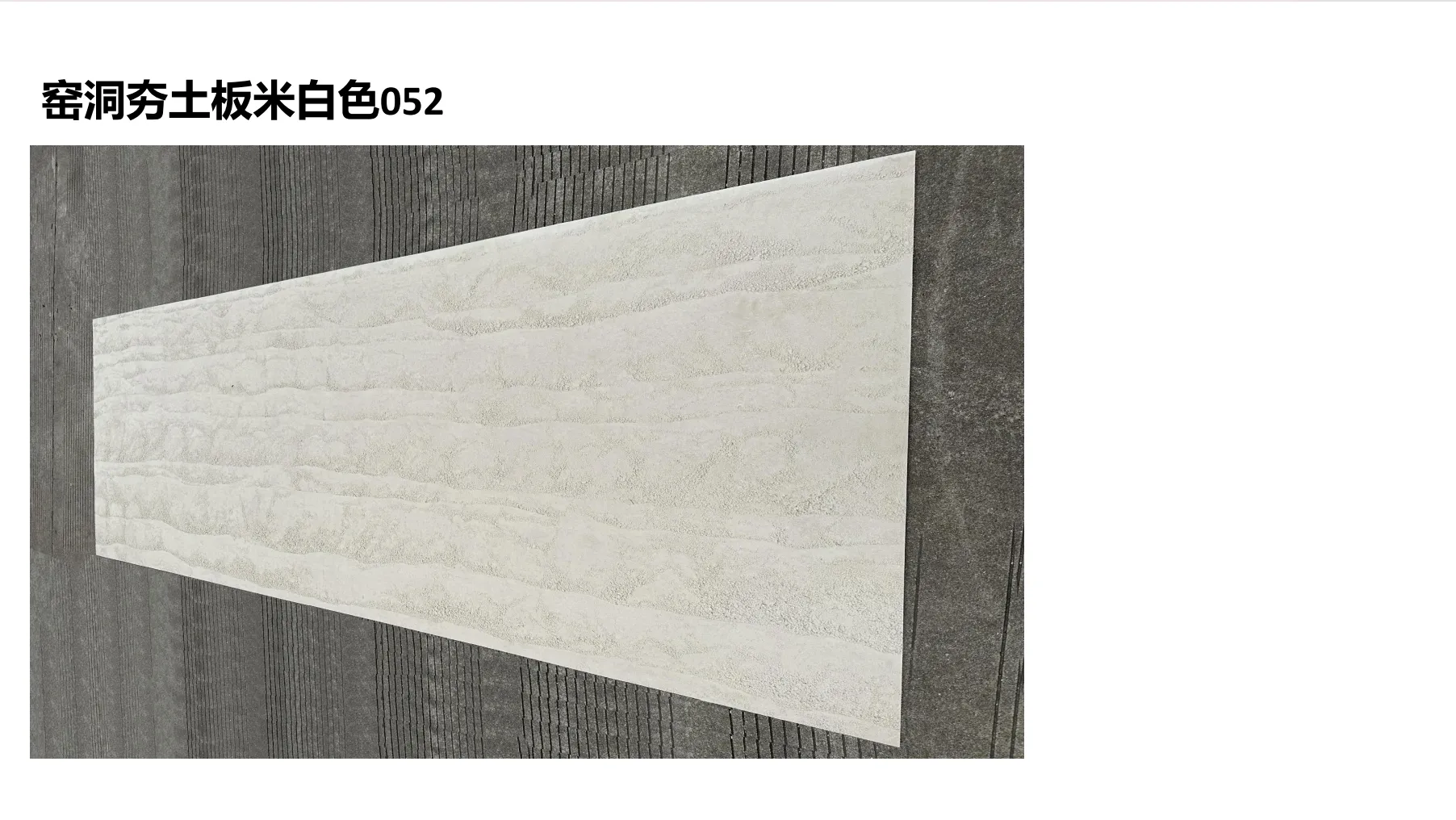
Rammed earth isn't new—it's a construction technique as old as civilization itself, used in ancient forts, homes, and temples across the globe. But gradient color rammed earth board is a modern twist on this timeless material. Imagine layers of earthy tones blending seamlessly, from soft terracotta to warm sand or deep ochre, all compressed into a single panel. This isn't just about looks, though. These boards are engineered for strength and versatility, making them suitable for both interior accent walls and exterior cladding.
At its core, gradient color rammed earth board is made from locally sourced materials: soil (often a mix of sand, clay, and silt), water, and sometimes a natural stabilizer like lime or cement. What sets the "gradient" apart is the careful layering of differently pigmented soils during the ramming process. No synthetic dyes here—just the natural color variations of earth from different regions, creating a visual flow that feels organic and alive. The result? A panel that's not just a building material, but a piece of art, telling a story of the land it came from.
Wood cladding, on the other hand, is a staple of sustainable design, celebrated for its warmth, texture, and connection to nature. From the rough-hewn charm of cedar shingles to the sleek lines of engineered wood panels, it's a material that adapts to nearly any architectural style. But not all wood cladding is created equal. Its sustainability hinges on a critical factor: where the wood comes from. FSC-certified lumber, harvested from responsibly managed forests, stands worlds apart from wood sourced from clear-cut rainforests or old-growth trees.
Manufacturing wood cladding typically involves milling logs into planks, treating them with preservatives (to resist rot, pests, and weather), and sometimes applying finishes. Some modern options, like bamboo mat board or wood grain board, offer alternatives to traditional hardwoods, leveraging fast-growing or recycled materials to reduce environmental impact. Still, even with these innovations, wood's sustainability story is a nuanced one—tied to everything from forest management to transportation distances and maintenance needs.
To truly compare these two materials, we need to look beyond their surface appeal and dig into the full lifecycle: from how their raw materials are extracted, to how they're made, how long they last, and what happens when they're no longer needed. Let's break it down across four key sustainability pillars.
Gradient Color Rammed Earth Board: The beauty of rammed earth lies in its reliance on local resources. Soil is abundant almost everywhere, meaning transportation costs (and associated carbon emissions) are minimal. Unlike mining for metals or quarrying for stone, extracting soil for rammed earth is low-impact—often using topsoil that's already been disturbed by construction or agricultural activities, rather than pristine ecosystems. The gradient colors come from naturally pigmented soils, eliminating the need for synthetic dyes that can leach into the environment. Of course, there's a caveat: if soil is over-harvested from a single area, it can lead to erosion or degradation. But when sourced responsibly—taking small amounts from multiple sites or reusing excavated soil from the project itself—this risk is negligible.
Wood Cladding: Wood is a renewable resource, which gives it a head start in sustainability. But "renewable" doesn't equal "infinite." Forests take decades (or centuries) to regrow, and poor harvesting practices—like clear-cutting—destroy habitats, disrupt water cycles, and release stored carbon into the atmosphere. FSC-certified wood helps mitigate this, ensuring forests are replanted and biodiversity is protected. However, even with certification, transporting wood long distances (e.g., shipping tropical hardwoods from South America to Europe) adds a significant carbon footprint. Bamboo mat board, a fast-growing grass, offers a more sustainable alternative, with some species maturing in just 3–5 years. But bamboo still requires land, water, and sometimes pesticides to grow, and processing it into cladding involves energy-intensive steps like heating and pressing.
Gradient Color Rammed Earth Board: Traditional rammed earth is a low-energy process—workers (or machines) compress soil into forms, and the panels dry naturally in the sun. Modern gradient color variants add a bit more complexity, as pigments are mixed and layers are carefully placed, but the core process remains simple. There's no need for high-temperature kilns (like with brick or tile) or chemical treatments (like with pressure-treated wood). The main energy inputs come from operating ramming machinery and transporting materials (which, as we noted, is minimal with local sourcing). Studies estimate that rammed earth production emits a fraction of the CO2 of concrete or steel—sometimes as little as 10–20% of conventional building materials.
Wood Cladding: The manufacturing footprint of wood cladding varies widely. Basic milling is relatively low-energy, but treatments (like pressure-treating with chemicals to resist rot) and finishes (like paints or stains) can add environmental costs. For example, some wood preservatives contain arsenic or heavy metals, which can leach into soil or water over time. Engineered wood products, like wood grain board made from recycled wood fibers, often require adhesives and resins that release volatile organic compounds (VOCs). On the flip side, if wood is sourced locally and left untreated (or treated with natural oils), its manufacturing emissions can be quite low. Still, compared to the sun-dried simplicity of rammed earth, wood often comes with a higher energy price tag.
A material's sustainability isn't just about how it's made—it's about how long it lasts. A product that needs frequent replacement is far less green than one that stands the test of time, even if its initial impact is higher.
Gradient Color Rammed Earth Board: Rammed earth has a proven track record of durability. Ancient rammed earth structures, like the Great Wall of China or the cliff dwellings of Mesa Verde, have stood for centuries. Modern gradient color boards, reinforced with stabilizers like lime or natural fibers, are even more resilient. They're fire-resistant, termite-proof, and resistant to rot (when properly sealed to prevent water absorption). Maintenance is minimal: a periodic coat of natural sealant (like linseed oil) is usually all that's needed to keep moisture out. In dry climates, they can last 50–100 years or more; in humid areas, with proper drainage and sealing, they still hold up impressively well.
Wood Cladding: Wood's lifespan depends heavily on the species, treatment, and environment. Untreated softwoods might last just 10–15 years in wet or insect-prone areas, while naturally durable hardwoods like cedar or teak can last 30–50 years with regular maintenance. That maintenance often involves power washing, sanding, and reapplying stains or preservatives every 2–5 years—each step consuming time, energy, and resources. Even with treatment, wood is susceptible to rot, mold, and insect damage. In coastal areas, saltwater spray can deterioration, and in dry climates, wood can crack or warp. While bamboo mat board or other engineered woods may offer improved durability, they still generally fall short of rammed earth's centuries-long potential.
What happens when a building is renovated or demolished? A truly sustainable material should leave little trace, ideally returning to the earth or being repurposed.
Gradient Color Rammed Earth Board: Rammed earth is essentially compacted soil, so at the end of its life, it can be crushed and reused as fill, topsoil, or even as raw material for new rammed earth panels. No toxic chemicals, no non-biodegradable components—just earth, returning to earth. This closed-loop cycle is a hallmark of true sustainability, minimizing waste and reducing the need for new resource extraction.
Wood Cladding: Wood is biodegradable, which is a plus—untreated wood can decompose naturally, enriching soil. However, if the wood has been treated with chemicals (like arsenic-based preservatives), it can't be safely composted or reused; it becomes hazardous waste, requiring special disposal. Even untreated wood may end up in landfills if demolition crews don't separate it for recycling. Reclaimed wood cladding is a growing trend, giving old wood new life, but this relies on a steady supply of salvaged materials, which isn't always available. Compared to rammed earth's seamless return to the ecosystem, wood's end-of-life story is more complicated.
| Sustainability Factor | Gradient Color Rammed Earth Board | Wood Cladding |
|---|---|---|
| Resource Extraction | Low-impact, local soil sourcing; minimal transportation | Depends on forest management; risk of habitat loss with unsustainable sourcing |
| Manufacturing Emissions | Very low (sun-dried, minimal machinery) | Moderate to high (treatment, finishes, engineered wood adhesives) |
| Durability | 50–100+ years with minimal maintenance | 10–50 years, depending on species/treatment; requires regular upkeep |
| End-of-Life | 100% recyclable/compostable; can be reused as soil or fill | Biodegradable if untreated; hazardous if chemically treated; limited recycling |
Of course, sustainability isn't the only factor in choosing a cladding material. Aesthetics, climate, and project goals also play huge roles. Let's look at a few scenarios where one material might outshine the other.
Case Study 1: Arid Desert Retreat (Arizona, USA)
For a home in the Sonoran Desert, gradient color rammed earth board was the clear choice. Its thermal mass helps regulate indoor temperatures, keeping the home cool by day and warm by night (reducing reliance on AC). The local soil, rich in iron oxides, created stunning red-to-gold gradients that blend with the desert landscape. With minimal maintenance and a lifespan exceeding 80 years, it's a sustainable, contextually appropriate solution.
Case Study 2: Urban Eco-Condo (Portland, Oregon)
In rainy Portland, a developer opted for FSC-certified cedar cladding with natural oil treatments. The wood's warmth softens the concrete jungle, and its natural resistance to moisture (when properly maintained) works well in the Pacific Northwest climate. To offset the wood's maintenance needs, the building integrated rain screens to improve drainage and reduce rot risk. While not as low-maintenance as rammed earth, the cedar's renewable sourcing and local availability made it a strong eco-choice for the project.
Case Study 3: Heritage Museum (Marrakech, Morocco)
A museum celebrating Moroccan history chose gradient color rammed earth board for its exterior. The material's earthy tones and texture echo traditional Moroccan architecture, while its durability ensures the building will stand as a legacy for future generations. Local craftsmen were trained in modern rammed earth techniques, supporting the community economy. The museum's green building materials strategy, which included rammed earth and fair-faced concrete, earned it LEED Platinum certification.
Neither material is perfect. Gradient color rammed earth board, while durable, can be prone to cracking in freeze-thaw climates if not properly insulated. It also requires skilled labor to achieve consistent gradients and structural integrity. Wood cladding, meanwhile, struggles with moisture in humid areas and fire risk in wildfire-prone regions. For some projects, a hybrid approach—combining rammed earth for walls and wood accents for trim, for example—might offer the best of both worlds.
When it comes to raw sustainability metrics—resource extraction, manufacturing emissions, durability, and end-of-life impact—gradient color rammed earth board often has the edge. Its reliance on local soil, minimal energy use, centuries-long lifespan, and biodegradability make it a standout choice for eco-conscious builders. But wood cladding, when sourced responsibly and maintained properly, still has a place in sustainable design, offering warmth and versatility that's hard to replicate.
At the end of the day, the "greener" choice depends on your project's context: climate, local resources, budget, and aesthetic goals. What's most important is to approach the decision with a lifecycle mindset—looking beyond the initial cost or beauty to how your choice will impact the planet for decades to come. Whether you lean into the earthy gradients of rammed earth or the natural charm of wood, choosing materials that align with green building principles is a step toward a more sustainable built environment.
After all, sustainability isn't about picking one "perfect" material—it's about making intentional choices that honor the planet, the people who build with it, and the communities who will live with it for years to come. Both gradient color rammed earth board and wood cladding have the potential to be part of that story—if chosen wisely.
Recommend Products












