
Where Earth's Palette Meets Architectural Innovation
Architecture is more than just walls and roofs—it's a language. And like any language, its words are the materials we choose. For centuries, we've spoken in stone and wood, concrete and steel. But today, a new dialect is emerging: one that honors the past while embracing the future, that balances strength with softness, and that turns buildings into stories. That dialect is COLORIA MCM, and its most poetic phrase yet is the gradient color rammed earth board .
Picture this: a hillside home in Tuscany, where the exterior walls don't just sit on the land—they blend with it. The lower half is a deep, earthy umber, fading upward into a soft terracotta, then melting into a whisper of sage green at the roofline. It's not paint; it's the material itself, forged from soil and natural pigments, pressed and compacted to capture the slow, intentional beauty of the earth's own color transitions. This isn't just construction—that's art. That's memory. That's the promise of gradient color rammed earth.
At the heart of COLORIA MCM's mission is a simple belief: great architecture shouldn't cost the earth—literally. For over a decade, the brand has been rethinking building materials, taking inspiration from traditional techniques and supercharging them with modern technology. The result? A lineup of products that feel both ancient and avant-garde, from the flexibility of mcm flexible stone to the grand scale of mcm big slab board series . But it's the gradient color rammed earth board that truly captures the essence of COLORIA MCM: respect for nature, devotion to design, and a refusal to compromise on sustainability.
"We started with a question," says Elena Marquez, COLORIA MCM's lead material scientist. "What if we could make rammed earth—not just sustainable, but sensual ? Traditional rammed earth is beautiful, but its color range is limited. We wanted to give architects a palette as vast as the landscapes that inspire them." The answer was gradient color technology: a process that layers natural pigments within the rammed earth mixture, allowing colors to flow into one another like watercolor on paper. No harsh lines, no artificial dyes—just earth, fire, and a little bit of ingenuity.
Rammed earth itself is an ancient technique: layers of soil, sand, and clay are compressed into formwork, creating dense, durable walls. COLORIA MCM's innovation lies in how they control the color within those layers. "We mix pigments derived from natural sources—iron oxides for reds and yellows, copper for greens, manganese for deep browns—into the soil mixture at varying concentrations," explains Marquez. "As we compact each layer, we adjust the pigment ratio, so the color shifts gradually. It's like baking a cake with layers that fade from chocolate to vanilla, but on a massive, architectural scale."
The result? Walls that change with light. In the morning, a gradient from terracotta to gold might glow warm and inviting; by afternoon, as the sun dips, the same wall could deepen into burnt sienna and olive, as if breathing with the day. "It's alive," says architect Raj Patel, who used gradient rammed earth in his award-winning "Desert Bloom" residence in Arizona. "Clients walk in and say, 'It feels like the house is responding to me.' That's the power of color transition—it's not static. It's a conversation."
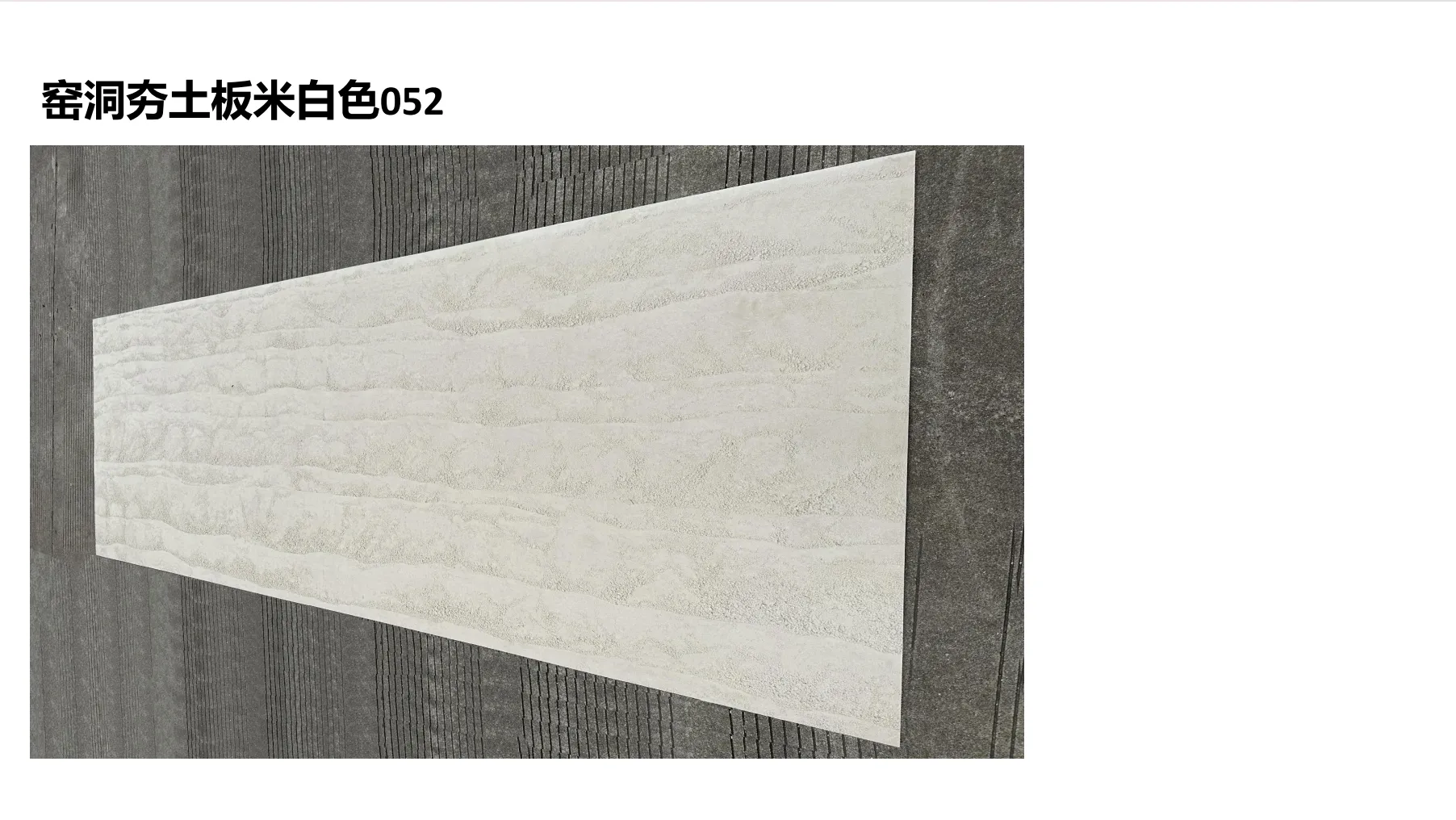
Close your eyes and run your hand along a gradient rammed earth wall. What do you feel? It's not smooth like marble or cold like concrete. It's textured —gritty in places, almost velvety in others. The compression process leaves subtle ridges, like the rings of a tree, marking the layers of earth that built it. "That texture is intentional," says Marquez. "We want people to touch the walls. To connect with the material on a physical level. In a world of screens and synthetic surfaces, there's something deeply grounding about feeling real earth beneath your fingertips."
And it's not just about touch. Rammed earth has natural acoustic properties, absorbing sound rather than reflecting it. In a busy restaurant or a noisy classroom, gradient rammed earth walls don't just look calm—they feel calm, muffling chaos and creating spaces that soothe the mind. "We had a client who runs a yoga studio," Patel recalls. "She told us after installing gradient rammed earth walls, her students reported feeling more 'centered' during class. You can't put a price on that emotional impact."
| Product | Key Features | Sustainability | Design Flexibility |
|---|---|---|---|
| Gradient Color Rammed Earth Board | Natural color gradients, tactile texture, acoustic absorption | Recycled soil content, zero VOCs, carbon-negative manufacturing | Custom color blends, available in panels up to 12ft long, indoor/outdoor use |
| MCM Flexible Stone | Bendable up to 90-degree curves, thin profile (3-5mm) | Lightweight (reduces transport emissions), 100% recyclable | Ideal for curved facades, columns, and custom furniture |
| MCM Big Slab Board Series | Seamless slabs (up to 10ft x 5ft), high compressive strength | Low-waste production, locally sourced aggregates | Grand lobbies, minimalist interiors, statement walls |
| Travertine (Starry Blue) | Glittering mineral deposits, porous texture, cool to the touch | Quarried using waterless extraction methods | Accent walls, backsplashes, outdoor patios (paired with gradient rammed earth) |
In an era of climate urgency, "sustainable" has become a buzzword—but for COLORIA MCM, it's a promise. Gradient color rammed earth boards aren't just eco-friendly by accident; they're designed that way from the ground up. "Traditional rammed earth is already sustainable— it's made from earth, after all," says Marquez. "But we wanted to push the envelope. Our process uses 30% recycled soil from construction waste, and our pigments are sourced from reclaimed mines. Even our manufacturing facilities run on solar power. The goal? A product that leaves the planet better than we found it."
The numbers back it up: gradient rammed earth has a carbon footprint 60% lower than traditional concrete, and 40% lower than standard clay brick. It's also breathable, allowing moisture to pass through walls and reducing the need for energy-guzzling dehumidifiers. And because it's so durable—with a lifespan of over 100 years—buildings clad in gradient rammed earth won't need frequent repairs or replacements, cutting down on waste over time.
"Sustainability isn't just about materials," adds Patel. "It's about longevity . A building that falls apart in 20 years isn't sustainable, no matter how 'green' its materials are. Gradient rammed earth doesn't just last—it ages gracefully. Those color gradients will mellow over time, developing a patina that tells the story of the building's life. That's true sustainability: creating spaces that grow with us, not against us."
Nestled between rice terraces and the Indian Ocean, the Azure Hotel wanted a facade that felt both luxurious and rooted in Balinese culture. "We didn't want a generic 'tropical' look," says lead designer Maya Chen. "We wanted something that whispered 'Bali' without screaming it." The solution? Gradient color rammed earth boards in a blend of sandy beige (echoing the nearby beaches) fading into ocean blue (a nod to the hotel's name). The boards were paired with travertine (starry blue) accents—small, glittering tiles that catch the sunlight like scattered sea glass.
"Guests often stop to touch the walls," Chen laughs. "They ask if it's painted, and when I tell them it's the actual material, their jaws drop. The gradient makes the hotel feel like it's emerging from the landscape, not imposed on it. And sustainability-wise? Our energy bills are 25% lower than similar hotels in the area, thanks to the rammed earth's insulating properties. It's a win-win."
In a city known for rain and gray skies, the Evergreen Community Center needed to feel bright and uplifting—even on the gloomiest days. "We wanted to bring a little bit of the Pacific Northwest's forests indoors," says project architect Liam O'Connor. The center's main hall features 20-foot-tall walls of gradient color rammed earth, blending moss green into pine needle brown into cloud white . "The color transitions mimic the way light filters through trees—dappled, warm, alive. On rainy days, the walls glow when the overhead lights hit them. Kids run their hands along the texture; seniors sit and stare at the color shifts. It's become the heart of the space."
O'Connor also praises the material's versatility: "We used mcm big slab board series for the center's floor—large, seamless slabs that flow from the entrance to the hall, creating a sense of continuity. The contrast between the smooth slabs and the textured rammed earth walls is striking. It's modern, but it feels grounded. Like the community itself."
Gradient color rammed earth may be the star of the show, but COLORIA MCM's lineup is a constellation of innovative materials. Take mcm flexible stone , for example—a thin, bendable material that's revolutionizing curved architecture. "We recently used it on a museum dedicated to marine life," says Chen. "The facade is shaped like a wave, and the flexible stone wraps around the curves perfectly. It looks like the building is rolling toward the ocean. Without flexible stone, that design would have been impossible—or prohibitively expensive."
Then there's the lunar peak collection, with silvery, golden, and black variants that mimic the moon's cratered surface. "Lunar peak silvery is stunning for high-end retail spaces," Patel notes. "It has this otherworldly glow, like moonlight on stone. Pair it with gradient rammed earth, and you've got a contrast that's out of this world—warm earth meets cool cosmos."
And for those who crave the look of natural stone without the weight, there's travertine (starry blue) —a synthetic travertine infused with tiny, reflective particles that sparkle like stars in a night sky. "It's playful, but sophisticated," Chen says. "We used it in a children's hospital waiting room. The kids call it 'magic stone.' Anything that makes a hospital feel less scary is a win in my book."
As we look to the future, one thing is clear: architecture is getting softer. Not weaker—softer. We're moving away from cold, sterile spaces and toward environments that nurture us, that connect us to nature, and that tell our stories. Gradient color rammed earth isn't just a material; it's a symbol of that shift. It's proof that we don't have to choose between beauty and sustainability, between innovation and tradition.
"I think we'll see more materials that evoke emotion," predicts Marquez. "Architects are tired of 'neutral' being the default. They want to make people feel something when they walk into a room. Gradient rammed earth does that. It makes you pause. It makes you remember. And in a world that's always rushing, that's a radical act."
So whether you're designing a home, a hotel, or a community center, consider this: the walls you choose aren't just walls. They're the backdrop to life's moments—the first step into a new home, the laughter of friends in a restaurant, the quiet concentration of a student in a classroom. Gradient color rammed earth doesn't just hold up those moments; it enhances them. It turns buildings into memories. And isn't that what architecture is all about?
Recommend Products












