
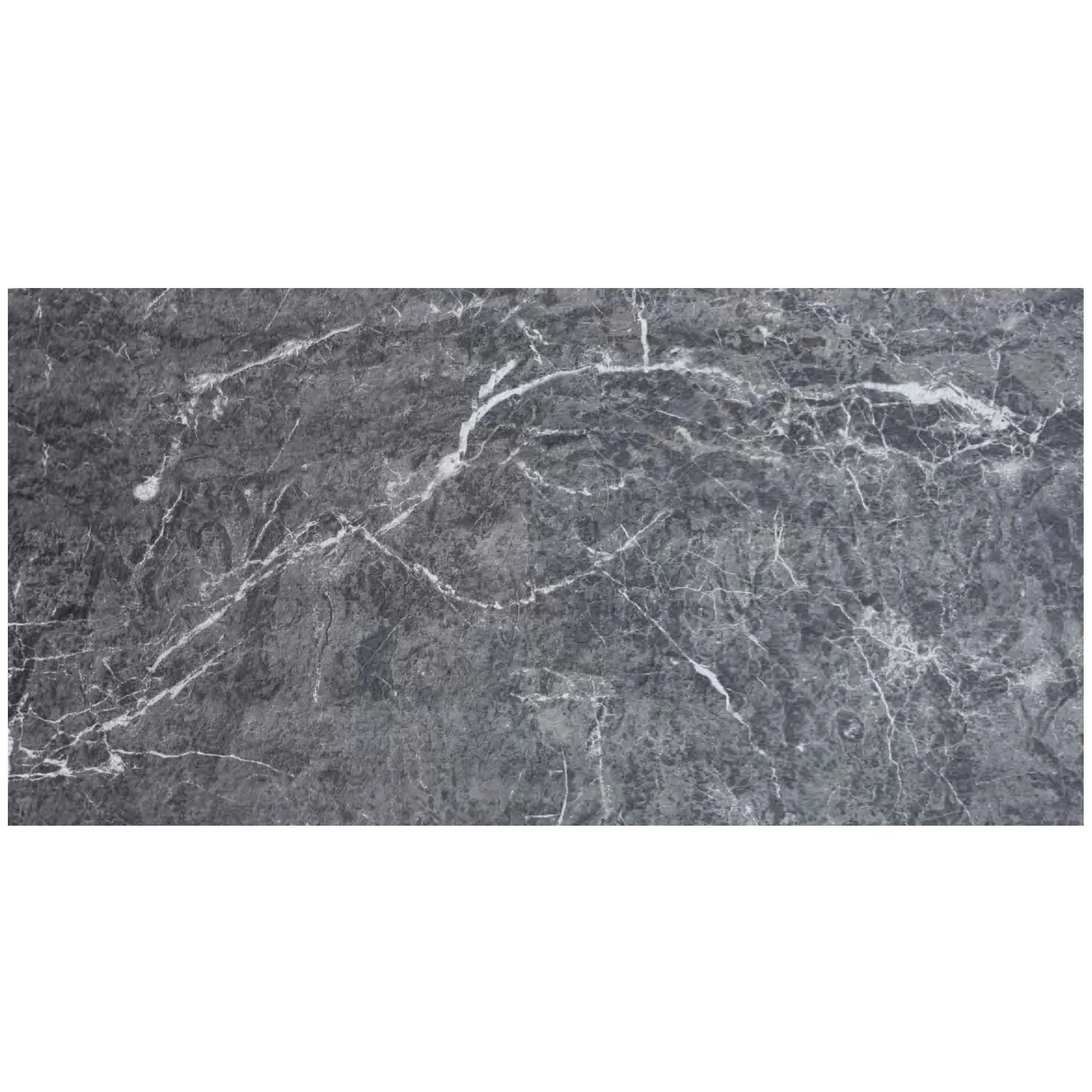
For centuries, natural stone has been the gold standard in architecture and design, admired for its timeless beauty and perceived permanence. Among these stone classics, Granite Nero Margiua stands out—a material that evokes luxury with its deep, jet-black base and delicate flecks of silver and gray, like a starry night captured in stone. It's graced the lobbies of five-star hotels, the countertops of high-end kitchens, and the facades of iconic buildings, earning a reputation as a symbol of elegance. But in today's fast-paced, innovation-driven world, even the most beloved classics face new challengers. Enter the mcm project board series —not just a replacement for traditional stone, but a reimagining of what building materials can achieve. Let's take a closer look at why this modern solution is quickly becoming the go-to choice for architects, designers, and homeowners alike.
First, let's honor what makes Granite Nero Margiua special. Its visual appeal is undeniable: that rich, uniform black hue with subtle mineral deposits creates a sense of depth and sophistication. It's dense, too—naturally resistant to scratches and heat, which is why it's long been favored for high-traffic areas. In traditional construction, it's a statement material, signaling quality and attention to detail. But here's the thing: what worked for a 19th-century mansion might not align with the needs of a 21st-century skyscraper, a boutique café with curved walls, or a homeowner looking for both beauty and practicality.
Granite Nero Margiua, like many natural stones, comes with inherent limitations. For starters, it's heavy— really heavy. A single slab can weigh upwards of 200 pounds, making transportation and installation a logistical headache, especially for high-rise buildings or projects with weight restrictions. This heft also means structural support systems need to be reinforced, adding time and cost to construction. Then there's its brittleness: while granite is tough, it's not flexible. drop a tool on it during installation, or subject it to extreme temperature fluctuations, and it can crack—permanently. And despite its density, it's surprisingly porous. Without regular sealing (think annual maintenance, at minimum), it stains easily, absorbing oils, wine, or even water spots that mar its pristine surface.
Perhaps most notably, Granite Nero Margiua isn't exactly eco-friendly. Quarrying it requires heavy machinery, disrupts natural landscapes, and generates significant waste. Transporting those massive slabs across the globe? That's a hefty carbon footprint. And if a slab cracks during installation? It's often discarded, contributing to construction waste. For designers and builders prioritizing sustainability, these factors are hard to overlook.
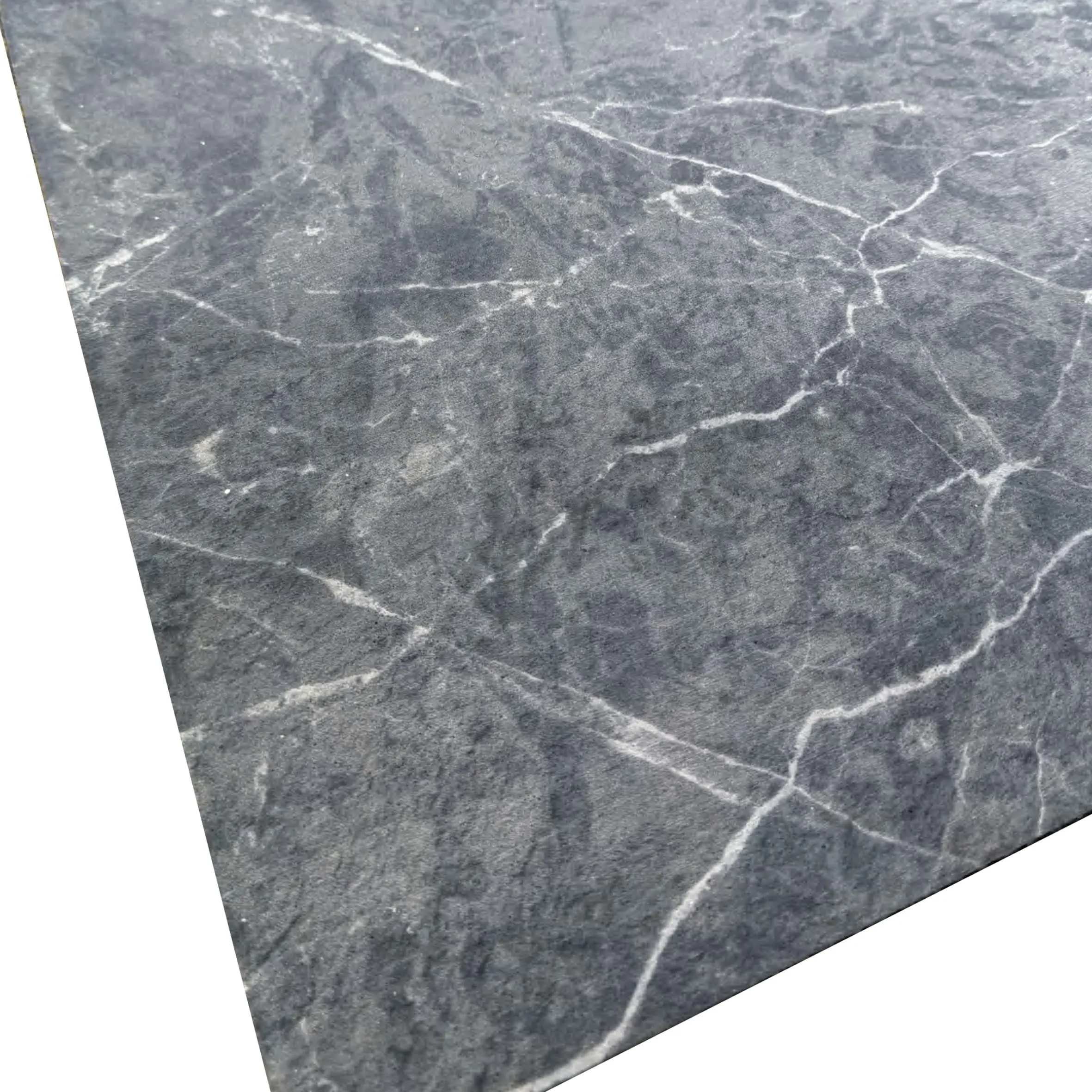
So, what if there was a material that captured the beauty of Granite Nero Margiua—its depth, its elegance—but shed the weight, brittleness, and environmental drawbacks? That's precisely what the mcm project board series delivers. MCM, or Modified Composite Material, is an engineered solution that blends natural mineral aggregates (like those found in stone) with high-performance polymers, creating a material that's as durable as it is versatile. It's not trying to mimic natural stone superficially; it's reengineering the concept of stone itself to meet the demands of modern design.
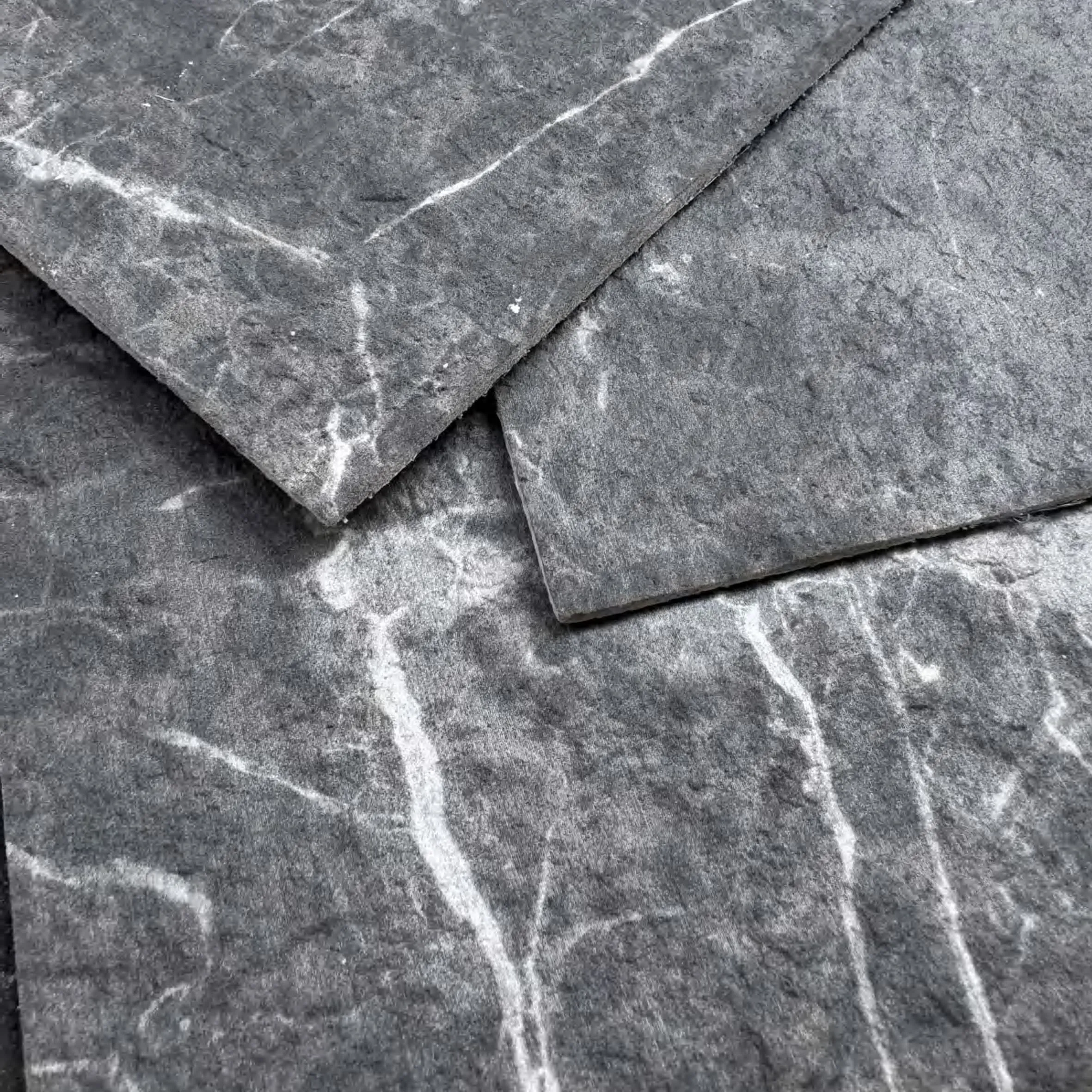
At the heart of this innovation are two standout products: mcm flexible stone and mcm big slab board series . MCM Flexible Stone lives up to its name—it's pliable enough to wrap around columns, arches, or curved walls, turning rigid design constraints into opportunities for creativity. Imagine a boutique hotel with a sweeping, curved facade that would be impossible with traditional granite; MCM Flexible Stone makes it not just possible, but effortless. Then there's the MCM Big Slab Board Series, which offers large-format panels (some up to 4 feet by 8 feet) that minimize grout lines, creating a seamless, monolithic look that rivals the grandeur of natural stone slabs—without the weight.
But MCM isn't just about flexibility and size. It's about intelligence in material design. These boards are lightweight—typically 70-80% lighter than natural granite—so they reduce structural load, simplify transportation, and cut installation time dramatically. They're also non-porous, meaning no sealing, no staining, and no endless maintenance. Spill coffee on an MCM countertop? Wipe it up with a cloth, and it looks as good as new. Expose an MCM facade to rain, snow, or harsh UV rays? It resists fading, chipping, and warping, maintaining its beauty for decades.
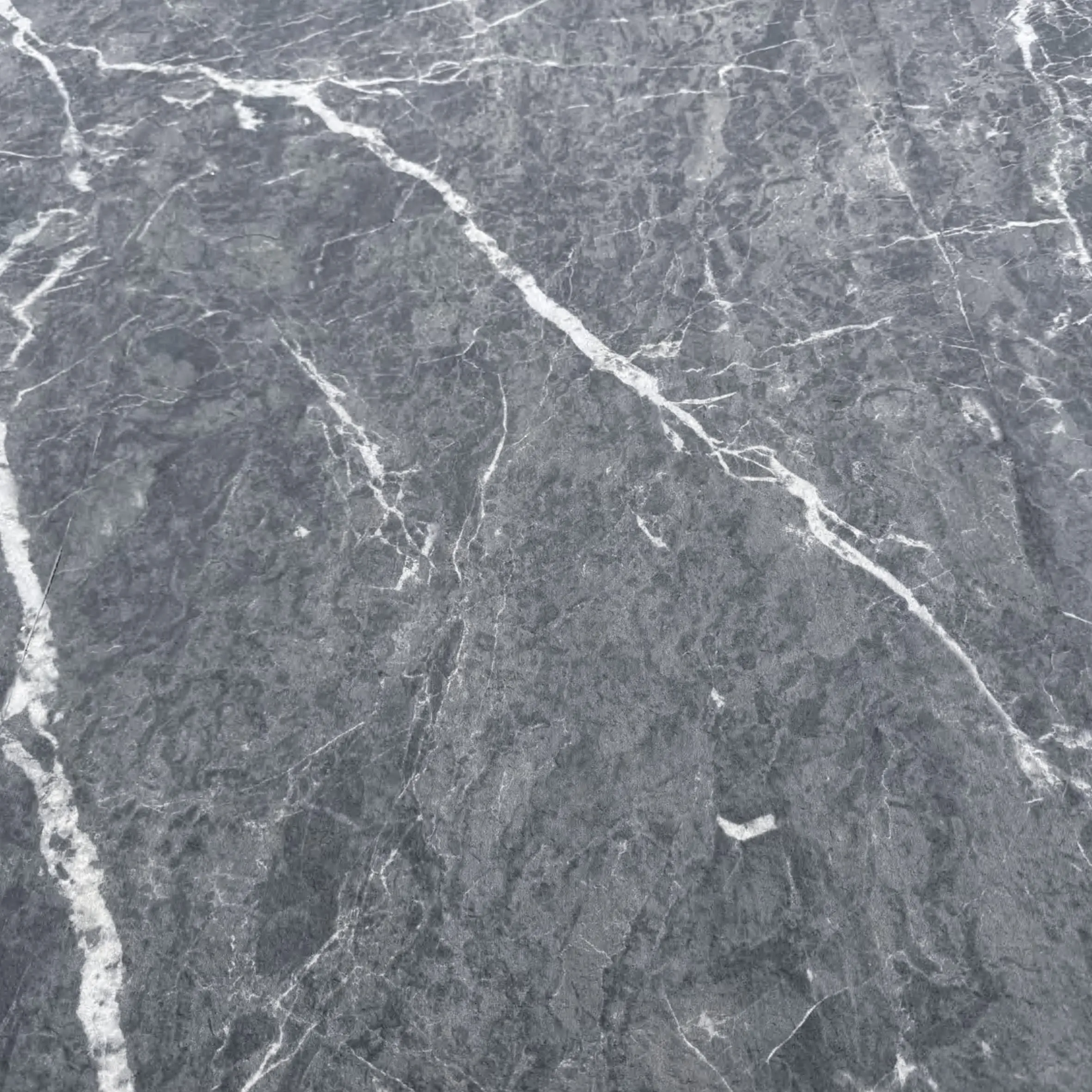
To truly appreciate the leap forward MCM represents, let's compare it directly to Granite Nero Margiua across key factors that matter to designers, builders, and homeowners:
| Feature | Granite Nero Margiua | MCM Project Board Series |
|---|---|---|
| Weight | Heavy (150-250 lbs per slab) | Lightweight (10-15 lbs per panel) |
| Flexibility | Rigid; cannot bend or curve | Highly flexible (MCM Flexible Stone bends to 30°+ angles) |
| Durability | Scratch-resistant but prone to cracking/chipping | Impact-resistant, fade-resistant, and weatherproof |
| Maintenance | Requires annual sealing; stains easily | Zero sealing needed; wipes clean with soap and water |
| Installation | Needs heavy machinery and reinforced support | Lightweight; can be installed with basic tools by small teams |
| Environmental Impact | High (quarrying, waste, carbon-heavy transport) | Low (recycled materials, minimal waste, low transport emissions) |
| Aesthetic Versatility | Limited to natural veining/patterns of the stone | Endless options—mimics granite, travertine (like starry green), fair-faced concrete, and more |
Numbers tell part of the story, but let's talk about real-world scenarios where MCM Project Board Series shines. Take, for example, a coastal home in Miami. Traditional Granite Nero Margiua would look stunning, but the salt air, humidity, and occasional hurricane-force winds would take a toll—staining, fading, or even cracking over time. MCM, with its weatherproof design, stays vibrant and intact, requiring zero upkeep. The homeowners get the luxury look without the stress of maintenance.
Or consider a corporate office in Chicago with a vision for a sleek, modern lobby featuring a curved accent wall. Traditional granite can't bend, so the design team would have to compromise with smaller, flat tiles, breaking up the flow. MCM Flexible Stone wraps around that curve effortlessly, creating a continuous, eye-catching feature that becomes the focal point of the space. It's not just a material choice; it's a design enabler.
Sustainability is another area where MCM outshines Granite Nero Margiua. Today's clients—whether commercial developers or eco-conscious homeowners—are increasingly asking for materials that align with green building standards. MCM delivers here, too: it's often made with recycled content, uses less water in production than quarrying, and its lightweight nature reduces fuel consumption during transportation. Some MCM products even contribute to LEED credits, making them a smart choice for projects aiming for sustainability certifications.
And let's not forget cost—both upfront and long-term. While Granite Nero Margiua may seem like a one-time investment, the hidden costs add up: structural reinforcements, specialized installation labor, annual sealing products, and potential repairs. MCM, with its lower transportation costs, faster installation (meaning less labor time), and zero maintenance, often ends up being more affordable over the lifetime of a project. It's a case of spending smarter, not just less.
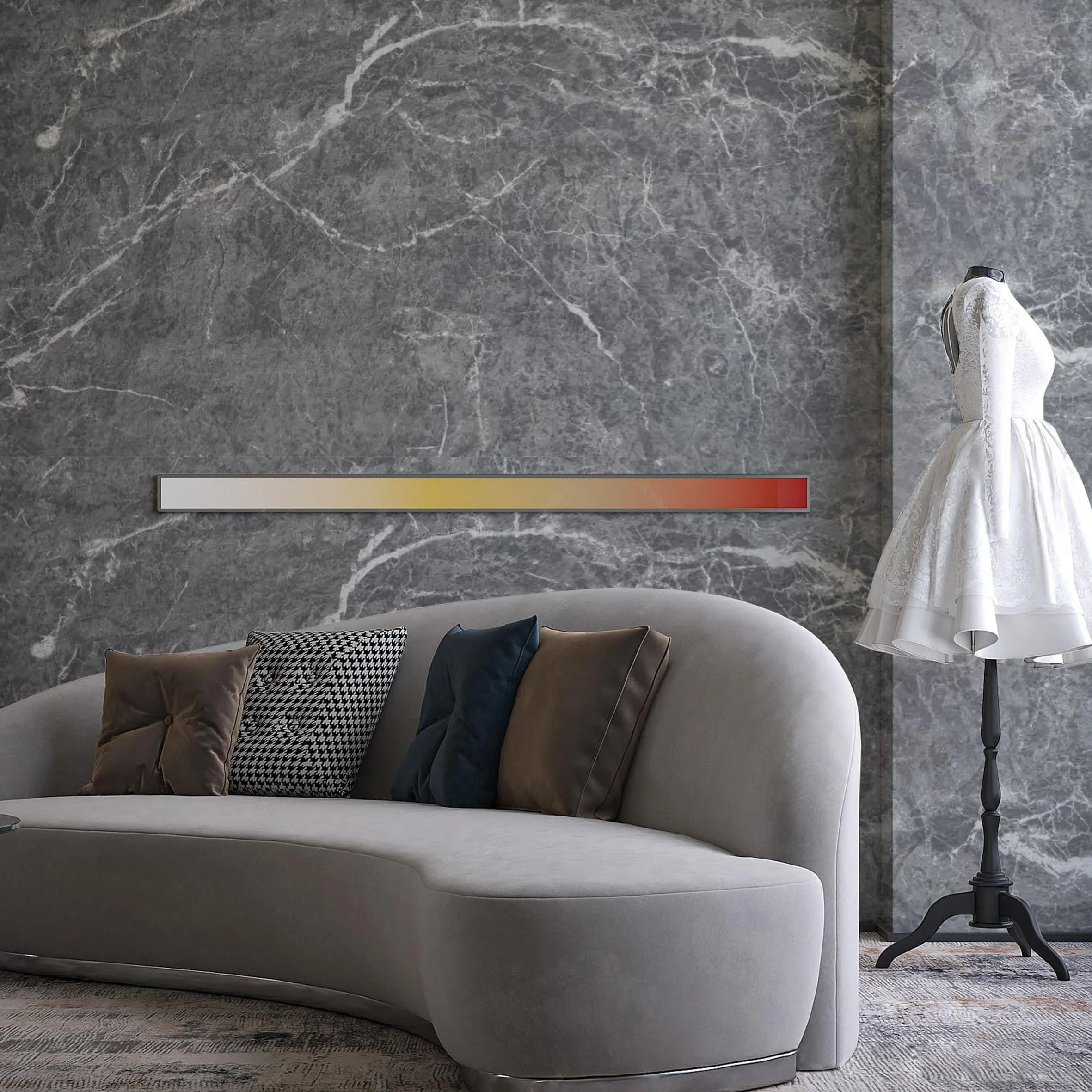
Granite Nero Margiua will always hold a place in design history for its timeless allure. But in a world where design demands both beauty and brains—where flexibility, sustainability, and durability matter as much as aesthetics—the mcm project board series isn't just an alternative; it's a revolution. It's for the architect who wants to push boundaries, the builder who wants to work efficiently, and the homeowner who wants luxury without the hassle.
Whether you're drawn to the deep blacks of Granite Nero Margiua, the earthy textures of travertine (starry green) , or the industrial chic of fair-faced concrete, MCM Project Board Series offers a palette of possibilities that natural stone can't match—all while being lighter, stronger, and kinder to the planet. It's not about replacing tradition; it's about evolving it. And in that evolution, we're discovering a new standard for what building materials can be: beautiful, intelligent, and unapologetically modern.
Recommend Products












